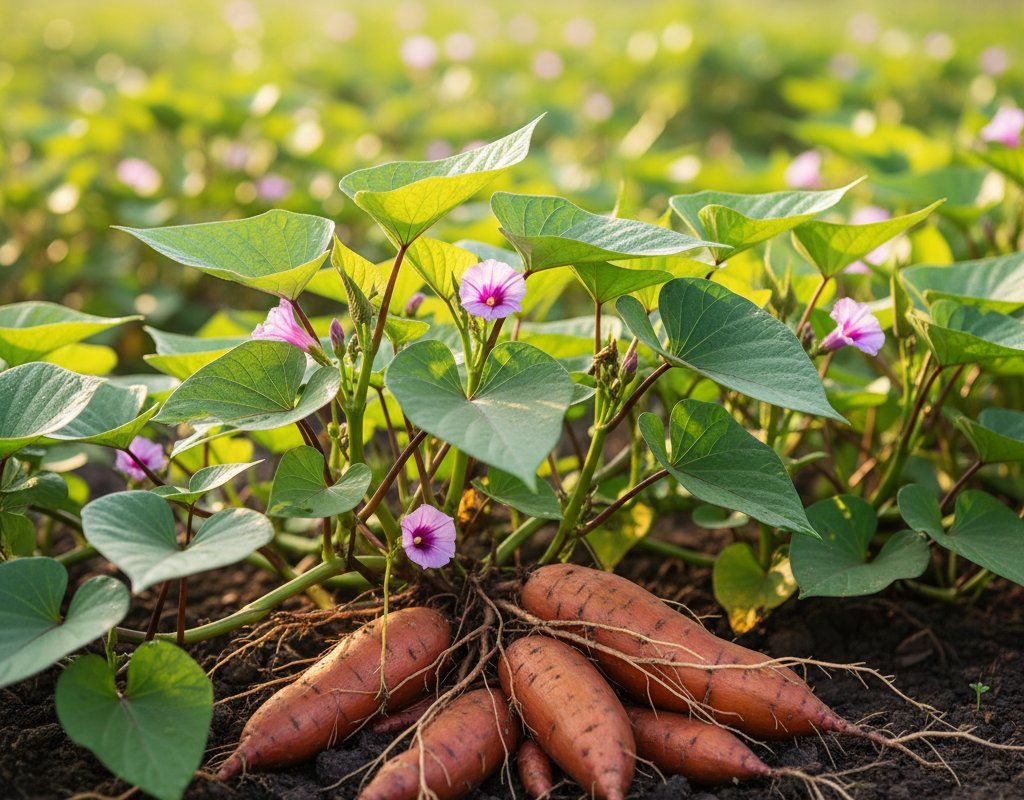
Sweet Potato in Zone 6A — Pacific Northwest
Ipomoea batatas · Your Complete 2026 Planting Guide
Planning Ahead — Great!
You’re ahead of the season. Here’s when to start.
Mark Your Calendar
How to Plant Sweet Potato in Zone 6A — Pacific Northwest
Here are all your options for getting sweet potato in the ground, from the easiest method to more advanced approaches.
Buy Starts
RecommendedLate May through mid June
around May 31
Plant purchased starts after last frost (May 10).
Plant slips (rooted sprouts) after soil is warm. Buy slips or grow your own from a sweet potato.
Start Seeds Indoors
Works WellLate March through mid April
around April 5
Then transplant: Late May through mid June
Start seeds 8-10 weeks before transplanting outdoors.
Direct Sow Seeds
ChallengingDirect sowing is not typical for Sweet Potato.
Transplant Outdoors
Timing InfoLate May through mid June
around May 31
Wait until nighttime temperatures stay above 50°F.
Plan to transplant within a few weeks of your target date.
Overview
Sweet potatoes bring something special to Pacific Northwest gardens — their naturally sweet, complex flavor develops beautifully in our mild summers and cool nights. While they need patience in our slower-warming spring soils, these nutritious tubers reward you with impressive yields once established, and their drought tolerance makes them surprisingly well-suited to our dry summer months. The vining habit also gives you attractive ground cover that thrives in full sun.
Yes, sweet potatoes are heat-lovers in a region known for mild summers, but don't let that discourage you. With our 148-day growing season and proper timing, you can successfully grow these tender perennials as annuals. The key is starting with healthy slips and choosing your planting window carefully to take advantage of our warmest months before that early October frost arrives.
Starting Seeds Indoors
Starting sweet potatoes from seed isn't the typical approach — most gardeners work with slips (rooted sprouts from sweet potato tubers). However, if you're growing from true seed for variety exploration, start indoors during late March through mid-April, about 8 weeks before transplanting. You'll need warm conditions (75-80°F) and consistent moisture for germination.
Set up seed trays with a good seed-starting mix and place them on a heat mat or near a warm window. Bottom watering works well here since sweet potato seeds can rot with too much surface moisture. Our overcast spring days mean you'll definitely need grow lights to give seedlings the strong light they crave.
Keep in mind that sweet potatoes grown from seed often don't produce the same quality tubers as those grown from slips, and they take longer to mature — something to consider with our shorter warm season.
Transplanting Outdoors
Plan to transplant your sweet potato slips outdoors from late May through mid-June, once soil temperatures consistently stay above 60°F and nighttime lows don't dip below 55°F. Our cool spring soils can really set back these heat-lovers, so patience pays off here. A week of gradual hardening off helps slips adjust to outdoor conditions and our sometimes breezy spring weather.
Space slips 12-18 inches apart in full sun, burying the roots and about half the stem. Sweet potatoes need room for their vining habit, so consider your garden layout carefully. The long vines will spread several feet in each direction by harvest time.
Choose your warmest, most protected spot since our mild summers barely provide the heat these plants prefer. Consider black plastic mulch or row covers during cool spells to help maintain soil warmth, especially important during those occasional late May temperature dips that can surprise PNW gardeners.
Watering Sweet Potato in Zone 6A (Pacific Northwest)
Sweet potatoes need moderate water to get established, but once their roots take hold, they're surprisingly drought-tolerant — a trait that works well with our dry summer months. During the first few weeks after transplanting, water consistently to help slips develop strong root systems, especially since our late spring can still have cool, drying winds.
Use the finger test: stick your finger 2 inches into the soil, and water when it feels dry at that depth. Generally, sweet potatoes need about 1 inch of water per week during their active growing period. Water at the base rather than overhead — while our dry summer air reduces disease pressure, wet foliage can still invite problems, and the large leaves shed water efficiently.
As harvest approaches in late summer, reduce watering significantly during the final 3-4 weeks. This helps concentrate sugars in the tubers and prevents them from splitting if we get unexpected late-season rain. Our typically dry September works in your favor here.
Apply a 2-3 inch layer of straw mulch around plants to maintain even soil moisture and suppress weeds. This is especially helpful in our gravelly or sandy PNW soils that can dry out quickly during those occasional 80°F+ stretches in July and August.
🧪Fertilizing Sweet Potato
Feeding Schedule
Organic Fertilizer Options
Harvest Time
Your sweet potatoes will be ready for harvest from early September through early October, typically after 100 days from transplanting. Unlike many crops that give clear visual cues, sweet potatoes are ready based on timing and tuber size — you'll need to carefully dig a test hill to check development. Look for tubers that are 3-4 inches long and have developed their characteristic shape.
Harvest before our first frost arrives, usually in early October, even if tubers seem small. Sweet potatoes are extremely frost-tender, and even a light freeze will damage both vines and tubers. Choose a dry day for digging, using a spading fork to gently lift tubers from about 18 inches away from the center of the plant to avoid spearing them.
Handle tubers carefully during harvest — their skins are thin and easily damaged when fresh from the ground. Brush off excess soil but don't wash them yet. Any nicks or cuts provide entry points for rot, so damaged tubers should be used first rather than stored.
After harvest, cure your sweet potatoes in a warm (80-85°F), humid place for 1-2 weeks. This develops their sweetness and toughens the skin for storage. A sunny room or greenhouse works well, though you might need to create warmth artificially during our cooling October weather.
Common Problems in Zone 6A (Pacific Northwest)
Sweet Potato Weevils These small beetles create holes in tubers and their larvae tunnel through the flesh, leaving brown, bitter-tasting areas. Adult weevils are about 1/4 inch long, metallic blue-black with an orange head. In the Pacific Northwest, they're less common than in warmer regions, but they can still appear during our warmest summer stretches.
The weevils overwinter in stored tubers and garden debris, then emerge to lay eggs on stems near soil level. Crop rotation helps break their cycle — don't plant sweet potatoes in the same spot for 3-4 years. Remove and destroy any infested plants immediately, and clean up all vine debris after harvest.
Wireworms These hard, thin larvae create small holes in tubers and tunnel through the flesh, often carrying soil-borne diseases with them. You'll see shiny, jointed worms about 1/2 to 1 inch long with a tough, wire-like feel. They're particularly problematic in PNW gardens with heavy clay soils or areas that were recently in grass.
Wireworms thrive in our moist spring soils and can be more active during our cool, wet springs. Improve drainage and avoid planting in recently turned sod. Beneficial nematodes applied to soil in late spring can help reduce populations, and potato trap crops planted 2-3 weeks before sweet potatoes can draw them away.
Cracking Sweet potato tubers develop splits or cracks, either in rings around the tuber or as deep lengthwise cracks. This exposes the flesh to rot organisms and makes tubers unmarketable. The damage typically shows up during the final weeks before harvest or during curing.
Heavy watering or unexpected rain after dry periods causes tubers to absorb water faster than their skins can expand. Our typically dry late summer usually prevents this, but September rain storms can trigger cracking. Maintain consistent soil moisture with mulch, and reduce watering 3-4 weeks before harvest to avoid the wet-dry cycle that causes splitting.
Pacific Northwest Specific Challenges: Our mild summers mean sweet potatoes grow more slowly and may not reach full size potential. The short heat season puts pressure on timing — late planting or early frost can result in small tubers. However, our dry summer climate actually reduces many disease pressures that plague sweet potatoes in more humid regions, and the moderate temperatures rarely stress plants with excessive heat.
Best Companions for Sweet Potato
Plant these nearby for healthier Sweet Potato and better harvests.


Keep Away From
Companion Planting Details
Sweet potatoes work well in the traditional "three sisters" planting with beans and corn, though you'll need to adjust spacing for our shorter growing season. Beans fix nitrogen that sweet potatoes can use during their early growth phase, while the sweet potato vines provide living mulch that conserves moisture — valuable during our dry summer months. Corn provides vertical structure and some wind protection for the sprawling vines.
Avoid planting sweet potatoes near tomatoes or other nightshades, as they can compete for similar nutrients and may harbor similar soil-borne diseases. The sprawling nature of sweet potato vines means they need space — they can overwhelm smaller companions, so plan your garden layout to give them room to spread without shading out sun-loving neighbors.
🌸Best Flowers to Plant with Sweet Potato
These flowers protect your Sweet Potato from pests and attract pollinators for better harvests.
For Pest Control




Get a Reminder When It's Time to Plant
We'll email you when key planting windows open for your zone.