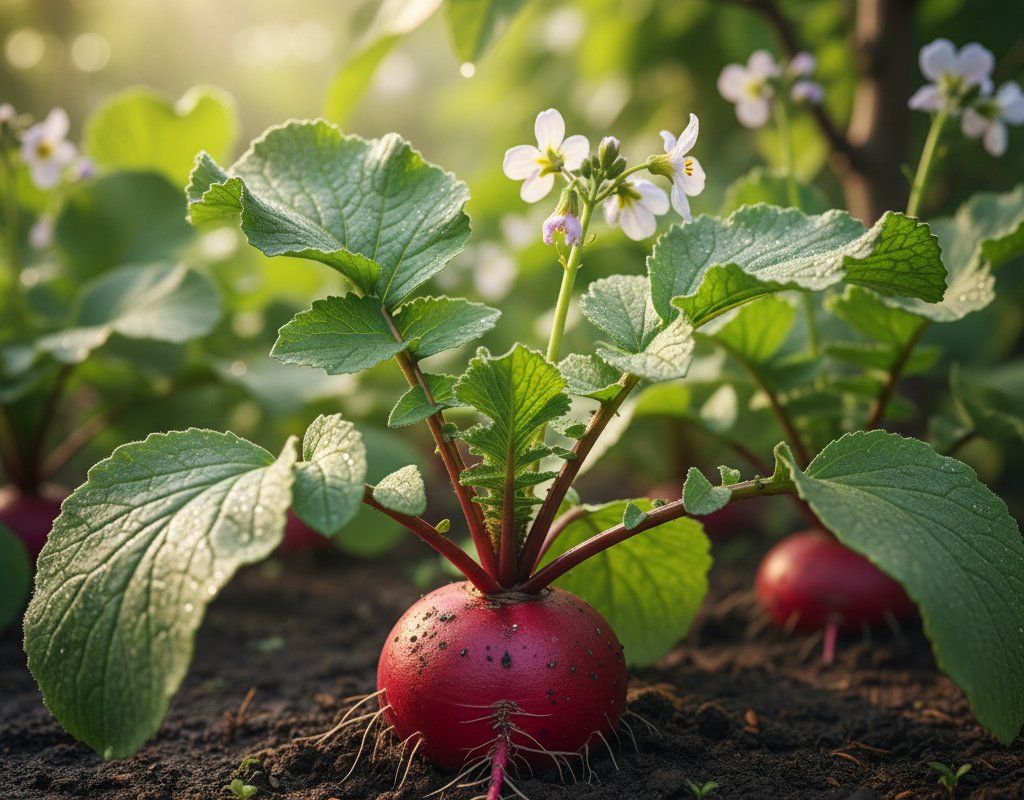
Radish in Zone 6B — Southeast
Raphanus sativus · Your Complete 2026 Planting Guide
Planning Ahead — Great!
You’re ahead of the season. Here’s when to start.
Mark Your Calendar
How to Plant Radish in Zone 6B — Southeast
Here are all your options for getting radish in the ground, from the easiest method to more advanced approaches.
Direct Sow Seeds
RecommendedEarly March through late September
around March 8
Consider succession planting every 2-3 weeks for continuous harvest.
Fast-growing and easy. No reason to start indoors.
Buy Starts
Works WellEarly March through mid April
around March 8
Plant purchased starts after last frost (April 5).
Start Seeds Indoors
ChallengingThis plant is typically not started indoors.
Transplant Outdoors
Timing InfoEarly March through mid April
around March 8
Can tolerate light frost, but wait for soil to be workable.
You have a nice window — no need to rush.
Fall Planting
Early September through early October
September 18 ideal · Direct sow for fall harvest
Plant a second crop in mid-summer for fall harvest. Radish actually prefers the cooling temperatures of fall.
Overview
Radishes are perfect for Southeast gardeners who want quick satisfaction and crisp, peppery flavor from their gardens. In our long 208-day growing season, you can grow multiple rounds of these fast-maturing roots, from the first warm days of March straight through fall's last harvests in November. They thrive in our moderate spring and fall temperatures, giving you fresh radishes when store-bought options are often bland and woody.
Our hot, humid summers and afternoon thunderstorms can challenge many crops, but radishes sidestep most of these issues with smart timing. Plant them during cooler months when humidity is manageable and heat stress won't turn your roots pithy and fiery-hot. The key is working with our Southeast climate rather than against it.
Transplanting Outdoors
While you can transplant radishes, there's rarely a good reason to start them indoors in our climate. These fast-growing roots prefer to stay put once planted, and transplant shock often stunts their development.
If you do choose to transplant seedlings, move them outdoors from early March through mid-April when soil temperatures reach 40°F. Harden them off gradually over a week, starting with 2-3 hours of morning sun and building up to full outdoor exposure. Space transplants 2-4 inches apart in loose, well-draining soil.
Be ready for our unpredictable spring weather during transplant time. Late cold snaps can slow growth, while sudden warm spells may cause transplants to bolt prematurely. Row covers provide insurance against both temperature extremes.
Direct Sowing
Direct sowing is the way to go with radishes in the Southeast. These roots hate being disturbed, and direct seeding gives you the strongest, most uniform crop. You can sow from early March through late September, timing plantings to avoid our brutal summer heat.
Prepare loose, well-draining soil in full sun to partial shade. Clay soil gardeners should work in compost to improve drainage – waterlogged radishes split and rot quickly in our humid climate. Sow seeds ½ inch deep and 2-4 inches apart when soil temperature reaches 40°F.
For continuous harvest, plant small amounts every 2-3 weeks during cool periods. Skip summer plantings during our hottest months (July-August) when even fast-growing radishes struggle with heat stress. Resume planting in early September for excellent fall harvests that often taste better than spring crops.
Watering Radish in Zone 6B (Southeast)
Radishes need consistent moisture throughout their short 25-day growing cycle, but overwatering in our humid Southeast climate invites fungal problems. The key is maintaining even soil moisture without creating soggy conditions that encourage root rot.
During spring and fall growing seasons, our natural rainfall often provides adequate water. Check soil moisture by inserting your finger 2 inches deep – if it's dry, water deeply at the base of plants. Avoid overhead watering during humid periods, which can promote leaf diseases in our moisture-heavy air.
Summer plantings require more attention as our typical 92°F days and warm nights stress these cool-season crops. Water early morning to reduce disease pressure and help plants cope with afternoon heat. Inconsistent watering during hot weather causes woody, pithy roots with fiery heat that's unpalatable.
Mulch lightly around plants to maintain soil moisture and moderate temperature swings, but don't pile mulch against stems in our humid conditions. Watch for signs of stress: wilted leaves indicate underwatering, while yellowing foliage often signals overwatering and poor drainage in clay soils.
🧪Fertilizing Radish
Feeding Schedule
Organic Fertilizer Options
Harvest Time
Your first radishes will be ready for harvest from early April through early November, depending on planting timing. Most varieties mature in just 25 days, making them one of the quickest crops in your Southeast garden.
Look for radish shoulders pushing above the soil surface – this is your cue that they're sizing up nicely. Spring radishes should be harvested when they reach about 1 inch in diameter, while larger winter varieties can grow to 2-3 inches. Pull them by grasping the greens close to the soil and tugging gently upward.
Don't leave radishes in the ground too long, especially during warm weather. Overmature roots become woody and develop an unpleasant, sharp bite that even cooking can't fix. In our Southeast climate, radishes left past prime quickly deteriorate during hot spells or heavy rainfall.
As your first frost approaches in late October, harvest all remaining radishes and store them in the refrigerator. Unlike some root crops, radishes don't improve with cold weather and won't survive freezing temperatures, even though they tolerate light frosts during the growing season.
Common Problems in Zone 6B (Southeast)
Flea Beetles Look for tiny round holes that create a shot-hole pattern across radish leaves. These small, dark beetles jump when disturbed and cause the most damage to young seedlings when leaves are tender. Heavy infestations can stunt or kill small plants before roots develop properly.
Flea beetles thrive in our warm, humid springs and target young brassicas like radishes. They overwinter in garden debris and emerge when temperatures warm in early spring. Row covers during the first 2-3 weeks after seeding protect vulnerable seedlings. Kaolin clay spray creates a barrier that deters feeding, while companion planting with basil or catnip helps repel these pests.
Root Maggots Small white maggots tunnel through radish roots, creating brown, corky scars and holes. Affected roots are inedible and often rot before harvest time. Adult flies lay eggs at the base of plants, and larvae feed on developing roots underground.
Our cool, moist spring conditions are ideal for root maggot reproduction. These pests favor freshly worked soil with organic matter, exactly what radishes need to grow well. Yellow sticky traps catch adult flies before they lay eggs. Row covers prevent egg-laying, while beneficial nematodes applied to soil attack larvae naturally.
Pithy Roots Radishes develop woody, dry centers with cotton-like texture instead of crisp, juicy flesh. These roots taste harsh and fibery, making them unpalatable even when cooked. The outer skin may look normal while the interior becomes inedible.
Hot weather and inconsistent watering cause pithy roots in our Southeast climate. When temperatures climb above 80°F or soil moisture fluctuates wildly, radishes prioritize survival over root quality. Plant during cooler months, maintain consistent soil moisture, and provide afternoon shade during warm spells. Choose heat-tolerant varieties for summer plantings, though spring and fall crops always perform better.
Southeast Specific Challenges Our hot, humid summers create perfect conditions for fungal diseases on radish foliage, while clay soils that drain poorly can cause root rot during heavy thunderstorms. Japanese beetles occasionally feed on leaves, though they prefer other plants, and deer may browse young plantings in rural areas.
Best Companions for Radish
Plant these nearby for healthier Radish and better harvests.


Keep Away From
Companion Planting Details
Radishes make excellent companions for carrots since their quick growth breaks up soil for slower-developing carrot roots, and they're harvested before carrots need the space. Plant lettuce nearby to take advantage of radishes' natural pest-deterrent properties – flea beetles prefer radishes over lettuce leaves. Peas and radishes work well together since peas fix nitrogen that radishes can use, and both crops prefer our cooler spring and fall weather.
Cucumbers benefit from radish companionship because radishes may help deter cucumber beetles, though plant radishes early enough to harvest before cucumbers sprawl and shade them out. Avoid planting radishes near hyssop, which can stunt radish growth and affect their flavor development in our already challenging summer heat.
🌸Best Flowers to Plant with Radish
These flowers protect your Radish from pests and attract pollinators for better harvests.



Get a Reminder When It's Time to Plant
We'll email you when key planting windows open for your zone.