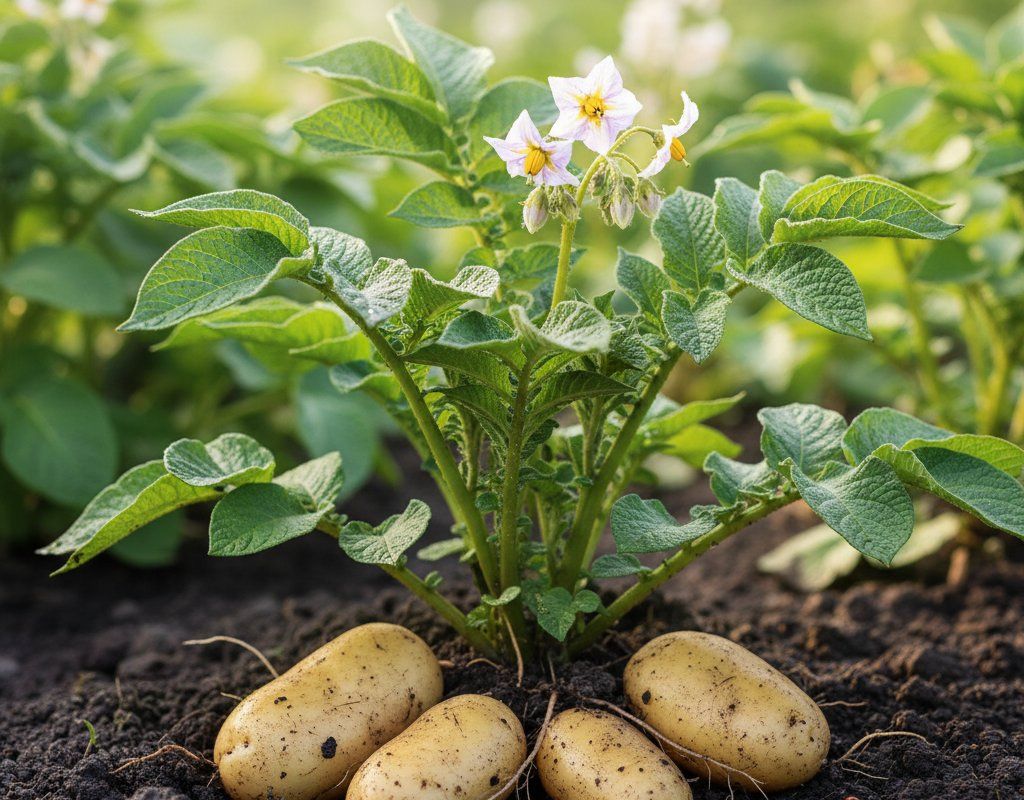
Potato in Zone 6B — Southeast
Solanum tuberosum · Your Complete 2026 Planting Guide
Planning Ahead — Great!
You’re ahead of the season. Here’s when to start.
Mark Your Calendar
How to Plant Potato in Zone 6B — Southeast
Here are all your options for getting potato in the ground, from the easiest method to more advanced approaches.
Direct Sow Seeds
RecommendedLate March through mid July
around March 22
Consider succession planting every 2-3 weeks for continuous harvest.
Plant seed potatoes directly in the ground. Not grown from true seed.
Buy Starts
Works WellLate March through mid April
around March 22
Plant purchased starts after last frost (April 5).
Start Seeds Indoors
ChallengingThis plant is typically not started indoors.
Transplant Outdoors
Timing InfoLate March through mid April
around March 22
Can tolerate light frost, but wait for soil to be workable.
Plan to transplant within a few weeks of your target date.
Overview
Growing your own potatoes in Zone 6B is incredibly rewarding — nothing beats the creamy texture and rich flavor of freshly dug spuds compared to storage potatoes from the grocery store. Our long Southeast growing season of 208 days gives you plenty of flexibility to grow multiple varieties, from quick-maturing fingerlings for summer meals to storage varieties that'll last through winter.
The hot, humid summers and afternoon thunderstorms can create some disease challenges, but proper timing and variety selection make potato growing very manageable here. Starting early in the season helps you avoid the worst heat stress, and our reliable spring rains often handle much of the watering for you.
Transplanting Outdoors
While most gardeners direct-sow potatoes, you can transplant potato starts if you've purchased them from a nursery. Plant transplants from late March through mid-April, after the soil has warmed to at least 45°F and the worst frost danger has passed.
Harden off transplants gradually over a week, starting with just a few hours outdoors and building up their tolerance to our humid conditions. Space plants 12 inches apart in rows, giving them room to spread as they grow.
Watch for late cold snaps during transplant season — our Southeast springs can surprise you with unexpected chills even in mid-April. Have row cover ready to protect young plants if temperatures threaten to dip below 32°F.
Direct Sowing
Direct sowing seed potatoes is the standard method here in the Southeast, and you have a wonderfully long window from late March through mid-July. Plant when soil temperatures reach 45-50°F and the ground can be worked without forming clay clumps.
Prepare your planting area by working compost into our typically heavy clay soil to improve drainage — waterlogged potatoes rot quickly in our humid climate. Cut seed potatoes into 2-inch pieces with at least two eyes each, letting them cure for 24-48 hours to prevent rot. Plant pieces 4 inches deep and 12 inches apart, with eyes facing up.
For succession planting, sow new potatoes every 2-3 weeks through early summer. Later plantings (June-July) work especially well for fall harvest, avoiding the peak summer heat that can stress tuber development.
Watering Potato in Zone 6B (Southeast)
Potatoes need consistent moisture but hate waterlogged soil, which is especially important in our humid Southeast climate. They require about 1-1.5 inches of water weekly, including rainfall — and with our 45-55 inches of annual precipitation, summer storms often handle much of this for you.
The critical period is during flowering when tubers are forming. Check soil moisture by sticking your finger 2 inches deep — if it's dry at that level, water deeply at the base of plants. Avoid overhead watering in our humid conditions, which encourages late blight and other fungal diseases that thrive in moisture.
During our hot summers when temperatures hit 92°F regularly, you may need to supplement afternoon thunderstorms with morning irrigation. Stop watering about two weeks before harvest to let skins toughen up — wet soil at harvest time leads to storage rot.
Mulch around plants with straw or shredded leaves to retain moisture during dry spells and keep soil temperatures more moderate during peak summer heat. This also helps prevent tubers from turning green when they push up through the soil.
🧪Fertilizing Potato
Feeding Schedule
Organic Fertilizer Options
Harvest Time
Your first new potatoes will be ready from mid-June through early November, depending on when you planted. For baby potatoes, start harvesting when plants begin flowering — gently dig around the base to find marble-sized tubers, leaving smaller ones to continue growing.
For storage potatoes, wait until the foliage turns yellow and dies back completely, usually about 90 days from planting. The dying foliage signals that tubers have reached full size and the skins have thickened for storage. Harvest on a dry day when possible — our afternoon thunderstorms can make soil muddy and increase rot risk.
Dig carefully with a garden fork, working from the side to avoid spearing potatoes. Brush off soil but don't wash until you're ready to use them. Let freshly harvested potatoes cure in a cool, dark, well-ventilated area for a week before storing.
As our first frost approaches in late October, harvest any remaining potatoes even if the plants aren't fully mature. Light frost will kill the foliage, but tubers underground remain fine for several weeks if the ground doesn't freeze hard.
Common Problems in Zone 6B (Southeast)
Colorado potato beetle appears as yellow-orange beetles with black stripes, along with clusters of orange eggs on leaf undersides. The larvae are red-orange grubs that can defoliate plants quickly. These beetles emerge from soil when temperatures warm in late spring, perfectly timed with our potato plantings.
The beetles overwinter in garden debris and emerge as soil warms in spring. They're particularly problematic because they can develop resistance to pesticides quickly. Hand-pick adults and egg clusters daily, dropping them into soapy water. Row covers work well early in the season, or apply beneficial nematodes to soil in fall to target overwintering adults.
Late blight shows up as large, dark green-gray water-soaked spots on leaves, often with white fuzzy growth on undersides during humid mornings. This devastating disease thrives in our hot, humid summers and can destroy entire plantings within days during wet weather.
The disease spreads rapidly through wind and water splash, especially during our frequent afternoon thunderstorms. Remove and bag affected plants immediately — never compost them. Apply copper-based fungicide preventatively during humid periods, ensure good air circulation, and choose resistant varieties like 'Mountain Fresh Plus' or 'Iron Lady'.
Scab creates rough, corky patches on potato skins, making them unsightly though still edible. This bacterial disease thrives in alkaline soil and dry conditions followed by moisture — common with our clay soils and irregular summer rainfall patterns.
The bacteria persist in soil for years and spread through contaminated seed potatoes. Maintain soil pH between 5.0-6.0 (test annually), avoid fresh manure, and ensure consistent moisture during tuber formation. Choose scab-resistant varieties like 'Yukon Gold' or 'Red Norland' for problem areas.
Southeast Specific Challenges: Our combination of clay soil, high humidity, and intense summer heat creates perfect conditions for soil-borne diseases and pest pressure. The frequent wet-dry cycles from afternoon thunderstorms can crack developing tubers and encourage bacterial problems, making consistent soil moisture and good drainage absolutely essential here.
Best Companions for Potato
Plant these nearby for healthier Potato and better harvests.

Keep Away From

Companion Planting Details
Potatoes pair beautifully with beans, which fix nitrogen that potatoes can use later in the season, and corn, which provides natural shade during our hottest summer days without competing for root space. Brassicas like cabbage and broccoli make excellent companions because their strong scents help confuse Colorado potato beetles, and they prefer the cooler conditions of early and late season when potatoes are establishing or finishing up.
Avoid planting potatoes near tomatoes, squash, or cucumbers — they're all susceptible to similar fungal diseases that spread rapidly in our humid climate. Keep them away from sunflowers too, which can inhibit potato growth through allelopathy. In our hot, humid summers, giving each crop its own well-ventilated space reduces disease pressure significantly.
🌸Best Flowers to Plant with Potato
These flowers protect your Potato from pests and attract pollinators for better harvests.


Get a Reminder When It's Time to Plant
We'll email you when key planting windows open for your zone.