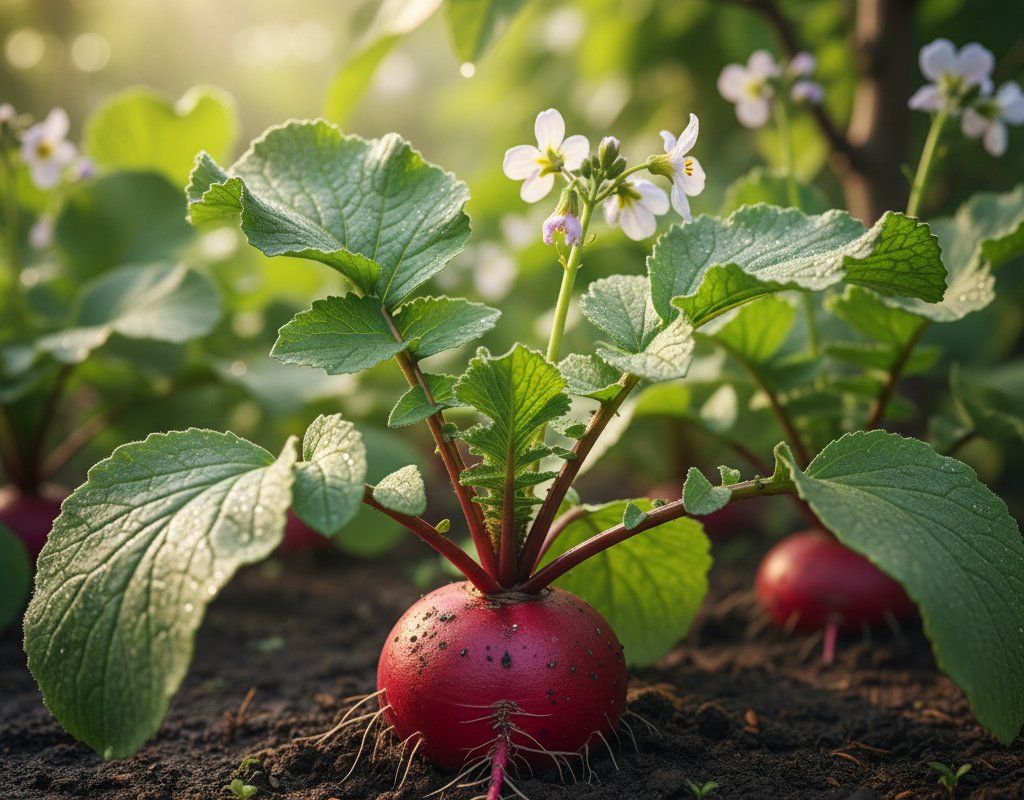
Radish in Zone 7A — Midwest
Raphanus sativus · Your Complete 2026 Planting Guide
Planning Ahead — Great!
You’re ahead of the season. Here’s when to start.
Mark Your Calendar
How to Plant Radish in Zone 7A — Midwest
Here are all your options for getting radish in the ground, from the easiest method to more advanced approaches.
Direct Sow Seeds
RecommendedMid March through mid September
around March 13
Consider succession planting every 2-3 weeks for continuous harvest.
Fast-growing and easy. No reason to start indoors.
Buy Starts
Works WellMid March through late April
around March 13
Plant purchased starts after last frost (April 10).
Start Seeds Indoors
ChallengingThis plant is typically not started indoors.
Transplant Outdoors
Timing InfoMid March through late April
around March 13
Can tolerate light frost, but wait for soil to be workable.
You have a nice window — no need to rush.
Fall Planting
Late August through late September
September 8 ideal · Direct sow for fall harvest
Plant a second crop in mid-summer for fall harvest. Radish actually prefers the cooling temperatures of fall.
Overview
Radishes are the ultimate instant gratification crop for Midwest gardeners, delivering crisp, peppery roots in just 25 days from seed to table. In our Zone 7A climate, you can enjoy fresh radishes from early spring through late fall, taking advantage of our moderate springs and reliable rainfall to grow consistently tender, flavorful crops. The cool, moist conditions of Midwest springs are perfect for radishes, producing those satisfying crunchy roots that taste nothing like the woody specimens from the grocery store.
Our variable spring weather and occasional summer heat spells might seem challenging, but radishes actually thrive in this climate with proper timing. With a 193-day growing season, you have multiple opportunities to succession plant for continuous harvests, avoiding the worst summer heat by timing plantings for spring and fall. The key is working with our Midwest weather patterns rather than against them.
Transplanting Outdoors
While radishes can be transplanted, it's rarely the best approach for this fast-growing crop in our Midwest climate. If you do choose to transplant, start seeds indoors about 2-3 weeks before your planned outdoor date and transplant from mid-March through late April. The timing coincides with our unpredictable spring weather, so be prepared to protect young transplants from unexpected late frosts.
Harden off transplants gradually over a week, starting with a few hours outdoors in a sheltered spot and increasing exposure daily. Space transplants 2-4 inches apart in rows, giving them room to develop their characteristic round roots. Handle the seedlings gently since radishes don't appreciate root disturbance.
Watch the weather closely during transplant season - those March and April temperature swings can stress young plants. Have row covers ready for surprise cold snaps, and don't rush the process if soil is still frozen or waterlogged from spring snowmelt.
Direct Sowing
Direct sowing is absolutely the way to go with radishes in our Midwest gardens - it's faster, easier, and produces better results than transplanting. You can start sowing from mid-March through mid-September, working around our growing season to avoid the worst summer heat. The soil temperature only needs to reach about 40°F, which often happens by mid-March in Zone 7A.
Prepare your planting area by loosening the soil to about 6 inches deep - this is especially important if you're dealing with our heavy clay soils. Radishes need loose, well-draining soil to develop properly shaped roots. Sow seeds about ½ inch deep and 2-4 inches apart, or broadcast more densely and thin later. The seeds germinate quickly in cool, moist conditions.
For continuous harvests, plant small amounts every 2-3 weeks through the growing season. Skip planting during the hottest part of summer (mid-July through early August) and resume in late August for excellent fall crops. Our fertile Midwest soil provides plenty of nutrition for these quick-growing roots.
Watering Radish in Zone 7A (Midwest)
Radishes need consistent, moderate moisture throughout their short 25-day growing cycle - this is crucial for developing crisp, mild-flavored roots. In our Midwest climate with 30-40 inches of annual rainfall, you'll often have nature's help, but don't rely on it completely. Spring and fall plantings usually need less supplemental watering than summer sowings.
During our moderate-to-hot summers, check soil moisture every few days using the finger test - stick your finger 2 inches into the soil near the plants. If it feels dry, it's time to water. Aim for about 1 inch of water per week, including rainfall. Water stress is radishes' biggest enemy, causing roots to become woody and intensely hot rather than crisp and mildly peppery.
Water at soil level rather than overhead when possible, especially during our humid summer periods. This helps prevent foliar diseases and ensures water reaches the developing roots efficiently. A thin layer of straw mulch helps retain consistent moisture, but avoid thick mulching that might interfere with the radishes pushing their shoulders above ground.
Watch for signs of water stress: wilting leaves during the day, or conversely, lush green tops with small, tough roots indicate inconsistent watering. In our clay soils, water deeply but less frequently to encourage proper root development and prevent waterlogging.
🧪Fertilizing Radish
Feeding Schedule
Organic Fertilizer Options
Harvest Time
Your first radishes will be ready for harvest from early April through late October, depending on when you planted and which varieties you chose. After just 25 days from sowing, start checking for harvest signs - the radish shoulders will push above the soil surface, and you can gently brush away soil to check size. Most spring varieties are perfect when they reach about 1 inch in diameter.
Pull radishes by grasping the leaves close to the soil line and tugging straight up with a slight twisting motion. Harvest in the morning when they're fully hydrated for the crispest texture. Don't leave mature radishes in the ground too long - they quickly become woody and develop an unpleasantly sharp bite, especially during our warm Midwest summers.
For fall plantings, you have more flexibility since cooler temperatures slow the plants' tendency to become overmature. Fall radishes often have better flavor and texture than spring ones, benefiting from our crisp autumn nights. You can leave them in the ground until temperatures consistently drop below 25°F.
As our first frost approaches in mid-October, harvest any remaining radishes and store them in the refrigerator. Unlike some root crops, radishes don't improve with frost and won't survive our Midwest winters in the ground.
Common Problems in Zone 7A (Midwest)
Flea Beetles Small, round holes scattered across radish leaves like buckshot damage are the telltale sign of flea beetles. These tiny, dark beetles jump like fleas when disturbed and are most damaging to young seedlings in spring. In our variable Midwest springs, cool periods followed by warm spells create ideal conditions for these pests.
These jumping beetles thrive during the temperature fluctuations common in our region's spring weather. Row covers during the vulnerable seedling stage provide excellent protection - just remember to remove them once plants are established since radishes don't need pollination. Delaying planting until after soil consistently warms can help plants outgrow the damage faster.
Root Maggots Tunneling through radish roots and stunted, wilting plants above ground indicate root maggot problems. These are the larvae of small flies that lay eggs near the base of plants, particularly problematic in our cool, moist spring conditions. The damage appears as brown tunnels through the roots, making them inedible.
Our clay soils that stay cool and moist longer in spring create perfect breeding conditions for root maggot flies. Crop rotation helps significantly - avoid planting radishes where other brassicas grew the previous year. Row covers during early growth prevent adult flies from laying eggs, and good soil drainage reduces favorable conditions.
Pithy Roots Radishes that look normal on the outside but are dry, spongy, and flavorless inside have gone pithy. This happens when plants experience water stress or are left in the ground too long, especially common during our summer heat spells. The roots lose their crisp texture and develop an unpleasant, fibrous interior.
Consistent watering and timely harvest prevent this problem entirely. In our moderate-to-humid Midwest summers, maintaining even soil moisture is key - our clay soils can go from saturated to dry quickly during hot spells. Harvest radishes promptly at maturity rather than leaving them hoping they'll get bigger.
Midwest Specific Challenges: Our moderate-to-hot summers with occasional heat spells can stress radishes quickly, while our wet springs sometimes create overly saturated soils that encourage root diseases. The key is timing plantings to avoid the worst heat and ensuring good drainage in our naturally fertile but often heavy soils.
Best Companions for Radish
Plant these nearby for healthier Radish and better harvests.


Keep Away From
Companion Planting Details
Radishes make excellent companions for several crops in Midwest gardens, particularly slow-growing vegetables that benefit from radishes' quick maturity. Plant them with carrots - the radishes break up heavy clay soil as they grow and are harvested long before carrots need the space. Lettuce and radishes share similar growing preferences for cool weather and consistent moisture, making them natural partners for spring and fall plantings.
Peas and radishes work well together since peas fix nitrogen that later crops can use, while radishes help break up compacted soil around pea roots. Cucumbers benefit from radishes planted nearby as a trap crop for cucumber beetles and flea beetles. Avoid planting radishes near hyssop, which can stunt their growth and affect flavor - this aromatic herb seems to inhibit root development in brassicas like radishes.
🌸Best Flowers to Plant with Radish
These flowers protect your Radish from pests and attract pollinators for better harvests.



Get a Reminder When It's Time to Plant
We'll email you when key planting windows open for your zone.