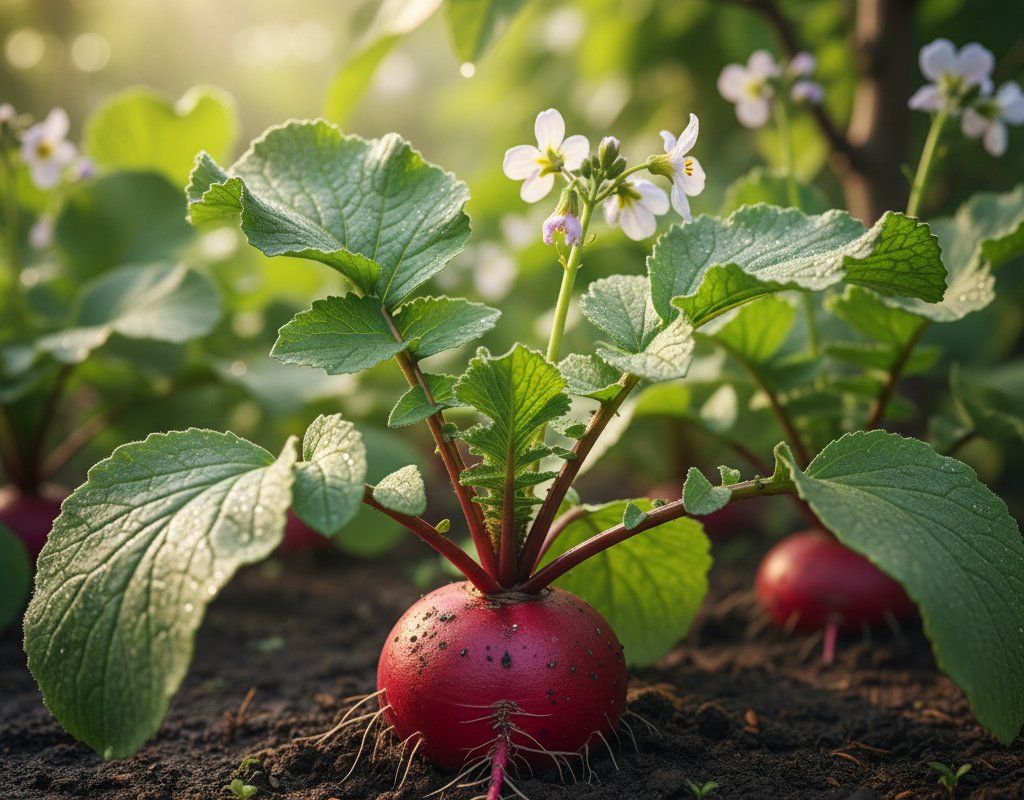
Radish in Zone 7B — Southeast
Raphanus sativus · Your Complete 2026 Planting Guide
Still Time to Sow!
The sowing window is still open for Radish.
Sow Seeds Soon
Fast-growing and easy. No reason to start indoors.
How to Plant Radish in Zone 7B — Southeast
Here are all your options for getting radish in the ground, from the easiest method to more advanced approaches.
Direct Sow Seeds
RecommendedMid February through early October
around February 20
Consider succession planting every 2-3 weeks for continuous harvest.
Fast-growing and easy. No reason to start indoors.
Buy Starts
Works WellMid February through early April
around February 20
Plant purchased starts after last frost (March 20).
Start Seeds Indoors
ChallengingThis plant is typically not started indoors.
Transplant Outdoors
Timing InfoMid February through early April
around February 20
Can tolerate light frost, but wait for soil to be workable.
You have a nice window — no need to rush.
Fall Planting
Mid September through mid October
September 29 ideal · Direct sow for fall harvest
Plant a second crop in mid-summer for fall harvest. Radish actually prefers the cooling temperatures of fall.
Overview
Radishes shine in our Southeast Zone 7B gardens, delivering crisp, peppery satisfaction in just 25 days from seed to harvest. With our generous 235-day growing season, you can enjoy multiple successions of these quick crops from late winter through fall, making them perfect for filling gaps between slower vegetables or satisfying that urge for immediate garden gratification in our sometimes impatient climate.
While our hot, humid summers and clay soil can challenge many crops, radishes actually benefit from our reliable afternoon thunderstorms and extended growing windows. The key is timing your plantings to avoid the peak summer heat and working with our natural rain patterns rather than against them.
Transplanting Outdoors
Radishes aren't typically transplanted since they mature so quickly and prefer direct sowing, but if you do start them indoors for an extra-early crop, you can transplant from mid-February through early April. Give seedlings a full week of hardening off, gradually increasing their outdoor exposure as our Southeast springs can swing from warm to chilly overnight.
Space transplants 2-4 inches apart in loose, well-draining soil - crucial with our heavy clay. The cooler temperatures during this transplant window work in your favor, but watch for late cold snaps that can send young radishes straight to seed. Honestly though, direct sowing is so much easier and more reliable with these fast growers.
Direct Sowing
Direct sowing is absolutely the way to go with radishes in our Southeast gardens. You can start sowing from mid-February when soil temperatures hit 40°F - well before our last frost in mid-March - and continue through early October for fall crops that mature before our first frost in early November. The soil doesn't need to be warm; these cold-hardy roots actually prefer cool growing conditions.
Prepare your planting area by loosening our clay soil to at least 6 inches deep, working in compost to improve drainage. Sow seeds ¼ inch deep and 2-4 inches apart - closer spacing for smaller varieties, wider for larger types. With their 25-day maturity, there's really no advantage to starting indoors when direct sowing is this simple.
The beauty of radishes is their speed and flexibility. You can tuck them between slower crops or use them as row markers for carrots and parsley. Our long growing season means you can make successive plantings every 2-3 weeks for continuous harvests, skipping the hottest months of July and August when they'll bolt quickly in our heat.
Watering Radish in Zone 7B (Southeast)
Radishes need consistent, even moisture to develop those crisp, mild roots we're after - drought stress turns them woody and fiery hot in a hurry. In our humid Southeast climate with 45-55 inches of annual rainfall, you'll need to balance natural precipitation with supplemental watering, especially during dry spells and our occasionally rainless stretches in late summer and fall.
Check soil moisture with the finger test: stick your finger 2 inches down, and if it's dry, it's time to water. During active growing periods, radishes need about 1 inch of water per week. Water at the base of plants rather than overhead - our high humidity makes wet foliage an invitation for fungal problems, and radishes' shallow roots make targeted watering more efficient anyway.
Our afternoon thunderstorms often provide plenty of moisture during spring and early fall, but be ready to supplement during hot spells or when plantings are young and establishing. Since radishes mature in just 25 days, consistent moisture throughout that short window is critical - you can't really recover from drought stress with these quick crops.
A thin layer of organic mulch helps retain moisture and keeps roots cool, but don't pile it thick against the plants in our humid climate where air circulation matters. Watch for signs of overwatering too - yellowing leaves or soft, mushy roots indicate too much moisture retention in our clay soil.
🧪Fertilizing Radish
Feeding Schedule
Organic Fertilizer Options
Harvest Time
Your first radishes will be ready from mid-March through mid-November, depending on when you planted. With their 25-day maturity, you'll see results fast - the shoulders start pushing above soil level when they're getting close. For spring radish varieties, pull them when they reach about 1 inch in diameter; cherry types can be smaller, while daikon and other winter radishes can grow much larger.
Don't wait too long once they size up - radishes left in the ground become woody, pithy, and increasingly hot. The window between perfect and past-prime can be just a few days, especially in warmer weather. Pull them by grasping the tops close to the soil surface and lifting straight up, or use a small garden fork to loosen clay soil first.
For successive harvests, pull every few radishes as needed rather than the whole row at once. This works especially well with our long growing season - you can keep several plantings going in different stages. As our first frost approaches in early November, harvest any remaining radishes regardless of size, as they won't store well in the ground once frozen.
Test a few radishes before harvesting the entire planting. Sometimes soil conditions, weather stress, or timing issues affect the whole crop, and it's better to know before pulling everything up. Good radishes should snap cleanly and feel solid, not spongy or hollow.
Common Problems in Zone 7B (Southeast)
Flea Beetles These tiny dark beetles create small round holes throughout radish leaves, looking like someone took a BB gun to your plants. The damage appears as a classic "shot-hole pattern," and you'll see the beetles jump when you disturb the plants. Young seedlings suffer the most damage and can be killed if the infestation is severe.
Our warm, humid Southeast climate creates ideal conditions for flea beetles, especially as temperatures rise in late spring and early summer. They overwinter in garden debris and emerge when soil warms, making early plantings particularly vulnerable.
Row covers during the vulnerable seedling stage work best, removing them once plants are established and can tolerate some leaf damage. For organic control, try kaolin clay coating or neem oil spray. Interplanting with basil or catnip can help deter them. The good news is that healthy, fast-growing radishes often outpace the damage.
Root Maggots Small white maggots tunnel through developing radish roots, creating brown channels and making them inedible. You might not notice the problem until harvest when you find ruined roots, though severely affected plants may wilt or grow poorly above ground.
These pests thrive in our moist Southeast conditions, with adult flies laying eggs near the base of plants. The maggots hatch and immediately begin feeding on roots, particularly problematic in clay soils that stay moist longer.
Prevention works better than treatment since the damage happens underground. Row covers during egg-laying periods help, or try placing cardboard collars around young plants. Crop rotation prevents buildup in the soil. Well-draining soil amendments help reduce the moist conditions these pests prefer.
Pithy Roots Radishes develop hollow, spongy centers instead of solid, crisp flesh, making them unpalatable and disappointing. The exterior may look fine, but the texture is completely wrong when you bite into them.
Hot weather, inconsistent watering, and leaving radishes in the ground too long all contribute to pithiness. Our Southeast heat waves can trigger this problem quickly, especially with spring plantings that encounter unexpected warm spells.
Plant during cooler periods, maintain consistent soil moisture, and harvest promptly once radishes reach size. Choose heat-tolerant varieties for late spring plantings, and focus on fall crops when temperatures are cooling rather than heating up.
Southeast Specific Challenges: Our hot, humid summers create a perfect storm for radish problems - heat stress leads to bolting and pithiness, while humidity promotes fungal issues and pest populations. The key is working with our climate by timing plantings for cooler weather and maintaining good air circulation around plants.
Best Companions for Radish
Plant these nearby for healthier Radish and better harvests.


Keep Away From
Companion Planting Details
Radishes make excellent companions for carrots, lettuce, peas, and cucumbers in our Southeast gardens. Plant them with carrots to break up clay soil and mark slow-germinating carrot rows - the radishes will be harvested before carrots need the space. Lettuce appreciates the light shade from radish tops during warm spells, while peas and radishes both prefer our cooler growing windows and similar moisture needs.
Cucumbers benefit from radishes as a trap crop for cucumber beetles, and the quick radish harvest clears space just as cucumber vines start spreading. Avoid planting radishes near hyssop, which can inhibit their growth and affect flavor development. In our humid climate, good air circulation between companion plants becomes even more important for preventing fungal problems.
🌸Best Flowers to Plant with Radish
These flowers protect your Radish from pests and attract pollinators for better harvests.



Get a Reminder When It's Time to Plant
We'll email you when key planting windows open for your zone.