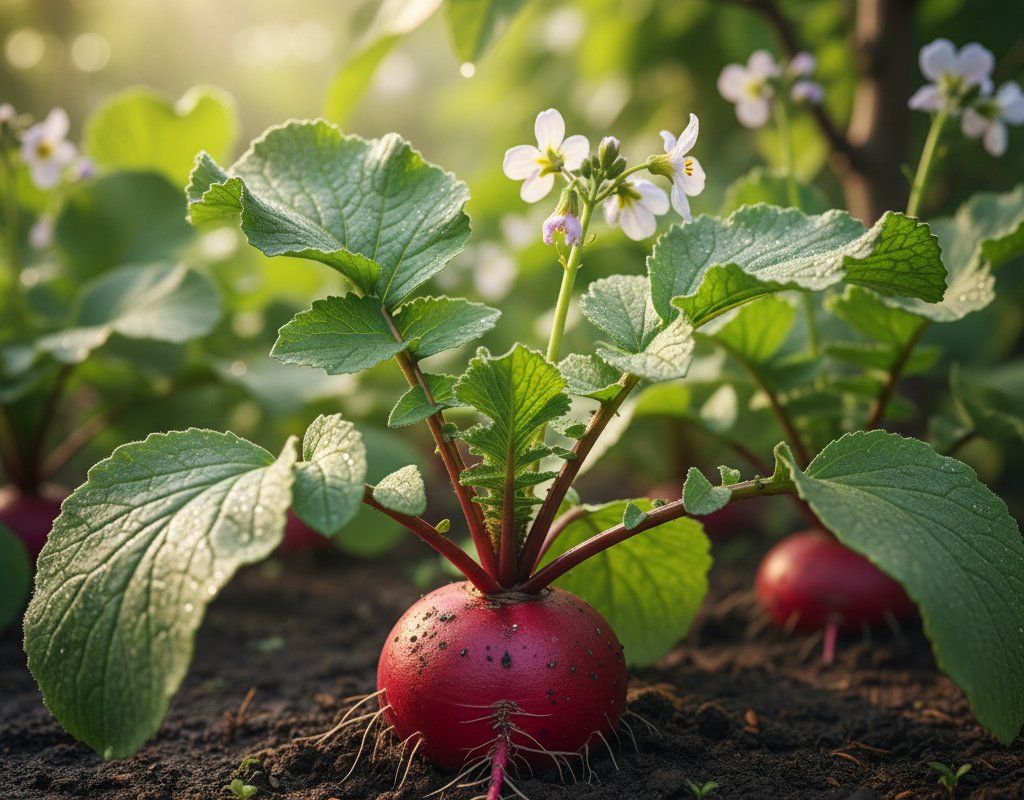
Radish in Zone 8A — Northern California
Raphanus sativus · Your Complete 2026 Planting Guide
Still Time to Sow!
The sowing window is still open for Radish.
Sow Seeds Soon
Fast-growing and easy. No reason to start indoors.
How to Plant Radish in Zone 8A — Northern California
Here are all your options for getting radish in the ground, from the easiest method to more advanced approaches.
Direct Sow Seeds
RecommendedEarly February through mid October
around February 10
Consider succession planting every 2-3 weeks for continuous harvest.
Fast-growing and easy. No reason to start indoors.
Buy Starts
Works WellEarly February through late March
around February 10
Plant purchased starts after last frost (March 10).
Start Seeds Indoors
ChallengingThis plant is typically not started indoors.
Transplant Outdoors
Timing InfoEarly February through late March
around February 10
Can tolerate light frost, but wait for soil to be workable.
You have a nice window — no need to rush.
Fall Planting
Late September through late October
October 9 ideal · Direct sow for fall harvest
Plant a second crop in mid-summer for fall harvest. Radish actually prefers the cooling temperatures of fall.
Overview
Radishes are the perfect starter crop for Northern California's Mediterranean climate, giving you crisp, peppery roots in just 25 days. With our mild winters and year-round growing potential, you can enjoy fresh radishes from early spring clear through late fall, making multiple plantings for continuous harvest. They're one of the fastest vegetables you can grow, perfect for kids and impatient gardeners alike.
Our dry summers and occasional water restrictions might seem challenging, but radishes are actually ideal for our climate if you time them right. With a 255-day growing season, you have flexibility to plant around the hottest months and focus on spring, fall, and even winter crops when temperatures are perfect for these cool-season favorites.
Transplanting Outdoors
While radishes can be transplanted, it's rarely worth the effort since they mature so quickly from seed. If you do choose to transplant, start seeds indoors 2-3 weeks before your target planting date between early February through late March. Use biodegradable pots to avoid disturbing the taproot.
Harden off seedlings gradually over a week, starting with 2-3 hours of morning sun and increasing daily exposure. In Northern California's changeable late winter weather, watch for those surprise warm spells that can stress young transplants.
Space transplants 2-4 inches apart in loose, well-draining soil. Plant them at the same depth they were growing in their containers, and water gently to settle the roots without creating soil compaction.
Direct Sowing
Direct sowing is definitely the way to go with radishes—they're fast, easy, and hate root disturbance anyway. You can plant from early February through mid-October in our Northern California climate, with the best results in spring and fall when temperatures stay moderate.
Prepare your soil by loosening it to at least 6 inches deep and working in some compost. Radishes aren't fussy about soil temperature since they're frost-hardy, but they do need loose earth for proper root development. Sow seeds ½ inch deep and 2-4 inches apart, or broadcast them and thin later.
The beauty of radishes is their speed—you'll see germination in just 3-5 days, and you can succession plant every 2 weeks for continuous harvest. Skip the hottest summer months unless you're in a cool microclimate near the coast where morning fog provides natural air conditioning.
Watering Radish in Zone 8A (Northern California)
Even moisture is absolutely critical for radishes in Northern California's dry climate. These fast-growing roots need consistent water to stay crisp and mild—let them dry out and you'll get woody, fiery-hot radishes that'll clear your sinuses. With our low humidity and dry summers, you'll need to stay on top of watering more than gardeners in humid regions.
Check soil moisture daily by sticking your finger 2 inches down. In spring and fall, you'll likely need to water every 2-3 days, providing about 1 inch of water per week. During our hotter spells, daily watering might be necessary. Water at the base of plants rather than overhead—our low humidity means foliar diseases aren't a major concern, but ground-level watering is more efficient.
Watch for signs of stress: wilted leaves in the morning (not just afternoon heat stress) means you're behind on watering, while yellowing leaves often indicate overwatering in our clay soils. Since radishes are ready in less than a month, consistent moisture throughout their short life cycle makes the difference between success and disappointment.
A thin layer of mulch helps retain moisture during our dry periods, but keep it light—these shallow roots need good air circulation. Organic matter like compost worked into the soil before planting helps retain moisture naturally while improving drainage in heavier soils.
🧪Fertilizing Radish
Feeding Schedule
Organic Fertilizer Options
Harvest Time
Your first radishes will be ready early March through late November, depending on when you planted. Spring radishes mature fastest in our cool, mild weather, while summer plantings (if you're brave enough) grow more slowly in the heat. Fall crops often produce the sweetest, mildest radishes as temperatures cool.
Check for readiness by looking for shoulders pushing up above the soil surface—this is your cue that the roots are sizing up. Pull one to check: spring radishes are best at about 1 inch diameter, while larger winter varieties can go up to 2-3 inches. Don't wait too long once they're ready, as they'll quickly become woody and bitter in our dry climate.
Harvest by grasping the leaves close to the soil and pulling straight up with a gentle twisting motion. Morning is the best time when plants are fully hydrated from overnight moisture. If the soil is hard, water the day before harvesting to make pulling easier.
As our first frost approaches in mid-November, harvest any remaining radishes. Unlike some root crops, radishes won't sweeten with frost—they'll just get mushy. The good news is that our long growing season means you can often squeeze in one more quick succession planting in late September for Thanksgiving harvest.
Common Problems in Zone 8A (Northern California)
Flea Beetles These tiny, dark jumping beetles create small round holes throughout the leaves, giving them a shot-hole appearance. You'll see the most damage on young seedlings, and the beetles literally jump away when you approach the plants. In Northern California's warm, dry conditions, flea beetles are most active during spring and early summer.
The cause is these small jumping beetles that love brassica family plants, and they're particularly drawn to stressed plants. Our hot, dry microclimates can stress young radishes, making them more susceptible. Prevention works better than treatment: use lightweight row covers during the vulnerable seedling stage, or delay planting until plants can establish quickly. Healthy, vigorous plants typically outgrow the damage.
Root Maggots If your radish roots have tunnels and are riddled with small white maggots, you're dealing with root maggots. The tops may look fine while the roots become inedible. This is more common during cool, moist periods in our spring and fall growing seasons.
These are the larvae of small flies that lay eggs at the base of plants, particularly in soil rich with organic matter. Crop rotation helps, as does delaying planting until soil warms up. Row covers during egg-laying periods (early spring and fall) provide good protection. Remove and destroy affected plants immediately.
Pithy Roots Radishes that look normal from the outside but are dry, woody, or hollow inside are suffering from inconsistent watering or being left in the ground too long. This is especially common in our Mediterranean climate with its dry periods and temperature swings.
The cause is usually water stress followed by rapid growth when moisture returns, or simply leaving radishes in the ground past their prime. Our clay soils can compound the problem by creating uneven moisture. The fix is consistent watering throughout the short growing period and harvesting promptly when radishes reach size.
Northern California Specific Challenges: Our moderate-to-hot summer heat combined with low humidity and dry conditions creates unique stress on these fast-growing crops. The key is timing plantings to avoid the hottest periods and maintaining consistent moisture in our naturally dry climate. Many problems that plague radishes in humid regions are less concerning here, but water management becomes absolutely critical for success.
Best Companions for Radish
Plant these nearby for healthier Radish and better harvests.


Keep Away From
Companion Planting Details
Radishes make excellent companions for carrots, lettuce, and peas in Northern California gardens. Plant them between carrot rows—the radishes break up soil for the slower carrots and are harvested before the carrots need the space. Lettuce and radishes share similar watering needs and timing, making them natural partners for our dry climate where efficient water use matters.
Peas and radishes work well together in spring plantings since peas fix nitrogen that benefits the radishes, while the radishes help break up soil around pea roots. Avoid planting radishes near hyssop, which can inhibit their growth and actually make the roots more bitter—something you definitely don't want in our already stress-prone dry climate where radishes can turn fiery if conditions aren't ideal.
🌸Best Flowers to Plant with Radish
These flowers protect your Radish from pests and attract pollinators for better harvests.


Get a Reminder When It's Time to Plant
We'll email you when key planting windows open for your zone.