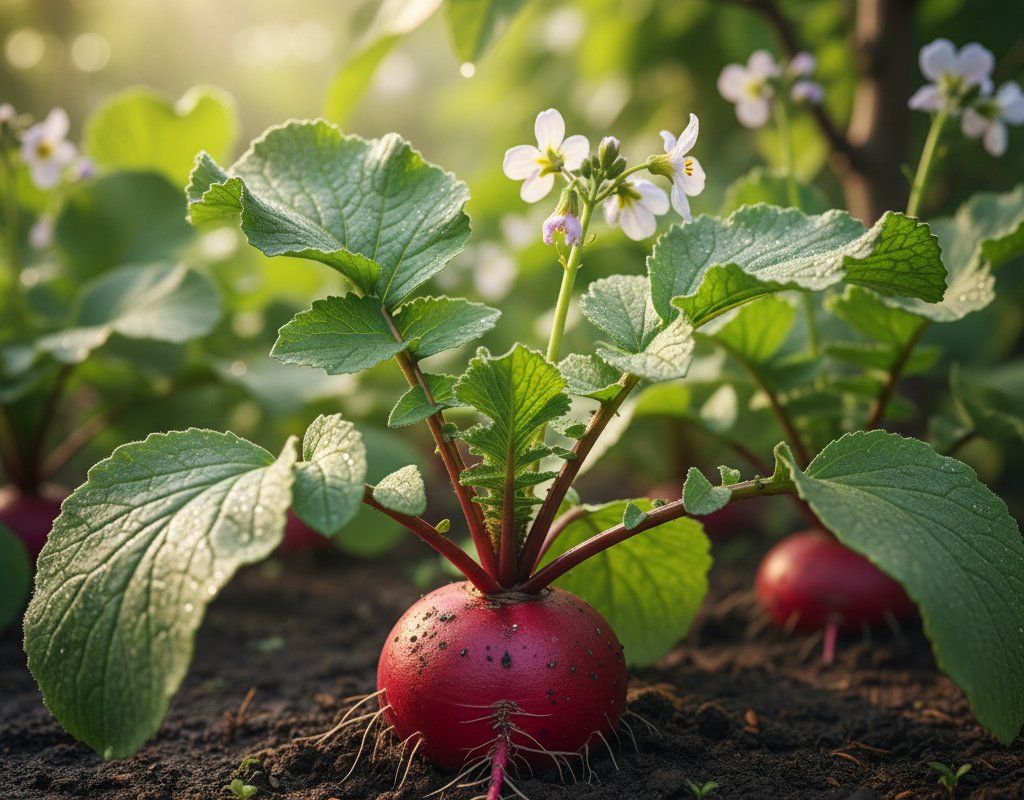
Radish in Zone 8A — Pacific Northwest
Raphanus sativus · Your Complete 2026 Planting Guide
Planning Ahead — Great!
You’re ahead of the season. Here’s when to start.
Mark Your Calendar
How to Plant Radish in Zone 8A — Pacific Northwest
Here are all your options for getting radish in the ground, from the easiest method to more advanced approaches.
Direct Sow Seeds
RecommendedMid March through late September
around March 13
Consider succession planting every 2-3 weeks for continuous harvest.
Fast-growing and easy. No reason to start indoors.
Buy Starts
Works WellMid March through late April
around March 13
Plant purchased starts after last frost (April 10).
Start Seeds Indoors
ChallengingThis plant is typically not started indoors.
Transplant Outdoors
Timing InfoMid March through late April
around March 13
Can tolerate light frost, but wait for soil to be workable.
You have a nice window — no need to rush.
Fall Planting
Early September through early October
September 18 ideal · Direct sow for fall harvest
Plant a second crop in mid-summer for fall harvest. Radish actually prefers the cooling temperatures of fall.
Overview
Radishes shine in our Pacific Northwest gardens, delivering crisp, peppery satisfaction in just 25 days from seed to harvest. Our mild summers and cool nights create perfect conditions for these fast-growing roots, producing tender, flavorful radishes without the harsh bite that hot climates often create. You can enjoy fresh radishes from early spring through late fall, making them one of the most rewarding quick crops for PNW gardeners.
While our wet springs can make early sowings a bit tricky and cool soil temperatures slow germination, radishes are incredibly forgiving once you understand the timing. With our generous 203-day growing season, you have multiple opportunities for succession planting, ensuring a steady supply of crisp radishes throughout the year.
Transplanting Outdoors
While radishes can be transplanted, it's rarely worth the effort since they grow so quickly from direct seeding. If you do choose to transplant seedlings started indoors, plan to move them outdoors from mid-March through late April once they're about 2 inches tall.
Give seedlings a full week of gradual hardening off, starting with 2-3 hours of filtered outdoor light and gradually increasing exposure. Our unpredictable spring weather can shift from mild to surprisingly cold overnight, so watch the forecast closely during this transition period.
Space transplants 2-4 inches apart in rows, being extra gentle with the taproot since radishes don't recover well from root damage. The overcast spring days common in our region actually help transplants establish without shock, but you'll still get better, straighter roots from direct seeding.
Direct Sowing
Direct sowing is absolutely the way to go with radishes in the Pacific Northwest. You can sow from mid-March through late September, giving you an incredibly long window for successive plantings every 2-3 weeks. Start your first sowings when soil temperatures reach 45°F, which typically happens in mid-March as our wet spring weather begins to moderate.
Prepare your beds with loose, well-draining soil since radishes need to push through easily to form proper roots. Our heavy clay soils benefit from added compost or coarse sand to prevent compaction. Sow seeds ½ inch deep and 2-4 inches apart in rows, or scatter them in wide beds and thin to proper spacing once they emerge.
The beauty of radishes is their speed – you'll see germination in just 3-7 days once soil warms up. Our cool spring mornings actually help prevent bolting, and the mild temperatures throughout our growing season mean you can keep sowing well into September for fall harvests.
Watering Radish in Zone 8A (Pacific Northwest)
Consistent moisture is absolutely critical for radishes in our dry-summer Pacific Northwest climate. Unlike many vegetables that can handle some drought, radishes quickly become pithy and fiery-hot when stressed for water. With only 25-30 days from seed to harvest, every day counts for maintaining that crisp, mild flavor we're after.
During our wet spring months, you might not need to water much beyond what nature provides. But once our dry summer months arrive, typically by late June, you'll need to provide about 1 inch of water per week. Check soil moisture by pushing your finger 2 inches down – if it's dry at that depth, it's time to water deeply.
Water at soil level rather than overhead to avoid encouraging fungal issues, especially during our humid spring conditions. Our mild summer temperatures (rarely above 90°F) mean you won't lose as much moisture to evaporation as gardeners in hotter climates, but the dry air still pulls moisture from both soil and leaves. A thin layer of organic mulch helps retain soil moisture without creating the slug habitat that thicker mulch can become in our climate.
Signs of underwatering include woody, hot-tasting roots and premature bolting. Overwatering shows up as split roots and increased susceptibility to root rot. The key is steady, consistent moisture rather than feast-or-famine cycles that stress these fast-growing crops.
🧪Fertilizing Radish
Feeding Schedule
Organic Fertilizer Options
Harvest Time
Your first radishes will be ready for harvest surprisingly early – expect to pull your first spring plantings by early April if you sowed in mid-March. The telltale sign is when the radish shoulders start pushing above the soil surface and the roots reach about 1 inch in diameter for standard varieties like Cherry Belle.
Pull radishes promptly when they reach maturity since they don't hold well in the ground. Unlike some vegetables that improve with time, radishes quickly become woody, pithy, and overly pungent if left too long. Our cool nights help extend the harvest window slightly, but don't push it beyond a week past peak ripeness.
Harvest by grasping the leaves close to the soil and pulling straight up with a gentle twisting motion. If the tops break off, use a fork to carefully lift the root from the soil. The crisp snap when you break a fresh radish in half tells you everything about its quality – it should be juicy and mild, not dry or fiery.
As late October approaches and our first frost threatens, harvest all remaining radishes regardless of size. Unlike some root crops that can handle light frost, radish quality deteriorates quickly once frozen. Store harvested radishes in the refrigerator with tops removed – they'll keep crisp for several weeks.
Common Problems in Zone 8A (Pacific Northwest)
Flea Beetles Tiny round holes scattered across radish leaves in a characteristic shot-hole pattern signal flea beetle damage. These small, dark beetles jump like fleas when disturbed and can quickly destroy young seedlings in our region. Cool spring temperatures often delay their emergence, but once our weather warms in late spring, they become active.
Flea beetles target all brassica family crops and cause the most damage to tender young plants. Row covers during the vulnerable seedling stage provide excellent protection, and our mild temperatures make covering feasible without overheating plants. Kaolin clay dusting also works well, and interplanting with basil or catnip can help deter them naturally.
Root Maggots Small white maggots tunneling through radish roots create brown, slimy channels that ruin the crop entirely. These pests are the larvae of flies that lay eggs at the base of brassica plants, and our cool, moist spring conditions can favor their development. Affected radishes become inedible and often develop secondary rot.
Root maggot flies are attracted to the smell of freshly disturbed soil around brassica roots. Use row covers immediately after seeding to prevent adult flies from laying eggs. Beneficial nematodes applied to soil can help control larvae, and rotating brassica crops to different garden areas each year breaks the pest cycle.
Pithy Roots Radishes that develop dry, spongy centers instead of crisp, juicy flesh have gone "pithy" – a common problem when growth conditions aren't optimal. In our region, this often happens during unexpected warm spells in late spring or when summer heat arrives earlier than usual, causing rapid maturation and internal breakdown.
Inconsistent watering is the primary cause of pithy roots, especially during our transition from wet spring to dry summer weather. Maintain steady soil moisture and harvest promptly when radishes reach maturity. Plant heat-resistant varieties for summer sowings, and time plantings to mature during our cooler periods for best texture and flavor.
Pacific Northwest Specific Challenges: Our region's shift from wet springs to dry summers can stress radishes if watering isn't adjusted accordingly. The mild summer temperatures actually help prevent many heat-stress problems common in other zones, but our dry air and intense afternoon sun during clear weather can still cause moisture stress quickly in these fast-growing crops.
Best Companions for Radish
Plant these nearby for healthier Radish and better harvests.

Keep Away From
Companion Planting Details
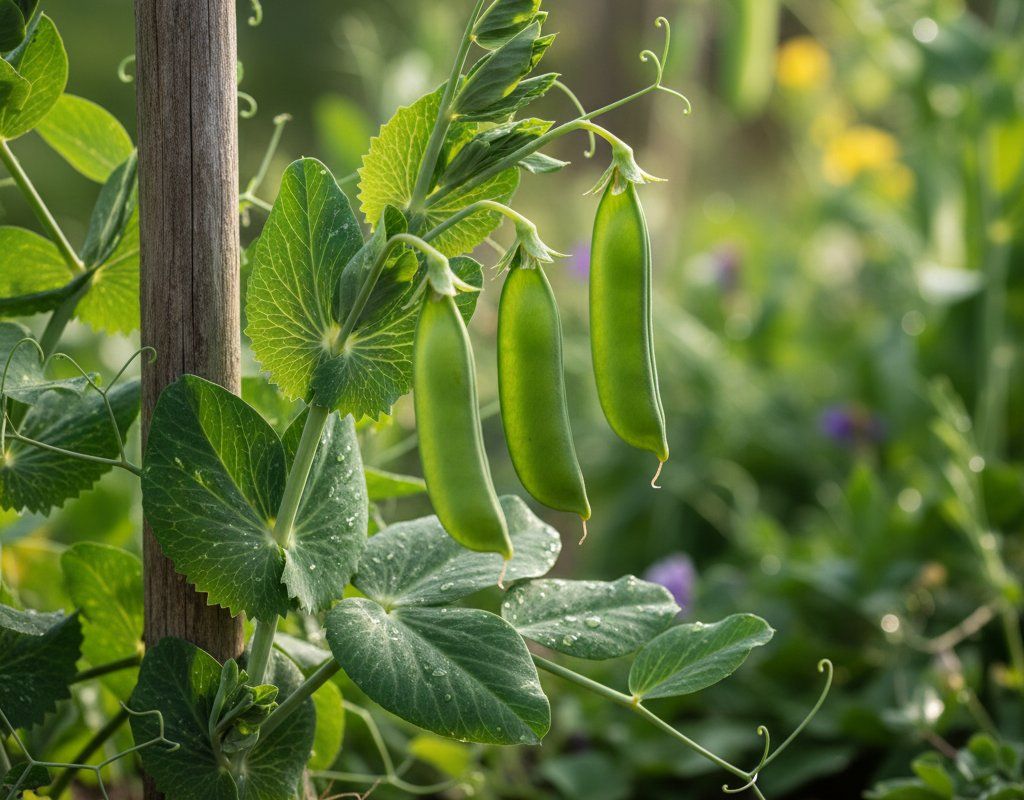
Radishes make excellent companions for carrots in Pacific Northwest gardens – the quick-growing radishes break up soil for the slower carrots while marking rows during germination. Plant lettuce nearby to take advantage of the light shade radish tops provide during our occasionally intense summer sun. Peas work particularly well as companions since their nitrogen-fixing ability benefits the radish crop, and both thrive in our cool spring conditions.
Cucumbers appreciate radishes planted around their base since radish roots help aerate the soil and the peppery scent may deter cucumber beetles. However, avoid planting near hyssop, which can inhibit radish growth and flavor development. The diverse timing of these companions works well with our long growing season, allowing you to succession plant radishes while maintaining beneficial relationships throughout the garden.
🌸Best Flowers to Plant with Radish
These flowers protect your Radish from pests and attract pollinators for better harvests.



Get a Reminder When It's Time to Plant
We'll email you when key planting windows open for your zone.