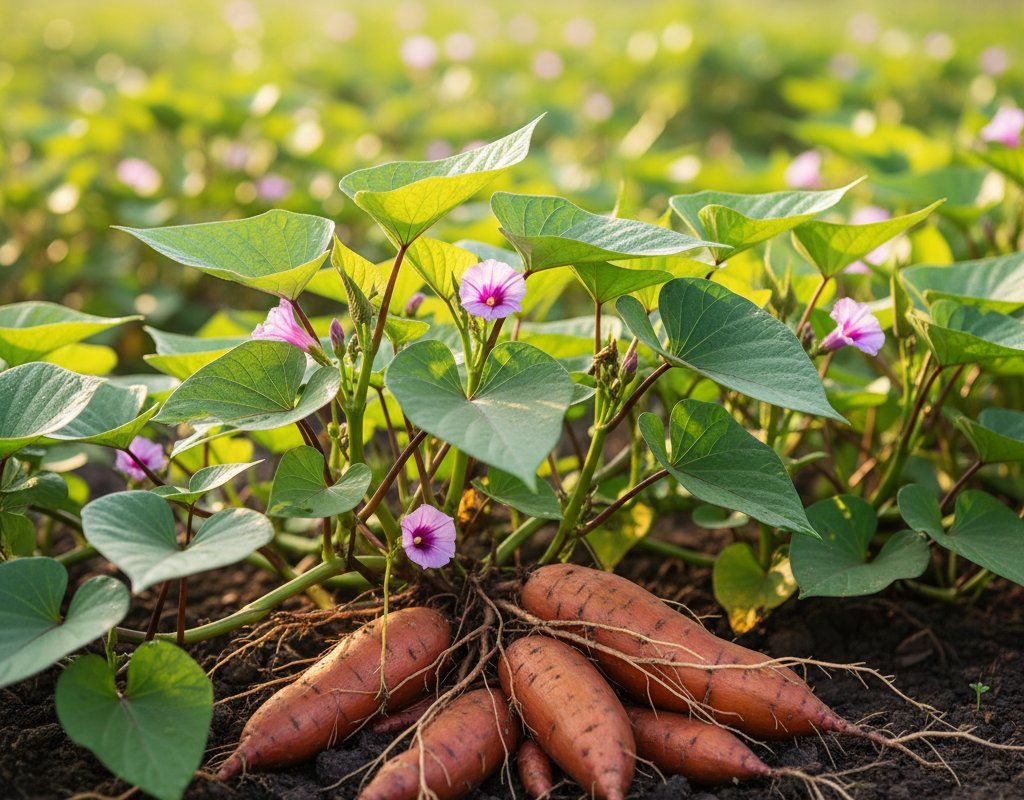
Sweet Potato in Zone 8A — Pacific Northwest
Ipomoea batatas · Your Complete 2026 Planting Guide
Ideal Time: Start Seeds Indoors!
This is the perfect time for the biggest, best harvest.
Start Seeds Now
- Start seeds in trays or pots with seed-starting mix
- Keep soil moist and warm (70-80°F)
- Transplant outdoors Early to late May
Not Starting from Seed?
Buy starts around May 1 — that works great too!
How to Plant Sweet Potato in Zone 8A — Pacific Northwest
Here are all your options for getting sweet potato in the ground, from the easiest method to more advanced approaches.
Buy Starts
RecommendedEarly to late May
around May 1
Plant purchased starts after last frost (April 10).
Plant slips (rooted sprouts) after soil is warm. Buy slips or grow your own from a sweet potato.
Start Seeds Indoors
Works WellLate February through mid March
around March 6
Then transplant: Early to late May
Start seeds 8-10 weeks before transplanting outdoors.
Direct Sow Seeds
ChallengingDirect sowing is not typical for Sweet Potato.
Transplant Outdoors
Timing InfoEarly to late May
around May 1
Wait until nighttime temperatures stay above 50°F.
Plan to transplant within a few weeks of your target date.
Overview
Sweet potatoes bring something special to Pacific Northwest gardens—their naturally sweet, creamy flesh develops incredible flavor in our cool nights, and they're surprisingly well-suited to our mild summer climate. Unlike their white potato cousins, sweet potatoes actually prefer our moderate heat and rarely struggle with the temperature swings that can stress other warm-season crops. You'll find they store beautifully through our wet winters, giving you homegrown nutrition when fresh garden produce is scarce.
Growing sweet potatoes here does require some patience, since they need warm soil and a long season to develop those perfect tubers. Our cool spring soils can delay planting, and you'll need the full 203-day growing season to get a good harvest. But with proper timing and a sunny spot in your garden, you can absolutely grow these nutritious vines successfully in Zone 8A.
Starting Seeds Indoors
Starting sweet potatoes from seed isn't the most common approach—most gardeners work with slips (rooted sprouts) instead. However, if you're growing specialty varieties or want the full seed-to-harvest experience, you can start seeds indoors from late February through mid-March, about 8 weeks before transplanting.
Sweet potato seeds need consistent warmth to germinate, so set up your seed trays with a heat mat if possible. Our overcast spring days don't provide much natural warmth, making bottom heat especially important. Use a quality seed starting mix and keep it consistently moist with bottom watering—sweet potato seedlings are sensitive to both drought and waterlogged conditions.
The slow start of our Pacific Northwest spring actually works in your favor here, giving you time to grow strong seedlings without rushing to transplant them into still-cool soil. Keep them under grow lights or in your sunniest window, and don't worry if growth seems slow—sweet potatoes naturally take their time early in the season.
Transplanting Outdoors
Plan to transplant your sweet potato slips from early to late May, once soil temperatures consistently stay above 60°F and night temperatures reliably stay above 50°F. Our cool spring soil can be challenging for warm-season crops, so wait for that soil warmth even if the calendar says it's time—sweet potatoes simply won't establish in cold ground.
Harden off your slips or seedlings gradually over a full week, starting with just a few hours of morning sun and working up to full outdoor exposure. Space them 12-18 inches apart in your sunniest garden spot, as they need every bit of heat our mild summers can provide. Plant them slightly deeper than they were growing in their containers, burying about two-thirds of the stem to encourage strong root development.
Most Pacific Northwest gardeners find it easier to purchase slips from reputable suppliers rather than starting from seed, since the timing works better with our climate. Whether you grow your own or buy them, make sure the soil is thoroughly warm before transplanting—a few extra days of waiting can make the difference between thriving plants and struggling ones.
Watering Sweet Potato in Zone 8A (Pacific Northwest)
Sweet potatoes appreciate consistent but moderate watering once established, and they're actually quite drought-tolerant compared to many garden vegetables. During our dry summer months, aim for about 1 inch of water per week, checking soil moisture with the finger test—stick your finger 2 inches deep, and water when the soil feels dry at that depth.
In the Pacific Northwest's dry-summer climate, you'll do most of your watering from mid-June through September. Our low humidity means water evaporates quickly from the soil surface, but sweet potato vines develop extensive root systems that can reach deeper moisture. Water at the base of the plants rather than overhead—this prevents water waste and keeps the foliage dry, which is always wise in our region.
Watch for signs of stress during any unexpected heat waves we might get. Leaves will wilt slightly during the hottest part of the day (even when soil moisture is adequate), but they should perk up in the evening as temperatures cool. Overwatering shows up as yellowing leaves and sluggish growth, while severely under-watered plants develop brittle, brown leaf edges.
About 3-4 weeks before your planned harvest, reduce watering significantly to help concentrate sugars in the developing tubers. A 2-3 inch layer of organic mulch helps maintain even soil moisture throughout the season and reduces your watering workload during our typically dry summers.
🧪Fertilizing Sweet Potato
Feeding Schedule
Organic Fertilizer Options
Harvest Time
Your sweet potatoes will be ready for harvest from early August through mid-September, depending on when you transplanted and which variety you're growing. The 100-day maturity period puts most harvests right in the sweet spot of late summer, before our first frost typically arrives in late October.
Look for several signs that your sweet potatoes are ready: the vines start to yellow and decline, the leaves may show some browning at the edges, and small cracks might appear in the soil where tubers are pushing up from below. Unlike many crops, sweet potatoes don't give you obvious external signs of ripeness—you'll often need to carefully dig around one plant to check tuber size and development.
Harvest by digging carefully with a garden fork, working from the outside of the vine spread inward. Sweet potato tubers can extend surprisingly far from the main plant, and they're easily damaged by digging tools. Brush off soil gently but don't wash them—any cuts or scrapes in the skin will reduce storage life.
Time your harvest for a dry day if possible, and plan to finish before our fall rains begin in earnest. Once you've dug them up, they need to cure in a warm (80-85°F), humid place for 1-2 weeks to develop their full sweetness and storage potential. After curing, they'll keep for months in a cool, dark place—perfect for eating throughout our wet Pacific Northwest winter.
Common Problems in Zone 8A (Pacific Northwest)
Sweet Potato Weevils These small, dark beetles create pin-sized holes in tubers and can tunnel through the flesh, leaving brown trails and ruining your harvest. Adult weevils are about 1/4 inch long with a distinctive snout, and you might notice them on the vines during warm afternoons. The larvae do the real damage, burrowing into developing tubers underground where you can't see the problem until harvest. Crop rotation is your best defense—don't plant sweet potatoes in the same spot for 3-4 years, and remove all plant debris thoroughly after harvest since weevils can overwinter in old roots.
Wireworms These slender, yellowish-brown larvae create perfectly round holes about the size of a pencil lead in sweet potato tubers. You might not notice the damage until harvest, when you'll find tubers riddled with tunnels that make them unmarketable. Wireworms are actually click beetle larvae and thrive in soil that's been in grass or weeds for several seasons. Cultivate your sweet potato bed thoroughly in spring and consider planting a trap crop of corn or wheat nearby—wireworms prefer these to sweet potatoes and you can destroy the trap crop before they move to your main planting.
Cracking Sweet potato tubers can develop splits in their skin, either in circles around the tuber or as lines radiating from one end. While not always harmful to the flesh inside, these cracks can let in rot-causing bacteria and fungi, especially during our wet fall weather. Heavy watering or rainfall after a dry period causes tubers to absorb water faster than their skins can expand. Maintain consistent soil moisture through mulching and regular watering during our dry summer months, and harvest promptly when tubers are mature rather than leaving them in the ground longer than necessary.
Pacific Northwest Specific Challenges Our cool soil temperatures in spring can delay establishment and make sweet potatoes more susceptible to soil-borne diseases early in the season. The relatively short heat period of our mild summers means sweet potatoes don't always reach their full potential, so choose varieties bred for shorter seasons when possible. While our dry summer climate reduces many disease pressures, slugs can be problematic during wet springs and falls, occasionally damaging young transplants or creating entry points for disease in mature tubers.
Best Companions for Sweet Potato
Plant these nearby for healthier Sweet Potato and better harvests.


Keep Away From
Companion Planting Details
Sweet potatoes make excellent companions for beans and corn in a Pacific Northwest three sisters-style planting. The beans fix nitrogen that sweet potato vines can use for healthy foliage growth, while corn provides some afternoon shade during any unexpected heat waves we might experience. Sweet potato vines spread widely and create a living mulch that helps retain moisture in our dry summer soil, benefiting all three crops. The timing works well too—you can harvest sweet potatoes in late summer while corn and beans are finishing up their season.
Avoid planting sweet potatoes near heavy feeders like tomatoes or squash, as competition for nutrients can reduce tuber development. The sprawling vines also need plenty of room to spread—about 3-4 feet in each direction—so companion plants should be tall enough not to be overwhelmed by the vine growth or planted far enough away to avoid shading competition.
🌸Best Flowers to Plant with Sweet Potato
These flowers protect your Sweet Potato from pests and attract pollinators for better harvests.
For Pest Control




Get a Reminder When It's Time to Plant
We'll email you when key planting windows open for your zone.