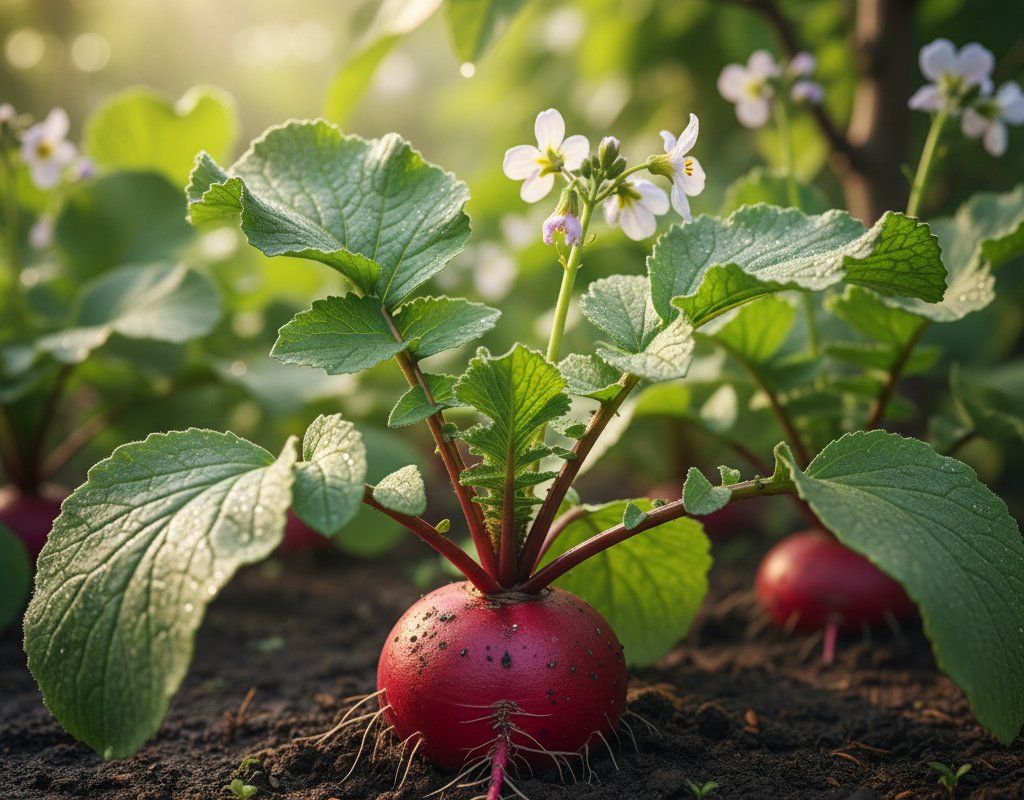
Radish in Zone 9B — Texas
Raphanus sativus · Your Complete 2026 Planting Guide
Harvest Time!
Your Radish should be producing now!
Harvest Tips
Check size by brushing soil away from crown. Pull when ready.
How to Plant Radish in Zone 9B — Texas
Here are all your options for getting radish in the ground, from the easiest method to more advanced approaches.
Direct Sow Seeds
RecommendedEarly January through early November
around January 8
Consider succession planting every 2-3 weeks for continuous harvest.
Fast-growing and easy. No reason to start indoors.
Buy Starts
Works WellEarly January through mid February
around January 8
Plant purchased starts after last frost (February 5).
Start Seeds Indoors
ChallengingThis plant is typically not started indoors.
Transplant Outdoors
Timing InfoEarly January through mid February
around January 8
Can tolerate light frost, but wait for soil to be workable.
You have a nice window — no need to rush.
Fall Planting
Mid October through mid November
October 29 ideal · Direct sow for fall harvest
Plant a second crop in mid-summer for fall harvest. Radish actually prefers the cooling temperatures of fall.
Overview
Radishes are perfect for Texas gardeners who want quick gratification in their unpredictable climate. These crisp, peppery roots mature in just 25 days, giving you multiple harvests throughout our long 308-day growing season. While most crops struggle with our extreme heat, radishes thrive in the cooler months and can even handle light frost, making them ideal for fall and winter gardens when many vegetables are done.
The key to radish success in Texas is timing around our brutal summer heat and working with our unpredictable weather patterns. With proper planning, you can enjoy fresh radishes from late winter through early summer, then again from fall through winter. Our mild winters mean you can grow radishes when gardeners up north are buried under snow.
Transplanting Outdoors
While you can transplant radish seedlings, it's rarely necessary since they grow so quickly from seed. If you do have seedlings to transplant, the window runs from early January through mid-February when soil temperatures are cool and plants won't bolt immediately.
Give transplants a full week of hardening off, gradually increasing their outdoor exposure. Space them 2-4 inches apart in loose, well-draining soil. The biggest challenge during transplant season is our unpredictable weather - a warm spell can trigger bolting, while an unexpected freeze can damage tender seedlings.
Since radishes mature so fast and transplant shock can affect root development, direct seeding is almost always the better choice for Texas gardeners.
Direct Sowing
Direct sowing is the preferred method for radishes in Texas, and for good reason - they germinate quickly and don't like their roots disturbed. You have a generous planting window from early January through early November, avoiding only the hottest summer months when they'll bolt immediately.
Prepare loose, well-draining soil by working in some compost, but avoid fresh manure which causes forked roots. Plant seeds ½ inch deep and 2-4 inches apart when soil temperature is between 45-65°F. In our Texas climate, this means focusing on fall through spring plantings when temperatures cooperate.
The beauty of radishes is their speed - you'll see germination in 3-5 days and harvest in less than a month. This makes them perfect for succession planting every two weeks during the cooler months, ensuring a continuous supply of crisp roots without fighting the Texas heat.
Watering Radish in Zone 9B (Texas)
Consistent moisture is absolutely critical for radishes in our Texas climate. These fast-growing roots need steady water to develop properly - drought stress turns them pithy and fiery hot instead of crisp and mildly peppery. With only 25 days from seed to harvest, there's no time to recover from watering mistakes.
During the cooler months when you'll be growing radishes, aim for about 1 inch of water per week. Our unpredictable rainfall means you'll need to supplement regularly - use the finger test to check soil moisture 2 inches deep. When the top inch feels dry, it's time to water deeply at the base of plants rather than overhead, especially during humid periods that can encourage disease.
Summer heat makes radish growing nearly impossible, but if you're pushing the season in early summer or late fall, increase watering frequency without making soil soggy. Watch for signs of stress: wilting during the day (underwatering) or yellowing leaves with soft soil (overwatering). A thin layer of mulch helps retain moisture during those transitional months when temperatures fluctuate wildly.
The variable humidity in Texas means adjusting your approach seasonally. During dry spells, you might need to water every other day, while during humid periods, less frequent deep watering prevents root rot and keeps soil from staying too wet.
🧪Fertilizing Radish
Feeding Schedule
Organic Fertilizer Options
Harvest Time
Your first radishes will be ready from early February through mid-December, depending on when you planted. At 25 days from seeding, start checking for shoulders pushing above the soil surface - this is your cue that roots are sizing up below ground.
Pull radishes when they reach about 1 inch in diameter for the best flavor and texture. Grab the leaves close to the ground and pull straight up with a gentle twist. Don't leave them in the ground too long thinking they'll get bigger - oversized radishes become woody and lose their crisp snap that makes them so appealing.
Unlike tomatoes, radishes won't continue ripening once pulled, so timing is everything. Check your patch daily once they start sizing up because they can go from perfect to pithy quickly, especially if temperatures spike unexpectedly.
As your first frost approaches in early December, harvest any remaining radishes since they won't survive hard freezes. The good news is that with proper succession planting, you'll have enjoyed multiple harvests throughout the season rather than one big glut.
Common Problems in Zone 9B (Texas)
Flea Beetles Tiny round holes that look like someone used a shotgun on your radish leaves signal flea beetles. These small, dark beetles jump when you disturb the plants and can quickly defoliate young seedlings. The damage is mostly cosmetic since you're growing radishes for the roots, but severe infestations can weaken plants.
These jumping pests thrive in our warm Texas weather and attack plants in the brassica family. They're worst on young, tender seedlings and become less of a problem as plants mature. Row covers during the first few weeks after germination provide excellent protection. You can also try kaolin clay dust or interplant with basil, which seems to confuse them.
Root Maggots Tunnels and brown scars on your radish roots indicate root maggots, the larvae of small flies that lay eggs near plant stems. Affected radishes are usually still edible if you cut away the damaged portions, but severe infestations can ruin entire roots.
These pests are worse during cool, moist conditions - exactly when you're growing radishes in Texas. The adult flies are attracted to freshly cultivated soil and decaying organic matter. Avoid planting radishes in areas where you've recently added fresh manure or compost. Row covers during the vulnerable seedling stage prevent egg-laying, and beneficial nematodes in the soil can help control larvae.
Pithy Roots Radishes that look normal but taste terrible and have a spongy texture instead of crisp crunch have gone pithy. This is usually the result of stress - either from inconsistent watering, extreme temperature swings, or being left in the ground too long.
Our unpredictable Texas weather is often the culprit, especially when warm spells cause rapid growth followed by dry conditions. Maintain consistent soil moisture and harvest radishes promptly when they reach size. If temperatures spike unexpectedly, harvest immediately rather than risk them becoming inedible.
Texas Specific Challenges Our extreme heat and unpredictable weather patterns mean timing is everything with radishes. Unlike gardeners in cooler climates who can grow them all season, we must work around brutal summer temperatures that cause immediate bolting. The combination of variable humidity and sudden temperature swings can stress plants quickly, making consistent care crucial for this fast-growing crop.
Best Companions for Radish
Plant these nearby for healthier Radish and better harvests.


Keep Away From
Companion Planting Details
Radishes make excellent companions for carrots, lettuce, and peas during the cooler months when you'll be growing them in Texas. Plant them alongside carrots to help break up clay soil with their quick-growing roots, and harvest the radishes before carrots need the space. Lettuce and radishes share similar growing requirements and harvest timing, making them natural partners for succession planting.
Cucumber companions work well if you're pushing radishes into late spring before the heat hits, as the radish roots are harvested before cucumber vines spread. Avoid planting radishes near hyssop, which can inhibit their growth and affect flavor. In our Texas gardens where space and timing matter so much, these fast-growing radishes are best used as quick fillers between longer-season crops rather than as permanent companions.
🌸Best Flowers to Plant with Radish
These flowers protect your Radish from pests and attract pollinators for better harvests.


Get a Reminder When It's Time to Plant
We'll email you when key planting windows open for your zone.