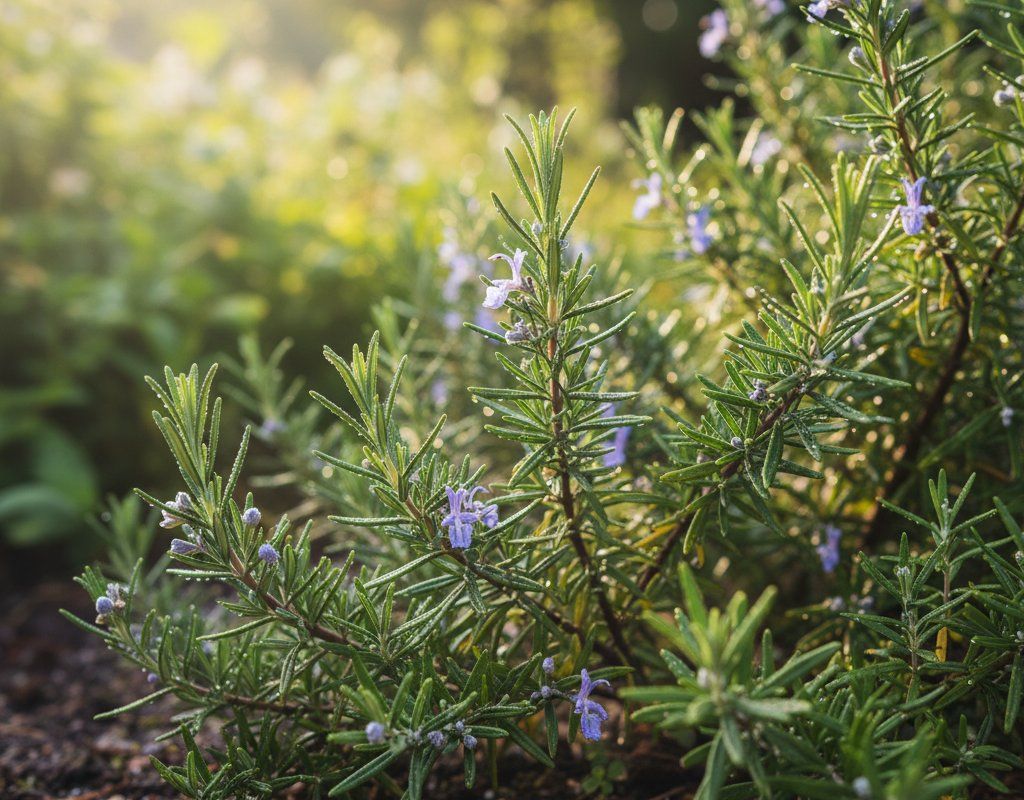
Rosemary in Zone 6A — Great Plains
Salvia rosmarinus · Your Complete 2026 Planting Guide
Missed Seed Starting? No Problem!
Wait for starts to become available.
What to Do
Starts will be available at nurseries in 56 days (around April 29).
How to Plant Rosemary in Zone 6A — Great Plains
Here are all your options for getting rosemary in the ground, from the easiest method to more advanced approaches.
Buy Starts
RecommendedLate April through mid May
around April 29
Plant purchased starts after last frost (April 15).
Rosemary is very slow and difficult from seed. Buy established plants.
Start Seeds Indoors
Works WellLate January through mid February
around February 4
Then transplant: Late April through mid May
Start seeds 12-14 weeks before transplanting outdoors.
Possible but challenging. Germination is erratic and growth is slow.
Direct Sow Seeds
ChallengingDirect sowing is not typical for Rosemary.
Transplant Outdoors
Timing InfoLate April through mid May
around April 29
Can tolerate light frost, but wait for soil to be workable.
Plan to transplant within a few weeks of your target date.
Overview
Rosemary is a fantastic addition to any Great Plains garden. Its distinctive flavor elevates everything from roasted meats to herbal teas, and the aromatic foliage is a treat for the senses. Plus, its drought tolerance makes it a perfect fit for our variable rainfall and sometimes scorching summers.
Growing Rosemary here does come with challenges. Our extreme weather, from late spring freezes to the occasional hailstorm, can be tough on young plants. But with proper timing and a little protection, you can absolutely enjoy fresh Rosemary throughout our 188-day growing season.
Starting Seeds Indoors
Starting Rosemary from seed indoors is an option, but honestly, it can be a bit finicky. If you're up for the challenge, start your seeds indoors from late January through mid February, giving them about 12 weeks to get a head start. Use seed trays with a good seed-starting mix, provide consistent warmth, and make sure they get plenty of light, either from a sunny window or a grow light.
Bottom watering is helpful to keep the soil evenly moist without overwatering. Keep in mind that spring here in the Plains can be variable, so be prepared to adjust your indoor setup as needed. Rosemary germination can be erratic, so be patient!
Transplanting Outdoors
Transplant your Rosemary outdoors from late April through mid May, after the risk of a hard frost has passed. Before planting, harden off your seedlings by gradually exposing them to outdoor conditions for about a week. This helps them adjust to the wind and temperature swings common in our region.
Space your Rosemary plants 24-36 inches apart to allow for good air circulation. Buying established plants from a local nursery is often a more reliable approach, especially given how slow Rosemary can be to establish from seed.
Watering Rosemary in Zone 6A (Great Plains)
Rosemary thrives on neglect, which is good news for us Plains gardeners! Once established, it's very drought-tolerant and prefers drier conditions. Overwatering is the quickest way to kill it, so be cautious.
During the hot summer months, especially if rainfall is scarce, check the soil moisture using the "finger test." Stick your finger about 2 inches deep into the soil near the base of the plant. If it feels dry, it's time to water. A good soaking of about 1 inch of water per week is usually sufficient, but adjust based on rainfall. Water at the base of the plant to avoid wetting the foliage, which can encourage fungal diseases in our low-to-moderate humidity.
Signs of underwatering include wilting or drooping leaves. Overwatering can cause yellowing leaves and root rot. A layer of mulch, like shredded bark or wood chips, can help retain moisture and regulate soil temperature, but be sure not to pile it up against the stem.
Pruning & Maintaining Rosemary
Rosemary needs minimal pruning, which is another plus for busy gardeners. Lightly prune your Rosemary after it flowers to maintain its shape and encourage bushier growth. Avoid cutting into old, woody stems, as they may not regrow.
Shape your plants in the spring, removing any dead or damaged branches. As the first frost approaches in mid- October, you can give your Rosemary a final light trim to tidy it up before winter.
🧪Fertilizing Rosemary
Feeding Schedule
Organic Fertilizer Options
Harvest Time
You can start harvesting Rosemary from late July through early September, about 90 days after transplanting. Look for 4-6 inch stem tips to harvest. These are the most tender and flavorful.
Never take more than 1/3 of the plant at any one time to avoid stressing it. Woody stems are too tough to eat, so stick to the newer growth. Rosemary is a continuous harvest plant, so you can snip off sprigs as needed throughout the growing season.
As the first frost approaches in mid- October, harvest a larger quantity to dry or freeze for winter use. This way, you can enjoy the taste of your garden even when the snow is flying.
Common Problems in Zone 6A (Great Plains)
Here are some common problems you might encounter with Rosemary in the Great Plains:
Root Rot from Overwatering
- What it looks like: Yellowing leaves, wilting even when the soil is moist, and a general decline in plant health. Roots may be brown and mushy.
- What causes it: Overwatering and poor drainage. Heavy clay soils, common in some areas of the Plains, can exacerbate this issue.
- How to fix/prevent it: Plant Rosemary in well-draining soil. Water sparingly, only when the top 2 inches of soil are dry. Ensure good drainage in pots.
Powdery Mildew
- What it looks like: White or grayish powdery coating on leaves, stems. Leaves curl, yellow, and die.
- What causes it: Various fungi that thrive in warm days, cool nights, and moderate humidity. Dry leaf surfaces actually favor it.
- How to fix/prevent it: Improve air circulation through spacing and pruning. Remove affected leaves. Neem oil or potassium bicarbonate sprays help. Milk spray (1 part milk to 9 parts water) is surprisingly effective.
Spider Mites
- What it looks like: Fine stippling on leaves (tiny white dots). Fine webbing on leaf undersides and between stems. Leaves turn bronze or yellow.
- What causes it: Tiny arachnids that thrive in hot, dry conditions. Populations explode in drought stress.
- How to fix/prevent it: Strong water spray (daily for a week) is the best treatment. Increase humidity around plants. Neem oil or insecticidal soap.
Great Plains Specific Challenges: The hot heat and variable rainfall of the Great Plains can stress Rosemary, making it more susceptible to spider mites and powdery mildew. Monitor your plants closely, especially during periods of drought or high humidity, and adjust your watering accordingly. Wind protection is essential, as it can quickly dry out the soil and stress the plants.
Best Companions for Rosemary
Plant these nearby for healthier Rosemary and better harvests.



Keep Away From

Companion Planting Details
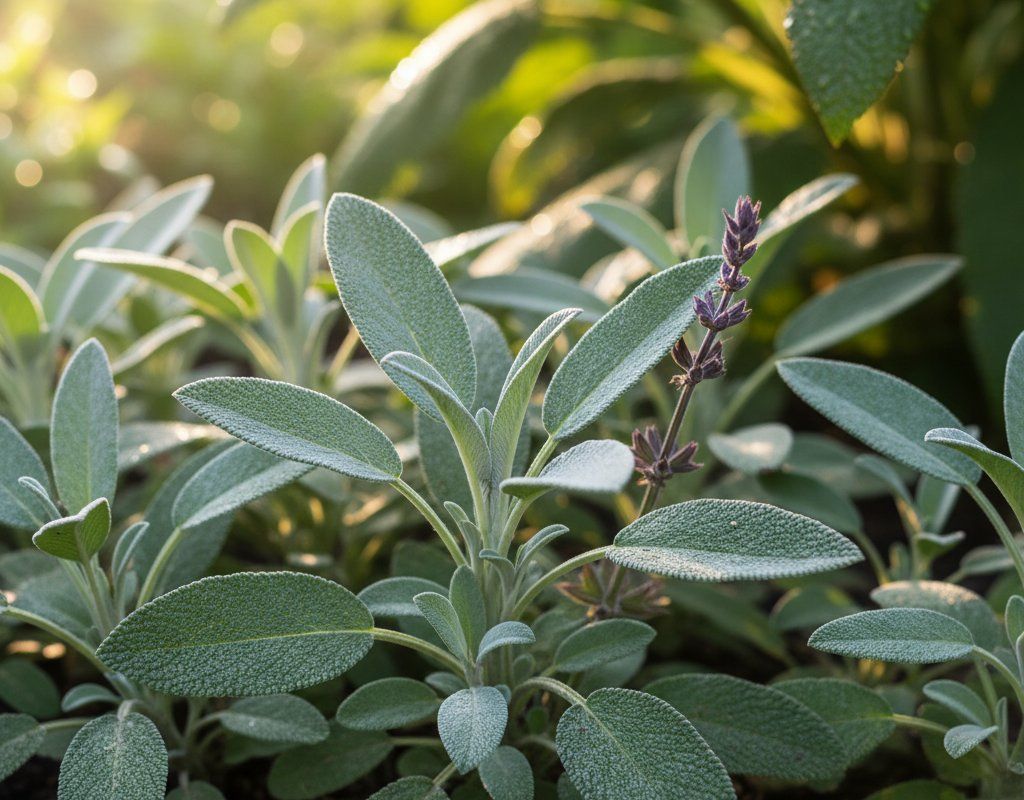
Rosemary makes a great companion plant for several garden vegetables and herbs. Sage, thyme, and lavender all share similar growing requirements and benefit from Rosemary's ability to repel certain pests. Green beans also benefit from Rosemary's presence, as it can deter bean beetles. Carrots also enjoy being planted near Rosemary, as it can repel the carrot rust fly.
Avoid planting Rosemary near mint. Mint's aggressive growth can quickly overwhelm Rosemary, and it prefers consistently moist soil, which is the opposite of what Rosemary needs.
🌸Best Flowers to Plant with Rosemary
These flowers protect your Rosemary from pests and attract pollinators for better harvests.
For Pest Control



Get a Reminder When It's Time to Plant
We'll email you when key planting windows open for your zone.