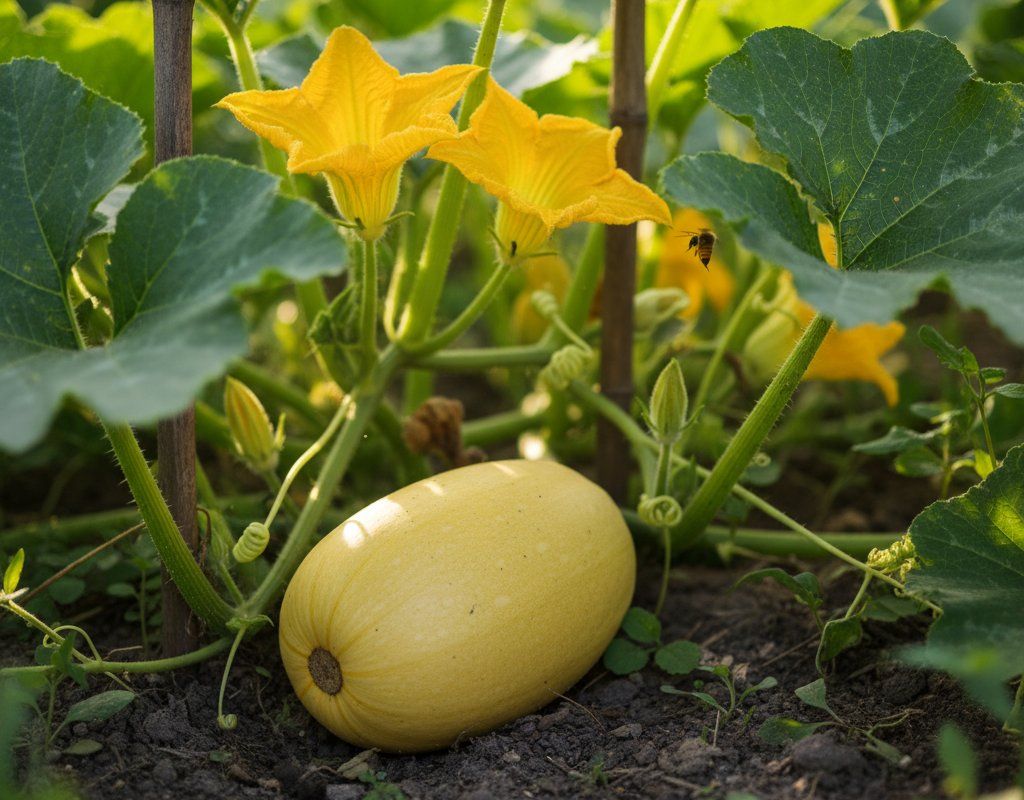
Spaghetti Squash in Zone 9A — Northern California
Cucurbita pepo · Your Complete 2026 Planting Guide
Missed Seed Starting? No Problem!
Wait for starts to become available.
What to Do
Starts will be available at nurseries in 2 days (around March 6).
How to Plant Spaghetti Squash in Zone 9A — Northern California
Here are all your options for getting spaghetti squash in the ground, from the easiest method to more advanced approaches.
Direct Sow Seeds
RecommendedLate February through mid August
around February 27
Consider succession planting every 2-3 weeks for continuous harvest.
Buy Starts
Works WellEarly to late March
around March 6
Plant purchased starts after last frost (February 20).
Start Seeds Indoors
Works WellEarly to late February
around February 13
Then transplant: Early to late March
Start seeds 3-5 weeks before transplanting outdoors.
Transplant Outdoors
Timing InfoEarly to late March
around March 6
Wait until nighttime temperatures stay above 50°F.
Plan to transplant within a few weeks of your target date.
Overview
Spaghetti squash is a fantastic addition to any Northern California garden. Its mild, slightly sweet flavor makes it incredibly versatile in the kitchen, and it's a satisfying crop to grow in our long, warm season. Plus, who doesn't love the novelty of "spaghetti" from a squash?
Our Mediterranean climate, with its dry summers and mild winters, presents some unique challenges like drought and water restrictions. But with careful planning and attention to watering, you can absolutely enjoy a bountiful harvest of spaghetti squash during our lengthy 288-day growing season.
Starting Seeds Indoors
Starting spaghetti squash indoors gives you a jump start, but it's not strictly necessary in our climate. If you're itching to get going early, or your microclimate is a bit cooler, start seeds indoors from early to late February. This gives you about 3 weeks to get them going before transplanting.
Use seed trays with a good seed-starting mix and provide warmth (a heat mat helps) and plenty of light. A sunny windowsill often isn't enough, so consider a grow light. Water gently from the bottom by placing the tray in a shallow dish of water, allowing the soil to soak it up. This encourages strong root growth. With our early springs, indoor starting can give you a head start.
Transplanting Outdoors
Transplant your spaghetti squash seedlings outdoors from early to late March, once the soil has warmed up a bit. Before planting, harden them off by gradually exposing them to outdoor conditions for about a week. Start with an hour or two of shade and increase the time and sun exposure each day.
Plant them 36-48 inches apart to give them plenty of room to sprawl. Keep an eye on the weather forecast – those late-season cold snaps can still happen in early spring here.
Direct Sowing
Direct sowing is the easiest and most common method for growing spaghetti squash here in Northern California. You can direct sow from late February through mid August, giving you a long window of opportunity. Choose a sunny spot with well-drained soil.
Prepare the soil by loosening it and amending with compost. Make small mounds, plant 2-3 seeds per mound, and thin to the strongest seedling. Keep the soil consistently moist until the seedlings emerge, then thin to one plant per mound, spacing mounds 36-48 inches apart. Soil temperature is important; wait until it's consistently above 60°F for best germination.
Watering Spaghetti Squash in Zone 9A (Northern California)
Consistent watering is key to a successful spaghetti squash crop, especially during our dry summers. During the active growth phase, when the plant is putting on leaves and setting fruit, aim for about 1-2 inches of water per week, either from rainfall or irrigation. Use the finger test: stick your finger about 2 inches into the soil; if it feels dry, it's time to water.
Water deeply at the base of the plant, rather than overhead, to avoid fungal diseases. Our low humidity is in your favor here, but still, base-watering is best. As the fruits reach their full size and the skin begins to harden, you can reduce watering slightly.
Signs of underwatering include wilting leaves and stunted growth. Overwatering can lead to yellowing leaves and root rot. Mulching around the plants with straw or wood chips helps retain moisture and regulate soil temperature, which is crucial in our variable microclimates.
🧪Fertilizing Spaghetti Squash
Feeding Schedule
Organic Fertilizer Options
Harvest Time
You can expect your first spaghetti squash harvest from early June through early December, depending on when you planted. Spaghetti squash is typically ready about 95 days after planting. Look for a bright yellow skin and a hard shell that you can't easily pierce with your fingernail.
The stem connecting the squash to the vine should be dry and starting to turn brown. A good indicator is a hollow sound when you tap the squash. Use a sharp knife or pruners to cut the squash from the vine, leaving a few inches of stem attached.
As our first frosts approach in early December, harvest any remaining squash, even if they're not quite fully ripe. They won't ripen off the vine, but you can still use them in soups or other dishes.
Common Problems in Zone 9A (Northern California)
Here are some common problems you might encounter with spaghetti squash in Northern California:
Squash Vine Borer
- What it looks like: Wilting vines that suddenly collapse, often with small holes near the base of the stem and sawdust-like frass (borer poop).
- What causes it: Moth larvae that bore into the stems and feed on the plant's tissues.
- How to fix/prevent it: Wrap stems with foil or netting to prevent moths from laying eggs. Inspect stems regularly and remove borers manually. Use Bacillus thuringiensis (Bt) as a soil drench to kill larvae.
Powdery Mildew
- What it looks like: White or grayish powdery coating on leaves, stems, and sometimes fruit. Leaves curl, yellow, and die.
- What causes it: Various fungi that thrive in warm days, cool nights, and moderate humidity. Dry leaf surfaces actually favor it.
- How to fix/prevent it: Improve air circulation through spacing and pruning. Remove affected leaves. Neem oil or potassium bicarbonate sprays help. Milk spray (1 part milk to 9 parts water) is surprisingly effective.
Squash Bugs
- What it looks like: Gray-brown shield-shaped bugs on leaf undersides. Bronze egg clusters on leaves. Wilting leaves that turn brown and crispy.
- What causes it: Sap-sucking insects that inject toxin while feeding. Adults overwinter in garden debris and emerge in spring.
- How to fix/prevent it: Hand-pick adults and crush egg clusters. Board traps (adults hide under boards at night — flip and destroy in morning). Neem oil spray. Remove plant debris in fall.
Blossom End Rot
- What it looks like: Sunken, dark brown or black leathery patch on the bottom (blossom end) of fruit. Often affects first fruits of the season.
- What causes it: Calcium deficiency caused by inconsistent watering. It's a nutrient uptake problem triggered by drought/flood cycles, not a disease.
- How to fix/prevent it: Water consistently (the single most effective fix). Mulch heavily to maintain even soil moisture. Don't over-fertilize with nitrogen. Calcium sprays help marginally. Remove affected fruit.
Northern California Specific Challenges: Our moderate-to-hot summers, combined with low humidity and dry-summer rainfall, mean that consistent watering and good soil drainage are critical. Mulching helps conserve moisture and regulate soil temperature. Be vigilant about pests and diseases, especially during the warmer months. And always be prepared for water restrictions – water-wise gardening practices are essential here.
Best Companions for Spaghetti Squash
Plant these nearby for healthier Spaghetti Squash and better harvests.

Keep Away From
Companion Planting Details
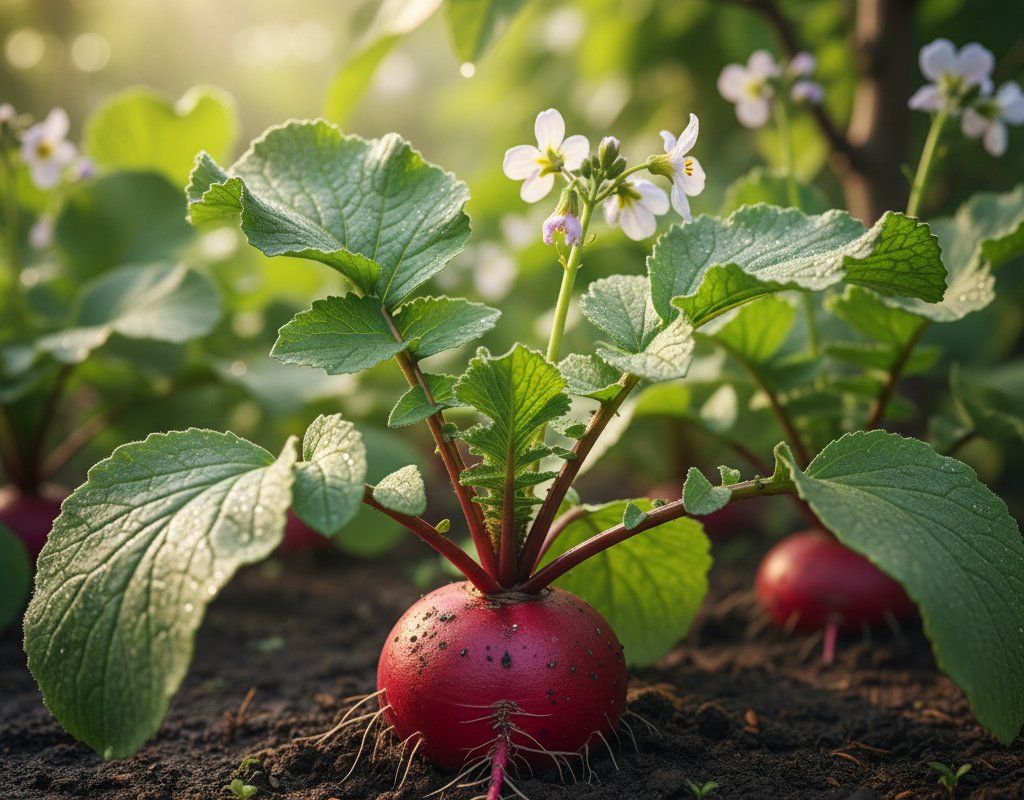
Companion planting can really boost your spaghetti squash crop. Corn provides a natural trellis for the vines, and beans (especially green beans) fix nitrogen in the soil, benefiting the squash. Radishes deter squash vine borers, and marigolds repel nematodes and other pests with their scent.
Avoid planting spaghetti squash near potatoes, as they compete for nutrients. Also, keep them away from brassicas (like broccoli and cabbage), as they can attract similar pests that will then attack your squash.
🌸Best Flowers to Plant with Spaghetti Squash
These flowers protect your Spaghetti Squash from pests and attract pollinators for better harvests.
For Pest Control

Get a Reminder When It's Time to Plant
We'll email you when key planting windows open for your zone.