
Spinach in Zone 10B — Florida
Spinacia oleracea · Your Complete 2026 Planting Guide
Harvest Time!
Your Spinach should be producing now!
Harvest Tips
Harvest outer leaves for cut-and-come-again, or cut whole head.
How to Plant Spinach in Zone 10B — Florida
Here are all your options for getting spinach in the ground, from the easiest method to more advanced approaches.
Direct Sow Seeds
RecommendedLate to early November
around November 24
Consider succession planting every 2-3 weeks for continuous harvest.
Spinach loves cold soil. Direct sow as soon as ground can be worked.
Start Seeds Indoors
RecommendedEarly to late November
around November 10
Then transplant: Early December through mid January
Start seeds 4-6 weeks before transplanting outdoors.
Buy Starts
Works WellEarly December through mid January
around December 8
Plant purchased starts after last frost (January 5).
Transplant Outdoors
Timing InfoEarly December through mid January
around December 8
Can tolerate light frost, but wait for soil to be workable.
You have a nice window — no need to rush.
Fall Planting
Early November through early December
November 19 ideal · Direct sow for fall harvest
Plant a second crop in mid-summer for fall harvest. Spinach actually prefers the cooling temperatures of fall.
Overview
Spinach is one of the most rewarding cool-season greens you can grow in Florida, offering fresh, tender leaves with incredible flavor that makes store-bought spinach taste like cardboard. Our subtropical climate gives you a unique advantage – you can grow multiple successions throughout our extended cool season, from late fall through early spring, when most northern gardeners are stuck with whatever's in their freezer.
Yes, Florida's intense summer heat and humidity make spinach impossible during those months, but that's exactly why our reversed growing season works so well. With 360 days of potential growing time, you can plant in fall, harvest through winter, and enjoy fresh spinach when it's actually comfortable to be outside gardening.
Starting Seeds Indoors
Starting spinach seeds indoors isn't the primary method here in Florida, but it does give you better control during our transitional weather in November. Start your seeds in early to late November, about 4 weeks before you plan to transplant them outside in early December.
Set up seed trays in a spot that stays around 60-70°F – your air-conditioned house works perfectly since spinach actually prefers cooler germination temperatures than many crops. Use bottom watering to keep seedlings from getting too soggy, which matters more in our humid climate where fungal issues develop quickly.
The main advantage of indoor starting is getting your plants established before any late November heat spells that can stress direct-sown seeds. Since our spring comes in October and November rather than March and April, indoor starting helps you time things perfectly for transplanting when conditions stabilize.
Transplanting Outdoors
Transplant your spinach seedlings from early December through mid-January, when daytime temps settle into the 70s and nights cool down consistently. This timing takes advantage of Florida's most pleasant weather and gives plants the cool conditions they need to develop properly.
Harden off seedlings gradually over a week by placing them outside for increasing periods each day. Start with 2-3 hours of morning sun and build up to full outdoor exposure. Florida's intense UV rays can shock tender indoor-grown plants, so this step matters more here than in cloudier climates.
Space transplants 4-6 inches apart in rows or scatter them throughout your bed. The wider spacing helps with air circulation, which is crucial for preventing the fungal diseases that love our humid conditions. Plant them at the same depth they were growing in their containers.
Direct Sowing
Direct sowing works beautifully in Florida from late October through early November, when soil temperatures finally drop below 70°F. Spinach seeds actually prefer cool soil for germination – something that happens naturally here as we transition from summer survival mode to prime growing season.
Prepare your bed by working in some compost to improve drainage, since our sandy soil and seasonal rains can create soggy conditions that spinach hates. Sow seeds about ½ inch deep and 2 inches apart, then thin to final spacing of 4-6 inches as they grow.
The biggest advantage of direct sowing is avoiding transplant shock, and spinach typically establishes faster when sown directly. Just watch for any late heat waves that can stress germinating seeds – if temperatures spike back into the 80s, provide some afternoon shade until conditions settle.
Watering Spinach in Zone 10B (Florida)
Spinach needs consistent, even moisture but absolutely cannot tolerate soggy roots, which makes watering strategy crucial in Florida's humid climate. During our cooler months, aim for about 1 inch of water per week, including rainfall – and we typically get plenty of winter rain to help with this.
Check soil moisture by sticking your finger 2 inches deep near the plants. If it's dry at that depth, it's time to water. During December and January, you might only need to supplement natural rainfall once or twice per week, but keep a close eye on sandy soils that drain quickly.
Always water at the base of plants rather than overhead, especially important in our humid conditions where wet leaves can quickly develop downy mildew and other fungal problems. Early morning watering works best, allowing any moisture on leaves to dry quickly as temperatures rise through the day.
A thin layer of organic mulch helps maintain consistent soil moisture and keeps roots cool, but don't pile it too thick in our humid climate where it can harbor fungal spores and pests. Signs of underwatering include wilting and bitter-tasting leaves, while overwatering shows up as yellowing leaves and stunted growth.
🧪Fertilizing Spinach
Feeding Schedule
Organic Fertilizer Options
Harvest Time
Your first spinach harvest typically comes in early January, about 40 days after planting in our Florida growing timeline. Look for outer leaves that reach 3-4 inches long – they should be deep green and tender enough that you can easily tear them by hand.
Harvest by cutting outer leaves with clean scissors or a sharp knife, leaving the growing center intact for continued production. You can also cut the entire rosette about 1 inch above soil level, and most varieties will regrow for a second harvest. The cut-and-come-again method works especially well here since our long growing season gives plants plenty of time to recover.
Keep harvesting regularly – at least twice per week during peak production – to prevent plants from bolting. In Florida, you have until late February or early March before warming weather signals plants to shift energy into seed production rather than leaf growth.
As late December approaches and our occasional frost threatens, harvest any remaining leaves since spinach plants, while frost-hardy, may suffer some damage. The good news is you can succession plant every 2-3 weeks through early December for continuous harvests well into spring.
Common Problems in Zone 10B (Florida)
Bolting What it looks like: The plant suddenly sends up a tall flower stalk from the center, and leaves become bitter and tough. You'll notice the rosette changing shape as it stretches upward rather than producing new leaves. What causes it: Heat stress is the main trigger in Florida, along with inconsistent watering during our occasional dry spells. Even a few days of temperatures in the upper 80s can signal spinach to bolt. How to fix/prevent it: Plant during our proper cool season window and provide afternoon shade if late-season heat waves hit. Keep soil consistently moist and choose bolt-resistant varieties like 'Tyee' or 'Space'. Remove flower stalks immediately if they appear.
Downy Mildew What it looks like: Yellow patches develop on leaf tops with fuzzy gray or purplish growth on the undersides. Leaves brown and die from the bottom of the plant upward. What causes it: Our high humidity creates perfect conditions for this fungal disease, especially during cool, damp mornings when dew sits on leaves for hours. How to fix/prevent it: Remove affected leaves immediately and dispose of them away from your garden. Water only at soil level, never overhead, and ensure good air circulation by proper spacing. Copper-based organic fungicides can help with prevention.
Leaf Miners What it looks like: Squiggly white or tan trails appear inside the leaves, creating a maze-like pattern. The tunnels are actually larvae feeding between the leaf surfaces. What causes it: These tiny flies lay eggs on leaf surfaces, and the hatching larvae tunnel through leaves. They're active year-round in Florida but peak during our cooler growing months. How to fix/prevent it: Remove affected leaves promptly and use floating row covers during peak fly activity. Yellow sticky traps help catch adult flies before they lay eggs.
Florida Specific Challenges: Our extreme humidity and sandy soils create a perfect storm for fungal diseases while also making it challenging to maintain consistent moisture. The combination of occasional winter dry spells followed by heavy rains stresses plants and makes them more susceptible to all these problems.
Best Companions for Spinach
Plant these nearby for healthier Spinach and better harvests.

Keep Away From
Companion Planting Details
Spinach pairs beautifully with strawberries in Florida gardens – the strawberries provide some shade during late-season warm spells, while spinach acts as a living mulch that keeps strawberry roots cool. Plant peas and beans nearby since they fix nitrogen that spinach can use, and the taller legumes offer natural afternoon shade during our intense winter sun.
Brassicas like broccoli, cabbage, and kale make excellent companions because they have similar cool-season timing and water needs, plus they can help confuse pests that might target any single crop. There really aren't any bad companions for spinach – it's one of the most agreeable plants in the garden and fits well into any cool-season Florida planting scheme.
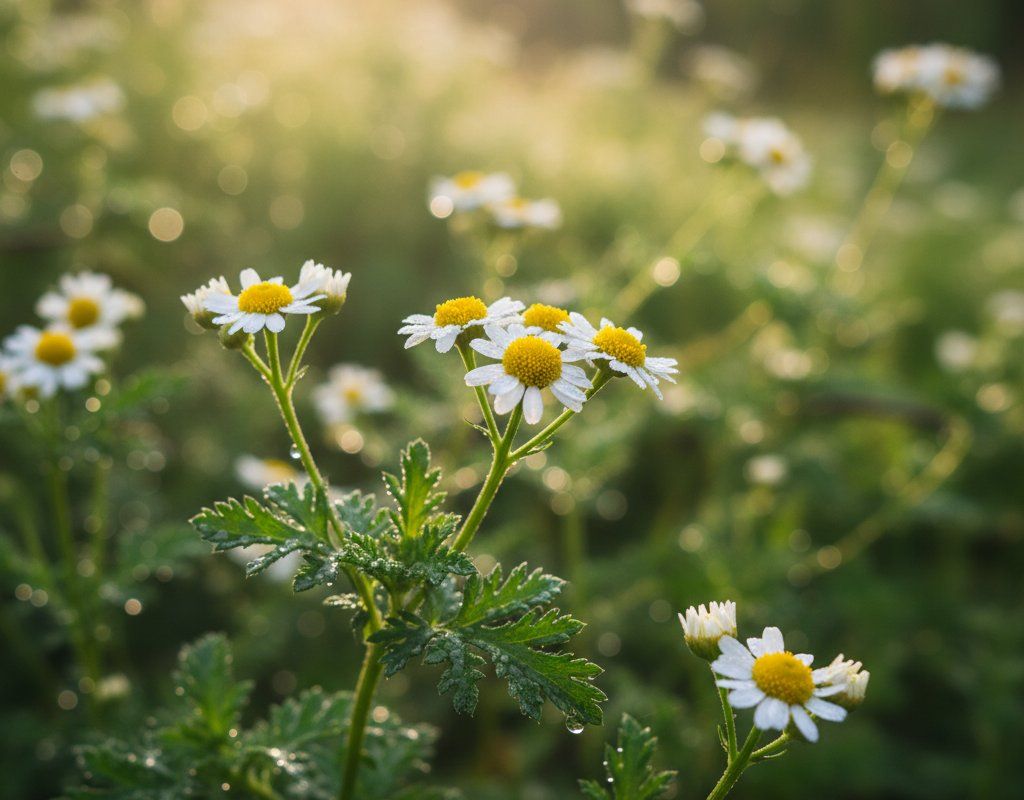
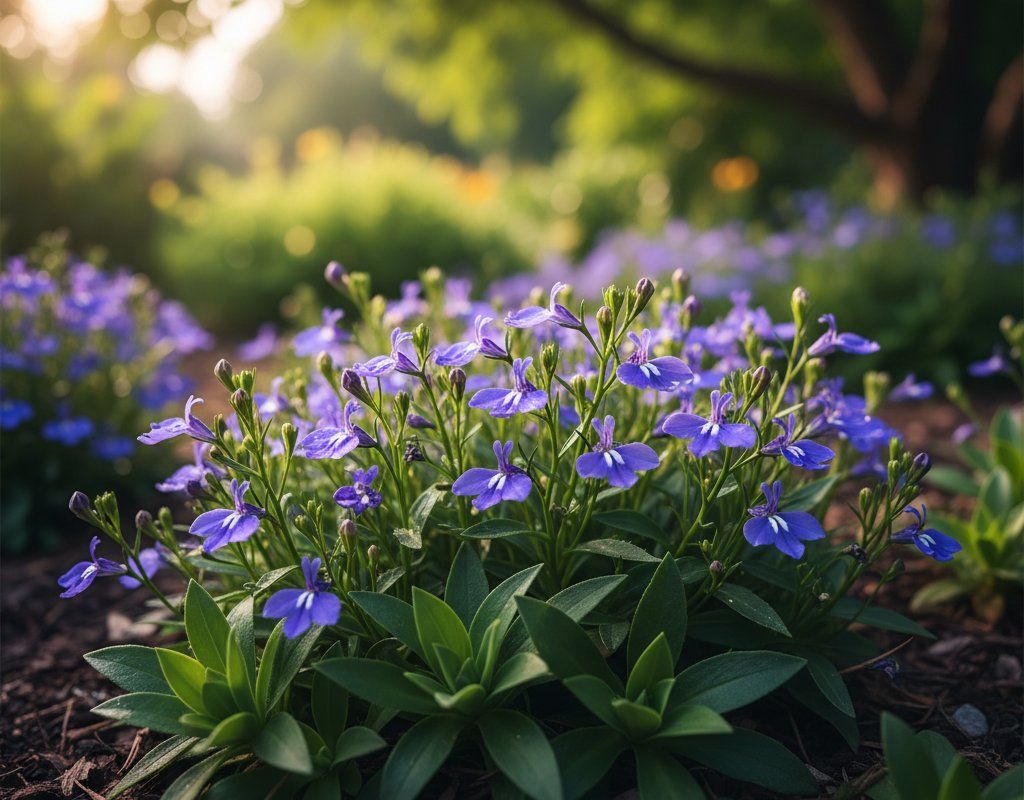
🌸Best Flowers to Plant with Spinach
These flowers protect your Spinach from pests and attract pollinators for better harvests.
For Pest Control



Get a Reminder When It's Time to Plant
We'll email you when key planting windows open for your zone.