
Squash in Zone 6B — Pacific Northwest
Cucurbita maxima · Your Complete 2026 Planting Guide
Planning Ahead — Great!
You’re ahead of the season. Here’s when to start.
Mark Your Calendar
How to Plant Squash in Zone 6B — Pacific Northwest
Here are all your options for getting squash in the ground, from the easiest method to more advanced approaches.
Direct Sow Seeds
RecommendedEarly May through early July
around May 8
Consider succession planting every 2-3 weeks for continuous harvest.
Summer squash grows quickly from direct-sown seeds.
Buy Starts
Works WellMid May through mid June
around May 15
Plant purchased starts after last frost (May 1).
Start Seeds Indoors
Works WellMid April through early May
around April 24
Then transplant: Mid May through mid June
Start seeds 3-5 weeks before transplanting outdoors.
Transplant Outdoors
Timing InfoMid May through mid June
around May 15
Wait until nighttime temperatures stay above 50°F.
You have a nice window — no need to rush.
Overview
Growing your own winter squash in the Pacific Northwest gives you access to varieties you'll never find in stores, from buttery delicata to sweet kabocha types that develop incredible flavor in our cool nights. Our mild summers and long fall season are actually perfect for these heat-sensitive vines – they can grow steadily without the stress of scorching temperatures, developing thick skins and concentrated sugars as temperatures gradually cool through autumn.
While squash needs warmth to get started and our spring soil can be slow to warm up, the timing works well within our 162-day growing season. With careful attention to soil temperature and protection from late spring rains, you can easily grow impressive harvests that store through winter, making the most of our excellent growing conditions once the season gets going.
Starting Seeds Indoors
Starting squash seeds indoors can give you a head start when spring soil is still cool and wet, though it's not the typical approach since squash grows quickly from direct-sown seeds. If you want to try this method, start seeds in mid-April through early May, about 3 weeks before you plan to transplant outdoors.
Use individual 4-inch pots rather than seed trays since squash roots don't like disturbance. Keep the soil consistently moist using bottom watering – place pots in a shallow tray of water rather than watering from above. Seeds germinate best with soil temperatures around 70-80°F, so a heat mat helps during our overcast spring days.
The main advantage of indoor starting is getting a jump on our relatively short warm season, but many PNW gardeners find direct sowing easier and just as effective once soil warms up in mid to late May.
Transplanting Outdoors
If you've started squash indoors, transplant them outdoors from mid-May through mid-June, after soil has warmed and nighttime temperatures stay consistently above 50°F. Start hardening off your seedlings about a week before transplanting by gradually exposing them to outdoor conditions for longer periods each day.
Space transplants 48-72 inches apart – squash vines need plenty of room to sprawl and good air circulation to prevent fungal problems in our sometimes humid spring conditions. Plant them at the same depth they were growing in their pots, and water thoroughly after transplanting.
Watch the weather forecast closely during transplant time, as late May can still bring unexpected cool spells or heavy rains that stress young plants. Having row cover on hand can help protect new transplants during temperature swings.
Direct Sowing
Direct sowing is the preferred method for growing squash in the Pacific Northwest since these plants grow quickly from seed and don't like root disturbance. Sow seeds from early May through early July, once soil temperature reaches at least 60°F – use a soil thermometer to be sure rather than guessing.
Prepare your planting area by working compost into the soil and creating slight mounds for better drainage during wet spring weather. Plant 2-3 seeds per hill, spacing hills 48-72 inches apart. The wide spacing prevents overcrowding and improves air circulation, which helps reduce fungal problems during our occasionally humid springs and early summers.
Summer squash varieties grow especially quickly from direct-sown seeds, often catching up to transplanted starts within weeks. Plant seeds about 1 inch deep and keep soil consistently moist until germination, which typically takes 7-10 days in warm soil.
Watering Squash in Zone 6B (Pacific Northwest)
Squash needs consistent moisture throughout the growing season but can't tolerate waterlogged conditions, making our dry summer months actually ideal once established. During our wet spring, focus on well-draining soil rather than additional watering – too much moisture early on can lead to root rot and fungal problems.
Once summer arrives and rainfall drops off, water deeply once or twice per week rather than frequent shallow watering. Give plants about 1-2 inches of water weekly, checking soil moisture by inserting your finger 2 inches deep near the base of plants. The soil should feel moist but not soggy at this depth.
Water at the base of plants rather than overhead to keep leaves dry, especially important for preventing powdery mildew in our moderate humidity conditions. Our mild summer temperatures mean plants won't be stressed by heat, but they still need consistent moisture for proper fruit development.
As winter squash begins to mature in late summer and fall, reduce watering to help concentrate sugars and harden the shells. Stop watering altogether about 2 weeks before harvest – this helps the fruit store better through our wet winter months.
🧪Fertilizing Squash
Feeding Schedule
Organic Fertilizer Options
Harvest Time
Expect your first winter squash harvest from early August through early October, depending on variety and planting time. With our 85-day growing season for most varieties, mid-May plantings will be ready by early August, while early July sowings will mature just as our first frost approaches in early October.
Winter squash is ready when the shell becomes hard enough to resist denting with your fingernail, and the stem where it attaches to the vine becomes dry and corky. The ground spot (where the squash sits on soil) should change from white or pale green to cream or orange, depending on variety. Leave about 2 inches of stem attached when harvesting – this helps prevent rot during storage.
Unlike summer squash, winter varieties must fully ripen on the vine and won't continue developing after harvest. Cut the stem with pruning shears rather than twisting or pulling, which can damage the fruit and create entry points for decay.
As our first frost approaches in early October, harvest any remaining squash even if not fully mature – a light frost will damage the vines and stop fruit development. Properly cured winter squash can store for months in a cool, dry place, giving you homegrown vegetables well into winter.
Common Problems in Zone 6B (Pacific Northwest)
Squash Vine Borers: Look for sudden wilting of entire vines or sections, often with sawdust-like frass around the base of stems. If you slice open affected stems, you'll find fat white grubs tunneling inside. These are larvae of clearwing moths that lay eggs at stem bases in early summer, and the borers cut off water and nutrient flow as they tunnel through stems.
Prevent borers by wrapping the base of stems with aluminum foil or floating row cover when plants are young. If you catch an infestation early, you can inject Bt (Bacillus thuringiensis) directly into stems or carefully slit stems open to remove grubs by hand. Plant succession crops and consider butternut varieties, which show more resistance than other types.
Powdery Mildew: White or grayish powdery coating appears on leaves, stems, and sometimes fruit surfaces, causing leaves to curl, yellow, and eventually die. This fungal problem thrives in our conditions of warm days, cool nights, and moderate humidity – ironically, it prefers dry leaf surfaces unlike most fungal diseases.
Improve air circulation by proper spacing and pruning excess foliage. Remove affected leaves promptly and dispose of them in yard waste, not compost. Spray with neem oil, potassium bicarbonate, or surprisingly effective milk spray (1 part milk to 9 parts water). Choose resistant varieties when possible.
Squash Bugs: Gray-brown, shield-shaped insects cluster on leaf undersides, laying bronze egg clusters. Their feeding causes leaves to wilt and turn brown and crispy as they inject toxins while sucking plant sap. Adults overwinter in garden debris and emerge as weather warms in spring.
Hand-pick adults and crush egg masses regularly – check plants every few days during peak season. Set board traps by placing boards near plants overnight, then flip them in morning to find and destroy hiding adults. Apply neem oil sprays and clean up all plant debris in fall to eliminate overwintering sites.
Pacific Northwest Specific Challenges: Our mild temperatures and dry summers actually favor squash once established, but late blight can occasionally affect plants during wet spring weather, and slugs may damage young seedlings. The short heat accumulation compared to hotter climates means choosing varieties suited to cool-season growing and protecting plants during cool spells.
Best Companions for Squash
Plant these nearby for healthier Squash and better harvests.

Keep Away From
Companion Planting Details
Plant squash with corn and beans for the traditional "Three Sisters" combination – corn provides vertical structure for beans, beans fix nitrogen for heavy-feeding squash, and squash leaves shade the soil to retain moisture and suppress weeds. This works especially well in our dry summer conditions where water conservation matters.
Radishes planted around squash hills help deter squash bugs and vine borers, while marigolds provide general pest deterrence and attract beneficial insects. Avoid planting potatoes nearby, as both crops attract similar pests and compete for the same soil nutrients – plus potatoes prefer our cool, moist spring conditions while squash needs warmth to thrive.
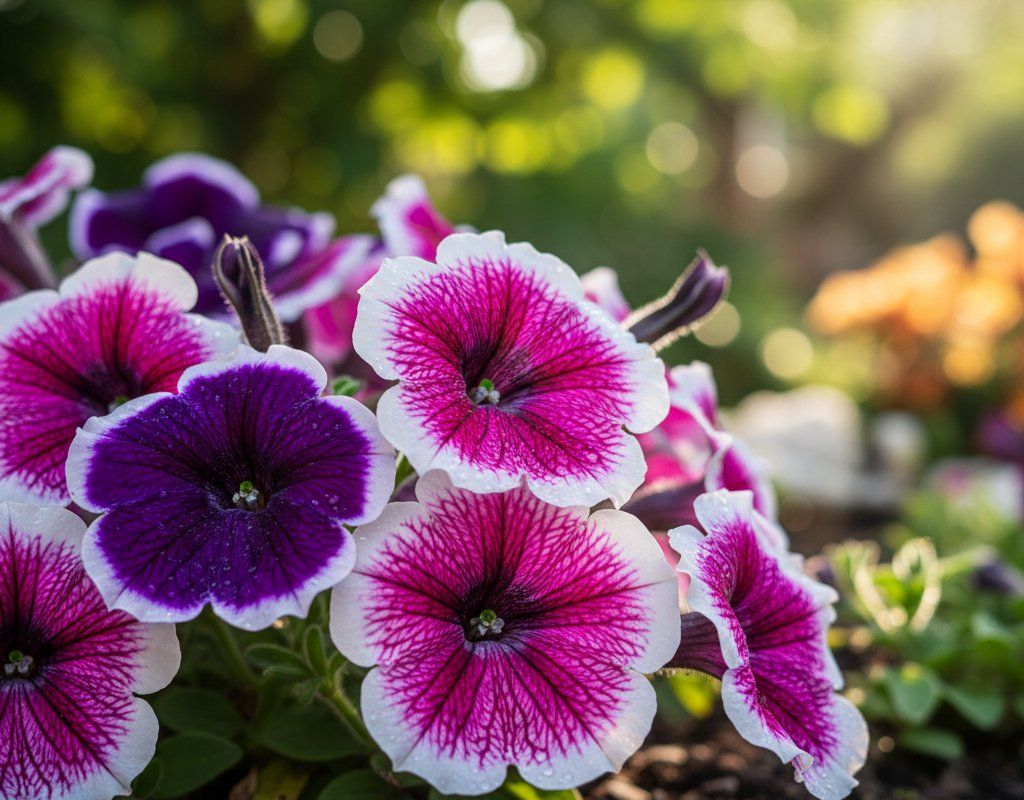
🌸Best Flowers to Plant with Squash
These flowers protect your Squash from pests and attract pollinators for better harvests.
For Pest Control






Get a Reminder When It's Time to Plant
We'll email you when key planting windows open for your zone.