
Borage in Zone 6B — Pacific Northwest
Borago officinalis · Your Complete 2026 Planting Guide
Planning Ahead — Great!
You’re ahead of the season. Here’s when to start.
Mark Your Calendar
How to Plant Borage in Zone 6B — Pacific Northwest
Here are all your options for getting borage in the ground, from the easiest method to more advanced approaches.
Direct Sow Seeds
RecommendedEarly May through early August
around May 1
Consider succession planting every 2-3 weeks for continuous harvest.
Easy to direct sow and self-seeds readily.
Buy Starts
Works WellMid April through mid May
around April 17
Plant purchased starts after last frost (May 1).
Start Seeds Indoors
ChallengingThis plant is typically not started indoors.
Transplant Outdoors
Timing InfoMid April through mid May
around April 17
Can tolerate light frost, but wait for soil to be workable.
You have a nice window — no need to rush.
Overview
Borage is one of those wonderfully useful herbs that thrives in our Pacific Northwest gardens. The young leaves have a refreshing cucumber flavor perfect for summer salads and drinks, and the brilliant blue flowers are not only edible but are a magnet for pollinators. In a region where our mild summers and cool nights develop fantastic flavor in leafy greens and herbs, borage fits right in.
Our 162-day growing season gives us plenty of time to enjoy a long harvest from this plant. While our wet springs can sometimes delay planting, borage is forgiving and grows quickly once the soil warms just a bit. Its adaptability makes it a reliable addition, even when our weather is unpredictable.
Transplanting Outdoors
While you can transplant borage, direct sowing is usually easier and more successful. If you do start with transplants, aim to get them in the ground from mid-April through mid-May, after the risk of a hard frost has passed. Our spring weather can swing from sunny to cold and damp, so hardening them off is key.
Give your transplants about a week to acclimate. Start by setting them outside in a sheltered spot for a few hours, gradually increasing their time outdoors and exposure to sun each day. When you plant them out, space them about 12 to 18 inches apart to give them room to bush out. Be gentle with the roots, as borage has a taproot that doesn't like being disturbed.
Direct Sowing
Direct sowing is the best way to grow borage here. It’s an easy-going plant that germinates reliably in our cool spring soil. You can start sowing seeds outdoors anytime from early May all the way through early August for a continuous supply of fresh leaves and flowers.
Prepare your garden bed by loosening the soil and mixing in a little compost. Plant the seeds about a half-inch deep and 12 to 18 inches apart. Water them in well and keep the soil lightly moist until you see sprouts. Borage is a notorious self-seeder, so once you have it, you'll likely have it for years to come—a welcome volunteer in my garden.
Watering Borage in Zone 6B (Pacific Northwest)
Watering borage in the PNW is pretty straightforward, thanks to our climate. During our wet springs in May and June, you’ll rarely need to water established plants; our natural rainfall usually takes care of it. The plant isn't drought tolerant, so you'll need to pay attention once our dry summer months arrive.
Starting around early July, when the rain stops, you'll want to give your borage a deep watering once a week. The goal is to provide about an inch of water weekly, either from your hose or rain. Use the finger test: if the soil is dry two inches down, it's time to water. Yellowing, drooping leaves are a clear sign the plant is thirsty.
Because our summer humidity is low, watering at the base of the plant is best to conserve moisture and avoid encouraging mildew. A layer of straw or wood chip mulch is a great idea to help the soil retain that moisture between waterings, especially when we get those warmer days that can climb into the 80s.
🧪Fertilizing Borage
Feeding Schedule
Organic Fertilizer Options
Harvest Time
You can expect your first harvest of borage leaves and flowers around late June if you planted early. At about 55 days to maturity, it’s a quick turnaround. The plant will keep producing right up until our first frost, which usually holds off until early October.
For the best flavor, pick the young, tender leaves when they are still small and less fuzzy; they'll have that distinct cucumber taste. The star-shaped blue flowers are ready as soon as they fully open. Simply snip off the flowers and leaves with scissors or your fingers.
Regular harvesting encourages the plant to produce more flowers and tender new growth. Don't be shy about cutting what you need. As the season winds down in the fall, you can let some flowers go to seed if you want volunteers to pop up next spring.
Common Problems in Zone 6B (Pacific Northwest)
- What it looks like: The following spring, you'll find a carpet of borage seedlings popping up all over your garden beds.
- What causes it: Borage produces a huge number of seeds that drop from the plant as the flowers fade. It's simply the plant's nature to spread.
- How to fix/prevent it: The easiest way to manage it is to deadhead the spent flowers before they set seed. If you miss some, the young seedlings are very easy to pull up or hoe out in the spring.
- What it looks like: You’ll see a white, dusty coating on the leaves, especially the lower ones. It looks like the leaves have been dusted with flour.
- What causes it: This fungus thrives in the conditions we often get here—warm, dry days followed by our signature cool nights. Unlike many fungi, it doesn't need wet leaves to take hold.
- How to fix/prevent it: Ensure good air circulation by giving plants proper 12-18 inch spacing. If you see it starting, remove the affected leaves immediately. A spray of one part milk to nine parts water can be surprisingly effective as a preventative measure.
- What it looks like: The plant becomes tall and spindly with sparse foliage, and it may flop over.
- What causes it: This is often caused by not enough sun. While borage tolerates part shade, it can stretch to find light, especially during our many overcast spring days.
- How to fix/prevent it: Plant it in a spot that gets at least 6 hours of direct sun. You can also pinch back the growing tips when the plant is young to encourage a bushier, more compact habit.
Pacific Northwest Specific Challenges Borage is generally untroubled by our biggest regional issues like late blight and slugs. Its fuzzy leaves seem to deter slugs quite well. Our mild summers mean the plant rarely gets stressed from heat, and it produces well all season long without bolting prematurely.
Best Companions for Borage
Plant these nearby for healthier Borage and better harvests.
View Full Companion Planting Chart →


Companion Planting Details
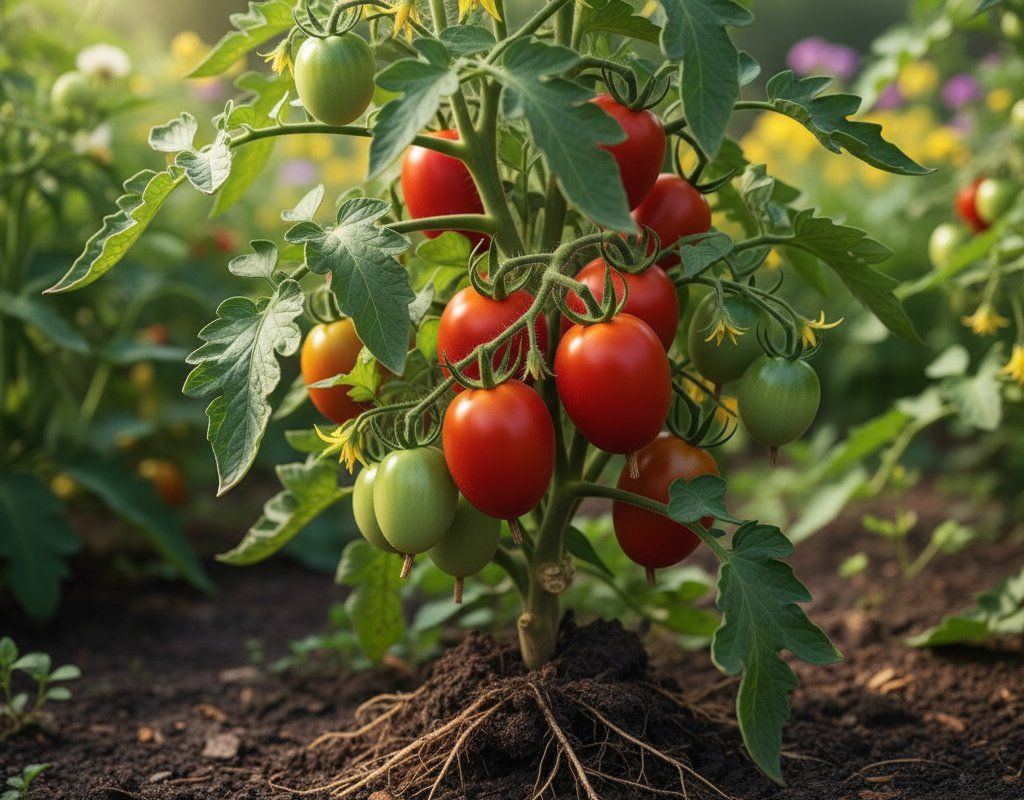
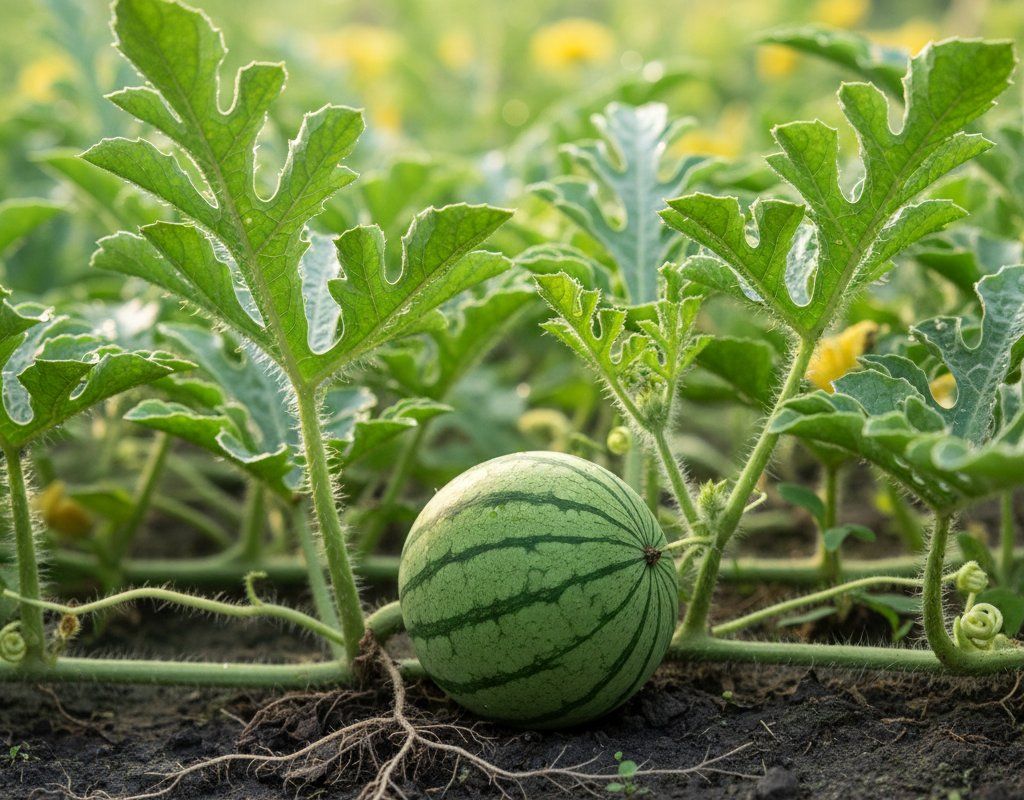
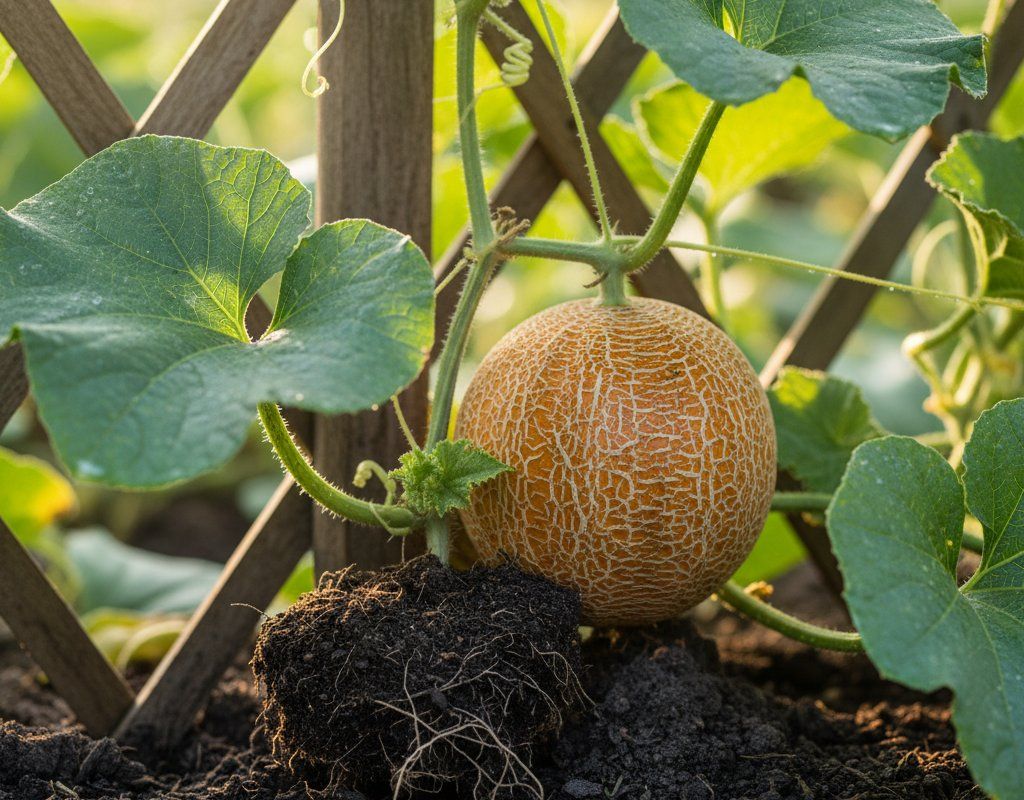
Borage is a fantastic companion plant, especially for summer crops that need a little help from pollinators. Planting it near tomatoes, squash, and cucumbers will draw in bees, which are essential for fruit set on those plants. The bees just can't resist those blue flowers.
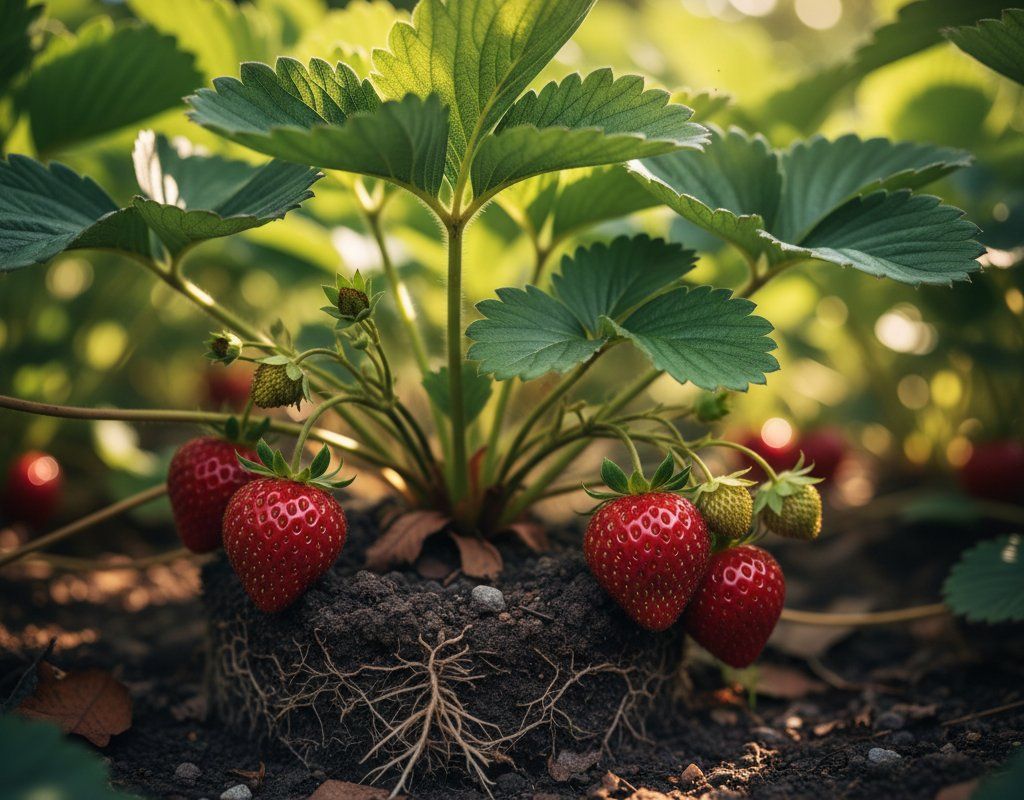
It's also known to be a great companion for strawberries, reportedly deterring some pests and improving their growth and flavor. There aren't many plants that borage dislikes, but because it can grow into a fairly large, bushy plant and self-seeds so readily, just be mindful not to plant it where it will crowd out smaller, more delicate herbs or low-growing vegetables.
🥬Best Vegetables to Pair With Borage
Borage benefits these vegetables through pest control, pollinator attraction, or improved garden health.



Get a Reminder When It's Time to Plant
We'll email you when key planting windows open for your zone.