
Sweet Alyssum in Zone 5B — Midwest
Lobularia maritima · Your Complete 2026 Planting Guide
Last Call for Seed Starting!
Indoor seed starting window closes in 10 days.
Start Seeds This Week
Start seeds now for transplanting later.
Or Wait for Starts
If you don’t want to start seeds, starts will be available around April 11.
How to Plant Sweet Alyssum in Zone 5B — Midwest
Here are all your options for getting sweet alyssum in the ground, from the easiest method to more advanced approaches.
Direct Sow Seeds
RecommendedMid April through mid August
around April 11
Consider succession planting every 2-3 weeks for continuous harvest.
Start Seeds Indoors
RecommendedLate February through mid March
around February 28
Then transplant: Mid April through late May
Start seeds 6-8 weeks before transplanting outdoors.
Buy Starts
Works WellMid April through late May
around April 11
Plant purchased starts after last frost (April 25).
Transplant Outdoors
Timing InfoMid April through late May
around April 11
Can tolerate light frost, but wait for soil to be workable.
You have a nice window — no need to rush.
Overview
Sweet Alyssum is a fantastic addition to any Midwest garden, offering a delicate fragrance and a carpet of tiny blooms that attract beneficial insects. It's incredibly versatile, acting as a living mulch, filling in gaps in your beds, and even looking lovely cascading from containers. Plus, it's a real morale booster to see those flowers thriving right through our summer heat spells.
Our Midwest weather can be unpredictable, with late frosts in spring and occasional summer scorchers. But don't worry, Sweet Alyssum is surprisingly resilient and with our 168-day growing season, you have plenty of time to get it established for a long season of blooms.
Starting Seeds Indoors
Starting Sweet Alyssum indoors isn't strictly necessary, but it can give you a head start, especially if you're itching to get gardening after a long winter. If you want to go this route, start your seeds indoors from late February through mid March, about six weeks before you plan to transplant them outdoors.
Use seed trays or small pots filled with a good seed-starting mix. Keep the soil consistently moist by bottom watering to prevent damping off. Place the trays in a warm location with plenty of light – a sunny windowsill or under grow lights works well. Given our moderate-to-late springs here in the Midwest, starting indoors allows you to get blooms earlier.
Transplanting Outdoors
Transplant your Sweet Alyssum seedlings outdoors from mid April through late May, after the danger of hard frost has passed. Before transplanting, harden off your seedlings by gradually exposing them to outdoor conditions for about a week. This helps them adjust to the temperature and sunlight.
When transplanting, space the plants 6-8 inches apart to allow for their spreading growth habit. Keep an eye on the weather forecast – those unexpected late cold snaps can still happen. If frost is predicted, cover your young plants with a frost blanket or row covers.
Direct Sowing
Direct sowing Sweet Alyssum is a simple and effective method, especially if you're looking for a more natural, relaxed approach. Sow seeds directly into your garden beds from mid April through mid August. The soil temperature needs to be consistently above 60°F for good germination.
Prepare the soil by loosening it and removing any weeds. Scatter the seeds thinly over the surface and gently press them into the soil. Space them roughly 6-8 inches apart, or thin later. Keep the soil consistently moist until the seedlings emerge. Direct sowing is great because it avoids transplant shock, but it does mean the plants are more vulnerable to pests and weather early on.
Watering Sweet Alyssum in Zone 5B (Midwest)
Sweet Alyssum needs moderate watering to thrive in our Midwest climate. While we get decent rainfall here, especially during the summer, it's important to monitor soil moisture levels, especially during those summer heat spells.
A good rule of thumb is to check the soil moisture about 2 inches deep – if it feels dry to the touch, it's time to water. Aim for about 1 inch of water per week, either from rainfall or irrigation. Water at the base of the plants to avoid wetting the foliage, which can encourage fungal diseases in our moderate-to-humid conditions.
Signs of underwatering include wilting leaves and stunted growth. Overwatering, on the other hand, can lead to yellowing leaves and root rot. Mulching around the plants with a layer of straw or shredded bark helps retain moisture and suppress weeds, which is always a win in the Midwest.
Pruning & Maintaining Sweet Alyssum
Pruning Sweet Alyssum is minimal, but a little attention can keep your plants looking their best throughout the growing season. The main thing is to shear back the plants by about half when they start to look leggy or stop flowering prolifically, usually in midsummer.
Don't worry about being too precise – just give them a good trim all over. This encourages fresh growth and a new flush of flowers. As the first frost approaches in early October, you can leave the plants as they are. They’ll likely die back over the winter, but you can clean up the dead foliage in the spring.
🧪Fertilizing Sweet Alyssum
Feeding Schedule
Organic Fertilizer Options
Harvest Time
Sweet Alyssum is primarily grown for its ornamental value and its ability to attract beneficial insects, so there's no real "harvest" in the traditional sense. You can expect your first blooms to appear about 45 days after planting, so from late May through mid October depending on when you planted.
The flowers will bloom continuously throughout the growing season. Deadheading spent blooms can encourage more flowers, but it's not essential. Just let them do their thing! As the first frost approaches in early October, the plants will naturally start to decline, but they'll have provided beauty and support to your garden all season long.
Common Problems in Zone 5B (Midwest)
Here are a few common problems you might encounter with Sweet Alyssum in the Midwest:
Downy Mildew
- What it looks like: Yellow patches on leaf tops with fuzzy gray-purple growth on undersides. Leaves brown and die from the bottom up.
- What causes it: This is caused by an oomycete pathogen that spreads in cool, humid conditions via wind-carried spores.
- How to fix/prevent it: Remove affected leaves immediately. Improve air circulation by spacing plants properly. Water at the base, never overhead. Copper-based fungicides can be used for prevention.
May Die Back in Extreme Heat
- What it looks like: Plants may wilt, stop flowering, or even die back during periods of intense heat.
- What causes it: While Sweet Alyssum is relatively heat-tolerant, prolonged periods of extreme heat can stress the plants.
- How to fix/prevent it: Provide afternoon shade during heat spells. Ensure adequate watering, but avoid overwatering. Mulch around the plants to help retain soil moisture. They usually bounce back when temperatures cool off.
Flea Beetles
- What it looks like: Tiny round holes (shot-hole pattern) in leaves. Small dark beetles that jump when disturbed.
- What causes it: These are small jumping beetles that feed on leaves. They're most damaging to small, young plants.
- How to fix/prevent it: Row covers protect seedlings during the vulnerable stage. Delay planting until plants are larger. Kaolin clay coating can deter them. Neem oil spray can also help. Healthy, vigorous plants often outgrow the damage.
Midwest Specific Challenges: Our moderate-to-hot summers, moderate-to-humid humidity, and wet-summer rainfall can create favorable conditions for fungal diseases like downy mildew. Monitoring soil moisture levels and ensuring good air circulation are key to keeping your Sweet Alyssum healthy and thriving.
Best Companions for Sweet Alyssum
Plant these nearby for healthier Sweet Alyssum and better harvests.
View Full Companion Planting Chart →


Companion Planting Details
Sweet Alyssum makes a great companion plant in the Midwest garden. It attracts beneficial insects like hoverflies and ladybugs, which prey on aphids and other pests.
Good companions include:
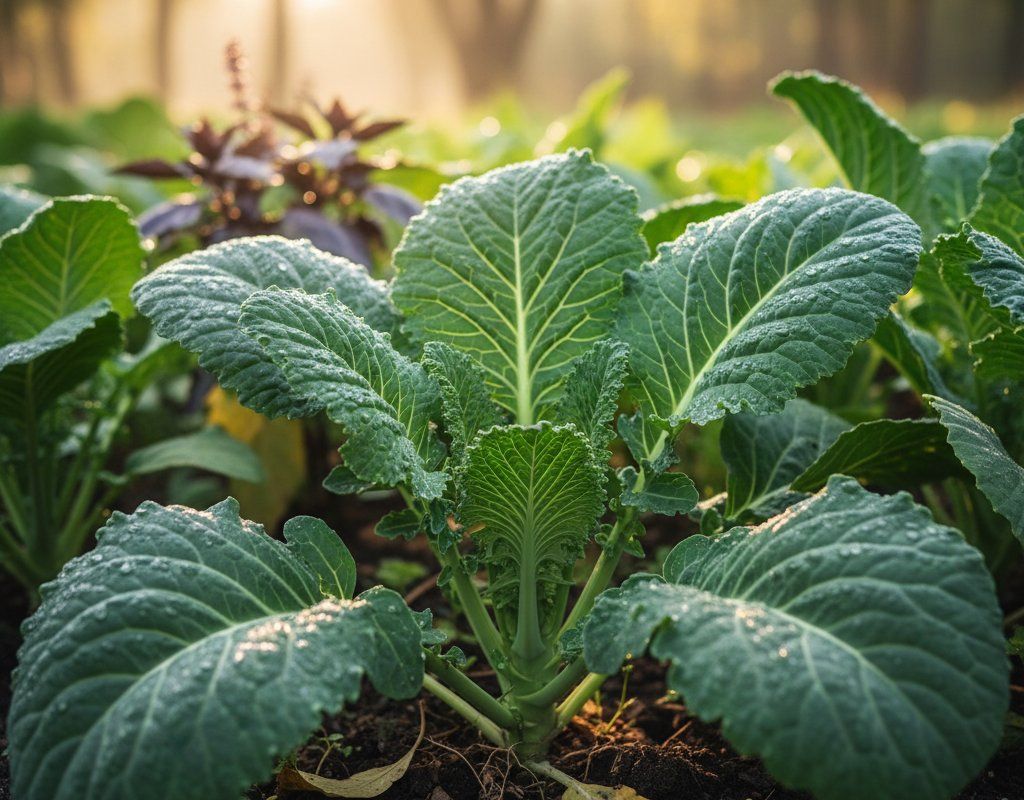
- Broccoli: The beneficial insects attracted by Sweet Alyssum can help control pests that attack broccoli.
- Potato: Sweet Alyssum can act as a living mulch around potato plants, helping to retain moisture and suppress weeds.
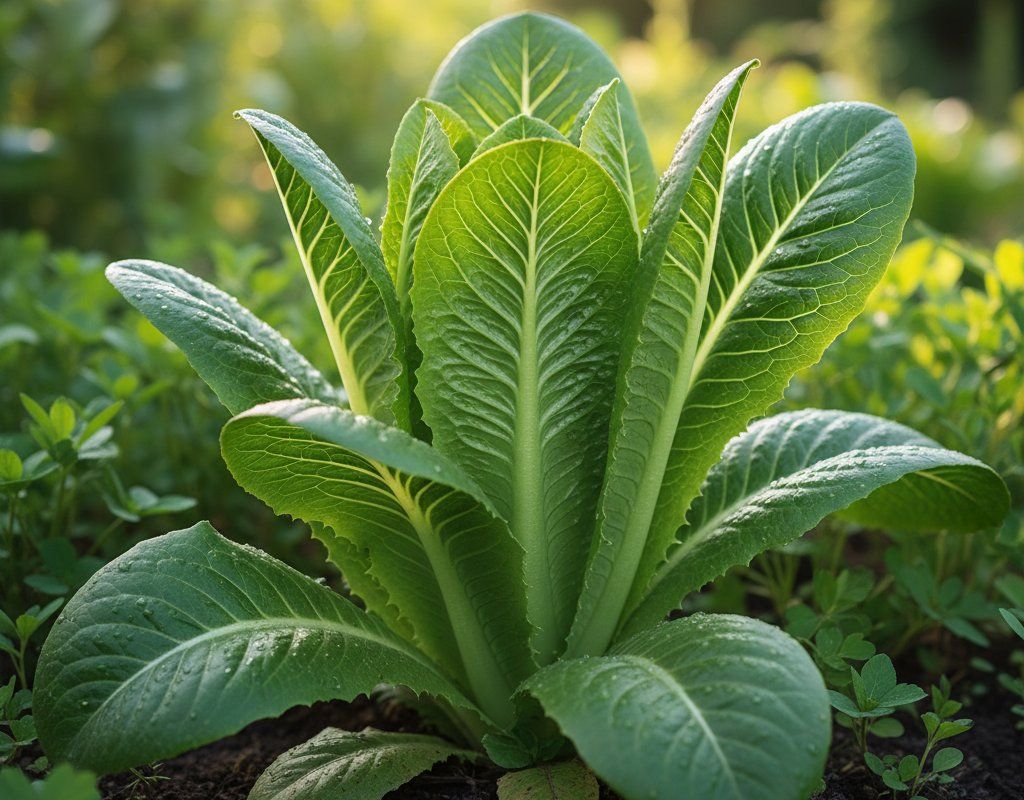
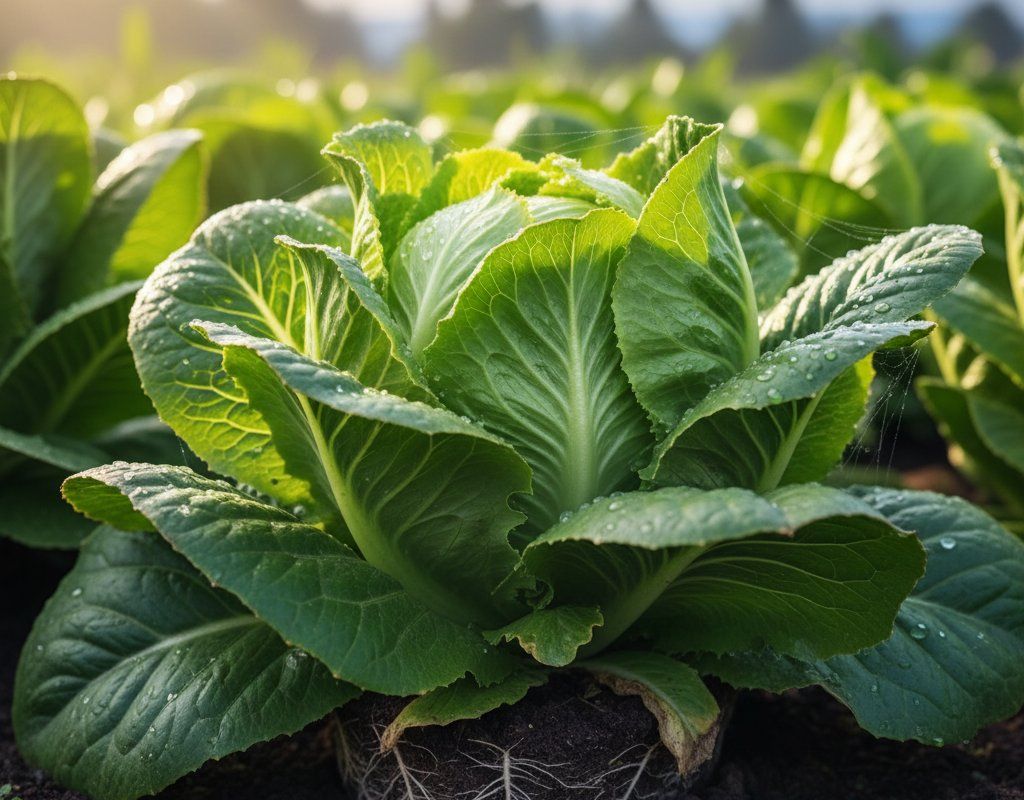
- Lettuce: The ground cover provided by Sweet Alyssum can help keep the soil cool and moist, which lettuce appreciates, especially during our summer heat spells.
Avoid planting Sweet Alyssum near plants that are highly susceptible to downy mildew, as it can potentially spread the disease.
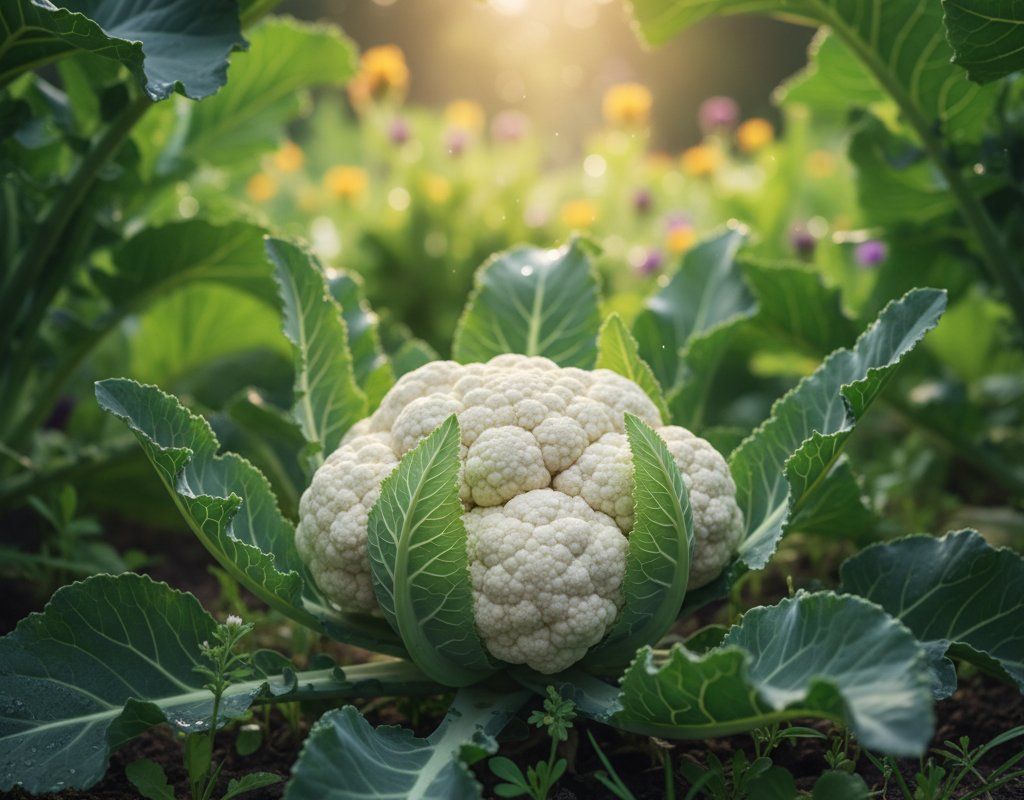
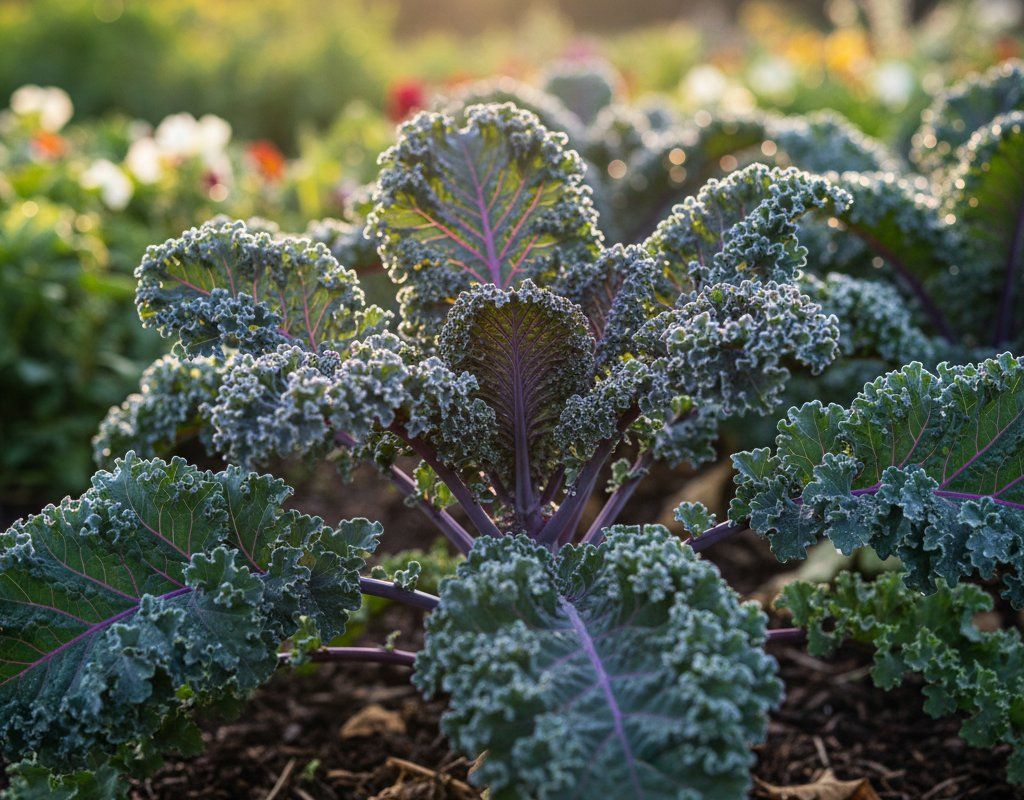
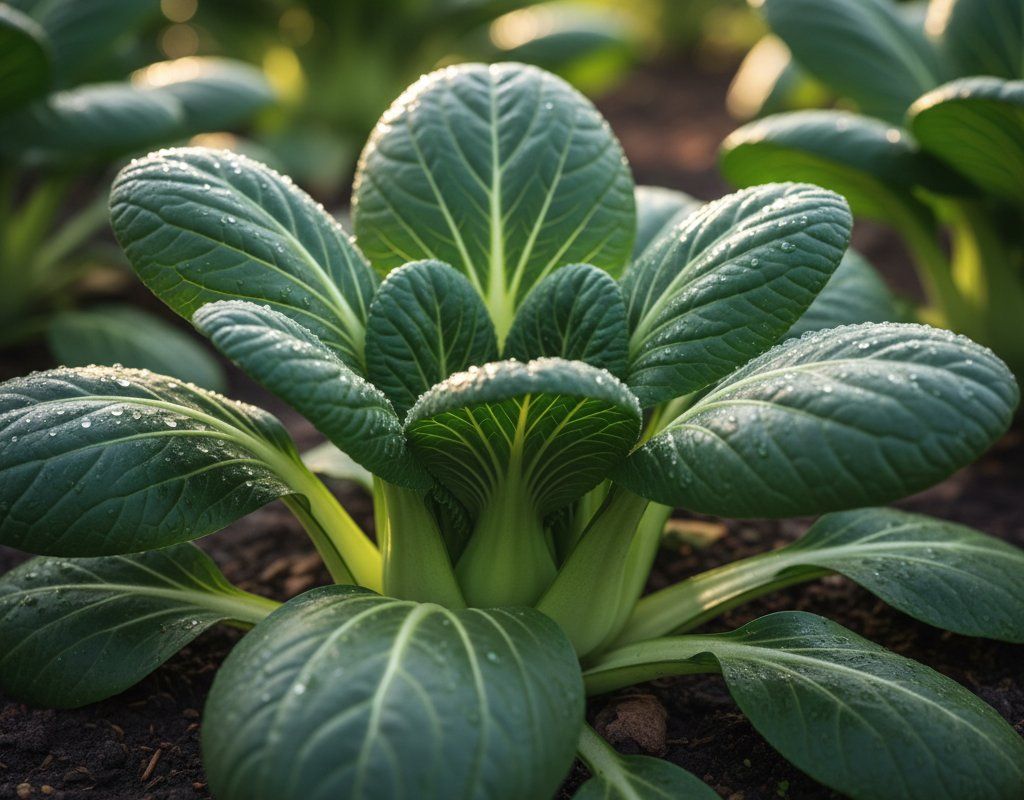
🥬Best Vegetables to Pair With Sweet Alyssum
Sweet Alyssum benefits these vegetables through pest control, pollinator attraction, or improved garden health.

Get a Reminder When It's Time to Plant
We'll email you when key planting windows open for your zone.