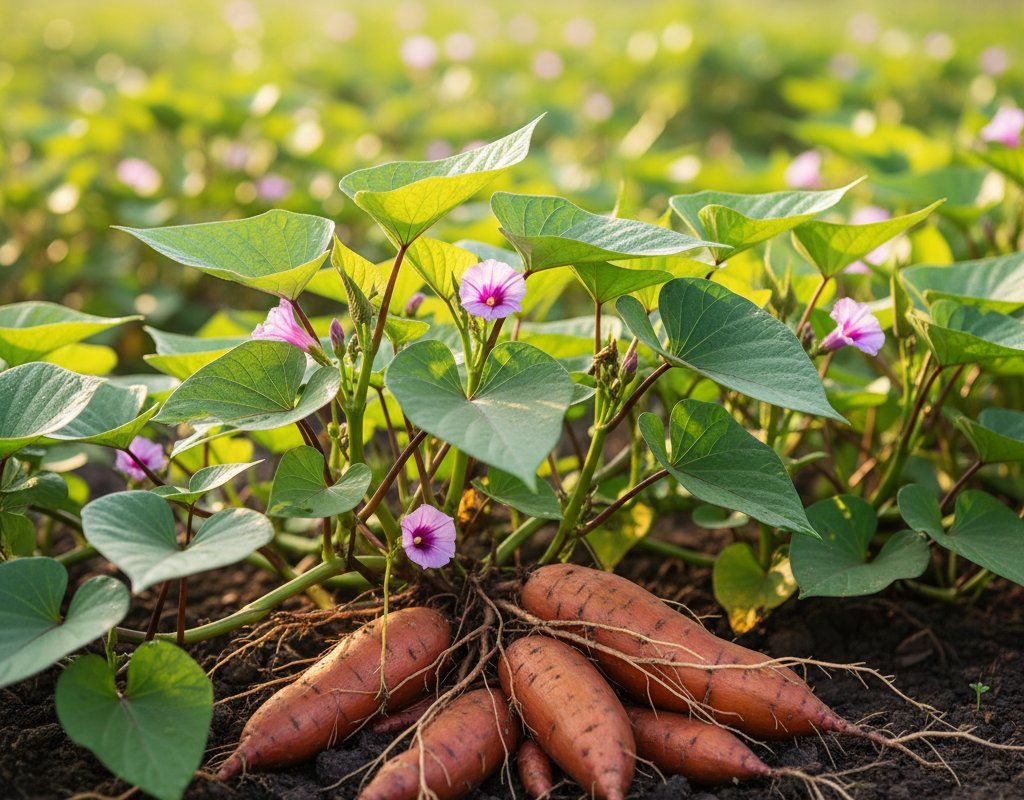
Sweet Potato in Zone 10A — Florida
Ipomoea batatas · Your Complete 2026 Planting Guide
Check Planting Details Below
See the full planting guide for timing information.
How to Plant Sweet Potato in Zone 10A — Florida
Here are all your options for getting sweet potato in the ground, from the easiest method to more advanced approaches.
Buy Starts
RecommendedLate January through late February
around January 31
Plant purchased starts after last frost (January 10).
Plant slips (rooted sprouts) after soil is warm. Buy slips or grow your own from a sweet potato.
Start Seeds Indoors
Works WellLate November through mid December
around December 6
Then transplant: Late January through late February
Start seeds 8-10 weeks before transplanting outdoors.
Direct Sow Seeds
ChallengingDirect sowing is not typical for Sweet Potato.
Transplant Outdoors
Timing InfoLate January through late February
around January 31
Wait until nighttime temperatures stay above 50°F.
Plan to transplant within a few weeks of your target date.
Overview
Sweet potatoes are one of Florida's most rewarding crops, thriving in our hot summers when many other vegetables struggle. These nutritious tubers store beautifully and give you that satisfying harvest of hidden treasure underground that makes all the waiting worthwhile. Plus, sweet potatoes actually prefer our sandy soils and can handle the intense heat that sends tomatoes into hiding.
While our extreme humidity and nematode pressure can challenge many crops, sweet potatoes are surprisingly resilient once established. The key is working with Florida's reversed growing calendar - you'll start slips in late winter and harvest before our summer rains really kick in. With 355 growing days, you have plenty of flexibility to time everything just right for your garden's microclimate.
Starting Seeds Indoors
Starting sweet potatoes from seed isn't the typical approach - most Florida gardeners work with slips (rooted sprouts) instead. However, if you want to try growing from true seed for variety selection, start indoors from late November through mid-December, about 8 weeks before transplanting.
Set up your seed trays with bottom heat around 75-80°F, which is perfect for Florida's winter indoor temperatures. Use bottom watering to prevent fungal issues that can develop quickly in our humid conditions. The seedlings will be quite small and tender compared to traditional slips.
Keep in mind that our spring growing season is short and sweet - you need plants ready to go into the ground by late February at the latest. Most experienced Florida gardeners skip the seed route entirely and either buy certified slips or create their own by placing whole sweet potatoes in warm, moist conditions to sprout.
Transplanting Outdoors
Transplant your sweet potato slips outdoors from late January through late February, once soil temperatures consistently stay above 60°F. This timing gives you the full growing season before summer heat becomes overwhelming and positions harvest ahead of our hurricane season.
Harden off slips gradually over a week, starting with just 2-3 hours of morning sun and increasing daily exposure. Our February weather can swing between warm and surprisingly cool, so watch for those unexpected cold snaps that can shock tender plants. Space slips 12-18 inches apart in rows, giving the vines room to spread as they grow.
Plant slips slightly deeper than they were growing, burying about two-thirds of the stem to encourage strong root development. The sandy soil most of us work with drains quickly, which sweet potatoes appreciate, but you'll want to water them in well and keep soil consistently moist for the first few weeks while roots establish.
Watering Sweet Potato in Zone 10A (Florida)
Sweet potatoes need moderate watering once established, making them surprisingly manageable in Florida's wet-summer climate. During the critical establishment period in late winter and early spring, provide about 1 inch of water per week if rainfall doesn't cooperate. Use the finger test - stick your finger 2 inches into the soil near the base of plants. If it's dry at that depth, it's time to water.
Focus on watering at soil level rather than overhead, especially given our very high humidity that can encourage fungal problems on wet foliage. Morning watering works best, giving plants time to dry before evening when humidity naturally climbs even higher. A 2-3 inch layer of organic mulch helps maintain consistent moisture levels and keeps those shallow feeder roots cool during hot spells.
By late spring, established sweet potato plants become quite drought-tolerant and can handle our intense summer heat with minimal supplemental watering. In fact, you want to reduce watering 3-4 weeks before harvest to concentrate sugars and prevent the tubers from continuing to grow too large. Watch for wilting during the hottest part of the day - if plants don't recover by evening, they need water.
Our 50-65 inches of annual rainfall means you'll rarely need to water during peak summer, but keep an eye on drainage. Sweet potatoes hate waterlogged conditions, which can lead to rot issues in Florida's heavy clay pockets or poorly draining areas.
🧪Fertilizing Sweet Potato
Feeding Schedule
Organic Fertilizer Options
Harvest Time
Your first sweet potatoes will be ready from mid-May through late June, typically right around the 100-day mark from transplanting. Unlike some crops that give you obvious visual cues, sweet potatoes require a bit of detective work. Start by carefully digging around one hill to check tuber size - they should be well-formed and have reached good eating size, usually 3-4 inches in diameter.
Harvest on a dry day when soil isn't muddy, using a digging fork or spade to carefully loosen soil around each hill. Work from the outside in, since those vines can spread 3-4 feet from the original planting spot. Sweet potatoes are surprisingly fragile when fresh - their skins bruise easily and any nicks can lead to storage problems later.
The beauty of Florida timing is that you'll finish harvest well before our first frost arrives around late December. This gives you months of cured, sweet storage if you handle them properly. Once dug, brush off excess soil but don't wash them. Cure tubers in a warm (80-85°F), humid location for 1-2 weeks - your garage or covered patio works perfectly for this in late spring Florida weather.
After curing, properly stored sweet potatoes can last 6-8 months, carrying you through summer when fresh garden production slows down. Any damaged tubers should be used first, while perfect ones can be stored in a cool, dark place for winter eating.
Common Problems in Zone 10A (Florida)
Sweet Potato Weevils These small, dark beetles create the most serious pest problem for Florida sweet potato growers. Adult weevils lay eggs in stems or exposed tubers, and their larvae tunnel through roots creating brown, stringy damage that makes tubers inedible. You'll notice entry holes in tubers and stunted, yellowing vines.
The weevils thrive in our warm, humid conditions and can overwinter successfully in Zone 10A. Prevention is key - use certified, clean planting stock and avoid planting where sweet potatoes or morning glories (their alternative host) grew previously. Crop rotation of at least 3 years helps break the cycle.
Wireworms These thin, brown larvae of click beetles bore into sweet potato tubers, creating tunnels that invite rot and make storage impossible. You'll find smooth, round holes about the diameter of a pencil, often with the larvae still inside when you harvest.
Wireworms are particularly problematic in Florida's sandy soils and areas that were previously in grass. They're most active during our warm, moist spring planting season. Work your beds deeply in winter to expose larvae to cold, and consider beneficial nematodes as a biological control option.
Cracking Sweet potato tubers can develop splits and cracks, especially during periods of inconsistent moisture. Cracks typically appear as surface splits that can deepen over time, exposing the flesh to rot and storage problems.
Heavy spring rains followed by dry spells trigger most cracking issues, as tubers absorb water faster than their skins can expand. Maintain consistent soil moisture with mulch, and avoid overwatering as harvest approaches. Some varieties show more resistance to cracking than others.
Florida Specific Challenges: Our extreme humidity creates perfect conditions for fungal diseases to take hold quickly, while sandy soils can harbor wireworms and nematodes. The intense summer heat that follows your growing season means timing everything right - any delays in planting push you into less favorable growing conditions when other garden demands peak.
Best Companions for Sweet Potato
Plant these nearby for healthier Sweet Potato and better harvests.


Keep Away From
Companion Planting Details
Sweet potatoes make excellent companions for beans and corn, creating a modified version of the traditional Three Sisters planting. The beans fix nitrogen that sweet potatoes can use later in the season, while the sprawling sweet potato vines provide living mulch that helps retain soil moisture during Florida's hot late spring weather. Corn provides some afternoon shade for the vines, which can appreciate protection from our most intense sun.
Avoid planting sweet potatoes near tomatoes or other nightshades, as they compete for similar soil nutrients and can harbor some of the same pest problems. The vigorous sweet potato vines also need room to spread - crowding them with other large plants reduces air circulation, which is particularly important in Florida's humid conditions where fungal issues can develop quickly.
🌸Best Flowers to Plant with Sweet Potato
These flowers protect your Sweet Potato from pests and attract pollinators for better harvests.
For Pest Control




Get a Reminder When It's Time to Plant
We'll email you when key planting windows open for your zone.