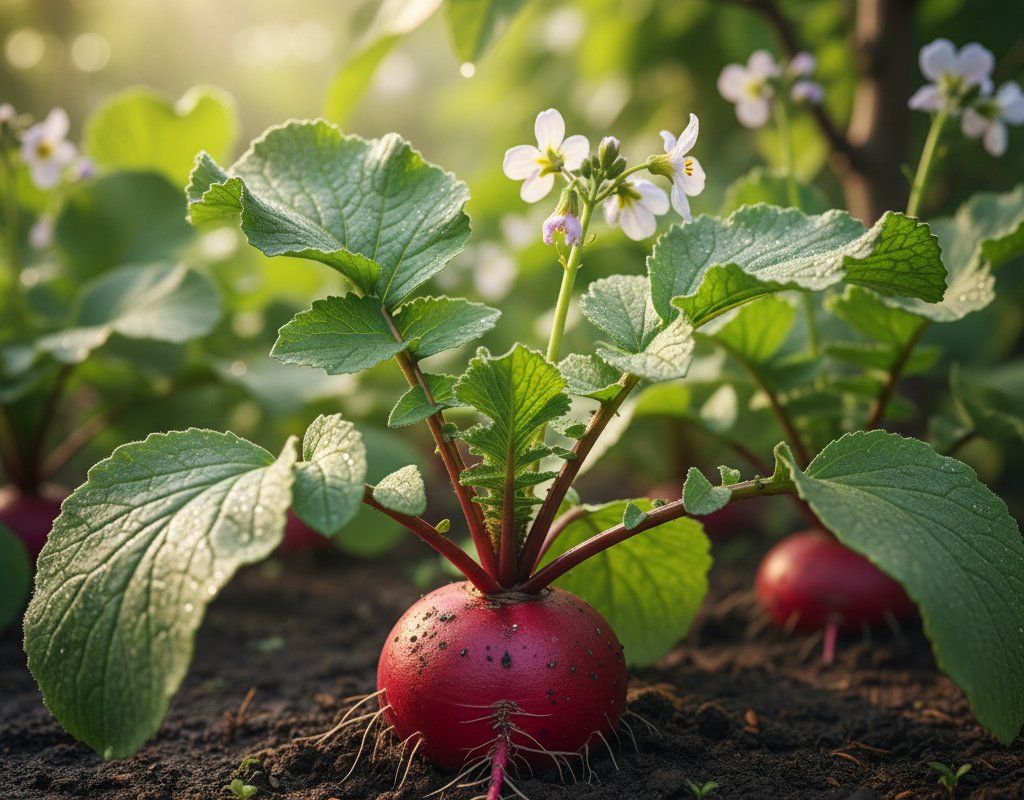
Radish in Zone 10A — Florida
Raphanus sativus · Your Complete 2026 Planting Guide
Harvest Time!
Your Radish should be producing now!
Harvest Tips
Check size by brushing soil away from crown. Pull when ready.
How to Plant Radish in Zone 10A — Florida
Here are all your options for getting radish in the ground, from the easiest method to more advanced approaches.
Direct Sow Seeds
RecommendedMid December through late November
around December 13
Consider succession planting every 2-3 weeks for continuous harvest.
Fast-growing and easy. No reason to start indoors.
Buy Starts
Works WellMid December through late January
around December 13
Plant purchased starts after last frost (January 10).
Start Seeds Indoors
ChallengingThis plant is typically not started indoors.
Transplant Outdoors
Timing InfoMid December through late January
around December 13
Can tolerate light frost, but wait for soil to be workable.
You have a nice window — no need to rush.
Fall Planting
Early November through early December
November 19 ideal · Direct sow for fall harvest
Plant a second crop in mid-summer for fall harvest. Radish actually prefers the cooling temperatures of fall.
Overview
Radishes are one of Florida's most rewarding quick crops, delivering crisp, peppery roots in just 25 days from seed to harvest. In our subtropical climate, you can enjoy fresh radishes throughout most of the year, with the sweetest, mildest roots growing during our cooler months when the humidity drops and temperatures stay comfortable for these cool-season favorites.
While Florida's extreme humidity and summer heat can challenge many vegetables, radishes thrive when you work with our reversed growing calendar. Our 355-day growing season means you can succession plant radishes from fall through early spring, avoiding the brutal summer months when these crops would bolt immediately. Time it right, and you'll have continuous harvests of crisp radishes while much of the country sits under snow.
Transplanting Outdoors
Radishes don't typically need transplanting since they're usually direct-sown, but if you started some indoors for an early crop, you can transplant them outdoors from mid-December through late January. This timing takes advantage of Florida's mild winter temperatures when nights stay above freezing and days hover in the comfortable 60-70°F range.
Harden off your seedlings gradually over a week, starting with just a few hours of morning sun and working up to full outdoor exposure. The transition from indoor conditions to Florida's high humidity can shock young plants if done too quickly. Space transplants 2-4 inches apart in well-draining soil, as our winter rains can create soggy conditions that lead to rot.
Keep an eye on weather patterns during transplant time. Late December through January can bring surprise cold snaps to North Florida, though radishes handle light frost just fine. The bigger concern is extended wet periods that can cause transplant shock in our heavy clay or sandy soils.
Direct Sowing
Direct sowing is absolutely the way to go with radishes in Florida - these fast growers don't like their roots disturbed and perform much better when started where they'll grow. You can sow radish seeds from mid-December all the way through late November, essentially year-round except for our hottest summer months when they'd bolt immediately.
Prepare your beds with compost or aged manure to improve drainage in heavy soils or add organic matter to sandy soils. Radish seeds germinate quickly in soil temperatures between 45-85°F, perfect for our winter and spring conditions. Sow seeds ¼ inch deep and space them 2-4 inches apart, or broadcast thinly and thin later.
The beauty of radishes in Florida is you can succession plant every 2-3 weeks for continuous harvests. Start your first sowings in early fall as temperatures begin to moderate, then keep planting through winter and early spring. Skip the summer months entirely - even heat-tolerant varieties will bolt in our 93°F days and muggy nights.
Watering Radish in Zone 10A (Florida)
Radishes need consistent moisture to develop those crisp, mild roots we're after, but Florida's wet summers and high humidity create unique watering challenges. During our main growing season (fall through spring), natural rainfall often provides much of what radishes need, but you'll need to supplement during dry spells to maintain even soil moisture.
Water deeply but less frequently rather than light daily watering, which encourages shallow root development. Aim for about 1 inch of water per week, including rainfall. Use the finger test - stick your finger 2 inches into the soil, and if it's dry, it's time to water. In our sandy soils, this might mean watering every 2-3 days during dry periods.
Water at soil level rather than overhead to reduce fungal problems in our humid climate. Drip irrigation or soaker hoses work perfectly for radish beds. Inconsistent watering is radishes' biggest enemy - drought stress causes roots to become pithy, woody, and mouth-searingly hot instead of crisp and mildly peppery.
A light mulch of shredded leaves or grass clippings helps maintain consistent moisture while preventing soil splash during heavy Florida downpours. Since radishes mature so quickly (just 25 days), maintaining steady moisture for less than a month isn't too demanding, but those roots develop fast and need consistent conditions to stay tender.
🧪Fertilizing Radish
Feeding Schedule
Organic Fertilizer Options
Harvest Time
Your first radishes will be ready for harvest around early January if you planted in early December, with most varieties maturing in just 25 days. Watch for the shoulders to push up above the soil surface - this is your cue that the roots have reached good size and are ready to pull.
Harvest when roots reach about 1 inch in diameter for spring-type radishes, though some varieties can grow larger without becoming woody. Pull them straight up with a gentle twisting motion, or use a small fork to loosen the soil around larger roots. The leaves will tell you a lot - healthy green tops usually indicate good roots below, while yellowing leaves often mean the roots are past their prime.
Don't leave radishes in the ground too long, especially as temperatures start warming up in late spring. Once they pass maturity, roots become woody, pithy, and increasingly hot. Unlike some root crops, radishes don't improve with storage in the ground and should be harvested promptly when ready.
As your growing season winds down and first frost approaches in late December, harvest any remaining radishes since they won't survive Florida's brief cold snaps. The good news is you can start your next succession planting almost immediately, keeping fresh radishes coming throughout our long growing season.
Common Problems in Zone 10A (Florida)
Flea Beetles You'll recognize flea beetle damage by the tiny round holes (shot-hole pattern) scattered across radish leaves, looking like someone used the foliage for target practice. These small, dark beetles jump like fleas when disturbed and cause the most damage to young seedlings when their feeding can seriously stress small plants.
Florida's warm temperatures and high humidity create perfect conditions for flea beetles to thrive and reproduce quickly. The beetles overwinter in garden debris and emerge as temperatures warm, making them an ongoing challenge throughout our extended growing season.
Cover young seedlings with lightweight row covers until they're established and can better tolerate feeding damage. Kaolin clay spray creates a barrier that deters beetles, while neem oil can reduce populations. Interplanting with aromatic herbs like basil often helps repel these pests. Healthy, vigorous plants usually outgrow the damage once they're past the seedling stage.
Root Maggots Root maggot damage appears as tunnels and brown, rotted areas in radish roots, often accompanied by stunted growth and yellowing leaves above ground. These white, rice-shaped larvae feed directly on the roots, making them inedible and destroying your harvest.
These pests thrive in Florida's organic-rich soils and are attracted to freshly tilled beds and areas with decaying organic matter. Adult flies lay eggs near the base of plants, and larvae tunnel into developing roots.
Avoid fresh manure in radish beds, as it attracts egg-laying flies. Use row covers during peak fly activity periods, and consider beneficial nematodes as a biological control. Crop rotation helps break the life cycle, so don't plant radishes or other brassicas in the same spot repeatedly.
Pithy Roots Pithy radishes develop a dry, cottony texture inside instead of crisp, juicy flesh, often accompanied by an intensely hot, unpalatable flavor. The roots may look normal from the outside but are disappointing when you bite into them.
Inconsistent watering is the primary culprit, especially during Florida's variable weather patterns where heavy rains alternate with dry periods. Heat stress from planting too late in spring or too early in fall also causes this problem, as does leaving roots in the ground past maturity.
Maintain consistent soil moisture throughout the growing period, mulching to buffer moisture fluctuations. Plant during optimal cool-weather windows and harvest promptly when roots reach maturity. In sandy Florida soils, this means checking soil moisture frequently and watering deeply when needed.
Florida Specific Challenges Our extreme humidity and frequent summer thunderstorms create ideal conditions for fungal diseases that can affect radish foliage, while nematodes in sandy soils can damage roots. The key to success is timing plantings for our reversed seasons and maintaining good air circulation around plants to minimize humidity-related problems.
Best Companions for Radish
Plant these nearby for healthier Radish and better harvests.


Keep Away From
Companion Planting Details
Radishes make excellent companions for carrots in Florida gardens - they germinate quickly and break the soil surface, making it easier for slow-germinating carrot seeds to emerge in our sometimes-crusting clay soils. Plant radish seeds mixed with carrot seeds, then harvest the radishes as the carrots need more space. Lettuce pairs beautifully with radishes since both prefer the same cool-season growing conditions and similar watering needs.
Peas work well planted nearby since they fix nitrogen in the soil, benefiting subsequent plantings, while cucumbers benefit from radishes' ability to deter cucumber beetles. However, avoid planting radishes near hyssop, which can inhibit radish growth and affect the flavor of the roots. The strong oils in hyssop seem to interfere with radish development, making this combination one to skip in Florida's intensive growing conditions.
🌸Best Flowers to Plant with Radish
These flowers protect your Radish from pests and attract pollinators for better harvests.



Get a Reminder When It's Time to Plant
We'll email you when key planting windows open for your zone.