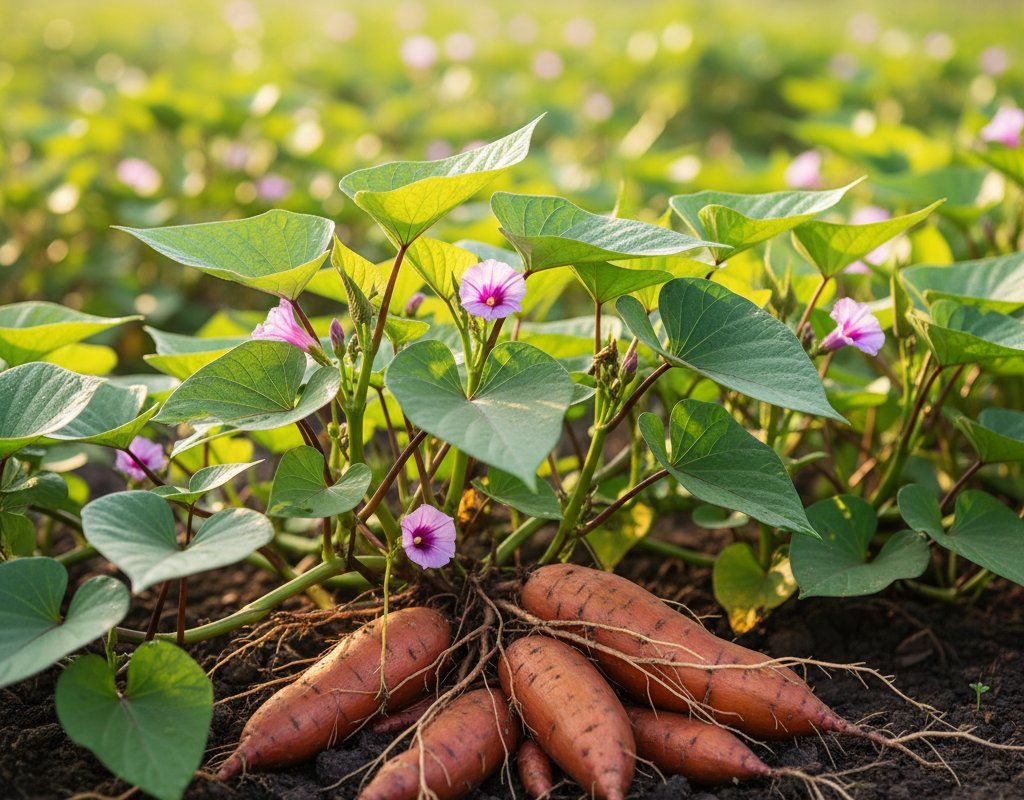
Sweet Potato in Zone 6B — Mountain West
Ipomoea batatas · Your Complete 2026 Planting Guide
Planning Ahead — Great!
You’re ahead of the season. Here’s when to start.
Mark Your Calendar
How to Plant Sweet Potato in Zone 6B — Mountain West
Here are all your options for getting sweet potato in the ground, from the easiest method to more advanced approaches.
Buy Starts
RecommendedMid May through early June
around May 16
Plant purchased starts after last frost (April 25).
Plant slips (rooted sprouts) after soil is warm. Buy slips or grow your own from a sweet potato.
Start Seeds Indoors
Works WellMid March through early April
around March 21
Then transplant: Mid May through early June
Start seeds 8-10 weeks before transplanting outdoors.
Direct Sow Seeds
ChallengingDirect sowing is not typical for Sweet Potato.
Transplant Outdoors
Timing InfoMid May through early June
around May 16
Wait until nighttime temperatures stay above 50°F.
Plan to transplant within a few weeks of your target date.
Overview
Sweet potatoes bring exceptional flavor and nutrition to your Mountain West garden, offering a satisfying alternative to standard potatoes that thrives in our intense sunlight and well-draining soils. The cool nights that define our high altitude summers actually improve sweet potato quality, concentrating sugars and creating that coveted creamy texture. These vines also make excellent ground cover in larger gardens, spreading wide to suppress weeds while producing nutritious tubers beneath.
Growing sweet potatoes at altitude does require some planning around our short season and late spring start, but it's absolutely manageable with proper timing. Our 163-day growing season gives you just enough time if you start with healthy slips and plant after soil warms in late spring. The key is working with transplants rather than trying to direct sow in our cool mountain soil.
Starting Seeds Indoors
Starting sweet potatoes from seed isn't the typical approach—most gardeners use slips (rooted sprouts) instead. However, if you want to try seed starting, begin in mid-March through early April, about 8 weeks before transplanting outdoors. You'll need consistent warmth around 75-80°F and strong grow lights, as our late mountain springs don't provide reliable warmth for germination.
Set up seed trays with quality potting mix and use bottom watering to maintain even moisture without disturbing emerging seedlings. The warm soil and bright light requirements make this more challenging than starting other vegetables indoors. Given our short season, most Mountain gardeners find better success purchasing slips from nurseries or growing their own from store-bought sweet potatoes placed in water.
Transplanting Outdoors
Transplant your sweet potato slips outdoors from mid-May through early June, once soil temperatures consistently reach 60°F and nighttime temperatures stay above 50°F. In the Mountain West, this timing coincides with when our last frost risk passes and soil finally warms after our long, cool springs. Plan for a full week of hardening off, gradually exposing plants to outdoor conditions including our intense UV radiation.
Space slips 12-18 inches apart in loose, well-draining soil—our naturally sandy mountain soils work well for sweet potatoes. Create raised rows or mounded planting areas to improve drainage and help soil warm faster. Watch weather forecasts carefully during transplant season, as late spring temperature swings can still occur. If unexpected cold threatens, be ready with row covers or other protection for your newly planted slips.
Watering Sweet Potato in Zone 6B (Mountain West)
Sweet potatoes need moderate water to get established but become surprisingly drought-tolerant once their root systems develop—perfect for our dry mountain climate. During the first month after transplanting, water deeply once or twice per week, providing about 1 inch total. Use the finger test by checking soil moisture 2 inches deep; water when it feels dry at that depth.
As plants mature through mid-summer, you can reduce watering frequency since sweet potatoes actually prefer slightly drier conditions once established. Our low humidity and intense sun mean you'll still need to monitor soil moisture, but avoid overwatering which can lead to excessive foliage at the expense of tuber development. Water at the base of plants rather than overhead—this works well in our low humidity climate and helps prevent any potential disease issues.
About 3-4 weeks before your expected harvest in early fall, reduce watering significantly. This encourages tubers to mature properly and concentrates flavors. A thin layer of mulch helps maintain consistent soil moisture through our dry summers while protecting surface roots from our intense UV radiation.
🧪Fertilizing Sweet Potato
Feeding Schedule
Organic Fertilizer Options
Harvest Time
Your sweet potatoes will be ready for harvest from late August through early October, typically 100-110 days after transplanting. Unlike regular potatoes, sweet potatoes don't send clear signals when ready—you'll need to dig carefully to check tuber size and skin development. Mature sweet potatoes should have firm, intact skins that don't scratch off easily when rubbed.
Begin your harvest before our first frost arrives, usually in early October in the Mountain West. Use a digging fork to carefully loosen soil around plants, working from the outside in to avoid puncturing tubers. Sweet potatoes can grow surprisingly far from the main plant, so dig widely. Brush off soil gently but don't wash them—excess moisture can lead to rot during storage.
After digging, cure your sweet potatoes in a warm (80-85°F), humid location for 7-10 days. This process develops their sweet flavor and hardens the skin for storage. A greenhouse or sunny indoor space works well for curing in our dry mountain climate. Once cured, store in a cool, dark place around 55-60°F where they'll keep for several months.
Common Problems in Zone 6B (Mountain West)
Sweet Potato Weevils These small, dark beetles create small holes in tubers and can cause serious damage to your harvest. Adult weevils are about 1/4 inch long with a distinctive snout, while their larvae tunnel inside the sweet potatoes creating brown, bitter-tasting areas. In the Mountain West, weevils are less common due to our cooler temperatures, but they can still appear during warm spells.
Prevention works better than treatment—inspect slips carefully before planting and avoid bringing infested tubers into your garden. Crop rotation helps break the weevil lifecycle, and removing all plant debris after harvest eliminates overwintering sites. Our cool nights actually work in your favor here, as weevils prefer consistently warm temperatures.
Wireworms These thin, yellowish larvae create small holes and tunnels in sweet potato tubers, making them unmarketable and prone to rot. Wireworms are actually click beetle larvae and can be a persistent problem in mountain soils, especially in areas that were previously in grass or have high organic matter content.
Turn soil several times in early spring to expose wireworms to birds and harsh weather. Our intense UV and temperature swings help reduce populations. Consider using beneficial nematodes as a biological control, and avoid fresh manure which can attract adult beetles. Crop rotation away from grasses helps reduce wireworm pressure over time.
Cracking Sweet potato tubers can develop splits or cracks when growing conditions fluctuate, particularly with irregular watering patterns. These cracks expose flesh to rot organisms and make tubers unsuitable for storage. In our dry mountain climate, this often happens when heavy irrigation or rare summer storms follow extended dry periods.
Maintain consistent soil moisture throughout the growing season using mulch and regular deep watering. Our naturally well-draining mountain soils help, but avoid letting plants get severely stressed followed by heavy watering. Harvest promptly when tubers reach maturity rather than leaving them in fluctuating soil conditions as fall approaches.
Mountain West Specific Challenges: Our intense UV, low humidity, and cool nights create generally favorable conditions for sweet potatoes with minimal disease pressure. However, our short season means any setbacks from pests or weather can significantly impact harvest timing, making prevention strategies especially important at altitude.
Best Companions for Sweet Potato
Plant these nearby for healthier Sweet Potato and better harvests.


Keep Away From
Companion Planting Details
Sweet potatoes work well in traditional "Three Sisters" plantings with beans and corn, where the spreading sweet potato vines serve as living mulch while beans fix nitrogen for all three crops. The corn provides vertical structure that doesn't compete with the sweet potatoes' ground-level growth habit. This combination makes efficient use of space in smaller mountain gardens where our short season limits successive plantings.
Avoid planting sweet potatoes near other root vegetables like regular potatoes or carrots, as they compete for similar soil space and nutrients. The sprawling nature of sweet potato vines also means they can overwhelm smaller vegetables if not given adequate space. In our intensive mountain growing season, focus on companions that either grow vertically or mature quickly before the sweet potato vines spread fully.
🌸Best Flowers to Plant with Sweet Potato
These flowers protect your Sweet Potato from pests and attract pollinators for better harvests.
For Pest Control




Get a Reminder When It's Time to Plant
We'll email you when key planting windows open for your zone.