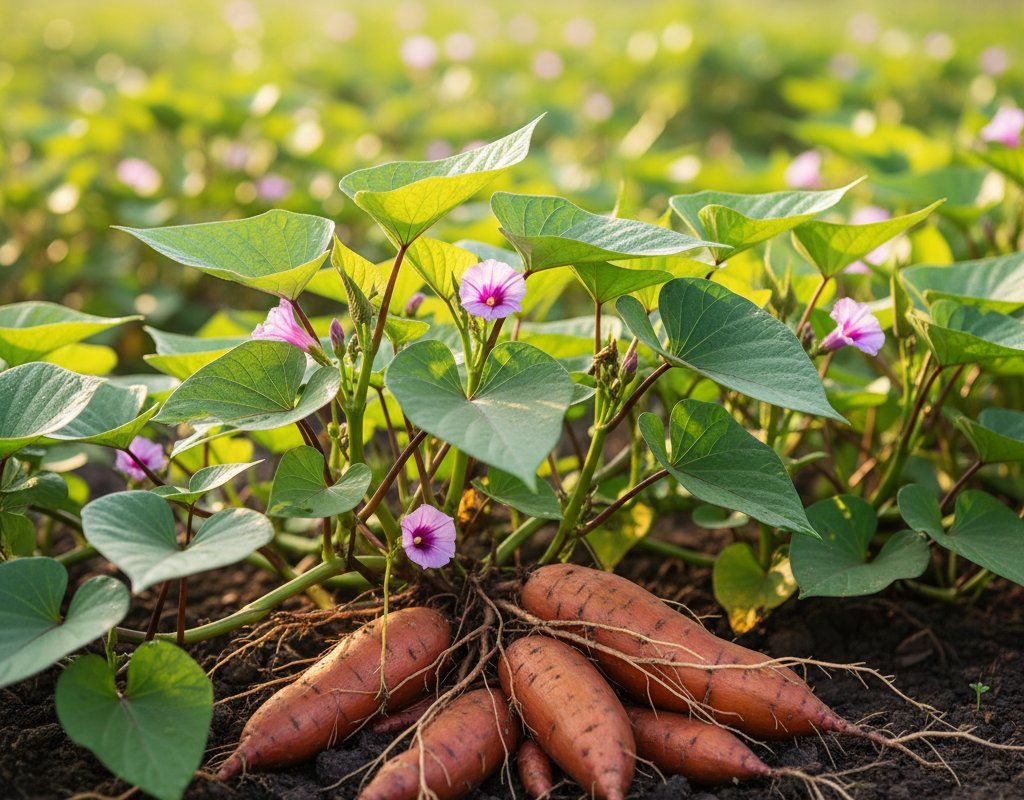
Sweet Potato in Zone 8B — Southeast
Ipomoea batatas · Your Complete 2026 Planting Guide
Missed Seed Starting? No Problem!
Wait for starts to become available.
What to Do
Starts will be available at nurseries in 27 days (around March 31).
How to Plant Sweet Potato in Zone 8B — Southeast
Here are all your options for getting sweet potato in the ground, from the easiest method to more advanced approaches.
Buy Starts
RecommendedLate March through late April
around March 31
Plant purchased starts after last frost (March 10).
Plant slips (rooted sprouts) after soil is warm. Buy slips or grow your own from a sweet potato.
Start Seeds Indoors
Works WellLate January through mid February
around February 3
Then transplant: Late March through late April
Start seeds 8-10 weeks before transplanting outdoors.
Direct Sow Seeds
ChallengingDirect sowing is not typical for Sweet Potato.
Transplant Outdoors
Timing InfoLate March through late April
around March 31
Wait until nighttime temperatures stay above 50°F.
Plan to transplant within a few weeks of your target date.
Overview
Sweet potatoes are a perfect match for our long Southeast growing season, thriving in our hot, humid summers while producing nutrient-packed tubers that store beautifully through winter. In Zone 8B, you get the full 255-day growing season these heat-loving vines need to develop those sweet, orange roots we all crave. There's real satisfaction in digging up a hill of sweet potatoes you grew from slips in your own garden, especially when store-bought ones can't touch the flavor of fresh-harvested varieties.
Our hot summers and reliable afternoon thunderstorms create ideal conditions for sweet potatoes, though you'll need to navigate some typical Southeast challenges like clay soil and humidity-related issues. The key is getting your timing right with transplanting and managing moisture through our wet summers. With 255 frost-free days to work with, you have plenty of room for success once you understand how these vines respond to our climate.
Starting Seeds Indoors
Starting sweet potatoes from seed isn't the typical approach most Southeast gardeners take. Sweet potatoes are usually grown from slips (rooted sprouts) that you either buy or grow yourself from a whole sweet potato. If you do want to try seeds, start them indoors during late January through mid-February, about 8 weeks before you plan to transplant outside.
Set up your seed trays with a good seed-starting mix and keep them consistently warm—sweet potato seeds need soil temperatures around 75-80°F to germinate well. Use bottom watering to keep the soil evenly moist without creating the soggy conditions that lead to fungal problems in our humid climate. You'll need strong grow lights since our moderate spring doesn't provide enough consistent sun indoors.
Most experienced Southeast gardeners skip seeds entirely and focus on growing or buying quality slips instead. This approach is more reliable and gets you to harvest faster in our climate.
Transplanting Outdoors
Transplant your sweet potato slips outdoors anytime from late March through late April, once soil temperatures consistently stay above 60°F and nighttime lows won't drop below 55°F. In the Southeast, this timing works well because our moderate spring gives you a good window without the extreme temperature swings some regions deal with.
Harden off your slips gradually over a full week, starting with just 2-3 hours outside in filtered sunlight and building up to full sun exposure. Sweet potatoes don't handle transplant shock well, so take this process seriously. Space your slips 12-18 inches apart to give those spreading vines room to grow—they'll need it by midsummer.
Plant your slips deep, burying about two-thirds of the stem to encourage a strong root system. Our clay soil can be challenging, so work in some compost or aged manure to improve drainage and give these roots a better start. If you're buying slips, local nurseries usually have them available by early April, timed perfectly for our planting window.
Watering Sweet Potato in Zone 8B (Southeast)
Sweet potatoes need moderate water to get established, then become surprisingly drought-tolerant once their root systems develop. In the Southeast, this works in your favor during our typically wet summers—you won't need to irrigate much if our usual afternoon thunderstorms deliver their 45-55 inches annually.
Water deeply once or twice a week during the first month after transplanting, giving them about an inch of water total. Check soil moisture by sticking your finger 2 inches down—if it's dry at that depth, it's time to water. Our humid climate means you want to water at the base of plants rather than overhead to minimize fungal disease pressure on the foliage.
Once established by early summer, sweet potato vines handle our heat and humidity remarkably well. They'll tap into moisture deep in clay soil that other crops can't reach. Actually, too much water during tuber development can cause problems—reduce watering during the last 3-4 weeks before harvest to prevent splitting and improve storage quality.
Mulch around your plants with 2-3 inches of straw or shredded leaves to maintain even soil moisture and keep those sprawling vines from rooting at every node. In our wet summers, good mulching is more about preventing soil splash and disease than conserving water.
🧪Fertilizing Sweet Potato
Feeding Schedule
Organic Fertilizer Options
Harvest Time
Your first sweet potatoes will be ready for harvest from early July through mid-August, about 100 days after transplanting. Unlike regular potatoes, you can't really tell when sweet potatoes are ready by looking at the vines—they'll keep growing and producing until frost hits. The best approach is to carefully dig around one plant to check tuber size after about 90 days.
Harvest before our first frost in mid-November, even if the tubers seem small. Sweet potatoes are extremely frost-tender, and even a light freeze will damage the roots. Dig carefully with a fork, working from the outside of each hill inward to avoid spearing the tubers. Brush off soil but don't wash them—that protective skin needs to stay intact for proper curing.
Handle your harvest gently since sweet potato skin is thin and easily damaged when fresh. Any nicks or bruises will lead to rot during storage. Cure them immediately after digging in a warm (80-85°F), humid place for 7-10 days. A closed garage or warm basement works well in our climate—you want high humidity but good air circulation.
After curing, properly stored sweet potatoes will keep for months in a cool, dry place around 55-60°F. The curing process converts starches to sugars, which is why home-grown sweet potatoes taste so much better than store-bought ones that never get properly cured.
Common Problems in Zone 8B (Southeast)
Sweet Potato Weevils These small, dark beetles create holes in your tubers and can destroy an entire crop. Adult weevils lay eggs in the sweet potato stems near soil level, and the larvae tunnel through both vines and roots. You'll see small holes in the tubers and notice vines suddenly wilting despite adequate moisture.
Weevils thrive in our hot, humid Southeast climate and can be particularly troublesome in areas where sweet potatoes are grown commercially. Prevention is key—use certified disease-free slips, rotate your planting areas yearly, and remove all plant debris after harvest. Some Southeast gardeners cover their rows with fabric during peak weevil season in midsummer.
Wireworms These thin, yellowish larvae bore neat, round holes through your sweet potato tubers, making them look like they've been shot full of holes. Wireworms are actually beetle larvae that live in the soil and feed on roots and tubers. They're especially problematic in areas that were previously in grass or weedy ground.
Our clay soil can harbor wireworms for several years, and they're most active during our warm, moist spring months. Work the soil well before planting and consider solarizing problem areas during summer heat. Crop rotation helps, but these pests can persist for 2-3 years in the same location.
Cracking Sweet potato tubers split open, either in concentric circles or radiating lines, exposing the orange flesh to rot and pest damage. This happens when tubers absorb water faster than their skin can expand, usually after heavy rain or watering following a dry period.
Our unpredictable Southeast weather—swinging from drought to afternoon deluges—creates perfect conditions for cracking. Maintain consistent soil moisture through mulching and avoid heavy watering late in the season. Reduce irrigation during the last month before harvest to minimize this problem.
Southeast Specific Challenges: Our hot, humid summers create ideal conditions for fungal diseases that can affect sweet potato foliage, while Japanese beetles sometimes feed on the vines in midsummer. Clay soil drainage issues can cause root rot if we get extended wet periods. The key is maintaining good air circulation around plants and ensuring your soil drains well despite our heavy summer rainfall.
Best Companions for Sweet Potato
Plant these nearby for healthier Sweet Potato and better harvests.


Keep Away From
Companion Planting Details
Sweet potatoes pair beautifully with the traditional "three sisters" crops—beans, corn, and squash—all of which thrive in our Southeast heat and humidity. Plant pole beans near your sweet potato hills, and the vines will climb the bean poles while the beans fix nitrogen that benefits both crops. Corn provides afternoon shade during our hottest summer days, and its deep roots don't compete with the sweet potato tubers developing closer to the surface.
Avoid planting sweet potatoes near tomatoes or other nightshades, as they can share some of the same soil-borne diseases that our humid climate tends to promote. The sprawling sweet potato vines also need room to spread, so don't crowd them with other ground-covering crops that might compete for space or create too much moisture retention around the base of plants.
🌸Best Flowers to Plant with Sweet Potato
These flowers protect your Sweet Potato from pests and attract pollinators for better harvests.
For Pest Control




Get a Reminder When It's Time to Plant
We'll email you when key planting windows open for your zone.