
Tansy in Zone 7B — Mid-Atlantic
Tanacetum vulgare · Your Complete 2026 Planting Guide
Missed Seed Starting? No Problem!
Wait for starts to become available.
What to Do
Starts will be available at nurseries in 14 days (around March 18).
How to Plant Tansy in Zone 7B — Mid-Atlantic
Here are all your options for getting tansy in the ground, from the easiest method to more advanced approaches.
Direct Sow Seeds
RecommendedMid March through early August
around March 18
Consider succession planting every 2-3 weeks for continuous harvest.
Start Seeds Indoors
RecommendedLate January through mid February
around February 4
Then transplant: Mid March through mid April
Start seeds 6-8 weeks before transplanting outdoors.
Buy Starts
Works WellMid March through mid April
around March 18
Plant purchased starts after last frost (April 1).
Transplant Outdoors
Timing InfoMid March through mid April
around March 18
Can tolerate light frost, but wait for soil to be workable.
You have a nice window — no need to rush.
Overview
Tansy is a worthwhile addition to any Mid-Atlantic garden, primarily as a natural pest repellent. In our humid summers, keeping unwanted insects away from more vulnerable plants can be a real challenge. Tansy's strong scent helps deter many common garden pests, making it a valuable companion plant.
While we enjoy four distinct seasons here, our humid summers and occasional variable spring weather can present gardening hurdles. Thankfully, Tansy is quite adaptable, and with our lengthy 214-day growing season, you have plenty of time to get it established and producing.
Starting Seeds Indoors
Starting Tansy indoors in the Mid-Atlantic can give you a head start, but it's not strictly necessary. If you're aiming for earlier blooms or want to ensure germination, sow seeds indoors from late January through mid February, about six weeks before our typical transplant window. Use seed trays with a good seed-starting mix, provide warmth (a heat mat is helpful), and ensure plenty of light with grow lights.
Bottom watering is a good technique to keep the seedlings evenly moist without overwatering, which can be a problem in our humid climate. Place the tray in a shallow container of water and let the soil absorb moisture from the bottom. Given our moderate spring temperatures, indoor starting is more about getting ahead than avoiding harsh conditions.
Transplanting Outdoors
Transplant your Tansy seedlings outdoors from mid March through mid April, once the danger of a hard frost has passed. Before transplanting, harden off your seedlings by gradually exposing them to outdoor conditions for about a week. This helps them adjust to the sunlight, wind, and temperature fluctuations.
Space the plants 12-18 inches apart in well-drained soil. Keep an eye on the weather forecast, as we can still get some unexpected cold snaps during this period. If a late frost is predicted, cover your young plants with row covers or blankets for protection.
Direct Sowing
Direct sowing Tansy is a simple and effective method for Mid-Atlantic gardeners. Sow seeds directly into the garden from mid March through early August. Choose a location with full sun to partial shade and well-drained soil.
Prepare the soil by loosening it and removing any weeds or debris. Tansy isn't picky about soil, but it does appreciate a little compost mixed in. Lightly press the seeds into the soil, keeping the spacing to 12-18 inches. Keep the soil consistently moist until the seedlings emerge. Direct sowing works well since our spring weather is typically moderate, and the soil warms up nicely.
Watering Tansy in Zone 7B (Mid-Atlantic)
Tansy is remarkably drought-tolerant, making it a good fit for busy Mid-Atlantic gardeners. Once established, it thrives on neglect, and overwatering can actually be detrimental. In our climate, which features moderate-to-hot summers and even rainfall, be cautious about providing too much supplemental water.
During the spring and fall, when temperatures are milder and rainfall is more frequent, you likely won't need to water established Tansy at all unless we experience an unusually dry spell. In the heat of summer, check the soil moisture using the "finger test." Stick your finger about two inches deep into the soil near the base of the plant. If the soil feels dry, it's time to water. Aim for about one inch of water per week, including rainfall.
Always water at the base of the plant to avoid wetting the foliage, which can encourage fungal diseases in our humid environment. Signs of underwatering include wilting or drooping leaves, while yellowing leaves and soggy soil indicate overwatering. Mulching around your Tansy plants with a layer of organic matter like shredded leaves or wood chips helps retain moisture, suppress weeds, and regulate soil temperature.
Pruning & Maintaining Tansy
Pruning Tansy is primarily about managing its growth and preventing it from becoming overly aggressive. The most important pruning task is deadheading, which involves removing the spent flower heads. Do this regularly throughout the growing season to prevent the plant from self-seeding and spreading too much.
You can deadhead as soon as the flowers start to fade. In late fall, after the first frost around early November, cut the plant back to the ground. This helps tidy up the garden for winter and encourages fresh growth in the spring.
🧪Fertilizing Tansy
Feeding Schedule
Organic Fertilizer Options
Harvest Time
You can expect your first Tansy harvest starting in early June and continuing through early November in our Mid-Atlantic region. Tansy is ready to harvest when its button-like yellow flowers bloom, usually in midsummer. While not used for culinary purposes due to potential toxicity, Tansy is valued for its insect-repellent properties.
To harvest, simply cut the stems with flowers using sharp scissors or pruners. Harvested stems can be used fresh or dried for later use. Cut stems near the base of the plant to encourage continued production. As the first frost approaches in early November, harvest any remaining foliage to dry for winter use.
Common Problems in Zone 7B (Mid-Atlantic)
Tansy is generally a low-maintenance plant, but there are a couple of common problems that Mid-Atlantic gardeners might encounter.
Invasive Growth
- What it looks like: Tansy spreads rapidly via rhizomes and seeds, quickly colonizing garden beds and potentially crowding out other plants.
- What causes it: Tansy is a vigorous grower, and our even rainfall and moderate temperatures support its spread.
- How to fix/prevent it: Plant Tansy in containers or raised beds to restrict its roots. Deadhead flowers regularly to prevent seed dispersal. Monitor the surrounding area and remove any unwanted seedlings promptly. You can also use physical barriers, like edging, buried around the planting area.
Aphids
- What it looks like: Clusters of tiny soft-bodied insects (green, black, or white) on stems and leaf undersides. Sticky honeydew residue. Curled or distorted new growth.
- What causes it: Rapid-reproducing sap-sucking insects. Populations explode in warm weather. Ant colonies may farm them for honeydew.
- How to fix/prevent it: Strong water spray knocks them off. Encourage ladybugs and lacewings (natural predators). Insecticidal soap for heavy infestations. Neem oil works systemically. Avoid excess nitrogen fertilizer (it attracts them).
Mid-Atlantic Specific Challenges: Our moderate-to-hot summers and humid conditions can exacerbate both of these issues. The heat encourages aphid outbreaks, while the humidity can create favorable conditions for rapid vegetative growth, making Tansy even more invasive if not properly managed.
Best Companions for Tansy
Plant these nearby for healthier Tansy and better harvests.
View Full Companion Planting Chart →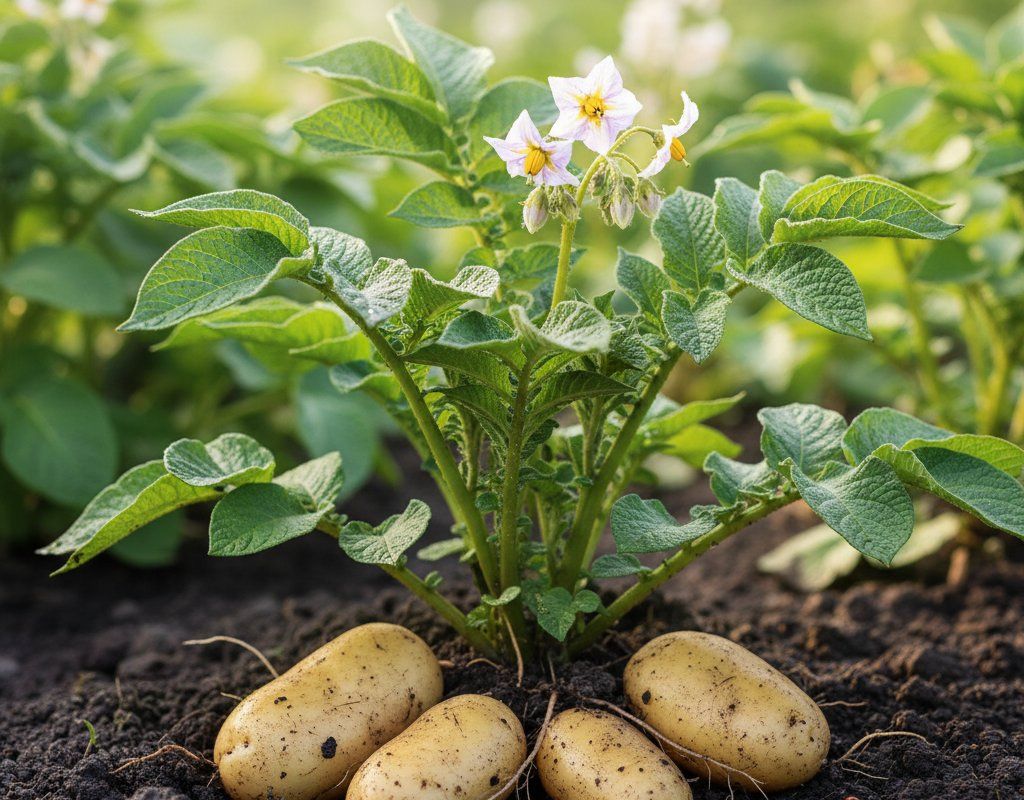


Companion Planting Details
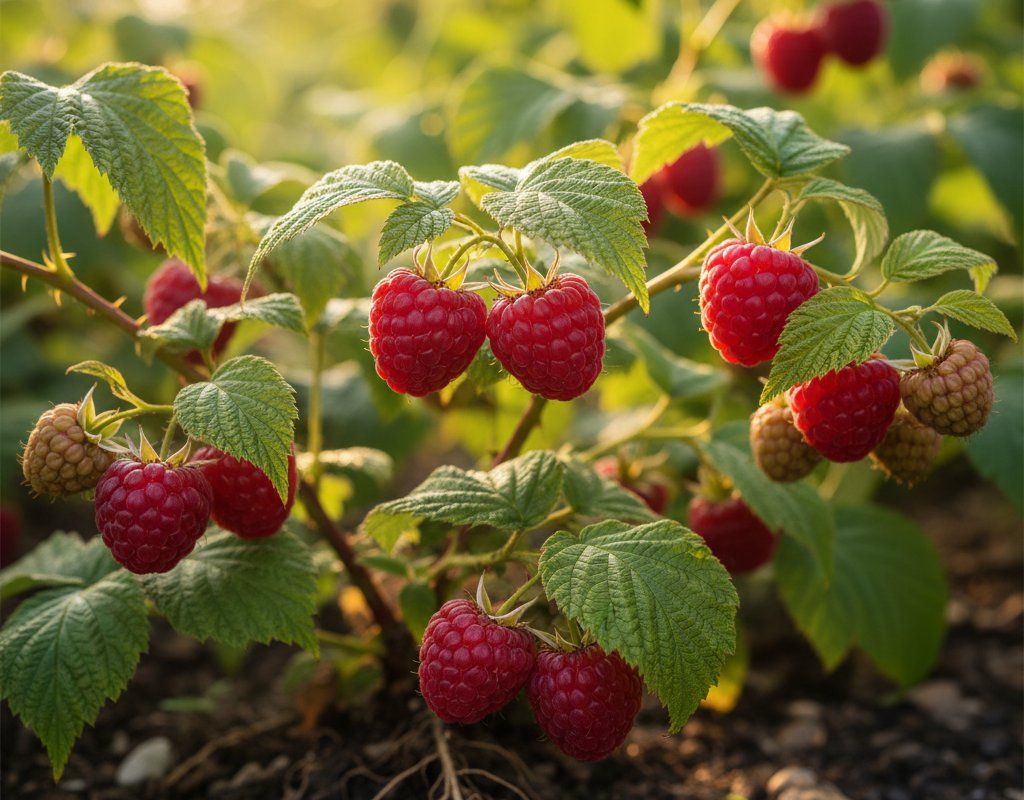
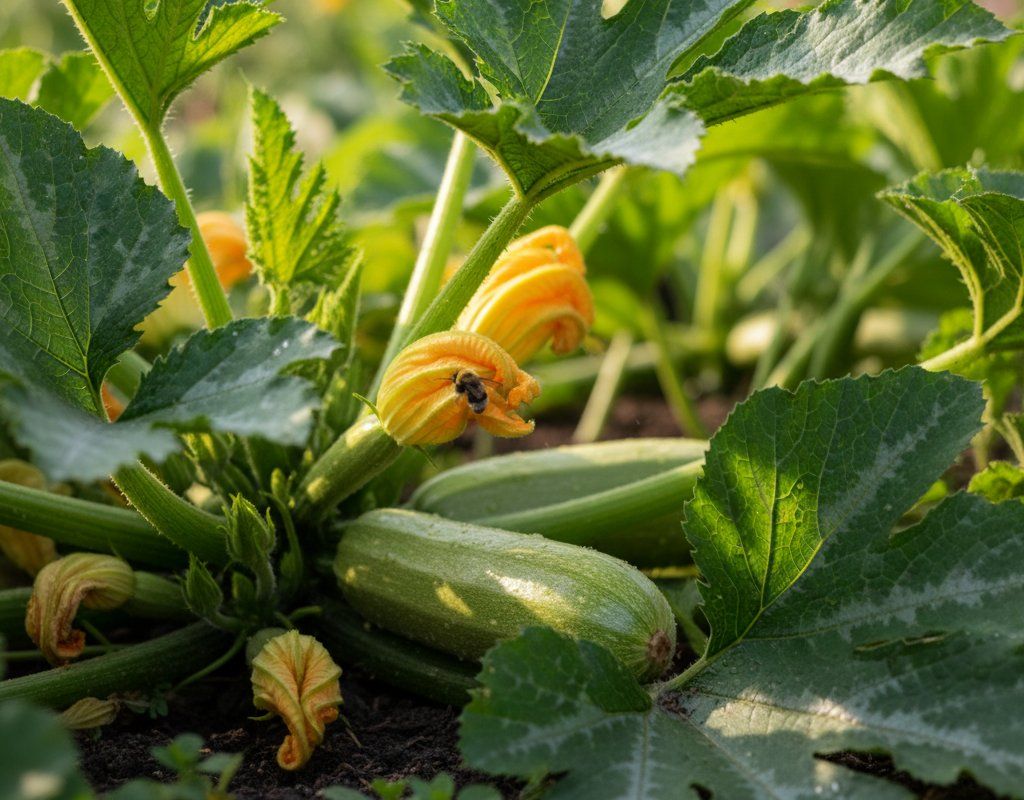
Tansy makes a good companion plant for several vegetables and fruits in the Mid-Atlantic garden. Plant it near potatoes to deter Colorado potato beetles. It also helps repel squash bugs and cucumber beetles when planted near squash and cucumbers.
Raspberries benefit from Tansy's presence as it deters raspberry beetles. Avoid planting Tansy near brassicas like cabbage or broccoli, as it can inhibit their growth. By choosing the right companions, you can leverage Tansy's pest-repellent properties to create a healthier and more productive garden.
🥬Best Vegetables to Pair With Tansy
Tansy benefits these vegetables through pest control, pollinator attraction, or improved garden health.


Get a Reminder When It's Time to Plant
We'll email you when key planting windows open for your zone.