
Thyme in Zone 6B — Mountain West
Thymus vulgaris · Your Complete 2026 Planting Guide
Last Call for Seed Starting!
Indoor seed starting window closes in 10 days.
Start Seeds This Week
Start seeds now for transplanting later.
Or Wait for Starts
If you don’t want to start seeds, starts will be available around April 25.
How to Plant Thyme in Zone 6B — Mountain West
Here are all your options for getting thyme in the ground, from the easiest method to more advanced approaches.
Buy Starts
RecommendedLate April through late May
around April 25
Plant purchased starts after last frost (April 25).
Thyme is slow from seed. Buying starts saves a full season of waiting.
Start Seeds Indoors
Works WellLate February through mid March
around February 28
Then transplant: Late April through late May
Start seeds 8-10 weeks before transplanting outdoors.
Direct Sow Seeds
Works WellLate April through mid July
around April 25
Consider succession planting every 2-3 weeks for continuous harvest.
Transplant Outdoors
Timing InfoLate April through late May
around April 25
Can tolerate light frost, but wait for soil to be workable.
You have a nice window — no need to rush.
Overview
Thyme is a fantastic addition to any Mountain West garden. Its aromatic leaves add a savory depth to countless dishes, and it thrives in our intense sun and well-drained alkaline soils. Plus, the satisfaction of snipping fresh thyme from your own garden to season a meal is hard to beat.
Our high altitude gardening presents unique challenges, like a short season and intense UV, but thyme is well-suited to these conditions. With a 163-day growing season, timing your planting just right ensures a bountiful harvest.
Starting Seeds Indoors
Starting thyme indoors can give you a jump start on our short growing season, though it's not always necessary. Begin your seeds indoors from late February through mid March, about eight weeks before you plan to transplant. Use seed trays with a good seed-starting mix, and provide warmth and plenty of light; a grow light works wonders.
Keep the soil consistently moist, but not soggy, by watering from the bottom. This helps prevent damping-off disease. Remember, spring in the Mountain West often teases us with early warmth, so don't be too eager to move seedlings outdoors before the danger of frost has truly passed.
Transplanting Outdoors
Transplant your thyme seedlings outdoors from late April through late May, after the last expected frost. Before transplanting, harden off your seedlings by gradually exposing them to outdoor conditions for about a week. This helps them adjust to the intense sun and cooler nights common in our region.
Space your thyme plants 8-12 inches apart in a sunny location with well-drained soil. Thyme can be slow to start from seed, so buying established starts from a local nursery can save you an entire season of waiting.
Direct Sowing
Direct sowing thyme is definitely an option in the Mountain West, though it requires a bit more patience. Sow seeds directly into the garden from late April through mid July. Prepare the soil by loosening it and removing any rocks or debris.
The soil needs to be at least 60°F for germination, so keep an eye on the weather. Gently press the seeds into the soil, spacing them 8-12 inches apart, and keep the soil consistently moist until they germinate. Direct sowing is a good option if you have plenty of time and want to save money, but be prepared for slower growth compared to transplants.
Watering Thyme in Zone 6B (Mountain West)
Thyme is very drought-tolerant, making it an ideal herb for the dry Mountain West. Overwatering is a much bigger concern than underwatering, as excess moisture can quickly lead to root rot. Aim for well-drained, slightly dry soil.
During the active growing season, water deeply but infrequently, allowing the soil to dry out between waterings. A good rule of thumb is to check the soil moisture about 2 inches deep; if it's dry, it's time to water. In our dry climate, this might mean watering about once a week, providing about 1 inch of water at a time. Water at the base of the plant to avoid wetting the foliage, further reducing the risk of fungal diseases in our low humidity.
Watch for signs of underwatering, such as wilting or yellowing leaves, and adjust your watering schedule accordingly. Conversely, if the leaves turn brown or the plant seems stunted, you might be overwatering. Applying a light layer of mulch, like gravel, around the base of the plant can help retain moisture while also improving drainage.
Pruning & Maintaining Thyme
Pruning thyme is a simple but important task to keep your plants healthy and productive. After flowering, usually in mid-summer, cut back the stems by about one-third. This prevents the plant from becoming woody and encourages new growth.
Avoid cutting into the old, woody parts of the plant, as this can stunt its growth. As the first frost approaches in early October, you can give your thyme a final light trim to tidy it up for the winter. Leave some foliage on the plant to help protect it from the cold.
🧪Fertilizing Thyme
Feeding Schedule
Organic Fertilizer Options
Harvest Time
You can begin harvesting thyme as soon as the plant is established, typically starting in early July. The best flavor is usually just before the plant flowers, which occurs from mid-summer to early fall. Harvest sprigs by snipping them with clean scissors or pruning shears.
To encourage continued production, avoid taking more than one-third of the plant at any one time. After harvesting, strip the leaves from the stems for use in your favorite recipes. As the first frost approaches in early October, harvest as much thyme as you need and preserve it by drying or freezing. This will allow you to enjoy the fresh taste of thyme throughout the winter months.
Common Problems in Zone 6B (Mountain West)
Thyme is generally a low-maintenance plant, but two common problems in the Mountain West are root rot from overwatering and fungal diseases.
Root Rot from Overwatering *What it looks like:* The leaves turn yellow or brown, the stems become soft and mushy, and the plant may wilt even when the soil is moist. *What causes it:* Overwatering, especially in poorly drained soil. Our dry climate often fools gardeners into watering too frequently. *How to fix/prevent it:* Ensure the soil is well-draining. Water only when the top 2 inches of soil are dry. Consider planting thyme in a raised bed or container to improve drainage.
Fungal Diseases *What it looks like:* White or gray powdery growth on the leaves and stems. The leaves may also develop spots or lesions. *What causes it:* Although our humidity is low, fungal diseases can still occur, especially during periods of prolonged wetness or in overly crowded plantings. *How to fix/prevent it:* Provide good air circulation around the plants by spacing them properly. Avoid overhead watering. Remove and destroy any infected plant parts.
Mountain West Specific Challenges: Our moderate-at-altitude heat, low humidity, and dry rainfall generally favor thyme, reducing the risk of many common plant diseases. However, it's still crucial to monitor your plants and adjust your watering practices to prevent overwatering and fungal issues.
Best Companions for Thyme
Plant these nearby for healthier Thyme and better harvests.




Keep Away From

Companion Planting Details
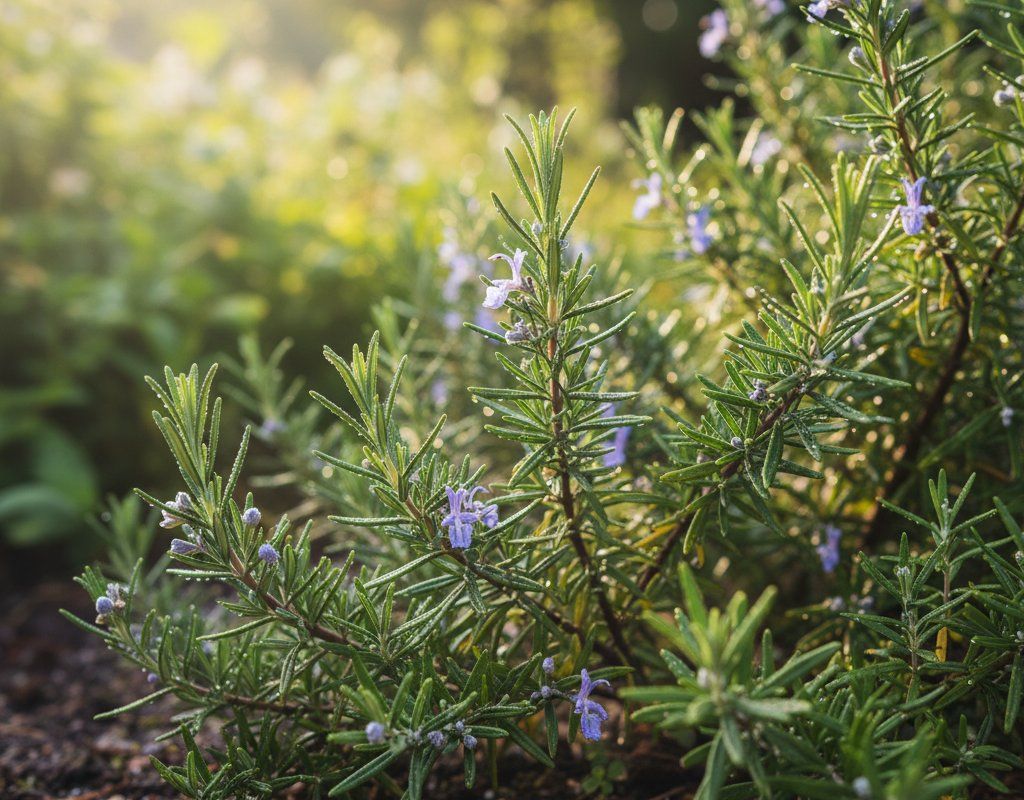
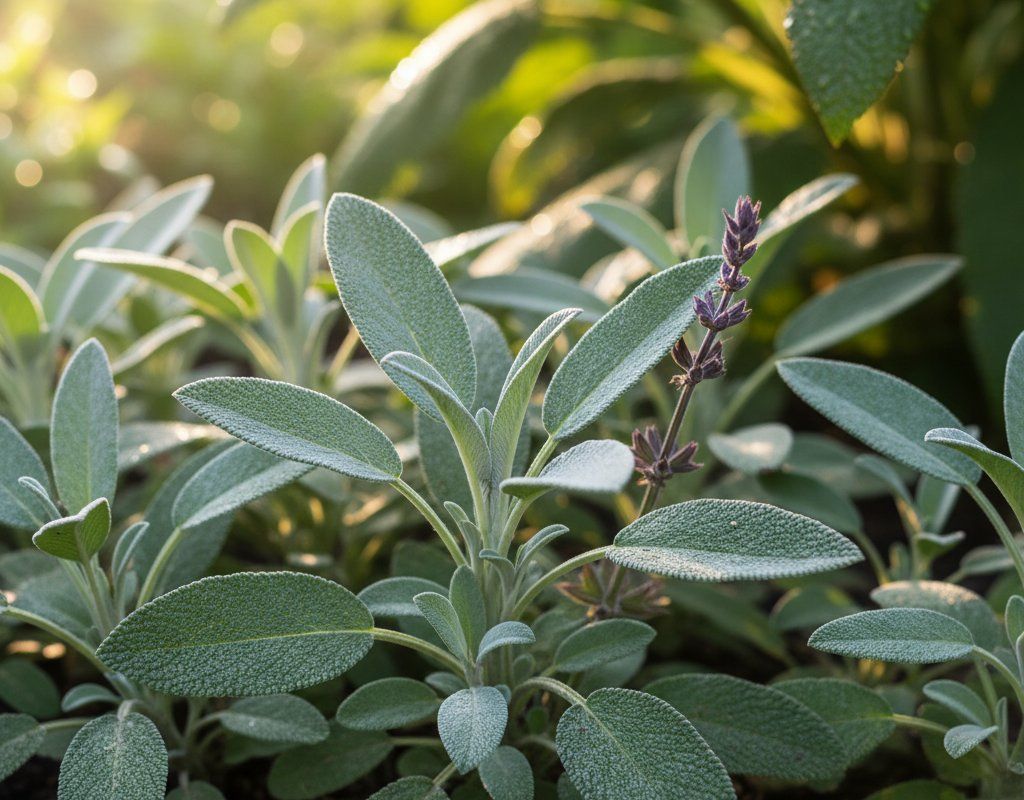
Thyme thrives alongside several companion plants in the Mountain West garden. Rosemary and sage, sharing similar needs for well-drained soil and full sun, make excellent companions. Lavender also enjoys similar conditions and attracts beneficial pollinators. Cabbage benefits from thyme's ability to repel cabbage moths.
Strawberries benefit from thyme as it deters pests like spider mites. Tomatoes also pair well with thyme, as it can help repel tomato hornworms. Avoid planting thyme near mint, as mint is aggressive and can quickly outcompete thyme for resources.
🌸Best Flowers to Plant with Thyme
These flowers protect your Thyme from pests and attract pollinators for better harvests.
For Pest Control



Get a Reminder When It's Time to Plant
We'll email you when key planting windows open for your zone.