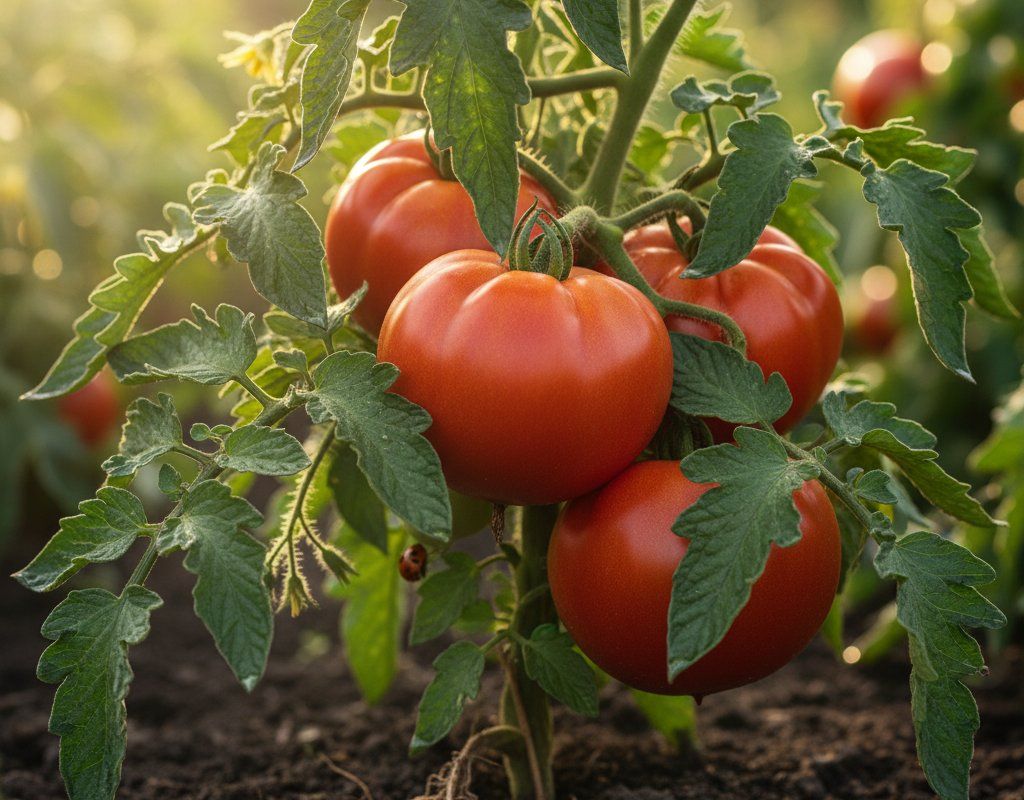
Beefsteak Tomatoes in Zone 10A — Florida
Solanum lycopersicum · Your Complete 2026 Planting Guide
Check Planting Details Below
See the full planting guide for timing information.
How to Plant Beefsteak Tomatoes in Zone 10A — Florida
Here are all your options for getting beefsteak tomatoes in the ground, from the easiest method to more advanced approaches.
Start Seeds Indoors
RecommendedEarly to late December
around December 13
Then transplant: Late January through late February
Start seeds 6-8 weeks before transplanting outdoors.
Buy Starts
Works WellLate January through late February
around January 24
Plant purchased starts after last frost (January 10).
Direct Sow Seeds
ChallengingDirect sowing is not typical for Beefsteak Tomatoes.
Transplant Outdoors
Timing InfoLate January through late February
around January 24
Wait until nighttime temperatures stay above 50°F.
You have a nice window — no need to rush.
Overview
Growing Beefsteak tomatoes in Florida's Zone 10A gives you access to those massive, meaty slicers that make store-bought tomatoes taste like cardboard. These heavyweight champions can reach over a pound each, perfect for thick sandwich slices and fresh caprese with your homegrown basil. In Florida's reversed growing season, you'll harvest these beauties during our pleasant spring months while the rest of the country is still dealing with frost.
Yes, Florida's extreme humidity and fungal pressure can challenge tomato growing, but timing is everything here. With our 355-day growing season, you have the luxury of planting when conditions are actually favorable – late winter for spring harvest, avoiding the brutal summer heat that would stress these tender plants. The key is working with Florida's unique calendar, not against it.
Starting Seeds Indoors
Start your Beefsteak tomato seeds indoors during early to late December, about 6 weeks before your transplant window. Since Florida's spring planting season is reversed from the rest of the country, you'll be starting seeds while northern gardeners are still months away from thinking about tomatoes. Set up seed trays in a warm spot – your garage or covered porch works well since our December temperatures are mild enough.
Use bottom watering for your seedlings by placing trays in shallow pans of water, letting the soil soak up moisture from below. This prevents damping-off disease, which thrives in Florida's high humidity. Keep the soil consistently moist but not soggy, and provide bright light once seeds germinate.
Your seedlings will be ready for transplanting by late January through late February, perfectly timed for Florida's ideal tomato-growing weather. This timing lets you harvest before the oppressive summer heat and humidity make tomato growing nearly impossible.
Transplanting Outdoors
Transplant your Beefsteak seedlings outdoors during late January through late February, when nighttime temperatures consistently stay above the mid-50s. This is Florida's prime tomato-planting window – any earlier and a cold snap could damage tender plants, any later and you'll be harvesting in increasingly hot weather.
Harden off your seedlings for about a week before transplanting by gradually exposing them to outdoor conditions. Start with a few hours of morning sun, then increase exposure daily. Florida's winter weather can be unpredictable, so watch for sudden cold fronts that might require bringing plants back inside temporarily.
Space plants 36-48 inches apart – these indeterminate varieties need room to sprawl, and good air circulation is crucial in Florida's humid conditions. The extra spacing helps prevent fungal diseases that love our moist air. Choose a spot with excellent drainage since Florida's sandy soil can still hold too much water during our winter rainy periods.
Watering Beefsteak Tomatoes in Zone 10A (Florida)
Beefsteak tomatoes need consistent, deep watering throughout Florida's growing season, but your approach must change as our weather patterns shift. During the cooler winter and spring months, water when the top 2 inches of soil feel dry to your finger – usually twice a week unless we get rain. These large-fruited varieties are particularly sensitive to water stress, which causes fruit cracking and blossom end rot.
As spring transitions into summer heat, increase watering frequency but watch for Florida's afternoon thunderstorms. Our wet summer season delivers 50-65 inches of rainfall, but it often comes in heavy downpours followed by dry spells. This inconsistent moisture is exactly what triggers fruit cracking in Beefsteaks. Use the finger test religiously – stick your finger 2 inches into the soil to check actual moisture levels rather than assuming surface wetness means adequate water.
Water at the base of plants rather than overhead, especially important in Florida's very high humidity where wet foliage invites fungal diseases. Apply about an inch of water per week during cooler months, increasing to 1.5-2 inches as temperatures rise toward summer. Deep, infrequent watering encourages strong root systems better equipped to handle our variable weather.
Mulch heavily around plants with organic matter to maintain consistent soil moisture and reduce the wet-dry cycles that plague tomatoes here. In our sandy soils, mulch also helps retain water and nutrients that would otherwise leach away during heavy rains.
Supporting Your Beefsteak Tomatoes
Install sturdy cages or heavy-duty stakes at planting time – Beefsteak tomatoes produce massive fruit that can snap branches without proper support. Choose 6-foot tall tomato cages made from thick wire, or use 2-inch wooden stakes driven at least 18 inches deep. These indeterminate varieties will easily reach 6-8 feet in Florida's long growing season.
Tie plants loosely using soft materials like cloth strips or tomato ties, never wire or string that can cut into stems. As plants grow, guide main stems upward and secure heavy fruit clusters before they bend or break branches. The weight of a single Beefsteak tomato can surprise you.
Check supports regularly as Florida's afternoon thunderstorms and potential hurricane season can stress even well-supported plants. Reinforce stakes after any severe weather, and consider adding additional ties as fruit develops and plants become top-heavy with those prize-winning tomatoes.
Pruning & Maintaining Beefsteak Tomatoes
Remove suckers – the shoots growing between main stems and branches – throughout the growing season to direct energy into fewer, larger fruit. In Florida's warm, humid conditions, Beefsteak plants can become jungle-like without pruning, reducing air circulation and inviting fungal problems. Pinch out suckers when they're small and tender, ideally in early morning when plants are turgid.
Strip off lower leaves that touch the ground or show any signs of yellowing or disease. This improves air circulation around the base of plants, crucial in Florida's humid environment. As the season progresses toward summer, remove more lower foliage to prevent soil-splash diseases during heavy rains.
By late fall, about 6-8 weeks before your expected first frost (late December in Florida), top plants by pinching out growing tips. This forces energy into ripening existing fruit rather than producing new flowers that won't have time to mature. You'll still have green tomatoes to ripen indoors when that first frost finally arrives.
🧪Fertilizing Beefsteak Tomatoes
Feeding Schedule
Organic Fertilizer Options
Harvest Time
Your first Beefsteak tomatoes will be ready from mid-April through early June, about 85 days from transplanting. In Florida, this timing is perfect – you'll harvest during pleasant spring weather before summer heat stresses both you and the plants. Look for deep, rich color and slight softness when you cup the tomato in your hand.
Harvest by gently twisting and pulling, or cut the stem with clean shears to avoid damaging the vine. Beefsteaks can weigh over a pound, so support the fruit while picking to prevent tearing branches. Check plants every 2-3 days during peak season – fruit can go from perfect to overripe quickly in Florida's warm spring weather.
These indeterminate plants will continue producing until summer heat shuts them down or disease takes hold. In Florida, most gardeners consider Beefsteaks a spring crop, though you might get scattered fruit into early summer if you can manage watering and disease pressure.
As your first frost approaches in late December, harvest all remaining fruit regardless of size or color. Large green Beefsteaks ripen well indoors – place them in a paper bag with a ripe apple or banana to speed the process. You'll enjoy homegrown tomatoes well into the new year while preparing to start the cycle again.
Common Problems in Zone 10A (Florida)
Cracking appears as splits in the tomato skin, either in concentric circles around the stem or radiating lines from the top. The exposed flesh often develops rot, ruining otherwise perfect fruit. In Florida's climate, cracking typically occurs after heavy afternoon thunderstorms following dry periods – our erratic rainfall patterns create the exact conditions that trigger this problem. Prevent cracking by maintaining consistent soil moisture through mulching and regular watering, and harvest fruit promptly when ripe rather than leaving them on the vine.
Catfacing shows up as deep crevices, scars, and deformities on the bottom of tomatoes, making them lumpy and unmarketable-looking. This happens when cool temperatures during flowering cause incomplete pollination – even in Florida, those occasional winter cold fronts can trigger catfacing in early plantings. Large-fruited varieties like Beefsteaks are particularly prone. Avoid planting too early in the season, and use row covers during unexpected cold snaps. The misshapen fruit is perfectly edible, just ugly.
Blossom end rot creates sunken, dark brown or black leathery patches on the bottom of fruit, often affecting your first tomatoes of the season. This isn't a disease but a calcium deficiency caused by inconsistent watering – exactly what happens in Florida's sandy soils during our variable winter and spring rainfall. The most effective fix is consistent watering and heavy mulching to maintain even soil moisture. Don't over-fertilize with nitrogen, which interferes with calcium uptake.
Slow ripening means your large green tomatoes just won't turn red despite reaching full size. While Beefsteak varieties are naturally slower than smaller tomatoes, Florida's conditions can compound the problem. Too much nitrogen fertilizer, insufficient sunlight due to overgrowth, or even our occasional cool winter nights can delay ripening. Reduce nitrogen feeding, ensure plants get full sun, and remove excess foliage that shades developing fruit.
Florida Specific Challenges: Our extreme humidity and wet summer conditions create perfect environments for fungal diseases that can quickly destroy tomato plants. Early blight and septoria leaf spot thrive in Florida's moisture, making proper spacing, pruning, and avoiding overhead watering critical. Nematodes in our sandy soils can also stress plants, making them more susceptible to all these fruit problems.
Best Companions for Beefsteak Tomatoes
Plant these nearby for healthier Beefsteak Tomatoes and better harvests.
View Full Companion Planting Chart →



Companion Planting Details
Plant basil near your Beefsteak tomatoes – it naturally repels aphids and hornworms while thriving in Florida's warm weather alongside your tomatoes. Carrots work well as ground cover between tomato plants, and their taproots help break up our sometimes-compacted sandy soil. Marigolds planted around the tomato bed deter nematodes, a serious problem in Florida soils, while their bright flowers attract beneficial insects that prey on tomato pests.
Avoid planting brassicas like cabbage or broccoli near tomatoes – they're heavy nitrogen feeders that will compete with your tomatoes, plus they attract different pests that might spread to your tomato plants. Skip fennel entirely, as it can stunt tomato growth, and don't plant corn nearby since both crops attract the same hornworms, creating a pest magnet in your garden.
🌸Best Flowers to Plant with Beefsteak Tomatoes
These flowers protect your Beefsteak Tomatoes from pests and attract pollinators for better harvests.


Get a Reminder When It's Time to Plant
We'll email you when key planting windows open for your zone.