
Parsley in Zone 10A — Florida
Petroselinum crispum · Your Complete 2026 Planting Guide
You Can Still Sow!
Direct sowing window is open for Parsley.
Direct Sow Now
Parsley is slow to germinate (2-4 weeks). Soaking seeds helps.
How to Plant Parsley in Zone 10A — Florida
Here are all your options for getting parsley in the ground, from the easiest method to more advanced approaches.
Direct Sow Seeds
RecommendedLate December through early October
around December 27
Consider succession planting every 2-3 weeks for continuous harvest.
Parsley is slow to germinate (2-4 weeks). Soaking seeds helps.
Start Seeds Indoors
RecommendedLate October through mid November
around November 1
Then transplant: Late December through late January
Start seeds 8-10 weeks before transplanting outdoors.
Start indoors 8-10 weeks early due to slow germination.
Buy Starts
Works WellLate December through late January
around December 27
Plant purchased starts after last frost (January 10).
Transplant Outdoors
Timing InfoLate December through late January
around December 27
Can tolerate light frost, but wait for soil to be workable.
You have a nice window — no need to rush.
Fall Planting
Mid October through mid November
October 29 ideal · Direct sow for fall harvest
Plant a second crop in mid-summer for fall harvest. Parsley actually prefers the cooling temperatures of fall.
Overview
Parsley brings incredible value to Florida gardens, offering fresh, vibrant flavor that transforms your cooking while thriving in our subtropical conditions. This hardy herb produces continuously through our cool season, giving you fresh parsley from winter through spring when other regions are dormant. The fact that it can handle our occasional light frosts makes it perfect for our 355-day growing season.
Our hot, humid summers and sudden weather changes can challenge many herbs, but parsley's timing works beautifully with Florida's reversed seasons. Plant in fall, harvest through winter and spring, then let it rest during the brutal summer heat. With proper timing, you'll avoid most disease pressure and enjoy months of fresh harvests.
Starting Seeds Indoors
Starting parsley indoors makes sense if you want precise timing or need to work around our unpredictable late fall weather. Start seeds from late October through mid-November, about 8 weeks before your planned transplant date. This gives you sturdy seedlings ready for our cool season growing window.
Use seed trays with good drainage and keep soil consistently moist using bottom watering - parsley seeds are notoriously slow to germinate and need steady moisture for 2-4 weeks. A warm spot (70-75°F) helps speed things up. Since our spring arrives early compared to northern zones, these indoor-started plants will be ready just as cool weather settles in.
The main advantage here is control over germination conditions during our sometimes erratic fall weather patterns. You'll have established plants ready to go when outdoor conditions stabilize.
Transplanting Outdoors
Move your parsley seedlings outdoors from late December through late January, after they've developed their second set of true leaves. This timing aligns perfectly with our settling cool season when daytime temperatures stay comfortable for establishment.
Harden off seedlings gradually over a week, starting with morning shade and working up to full exposure. Our winter sun can still be intense, so don't rush this process. Space plants 6-10 inches apart - they'll fill out nicely in our mild winter conditions.
Watch for those occasional warm spells that can stress newly transplanted seedlings. A bit of afternoon shade during unusually warm January days helps them establish without shock.
Direct Sowing
Direct sowing works well in Florida since parsley prefers cooler soil temperatures for germination. Sow from late December through early October, with the sweet spot being our early winter months when soil has cooled but isn't cold.
Prepare your beds by working compost into our sandy soils - parsley appreciates consistent moisture retention that organic matter provides. Soak seeds overnight before planting to speed up that notoriously slow 2-4 week germination period. Sow about ¼ inch deep and space final plants 6-10 inches apart.
The biggest challenge with direct sowing here is keeping soil consistently moist during germination while dealing with our sandy drainage. Consider a light mulch to help retain moisture, but don't go heavy since seeds need some warmth to germinate.
Watering Parsley in Zone 10A (Florida)
Parsley needs moderate, consistent moisture throughout its growing season, which aligns well with Florida's natural rainfall patterns during cool months. Aim for about 1 inch per week, including rainfall - our typical winter precipitation usually covers most of this need.
Check soil moisture using the finger test: stick your finger 2 inches deep near the base of plants. If it's dry at that depth, time to water deeply at the base rather than overhead. Our extreme humidity makes overhead watering risky for fungal diseases, especially during our muggy fall and spring transitions.
During our dry winter spells, water deeply once or twice weekly rather than light daily watering. This encourages deeper root growth in our sandy soils. Watch for wilting in afternoon sun as a sign they need water, but don't panic if they perk up in evening - that's normal in our climate.
Mulch lightly around plants to help retain moisture and regulate soil temperature swings. In our wet summers, if you're growing parsley through the heat, scale back watering significantly since our rainfall and humidity will handle most needs.
🧪Fertilizing Parsley
Feeding Schedule
Organic Fertilizer Options
Harvest Time
Your first parsley harvest typically comes from early March through early January, depending on when you planted. Look for stems with at least three fully developed segments - this usually happens around 70 days from seeding.
Cut outer stems at the base using clean scissors or a sharp knife, never just pinch off the tips. This encourages the plant to keep producing new growth from the center. Harvest regularly to keep plants productive - the more you cut, the more they'll produce through our long cool season.
Since parsley is biennial, your first-year plants focus on leaf production, which is exactly what you want. They'll continue producing fresh stems through winter and spring until our summer heat slows them down. As we approach late December and potential first frost, harvest heavily and preserve what you can't use fresh.
The beauty of growing parsley in Florida is the extended harvest window - you can keep cutting fresh stems for 6-8 months with proper care and timing.
Common Problems in Zone 10A (Florida)
Slow Germination Seeds take 2-4 weeks to sprout, and you might think they've failed. You'll see empty soil for what feels like forever, then suddenly tiny green shoots appear. This happens because parsley seeds have oils that naturally inhibit germination - it's their survival mechanism. Soak seeds overnight before planting and keep soil consistently moist (but not waterlogged) during the waiting period. Bottom watering helps maintain steady moisture without washing seeds away.
Crown Rot Plants suddenly wilt and the base turns dark and mushy, often spreading upward through stems. The crown (where stems meet roots) becomes soft and discolored. Our high humidity and occasional heavy rains create perfect conditions for fungal pathogens that cause this rot. Improve drainage in planting areas, avoid overhead watering, and ensure good air circulation between plants. Plant in raised beds if your soil stays soggy after rains.
Carrot Rust Fly Small dark flies hover around plants, and you'll notice rusty brown tunnels in root areas if you dig up affected plants. Foliage wilts despite adequate watering. The larvae tunnel into roots, weakening the entire plant. Use row covers during peak fly periods (usually fall and early spring). Interplant with onions - their scent confuses the flies. Avoid thinning during active fly periods since bruised leaves attract them.
Florida Specific Challenges: Our extreme humidity creates ideal conditions for fungal diseases, while sandy soils drain quickly but don't hold nutrients well. Summer heat that's too intense for many crops means timing is everything - plant too late and summer stress kills plants before they're established.
Best Companions for Parsley
Plant these nearby for healthier Parsley and better harvests.
View Full Companion Planting Chart →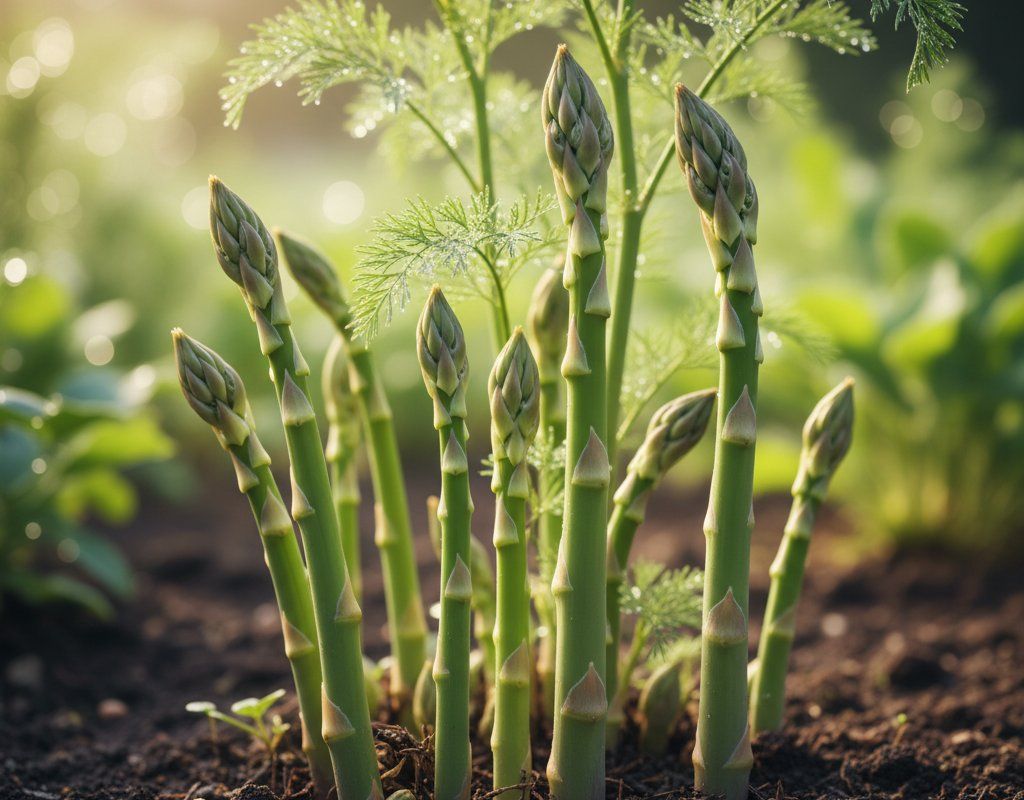



Companion Planting Details
Parsley makes an excellent companion for tomatoes, helping repel harmful insects while attracting beneficial ones like hoverflies and parasitic wasps that control pests. Plant it near asparagus beds where it can provide ground cover and attract pollinators. Corn and parsley work well together since corn provides afternoon shade during our intense spring sun, while parsley's strong scent helps deter corn pests.
Avoid planting parsley near lettuce since both prefer similar soil conditions and compete for nutrients in our sandy soils. Keep it away from mint, which spreads aggressively and can overwhelm parsley's more restrained growth habit. In Florida's intense growing conditions, giving each plant adequate space and resources becomes even more critical for success.
🌸Best Flowers to Plant with Parsley
These flowers protect your Parsley from pests and attract pollinators for better harvests.
For Pest Control




Get a Reminder When It's Time to Plant
We'll email you when key planting windows open for your zone.