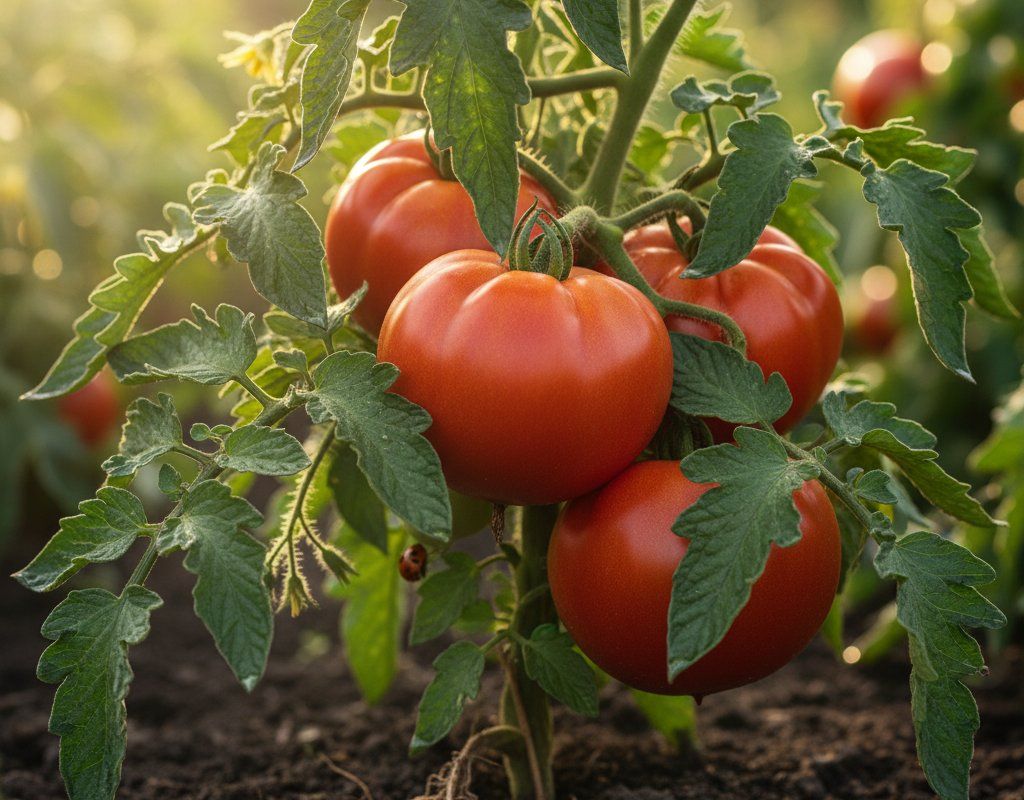
Beefsteak Tomatoes in Zone 4B — Great Plains
Solanum lycopersicum · Your Complete 2026 Planting Guide
Planning Ahead — Great!
You’re ahead of the season. Here’s when to start.
Mark Your Calendar
How to Plant Beefsteak Tomatoes in Zone 4B — Great Plains
Here are all your options for getting beefsteak tomatoes in the ground, from the easiest method to more advanced approaches.
Start Seeds Indoors
RecommendedLate March through late April
around April 7
Then transplant: Mid May through mid June
Start seeds 6-8 weeks before transplanting outdoors.
Buy Starts
Works WellMid May through mid June
around May 19
Plant purchased starts after last frost (May 5).
Direct Sow Seeds
ChallengingDirect sowing is not typical for Beefsteak Tomatoes.
Transplant Outdoors
Timing InfoMid May through mid June
around May 19
Wait until nighttime temperatures stay above 50°F.
You have a nice window — no need to rush.
Overview
Beefsteak tomatoes deliver the ultimate garden satisfaction here in Zone 4B - massive, meaty slices perfect for our summer sandwiches and fresh salsa. These giants can reach over a pound each when grown in our fertile prairie soil and intense Plains sunshine. While our hot summers and low disease pressure create ideal conditions, the sheer size and flavor make the effort worthwhile for any serious tomato grower.
Our 149-day growing season gives beefsteaks just enough time to reach maturity, though you'll need to start early and protect against our unpredictable spring weather. The key is timing your indoor start to avoid both late cold snaps and getting plants too large before transplant time. With proper planning, you'll be slicing into garden-fresh beefsteaks by late August.
Starting Seeds Indoors
Start your beefsteak seeds indoors during late March through late April, about 6 weeks before your planned transplant date. Our variable spring weather makes indoor starting essential - you can't risk direct seeding these tender plants when frost might return unexpectedly. Set up seed trays in a warm spot (70-75°F soil temperature) with good light once seedlings emerge.
Use bottom watering to keep soil consistently moist without disturbing tiny seeds. Fill a tray with water and let your seed containers absorb moisture from below. This prevents both overwatering and the soil crusting that can happen with our dry Plains air. Once seedlings develop their first true leaves, you can water from above more carefully.
Plan your timing based on soil temperature reaching 60°F consistently at night - usually mid-May through mid-June in our region. Starting too early just means larger, harder-to-transplant seedlings sitting around waiting for safer weather.
Transplanting Outdoors
Transplant your beefsteak seedlings from mid-May through mid-June, when nighttime temperatures stay consistently above 55°F. These plants absolutely cannot handle frost, and our spring temperature swings can be brutal. Wait for truly settled weather rather than rushing - a late cold snap will set you back weeks.
Harden off seedlings gradually over 7-10 days before transplanting. Start with just an hour of outdoor exposure in a protected spot, then gradually increase time and wind exposure. Our Plains winds can shock tender seedlings, so use a sheltered area initially. Space plants 36-48 inches apart to accommodate their eventual size and allow good air circulation.
Choose your planting site carefully, considering both morning sun exposure and protection from our prevailing winds. Install support structures at planting time rather than later when you might damage roots. The combination of large fruit and wind stress means these plants need sturdy support from day one.
Watering Beefsteak Tomatoes in Zone 4B (Great Plains)
Beefsteak tomatoes demand consistent, deep watering throughout our hot Plains summers - expect to provide 1.5-2 inches per week when temperatures hit the 90s. With our variable rainfall patterns, you'll need to supplement regularly. These large fruits are mostly water, and any stress shows up quickly as cracking, catfacing, or blossom end rot.
Water deeply at soil level rather than overhead, especially during our dry spells. Our low humidity means foliage dries quickly, but directing water to the root zone is more efficient anyway. Check soil moisture by pushing your finger 2 inches deep near the base - if it's dry, water slowly until you see moisture 6-8 inches down. Shallow watering creates weak root systems that can't handle our heat.
Watch for stress signs during our typical July-August hot stretches. Wilting in mid-afternoon heat is normal, but wilting in morning or evening means water stress. Overwatering shows up as yellowing lower leaves and poor fruit development. Apply 3-4 inches of organic mulch around plants to maintain soil moisture and reduce watering frequency.
Our variable rainfall means you might water heavily one week, then get 3 inches of rain the next. This wet-dry cycle causes more fruit cracking than consistent moderate watering, so monitor weather forecasts and adjust accordingly.
Supporting Your Beefsteak Tomatoes
Install heavy-duty tomato cages or thick wooden stakes at planting time - beefsteak varieties with their massive fruits will snap standard supports by mid-season. Use cages made from concrete reinforcing wire (6-inch mesh) or 2-inch diameter wooden stakes driven 18 inches deep. The combination of large fruit weight and our constant Plains winds creates tremendous stress on plant stems.
Train indeterminate beefsteaks to a single main stem by removing most suckers, especially those growing below the first flower cluster. Tie the main stem loosely to your support every 12-18 inches using soft material like old t-shirts or plant ties. Never use wire or string that can cut into stems during windstorms.
Position supports on the windward side of plants if possible, and consider creating windbreaks with taller plants or temporary screens. A sudden summer storm with 40-mph winds can flatten unsupported beefsteak plants in minutes, and recovery is slow when stems break under fruit weight.
Pruning & Maintaining Beefsteak Tomatoes
Remove suckers (shoots growing between main stem and leaf branches) regularly throughout the season, especially on indeterminate beefsteaks that will grow 6-8 feet tall here. Pinch out suckers when they're 2-3 inches long - they break off easily and won't stress the plant. Leave 2-3 main stems maximum to direct energy toward fewer, larger fruits.
Prune lower leaves touching the soil as plants grow, and remove any yellowing or diseased foliage immediately. Our hot, humid summer conditions (especially during August) can promote fungal issues if air circulation is poor. Remove leaves below the first fruit cluster once fruits begin forming - these older leaves contribute little to fruit development.
In late August, pinch growing tips and remove new flower clusters that won't have time to mature before our first frost in early October. This "topping" directs plant energy toward sizing up existing fruits rather than starting new ones that won't finish.
🧪Fertilizing Beefsteak Tomatoes
Feeding Schedule
Organic Fertilizer Options
Harvest Time
Your first beefsteak tomatoes will be ready from mid-August through late September, roughly 85 days from transplanting. Look for deep, even color and slight softness when you cup the fruit in your palm - it should give just slightly to gentle pressure. The shoulder area around the stem should lose its green tinge completely.
Harvest in early morning when fruits are cool and firm, supporting the weight as you twist and pull gently. Never yank fruit off - this can damage the entire branch. Pick fruits as soon as they show full color since beefsteaks continue ripening after harvest and actually develop better flavor off the vine than hanging on stressed plants.
Check plants every 2-3 days during peak harvest in late August and early September. Ripe beefsteaks left on plants too long will crack, especially after our late summer thunderstorms. If night temperatures start dropping below 55°F in late September, harvest all fruits showing any color change and ripen them indoors on countertops.
When frost threatens in early October, harvest every green fruit larger than a golf ball. Wrap individual fruits in newspaper and store in a cool (60-65°F) location - they'll continue ripening for weeks, giving you fresh tomatoes well into November.
Common Problems in Zone 4B (Great Plains)
Fruit Cracking Concentric circles or radiating lines split the skin, exposing flesh to rot. This happens when heavy watering or sudden thunderstorms follow dry periods - the fruit absorbs water faster than the skin can expand. Our variable Plains rainfall makes this especially common during late July and August. Maintain consistent soil moisture with deep weekly watering and 4-inch mulch layers. Harvest promptly when fruits show full color rather than leaving them on stressed plants.
Catfacing Deep crevices, scars, and puckering on the blossom end create lumpy, deformed fruits. Cool nights during flowering (below 55°F) cause incomplete pollination, and beefsteak varieties are particularly susceptible. This often affects your earliest fruits if you transplant during a cool spell in May. Wait for truly settled weather before transplanting, and use row covers if unexpected cold returns. The fruit is perfectly edible despite being ugly.
Blossom End Rot Sunken, dark brown patches develop on the bottom of fruits, usually affecting the first tomatoes of the season. This isn't a disease but a calcium uptake problem caused by inconsistent watering during our hot, dry spells. The single most effective fix is consistent watering - check soil moisture regularly and maintain 2-3 inches of organic mulch. Don't over-fertilize with nitrogen, which interferes with calcium absorption.
Slow Ripening Large green fruits refuse to turn red even in September, or take much longer than the expected 85 days. Our cool September nights (often dropping to the 40s) slow ripening significantly. Reduce nitrogen fertilizer after July, ensure plants get full sun exposure, and remove excess foliage shading fruits. Use red plastic mulch around plants to reflect heat, and consider row covers during cool snaps.
Great Plains Specific Challenges: Our hot summer days followed by cool nights, combined with variable rainfall and constant wind, create unique stress for beefsteak plants. The extreme temperature swings between day and night can slow fruit development, while our dry air and intense sunshine require more frequent watering than other regions with similar zones.
Best Companions for Beefsteak Tomatoes
Plant these nearby for healthier Beefsteak Tomatoes and better harvests.
View Full Companion Planting Chart →



Companion Planting Details
Plant basil around your beefsteak tomatoes - it naturally repels aphids and hornworms while thriving in the same hot, sunny conditions. Carrots make excellent neighbors since their deep taproots don't compete with tomato feeder roots, and marigolds planted nearby help deter nematodes and whiteflies. Parsley attracts beneficial insects that prey on common tomato pests, and all these companions handle our Plains heat and wind better than more delicate flowers.
Avoid planting brassicas (cabbage, broccoli, cauliflower) near tomatoes since they're heavy nitrogen feeders that compete directly for nutrients, and they attract different pests that can spread to tomato plants. Keep fennel and corn away from tomato beds - fennel inhibits growth through root secretions, while corn attracts earworms that also target tomato fruits. In our intense summer heat, focus companion energy on plants that actually help rather than compete.
🌸Best Flowers to Plant with Beefsteak Tomatoes
These flowers protect your Beefsteak Tomatoes from pests and attract pollinators for better harvests.


Get a Reminder When It's Time to Plant
We'll email you when key planting windows open for your zone.