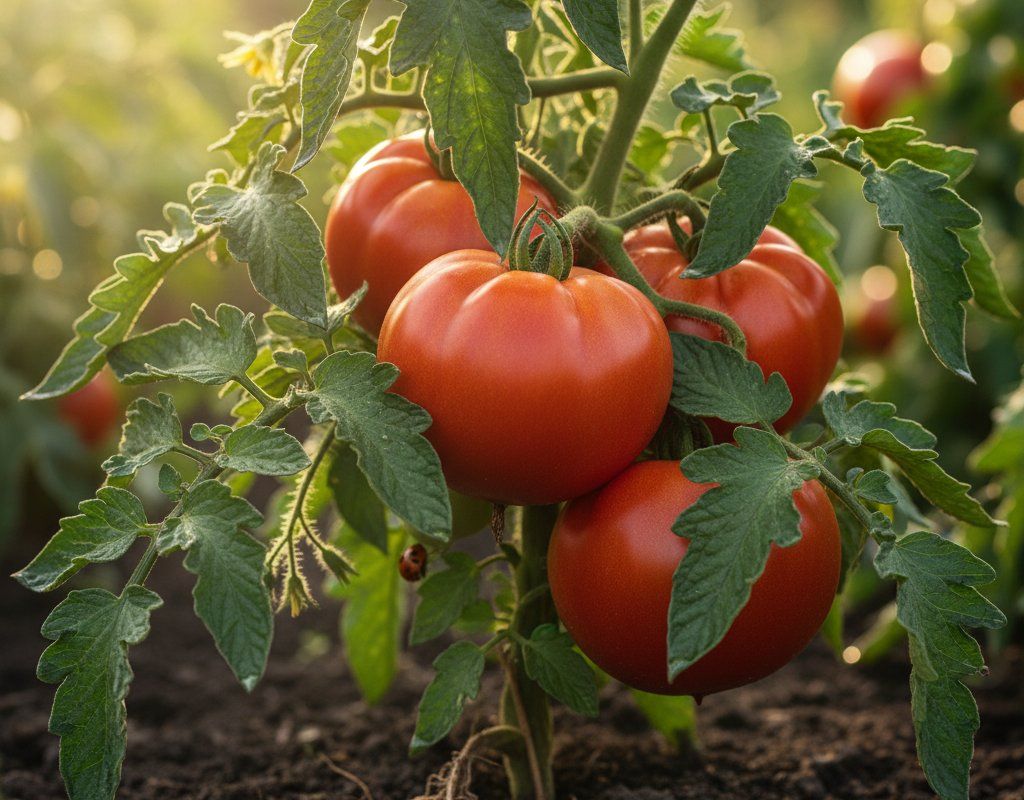
Beefsteak Tomatoes in Zone 5B — Great Plains
Solanum lycopersicum · Your Complete 2026 Planting Guide
Planning Ahead — Great!
You’re ahead of the season. Here’s when to start.
Mark Your Calendar
How to Plant Beefsteak Tomatoes in Zone 5B — Great Plains
Here are all your options for getting beefsteak tomatoes in the ground, from the easiest method to more advanced approaches.
Start Seeds Indoors
RecommendedMid March through early April
around March 23
Then transplant: Early May through early June
Start seeds 6-8 weeks before transplanting outdoors.
Buy Starts
Works WellEarly May through early June
around May 4
Plant purchased starts after last frost (April 20).
Direct Sow Seeds
ChallengingDirect sowing is not typical for Beefsteak Tomatoes.
Transplant Outdoors
Timing InfoEarly May through early June
around May 4
Wait until nighttime temperatures stay above 50°F.
You have a nice window — no need to rush.
Overview
Beefsteak tomatoes are the kings of the Plains tomato patch, delivering those massive, meaty slices that make summer sandwiches legendary. These giants thrive in our intense prairie sunshine and can handle the heat better than many gardeners expect, producing fruit that easily weighs a pound or more when grown in our fertile prairie soil. The satisfaction of growing your own beefsteaks is hard to beat – you'll never go back to those cardboard supermarket versions once you've tasted a sun-warmed slice from your own garden.
Our Great Plains climate does throw some curveballs with its extreme temperature swings and unpredictable spring weather, but beefsteaks are surprisingly manageable if you time things right. With our 178-day growing season, you have plenty of time to grow these slow-maturing giants to perfection, though starting them indoors is absolutely essential to get the jump on our variable spring conditions.
Starting Seeds Indoors
Start your beefsteak seeds indoors from mid-March through early April, about 6 weeks before you plan to transplant. Our Plains springs are notoriously variable, so indoor starting gives you complete control over those critical first weeks of growth. Set up seed trays in a warm spot (70-75°F) with grow lights or a bright south-facing window.
Use bottom watering to keep seedlings healthy – fill a tray with water and let the seed cells soak it up from below. This prevents damping-off disease and keeps the soil surface from getting too soggy. Your seedlings will be ready for hardening off when they're 6-8 inches tall with their first true leaves well-developed.
The key is timing your indoor start so transplants are ready when soil temperatures consistently hit 60°F outside. In our region, that typically happens during early May through early June, depending on how spring decides to behave.
Transplanting Outdoors
Plan to transplant your beefsteak seedlings from early May through early June, once nighttime temperatures stay above 50°F and soil has warmed to at least 60°F. Before moving them outside permanently, harden them off gradually over a full week – start with just an hour outdoors in filtered light, gradually increasing their exposure to direct sun and wind.
Space these giants 36-48 inches apart in all directions. Beefsteaks need serious elbow room for their sprawling growth habit, and proper spacing improves air circulation in our sometimes humid summer air. Choose a spot with full sun and wind protection – a south-facing location near a fence or building works well to shield plants from our persistent prairie winds.
Watch the weather closely during transplant time. Late spring hail can devastate young transplants, so keep row covers or buckets handy for emergency protection. Our extreme temperature swings mean a 70°F day can drop to 40°F that same night, so don't rush the process.
Watering Beefsteak Tomatoes in Zone 5B (Great Plains)
Beefsteaks are water hogs, especially in our hot Plains summers where temperatures regularly hit 93°F with low-to-moderate humidity. These massive fruits are mostly water, so consistent deep watering is non-negotiable – plan on providing 2-3 inches per week through a combination of rainfall and irrigation. Our variable precipitation means you'll need to supplement natural rainfall most seasons.
Use the finger test to check soil moisture: stick your finger 2 inches deep near the plant base. If it's dry at that depth, it's time to water deeply. Water at the base rather than overhead to minimize disease risk and water loss to evaporation. In our windy conditions, overhead watering often means more water hits the neighboring weeds than your tomatoes.
During peak summer heat, water early morning or evening to reduce evaporation losses. Apply water slowly and deeply to encourage roots to grow down rather than staying shallow. Inconsistent watering leads to cracking and blossom end rot – problems that plague beefsteaks more than smaller varieties.
A thick layer of organic mulch helps tremendously in our climate. Grass clippings, shredded leaves, or straw help maintain even soil moisture despite temperature swings and reduce the frequency of watering needed during our intense summer heat.
Supporting Your Beefsteak Tomatoes
Install heavy-duty support systems at planting time – beefsteak plants become massive and produce fruit that can weigh over a pound each. Use either extra-tall tomato cages (at least 6 feet) made from heavy gauge wire, or stake with thick wooden posts and soft ties. Standard flimsy cages will collapse under the weight of a mature beefsteak plant loaded with fruit.
For staking, use 8-foot posts driven 2 feet into the ground, leaving 6 feet above soil level. Tie the main stem loosely with soft cloth strips every 12-18 inches as the plant grows. Individual fruit clusters may need additional support with fabric slings to prevent branches from snapping under the weight.
Wind protection is crucial in our region – even well-supported plants can suffer damage from our persistent prairie winds. Position supports to also serve as windbreaks, or plant near existing structures that offer protection. Consider temporary windscreens made from burlap or row cover fabric during particularly windy periods.
Pruning & Maintaining Beefsteak Tomatoes
Remove suckers (shoots growing between the main stem and branches) regularly throughout the season to focus the plant's energy on fewer, larger fruits. Start checking for suckers when plants are about 12 inches tall and continue weekly. Pinch small suckers with your fingers or use clean pruning shears for larger ones.
Remove the lower leaves once fruit clusters start forming to improve air circulation and prevent soil-borne diseases from splashing up onto foliage. Take off any yellowing or diseased leaves immediately to keep plants healthy through our sometimes humid summer periods.
As first frost approaches in mid-October, stop removing suckers and start topping the plant – pinch out the growing tip to force energy into ripening existing fruits rather than growing new ones. This "topping" should happen about 6-8 weeks before expected frost to give large fruits time to mature.
🧪Fertilizing Beefsteak Tomatoes
Feeding Schedule
Organic Fertilizer Options
Harvest Time
Expect your first beefsteak harvest from late July through mid-September, about 85 days after transplanting. These slow-maturing giants are worth the wait – each fruit can easily weigh 1-2 pounds when grown in our fertile prairie soil and intense sunshine. Look for deep, even color and slight softness when you cup the fruit in your hand.
Harvest by gently twisting and pulling, supporting the fruit's weight to avoid damaging the vine. The stem should separate easily when fruit is truly ripe. Don't wait for perfect softness on the vine – beefsteaks continue ripening after harvest and actually develop better flavor when picked slightly underripe.
Continue checking plants every 2-3 days during peak season, as fruits can go from perfect to overripe quickly in our summer heat. Regular harvesting encourages continued production through late summer. Remove any cracked or damaged fruits immediately to prevent attracting pests.
As first frost approaches in mid-October, harvest all remaining green fruits regardless of size. Large green beefsteaks ripen beautifully indoors when placed in a warm spot out of direct sunlight. Wrap individual fruits in newspaper or place in paper bags with a ripe apple to speed the process – you'll be enjoying fresh tomatoes well into November.
Common Problems in Zone 5B (Great Plains)
Cracking appears as splits in the tomato skin, either in circles around the stem or radiating lines from top to bottom. These splits expose the flesh and often lead to rot, especially frustrating on prize-sized fruits. Our variable rainfall patterns create perfect conditions for cracking – heavy rains or irrigation after dry spells cause fruit to absorb water faster than the skin can expand. Maintain consistent soil moisture with regular watering and thick mulch, and harvest promptly when fruits show color to avoid the worst cracking.
Catfacing shows up as deep crevices, scars, and lumpy deformities on the blossom end of fruits, making them look like they have a cat's face. Cool nights during flowering (below 55°F) cause incomplete pollination, leading to these malformed fruits. Our spring temperature swings make this especially common on early fruit sets. While ugly, catfaced tomatoes are perfectly edible – just cut around the deformed areas. Protect early plantings with row covers during cool spells.
Blossom end rot appears as sunken, dark brown or black leathery patches on the bottom of fruits, often affecting the season's first tomatoes. This isn't a disease but a calcium deficiency caused by inconsistent watering – our cycle of drought followed by heavy rains or irrigation disrupts nutrient uptake. The single most effective fix is consistent watering; mulch heavily to maintain even soil moisture and avoid over-fertilizing with nitrogen, which interferes with calcium absorption.
Slow ripening means large green tomatoes that seem stuck in limbo, taking much longer than the expected 85 days to show color. Cool temperatures below 60°F, too much nitrogen fertilizer, or insufficient sunlight all slow ripening. Our intense Plains sunshine usually isn't the problem – more often it's cool nights or over-fertilizing. Reduce nitrogen applications after mid-summer and ensure plants get full sun exposure by removing excess foliage that shades developing fruits.
Great Plains Specific Challenges: Our hot, dry summers with low-to-moderate humidity actually favor beefsteaks over more humid regions, but the extreme temperature swings stress plants and contribute to catfacing and cracking. Wind protection becomes essential not just for support but for reducing plant stress, while our variable rainfall patterns make consistent irrigation more critical than in regions with predictable precipitation.
Best Companions for Beefsteak Tomatoes
Plant these nearby for healthier Beefsteak Tomatoes and better harvests.
View Full Companion Planting Chart →



Companion Planting Details
Plant basil alongside your beefsteaks – it reportedly improves tomato flavor while repelling aphids and hornworms with its strong scent. Carrots make excellent companions because their deep taproots don't compete with tomato roots, and they help break up our sometimes dense prairie soil. Parsley attracts beneficial insects that prey on tomato pests, while marigolds planted nearby deter nematodes and whiteflies with their pungent roots and flowers.
Avoid planting brassicas (cabbage, broccoli, cauliflower) near tomatoes as they can stunt each other's growth and attract similar pests. Keep fennel away from all your tomato plants – it releases compounds that inhibit tomato growth. Corn should also be planted elsewhere since both crops attract corn earworms, and having them close together just makes the pest problem worse for both plants.
🌸Best Flowers to Plant with Beefsteak Tomatoes
These flowers protect your Beefsteak Tomatoes from pests and attract pollinators for better harvests.


Get a Reminder When It's Time to Plant
We'll email you when key planting windows open for your zone.