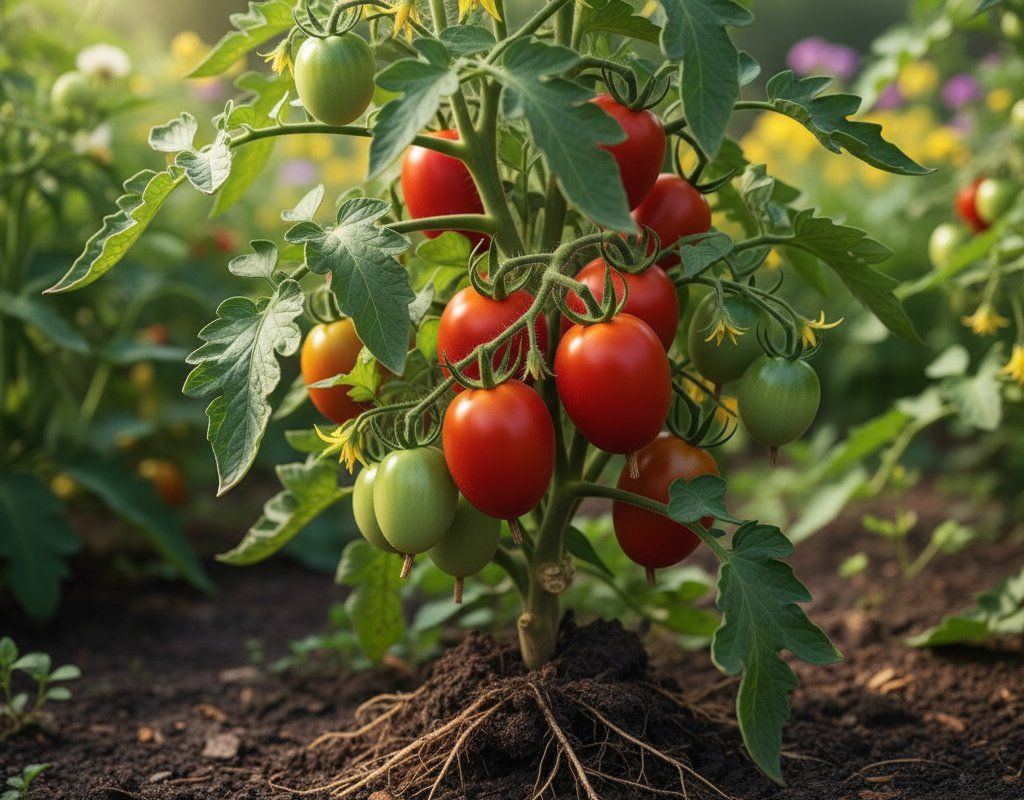
Roma Tomatoes in Zone 5B — Great Plains
Solanum lycopersicum · Your Complete 2026 Planting Guide
Planning Ahead — Great!
You’re ahead of the season. Here’s when to start.
Mark Your Calendar
How to Plant Roma Tomatoes in Zone 5B — Great Plains
Here are all your options for getting roma tomatoes in the ground, from the easiest method to more advanced approaches.
Start Seeds Indoors
RecommendedMid March through early April
around March 23
Then transplant: Early May through early June
Start seeds 6-8 weeks before transplanting outdoors.
Buy Starts
Works WellEarly May through early June
around May 4
Plant purchased starts after last frost (April 20).
Direct Sow Seeds
ChallengingDirect sowing is not typical for Roma Tomatoes.
Transplant Outdoors
Timing InfoEarly May through early June
around May 4
Wait until nighttime temperatures stay above 50°F.
You have a nice window — no need to rush.
Overview
Roma tomatoes are perfect for Plains gardeners who want thick-walled, meaty tomatoes ideal for sauces, paste, and canning. These determinate plants produce heavy clusters of oval fruit that ripen all at once—a huge advantage in our 178-day growing season where timing matters. Our intense Plains sunshine develops excellent flavor while the lower humidity keeps disease pressure manageable compared to more humid regions.
Your biggest challenge will be managing water through our hot summers and variable rainfall, but the payoff is worth it. With careful timing around our unpredictable spring weather and consistent watering through the heat, you'll harvest pounds of perfect paste tomatoes from mid-summer through early fall.
Starting Seeds Indoors
Start your Roma seeds indoors from mid-March through early April, about 6 weeks before our last frost window. Our variable spring weather makes indoor starting essential—you can't risk direct seeding tender tomatoes with our temperature swings. Set up seed trays in a warm spot (70-75°F) with good light, either a south window or grow lights.
Use bottom watering to prevent damping off—set your seed trays in shallow pans of water and let the soil soak up moisture from below. This method works especially well in our dry Plains air where surface soil can crust over quickly. Keep soil consistently moist but not soggy.
Your seedlings will be ready for hardening off by early May when soil temperatures stabilize. The 6-week indoor head start gives you plenty of flexibility to work around late cold snaps that can surprise us well into May.
Transplanting Outdoors
Plan to transplant from early May through early June, after soil warms to 60°F and nighttime temperatures stay above 50°F consistently. Don't rush this step—Roma tomatoes are extremely frost-tender and even a light freeze will kill them. Wait until you're confident the risk has passed.
Harden off your seedlings for a full week before transplanting. Start with 2-3 hours of morning sun, gradually increasing exposure while watching for wind damage. Our Plains winds can stress young plants quickly, so choose calm days for the transition.
Space plants 24-36 inches apart to allow good air circulation—this helps prevent disease and gives you room to install cages or stakes. Plant deep, burying 2/3 of the stem to encourage strong root development. This deep planting also helps anchor plants against our constant wind.
Watering Roma Tomatoes in Zone 5B (Great Plains)
Roma tomatoes need consistent, deep watering throughout our hot Plains summers—about 1.5-2 inches per week including rainfall. With our variable precipitation (anywhere from 15-35 inches annually), you'll likely need to supplement most weeks. These paste tomatoes are particularly sensitive to inconsistent watering, which concentrates blossom end rot on their elongated fruit.
Check soil moisture with the finger test—stick your finger 2 inches down near the base of the plant. If it's dry at that depth, water deeply until you see moisture pooling slightly on the surface. Water at the base rather than overhead to keep our low-to-moderate humidity working in your favor for disease prevention.
During our typical 93°F summer days, plants may need water every other day. Early morning watering works best—it gives plants time to absorb moisture before the heat hits and reduces evaporation loss. Watch for wilting in late afternoon as your first sign of water stress.
Apply a 3-4 inch layer of mulch around plants to maintain even soil moisture and protect against our extreme temperature swings. Grass clippings, shredded leaves, or straw work well in our climate. Signs of underwatering include wilting, small fruit, and cracking. Overwatering shows up as yellowing lower leaves and poor fruit development.
Supporting Your Roma Tomatoes
Install cages or stakes at planting time since Roma tomatoes produce heavy fruit loads that benefit from support. Determinate varieties like Roma stay more compact than indeterminate types, so shorter 3-4 foot cages work fine. Choose sturdy supports that can handle both the weight and our Plains winds.
Cages work well for Roma's bushy growth habit, but drive them deep into our prairie soil for wind stability. If you prefer staking, use 6-foot stakes driven 18 inches deep and tie plants loosely with soft materials like cloth strips or plant ties. Avoid wire ties that can cut into stems during windstorms.
Wind protection is essential in our exposed Plains environment. Consider planting near a fence, building, or tall companion plants that can break the constant wind. Training branches inside cages early helps prevent wind damage as plants mature and fruit loads increase.
🧪Fertilizing Roma Tomatoes
Feeding Schedule
Organic Fertilizer Options
Harvest Time
Your first Roma tomatoes will be ready from mid-July through early September, about 75 days after transplanting. Look for deep red color throughout the fruit with firm flesh that gives slightly when pressed. Romas should detach easily from the stem when gently twisted and lifted—if you have to pull hard, they need more time.
Harvest in the morning when plants are well-hydrated and sugars are concentrated. Since Roma is a determinate variety, most fruit ripens within a 2-3 week window rather than continuously. This concentrated harvest works well for canning and sauce-making projects.
As our first frost approaches in mid-October, harvest all remaining fruit regardless of size. Green tomatoes will ripen indoors if stored in a warm spot (65-70°F) out of direct sunlight. You can also pull entire plants and hang them in a garage or basement where fruit will continue ripening for several weeks.
Check your harvest daily during peak season—our hot Plains sun can push tomatoes from perfect to overripe quickly. Store ripe fruit at room temperature for best flavor, refrigerating only fully ripe tomatoes you can't use immediately.
Common Problems in Zone 5B (Great Plains)
Blossom End Rot What it looks like: Sunken, dark brown or black leathery patches on the bottom (blossom end) of fruit, often affecting the first tomatoes of the season. The spots start small but can cover half the fruit. What causes it: Calcium deficiency triggered by inconsistent watering—exactly what happens during our drought-flood cycles when rain dumps 2 inches overnight after weeks of dry weather. Not a disease, but a nutrient uptake problem. How to fix it: Water consistently above all else—this single change prevents most cases. Mulch heavily to buffer soil moisture swings. Avoid over-fertilizing with nitrogen which blocks calcium uptake. Remove affected fruit to redirect plant energy.
Early Blight What it looks like: Brown spots with concentric rings (bullseye pattern) starting on lower leaves and spreading upward. Leaves yellow and drop, weakening the plant progressively. What causes it: Fungal disease that spreads via soil splash during our variable rainfall patterns. Thrives in our warm summer temperatures when humidity rises after storms. How to fix it: Remove affected leaves immediately (don't compost them). Mulch prevents soil splash during heavy rains. Water at the base only, never overhead. Space plants for good air circulation to take advantage of our constant Plains wind.
Fusarium Wilt What it looks like: Wilting on one side of the plant first, then spreading. Yellow leaves starting on one side, brown streaks visible in stems when cut open. What causes it: Soil-borne fungus that persists for years and enters through roots. Our hot soil temperatures during summer heat waves create ideal conditions. How to fix it: No cure once infected—remove and destroy plants. Plant resistant varieties marked with 'F' on labels. Rotate crops every 4 years minimum. Our alkaline prairie soil naturally helps since raising pH above 6.5 suppresses the fungus.
Great Plains Specific Challenges: Our combination of hot summers, variable rainfall, and constant wind creates perfect conditions for water stress and soil-splash diseases. The key is consistent watering and wind protection—two management practices that address most Roma tomato problems in our challenging Plains environment.
Best Companions for Roma Tomatoes
Plant these nearby for healthier Roma Tomatoes and better harvests.
View Full Companion Planting Chart →



Companion Planting Details
Plant basil near your Roma tomatoes—it repels aphids and thrips while improving flavor, plus both crops thrive in our hot Plains summers. Carrots make excellent companions since their deep taproots don't compete with tomato roots and help break up heavy prairie soil. Marigolds planted around the edges deter nematodes and add color while handling our intense sunshine and wind.
Avoid planting brassicas (cabbage, broccoli) or fennel near tomatoes—they're poor companions that can stunt growth through root competition and chemical interference. Skip corn as well since both crops attract similar pests and compete for nitrogen in our already-fertile prairie soil. Focus on companions that complement rather than compete with Roma's high water and nutrient needs.
🌸Best Flowers to Plant with Roma Tomatoes
These flowers protect your Roma Tomatoes from pests and attract pollinators for better harvests.
For Pest Control



For Pollinators

Get a Reminder When It's Time to Plant
We'll email you when key planting windows open for your zone.