Brandywine Tomatoes in Zone 7A — Desert Southwest
Solanum lycopersicum · Your Complete 2026 Planting Guide
Last Call for Seed Starting!
Indoor seed starting window closes in 7 days.
Start Seeds This Week
Start seeds now for transplanting later.
Or Wait for Starts
If you don’t want to start seeds, starts will be available around April 8.
How to Plant Brandywine Tomatoes in Zone 7A — Desert Southwest
Here are all your options for getting brandywine tomatoes in the ground, from the easiest method to more advanced approaches.
Start Seeds Indoors
RecommendedMid February through mid March
around February 25
Then transplant: Early to late April
Start seeds 6-8 weeks before transplanting outdoors.
Buy Starts
Works WellEarly to late April
around April 8
Plant purchased starts after last frost (March 25).
Direct Sow Seeds
ChallengingDirect sowing is not typical for Brandywine Tomatoes.
Transplant Outdoors
Timing InfoEarly to late April
around April 8
Wait until nighttime temperatures stay above 50°F.
Plan to transplant within a few weeks of your target date.
Overview
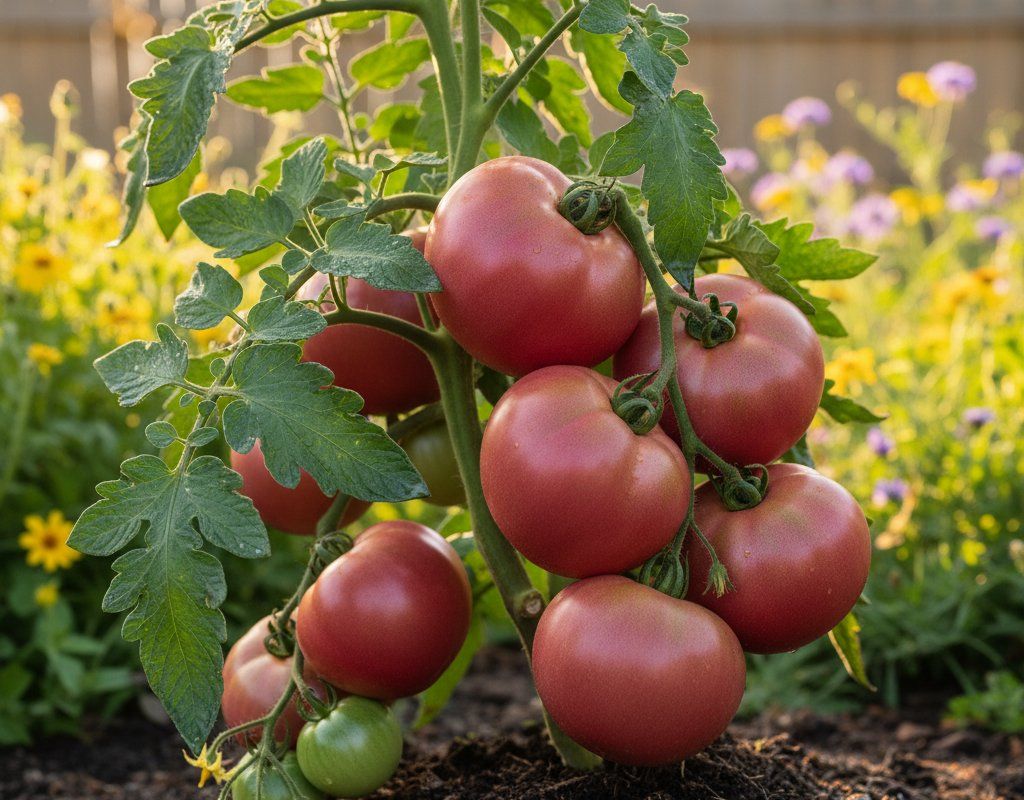
Brandywine tomatoes offer Desert Southwest gardeners something extraordinary – the complex, wine-like flavor that made them legendary among heirloom varieties. These indeterminate giants produce massive, pink-red fruits that put grocery store tomatoes to shame, with a rich taste perfect for fresh eating and that captures the essence of summer. In our Zone 7A climate, you'll appreciate how these beauties thrive in our long 230-day growing season, giving you months of harvesting from plants that can easily reach 6-8 feet tall.
Yes, Brandywines need more attention than hybrid varieties, and our extreme heat and arid conditions require some planning. But with proper timing and consistent watering, these tomatoes actually perform well here – our low humidity means fewer disease issues than gardeners face in muggy climates, and our two growing seasons give you flexibility most regions don't have.
Starting Seeds Indoors
Start your Brandywine seeds indoors from mid February through mid March, about 6 weeks before you plan to transplant outside. In the Desert Southwest, this timing takes advantage of our very-early spring character – you'll have strong transplants ready when our last frost passes and soil warms up in early to mid April.
Set up seed trays with quality seed-starting mix in a warm spot around 65-75°F. Brandywines germinate best with consistent warmth and moisture, so consider using a heat mat if your house runs cool. Once seedlings emerge, provide bright light from a grow light or sunny south window. Bottom watering works better than overhead watering – it keeps the soil evenly moist without encouraging fungal issues that can plague tomato seedlings.
Keep seedlings growing steadily with consistent moisture and warmth. As they develop their second set of true leaves, you can begin weekly diluted fertilizer to build strong plants ready for our desert conditions.
Transplanting Outdoors
Plan to transplant your Brandywine seedlings from early to late April, after our last frost risk passes and nighttime temperatures stay consistently above 50°F. This timing is crucial in the Desert Southwest – too early and late cold snaps can damage tender plants, too late and they'll struggle to establish before our extreme heat arrives.
Harden off your seedlings gradually over about a week, starting with just an hour or two of morning sun and gradually increasing their outdoor time. Desert Southwest spring weather can be unpredictable with sudden temperature swings, so watch the forecast and bring plants inside if needed during the hardening process.
Space your Brandywines 36-48 inches apart – these indeterminate giants need room for air circulation, especially important in our low humidity climate. Plant them deep, burying 2/3 of the stem to encourage strong root development. The extra spacing also helps prevent competition for water, critical since these plants have high water needs in our arid environment.
Watering Brandywine Tomatoes in Zone 7A (Desert Southwest)
Brandywines are thirsty plants that demand consistent moisture – this is non-negotiable in our Desert Southwest climate. In our arid environment with extreme summer heat reaching 105°F regularly, these tomatoes need about 2-3 inches of water per week once established, more during peak summer heat. Check soil moisture with your finger pushed 2 inches deep – it should feel consistently damp but not waterlogged.
Water deeply at the base of plants rather than overhead, since our low humidity means foliage stays wet longer and can invite disease issues. Morning watering is ideal, giving plants time to absorb moisture before the day's heat hits. During our intense summer months, you may need to water every other day or even daily for container plants.
Watch for signs of water stress – wilting during extreme heat is normal, but if plants don't perk up by evening, increase watering frequency. Underwatered Brandywines show yellowing lower leaves and blossom end rot, while overwatering causes root rot and yellowing from the bottom up. These heirloom tomatoes are particularly prone to fruit cracking if you let them get too dry then flood them with water.
Apply 3-4 inches of mulch around plants to conserve moisture and keep soil temperatures steady. In our desert conditions, this mulch layer is essential for maintaining the consistent moisture Brandywines require for their best fruit production.
Supporting Your Brandywine Tomatoes
Install strong support systems at planting time – Brandywines are vigorous indeterminate vines that easily reach 6-8 feet tall and produce massive fruits that can weigh over a pound each. Heavy-duty tomato cages or sturdy stakes with multiple tie points work best, since these plants will put significant weight on whatever support you provide.
For cages, choose the tallest, sturdiest ones available – at least 6 feet high with thick wire construction. If staking, use 8-foot stakes driven 2 feet deep, and plan to tie branches every 12-18 inches as plants grow. The potato-leaf foliage of Brandywines provides less shade coverage than regular tomatoes, so strong support becomes even more critical to prevent branches from breaking under fruit weight.
Train main stems upward and secure heavy fruit clusters to prevent branches from snapping. As fruits develop, you may need to provide individual support for particularly large tomatoes using soft ties or tomato hammocks to distribute weight properly.
Pruning & Maintaining Brandywine Tomatoes
Prune Brandywines moderately to improve air circulation while maintaining enough foliage for fruit protection. Remove suckers (shoots growing between main stems and branches) when they're small and tender, focusing on lower suckers that won't contribute much to harvest. Leave upper suckers if you want more fruiting branches, but remember that each sucker means more competition for water and nutrients.
Remove lower leaves that touch the ground or show any disease signs throughout the growing season. This is especially important in our Desert Southwest climate where soil-borne pathogens can splash up during our monsoon season. Strip leaves from the bottom 12-18 inches of the plant as it grows taller.
As first frost approaches in early November, you can top plants by removing growing tips to encourage remaining fruits to ripen. About 6-8 weeks before expected frost, prune any new flower clusters since they won't have time to develop into mature fruit. This directs the plant's energy into ripening existing tomatoes before cold weather arrives.
🧪Fertilizing Brandywine Tomatoes
Feeding Schedule
Organic Fertilizer Options
Harvest Time
Expect your first Brandywine harvest from early July through mid August, about 90 days after transplanting. These beauties are ready when they develop their characteristic pink-red color with slight softness when gently squeezed – don't wait for them to be completely red, as the shoulders may remain greenish. That green shoulder is normal for Brandywines and doesn't affect flavor.
Harvest by twisting and pulling gently, or use clean pruning shears to cut the stem. Pick fruits regularly to encourage continued production – Brandywines will keep producing until our first frost in early November. During our extreme summer heat, harvest in early morning when temperatures are coolest and fruits are fully hydrated.
These large tomatoes continue ripening after picking, so you can harvest them at the "breaker" stage (just starting to show color) if extreme heat is causing problems. Store them stem-side down at room temperature to finish ripening. This technique is especially useful during our hottest summer weeks when leaving fruit on the vine can lead to sunscald or overripening.
As early November approaches and frost threatens, harvest all remaining fruits regardless of size. Green tomatoes can ripen indoors over several weeks, giving you fresh Brandywines well into winter. Wrap individual green fruits in newspaper and check weekly – many will slowly develop that distinctive Brandywine flavor even when picked green.
Common Problems in Zone 7A (Desert Southwest)
Fruit Cracking Split skin around the stem (concentric circles) or radiating lines from the blossom end, often exposing flesh to rot and insects. In our Desert Southwest climate, this happens when plants go from bone-dry to saturated – common during monsoon season after weeks of drought. Maintain consistent soil moisture with deep, regular watering and 3-4 inches of mulch. Consider drip irrigation to avoid the wet-dry cycles that cause cracking.
Low Yields Fewer tomatoes than expected despite healthy-looking plants, particularly frustrating with Brandywines since they're already lower-yielding than hybrids. Our extreme heat can interfere with pollination when temperatures exceed 95°F for extended periods, and excessive nitrogen from over-fertilizing creates lush foliage with few fruits. Focus on balanced fertilizing with more phosphorus than nitrogen, ensure consistent watering, and provide afternoon shade during peak summer heat to improve fruit set.
Disease Susceptibility Yellow, brown, or spotted leaves, wilting branches, or fruit rot – Brandywines lack the disease resistance bred into modern hybrids. Our low humidity helps, but monsoon moisture can trigger fungal issues like early blight and septoria leaf spot. Space plants wider for better air circulation, water at soil level rather than on leaves, and remove affected foliage immediately. Apply preventative copper fungicide before problems start, especially as monsoon season approaches.
Catfacing Deep grooves, scars, and deformed fruits that look lumpy or misshapen around the blossom end, making tomatoes look almost alien. Cool nights during flowering (below 55°F) cause incomplete pollination, more common when planting too early in our unpredictable spring weather. Wait until nighttime temperatures stay consistently above 55°F before transplanting, and use row covers if unexpected cool weather threatens during flowering periods.
Desert Southwest Specific Challenges Our extreme heat and intense UV radiation can cause sunscald on exposed fruits, while our alkaline soil may limit nutrient availability. The combination of extreme heat and arid conditions stresses plants heavily, making them more susceptible to all these problems. Provide afternoon shade during peak summer, amend soil with compost to improve nutrient availability, and maintain religious consistency with watering to help plants cope with our demanding climate.
Best Companions for Brandywine Tomatoes
Plant these nearby for healthier Brandywine Tomatoes and better harvests.
View Full Companion Planting Chart →



Companion Planting Details
Basil makes an excellent companion for Brandywines in the Desert Southwest – it helps repel insects like aphids and hornworms while thriving in similar conditions. Plant parsley nearby to attract beneficial insects that prey on tomato pests, and consider marigolds as a border planting to deter nematodes in our sandy soils. Carrots work well as understory plants, their deep taproots help break up caliche while not competing heavily for surface water that tomatoes need.
Avoid planting brassicas like cabbage or broccoli near Brandywines – they attract different pests and can harbor diseases that affect tomatoes. Keep fennel far away since it can inhibit tomato growth, and avoid corn which attracts corn earworms that also love tomato fruits. In our water-scarce environment, also avoid pairing with other high-water plants unless you're prepared to significantly increase irrigation in that area.
🌸Best Flowers to Plant with Brandywine Tomatoes
These flowers protect your Brandywine Tomatoes from pests and attract pollinators for better harvests.
For Pest Control

Get a Reminder When It's Time to Plant
We'll email you when key planting windows open for your zone.