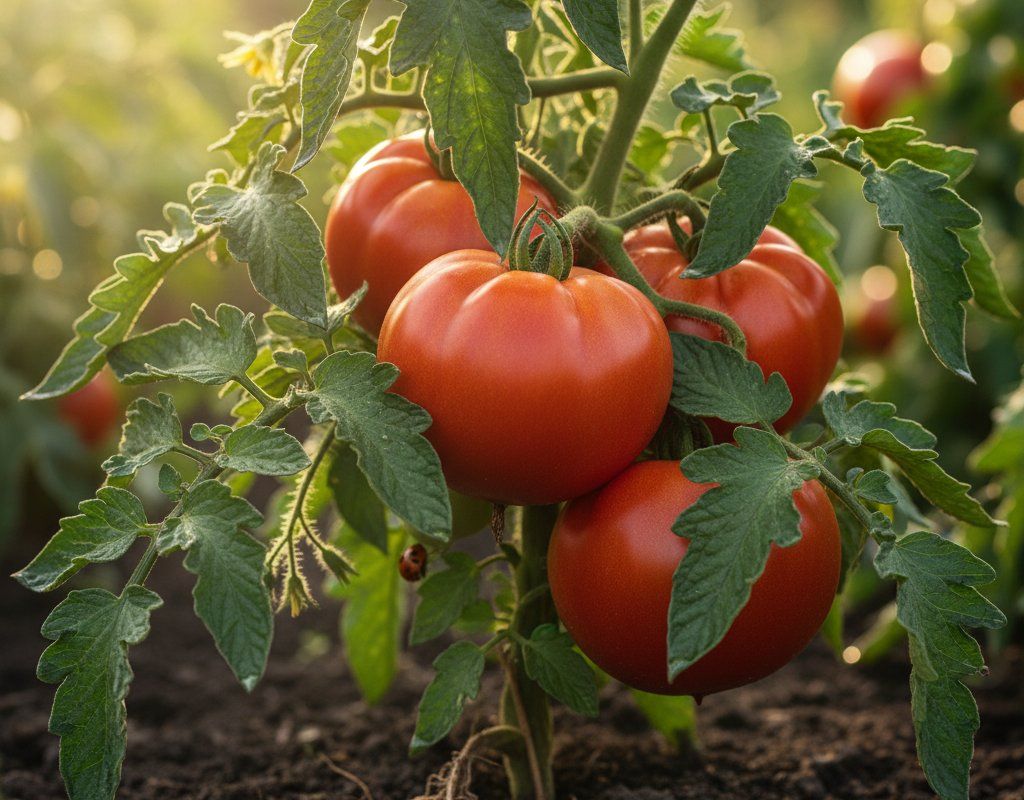
Beefsteak Tomatoes in Zone 9A — Gulf Coast
Solanum lycopersicum · Your Complete 2026 Planting Guide
Time to Buy Starts!
Seed starting window passed, but starts are available now.
Buy Starts Now
Head to your local nursery, Home Depot, or farmers market for transplants.
- Look for stocky plants with dark green leaves
- Avoid leggy seedlings or plants already flowering
- Check that roots aren't circling the pot (rootbound)
How to Plant Beefsteak Tomatoes in Zone 9A — Gulf Coast
Here are all your options for getting beefsteak tomatoes in the ground, from the easiest method to more advanced approaches.
Start Seeds Indoors
RecommendedEarly to late January
around January 13
Then transplant: Late February through late March
Start seeds 6-8 weeks before transplanting outdoors.
Buy Starts
Works WellLate February through late March
around February 24
Plant purchased starts after last frost (February 10).
Direct Sow Seeds
ChallengingDirect sowing is not typical for Beefsteak Tomatoes.
Transplant Outdoors
Timing InfoLate February through late March
around February 24
Wait until nighttime temperatures stay above 50°F.
You have a nice window — no need to rush.
Overview
Growing your own beefsteak tomatoes in the Gulf Coast gives you access to those massive, meaty slicers that taste nothing like the cardboard versions from grocery stores. These indeterminate giants can reach 1-2 pounds each, perfect for thick sandwich slices and fresh caprese salads that showcase our region's abundance of fresh basil. Our hot, humid summers and long growing season create ideal conditions for these heat-loving plants to reach their full potential.
While our extreme humidity and disease pressure can challenge tomato growers, timing your planting right makes all the difference. With our 303-day growing season, you have plenty of time to start seeds indoors during the cooler months and transplant when conditions are perfect. The key is working with our climate patterns rather than against them.
Starting Seeds Indoors
Start your beefsteak tomato seeds indoors during early to late January, about 6 weeks before you plan to transplant. Our early spring character means you can get transplants in the ground by late February, giving these slow-maturing varieties the full season they need. Use seed-starting trays filled with quality potting mix, and keep them consistently warm - around 70-75°F works well.
Bottom watering works best for tomato seedlings since it prevents damping off disease, which thrives in our humid conditions. Set up a grow light or place trays in your brightest south-facing window. With our mild winter temperatures, a sunny windowsill often provides enough warmth during the day.
Once seedlings develop their first true leaves, transplant them into individual 4-inch pots. This gives their roots room to develop the strong foundation they'll need to support those heavy fruits later in the season.
Transplanting Outdoors
Transplant your beefsteak seedlings outdoors from late February through late March, after hardening them off for about a week. Start the hardening process gradually - a few hours outside on calm, mild days, then bringing them back indoors. Our unpredictable late winter weather can swing from 70°F one day to 40°F the next, so watch the forecast carefully.
Space plants 36-48 inches apart to allow for proper air circulation - crucial in our high humidity environment. These indeterminate varieties will spread wide and tall, and good airflow helps prevent the fungal diseases that plague tomatoes in Gulf Coast gardens. Choose a spot that gets full morning sun but has some protection from harsh afternoon heat.
Plant after soil temperatures consistently reach 60°F and nighttime lows stay above 50°F. If an unexpected cold snap threatens, be ready with row covers or even old bedsheets to protect your transplants.
Watering Beefsteak Tomatoes in Zone 9A (Gulf Coast)
Beefsteak tomatoes need consistent, deep watering to develop their massive fruits properly. In our Gulf Coast climate, this means about 1.5-2 inches of water per week, including rainfall. During our wet spring months, you might not need to water much at all, but summer heat and afternoon storms create a tricky balance.
Water deeply at the base of plants rather than overhead - our very high humidity already creates perfect conditions for fungal diseases, so keeping foliage dry is essential. Use the finger test: stick your finger 2 inches into the soil near the plant. If it's dry, water slowly and thoroughly until you see water seeping from the bottom of the root zone.
The biggest watering challenge here is maintaining consistency through our seasonal extremes. Spring might dump 3 inches of rain in one afternoon storm, while summer heat can dry out soil quickly despite high humidity. Inconsistent watering leads to cracking and blossom end rot in these large-fruited varieties.
Apply a thick layer of organic mulch around plants to buffer moisture swings and keep soil temperatures steady. Pine straw works particularly well in our region and helps maintain that crucial even moisture these heavy feeders demand.
Supporting Your Beefsteak Tomatoes
Install sturdy tomato cages or heavy stakes at planting time - beefsteak tomatoes need serious support since individual fruits can weigh over a pound. Standard tomato cages from garden centers often aren't strong enough. Look for extra-tall, heavy-duty cages or use 6-foot wooden stakes driven 18 inches deep.
These indeterminate plants keep growing and producing until frost, which means they can reach 6-8 feet tall in our long growing season. Tie branches loosely with soft ties or strips of old t-shirts, checking weekly as they grow. The weight of those massive fruits can snap branches unexpectedly, especially during summer storms.
Consider using a combination approach - sturdy cages with additional stakes for extra support. With hurricane season lasting from June through November, your support system needs to handle not just heavy fruit but also strong winds and driving rain.
Pruning & Maintaining Beefsteak Tomatoes
Remove suckers (shoots growing between main stems and branches) regularly to direct energy into fewer, larger fruits. In our humid climate, also remove lower leaves that touch the ground or grow too close together - this improves air circulation and reduces disease pressure. Start pruning when plants are about 12 inches tall.
Focus on keeping 2-3 main stems and remove most suckers above that. Don't remove all suckers - some gardeners in our region leave a few to provide extra leaf cover during brutal summer heat. Remove any yellow, spotted, or diseased foliage immediately to prevent spread.
As we approach our first frost around early December, start "topping" plants in late October by pinching growing tips. This redirects energy into ripening existing fruits rather than developing new ones that won't have time to mature.
🧪Fertilizing Beefsteak Tomatoes
Feeding Schedule
Organic Fertilizer Options
Harvest Time
Your first beefsteak tomatoes should be ready from mid-May through early July, about 85 days from transplanting. Look for deep, rich color development and slight softness when you cup the fruit gently in your palm. These varieties often develop full size before full color, so be patient - rushing the harvest means missing out on peak flavor.
Harvest by twisting and pulling gently, or use clean scissors to cut the stem. Check plants every 2-3 days once fruits start ripening - our heat accelerates the process, and overripe tomatoes split easily. Pick fruits just as they start showing color and let them finish ripening indoors if cracking becomes a problem.
These indeterminate plants keep producing until our first frost, typically in early December. That gives you months of continuous harvest from each plant. During peak season in summer, you might harvest 3-4 pounds per week from a healthy plant.
As fall progresses and nights start cooling, bring any green fruits larger than golf balls indoors to ripen. They'll continue developing full flavor on your kitchen counter, extending your harvest well past the first cold snap.
Common Problems in Zone 9A (Gulf Coast)
Cracking appears as splits in the tomato skin, either in circles around the stem or radiating lines from top to bottom. The exposed flesh often rots quickly in our humid conditions. This happens when heavy rain or watering follows a dry period - the fruit absorbs water faster than the skin can stretch. Water consistently and mulch heavily to prevent the wet-dry cycles that trigger cracking. Harvest promptly once fruits start showing color.
Catfacing creates deep grooves, scars, and lumpy deformities on the bottom of fruits, making them look severely misshapen. Cool temperatures during flowering cause incomplete pollination, and beefsteak varieties are particularly prone to this problem. Our unpredictable spring weather often triggers catfacing on early fruits. The tomatoes are perfectly edible despite their ugly appearance - just cut around the scarred areas.
Blossom end rot shows up as dark, sunken spots on the bottom of fruits, often affecting your first harvest. This isn't a disease but a calcium deficiency caused by inconsistent watering. Our cycle of afternoon storms followed by hot, drying conditions creates the perfect setup for this problem. Maintain consistent soil moisture through mulching and regular watering - this single fix prevents most cases.
Slow ripening means large green fruits that seem stuck, taking much longer than the expected 85 days. Our high humidity can actually slow ripening despite warm temperatures, especially if plants get too much nitrogen or insufficient sunlight. Reduce nitrogen fertilizer after initial growth and ensure plants get full morning sun. Remove some foliage if fruits are heavily shaded.
Gulf Coast Specific Challenges: Our extreme humidity creates constant disease pressure, making fungal problems your biggest ongoing challenge. The combination of hot heat and very high humidity stresses plants, while wet-year-round rainfall can lead to overwatering and root problems. Focus on air circulation, consistent (not excessive) watering, and choosing disease-resistant varieties when possible.
Best Companions for Beefsteak Tomatoes
Plant these nearby for healthier Beefsteak Tomatoes and better harvests.
View Full Companion Planting Chart →



Companion Planting Details
Plant basil near your beefsteak tomatoes - it naturally repels hornworms and thrips while improving tomato flavor. The aromatic oils also help mask tomato scent from pests. Carrots make excellent ground cover companions since their taproots don't compete with tomato roots, and marigolds planted nearby deter nematodes and other soil pests that thrive in our warm, moist conditions.
Avoid planting brassicas like cabbage or broccoli near tomatoes - they're heavy feeders that compete for nutrients and attract different pests. Fennel inhibits tomato growth, and corn attracts hornworms that will quickly find your tomato plants. In our humid climate where diseases spread quickly, keep different plant families separated to prevent cross-contamination of problems.
🌸Best Flowers to Plant with Beefsteak Tomatoes
These flowers protect your Beefsteak Tomatoes from pests and attract pollinators for better harvests.


Get a Reminder When It's Time to Plant
We'll email you when key planting windows open for your zone.