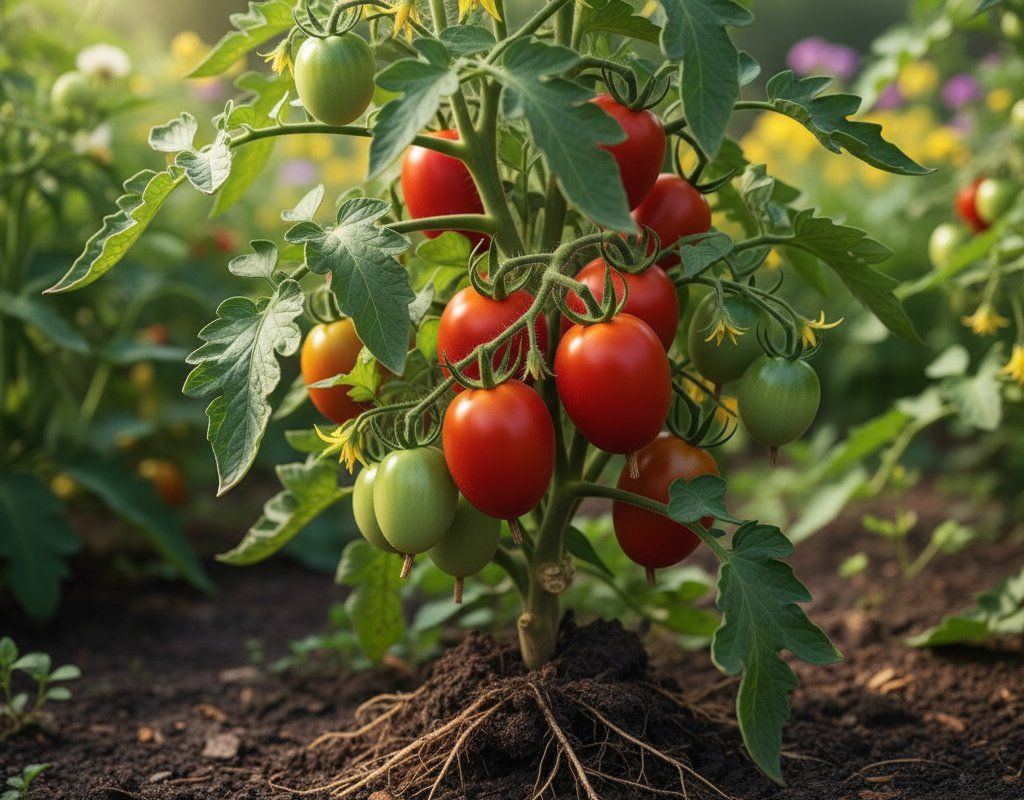
Roma Tomatoes in Zone 9A — Gulf Coast
Solanum lycopersicum · Your Complete 2026 Planting Guide
Time to Buy Starts!
Seed starting window passed, but starts are available now.
Buy Starts Now
Head to your local nursery, Home Depot, or farmers market for transplants.
- Look for stocky plants with dark green leaves
- Avoid leggy seedlings or plants already flowering
- Check that roots aren't circling the pot (rootbound)
How to Plant Roma Tomatoes in Zone 9A — Gulf Coast
Here are all your options for getting roma tomatoes in the ground, from the easiest method to more advanced approaches.
Start Seeds Indoors
RecommendedEarly to late January
around January 13
Then transplant: Late February through late March
Start seeds 6-8 weeks before transplanting outdoors.
Buy Starts
Works WellLate February through late March
around February 24
Plant purchased starts after last frost (February 10).
Direct Sow Seeds
ChallengingDirect sowing is not typical for Roma Tomatoes.
Transplant Outdoors
Timing InfoLate February through late March
around February 24
Wait until nighttime temperatures stay above 50°F.
You have a nice window — no need to rush.
Overview
Roma tomatoes thrive in our Gulf Coast climate, producing meaty, low-seed fruit perfect for sauces, paste, and canning. These determinate paste tomatoes concentrate their harvest over several weeks, giving you plenty of fruit for preserving during our long 303-day growing season. The thick walls and dense flesh hold up beautifully in our high humidity, and they're less prone to cracking than many slicing varieties.
Our Gulf Coast springs start early, which works perfectly for Roma's 75-day maturity timeline. While our extreme humidity and disease pressure can challenge tomatoes, getting Roma transplants established before the peak summer heat arrives sets you up for success. The key is timing your indoor seed starting to take advantage of our mild late winter weather.
Starting Seeds Indoors
Start your Roma seeds indoors during early to late January, about 6 weeks before your planned transplant date. Our early spring character means you can get transplants out earlier than most regions, so this January start gives you the perfect timeline. Use seed starting trays filled with quality potting mix, and keep them consistently warm—around 70-75°F works best for germination.
Place your seed trays under grow lights or in a sunny south-facing window once seedlings emerge. Bottom watering works exceptionally well for tomato seedlings, as it prevents damping-off disease that thrives in our humid conditions. Keep the soil surface drier while ensuring roots get adequate moisture from below.
Your Roma seedlings will be ready for transplanting by late February through late March, perfectly timed for our Gulf Coast growing season. By starting indoors during our mild winter, you'll have sturdy transplants ready when soil temperatures warm up consistently.
Transplanting Outdoors
Transplant your Roma seedlings outdoors from late February through late March, when nighttime temperatures consistently stay above 50°F. This timing takes advantage of our early spring warmth while avoiding the worst of summer's heat stress. You have about a 4-week window to get them established before our intense humidity and afternoon storms become daily occurrences.
Harden off your seedlings gradually over 7-10 days before transplanting. Start with just an hour outdoors in filtered light, gradually increasing exposure time and moving to direct sun. Our Gulf Coast weather can change quickly during spring, so watch for unexpected cold snaps that might require bringing plants back inside temporarily.
Space your Roma plants 24-36 inches apart to ensure good air circulation—critical in our high humidity climate. Plant them slightly deeper than they were in their containers, burying part of the stem to encourage strong root development. This extra root system helps them handle our wet year-round conditions and summer heat.
Watering Roma Tomatoes in Zone 9A (Gulf Coast)
Roma tomatoes need consistent, deep watering throughout our Gulf Coast growing season, requiring about 1.5-2 inches per week including rainfall. Even moisture is especially critical for paste tomatoes like Roma because inconsistent watering concentrates blossom end rot on their elongated fruit. Check soil moisture by inserting your finger 2 inches deep—if it's dry at that level, it's time to water.
During our wet spring months, you might need little supplemental watering, but monitor carefully as afternoon storms can be hit-or-miss. Once summer heat arrives with temperatures reaching 93°F, daily watering becomes essential despite our 50-65 inches of annual rainfall. The combination of heat and humidity causes rapid moisture loss through the leaves.
Always water at the base of the plant rather than overhead—our very high humidity creates perfect conditions for fungal diseases when foliage stays wet. Morning watering allows any splashed leaves to dry quickly before evening humidity rises. Soaker hoses or drip irrigation work exceptionally well for consistent, ground-level watering.
Signs of underwatering include wilting during hot afternoons and blossom end rot on developing fruit. Overwatering shows up as yellowing leaves and root rot, which can happen quickly in our heavy clay soils during rainy periods. Apply 3-4 inches of organic mulch around plants to maintain even soil moisture and reduce the need for frequent watering adjustments.
Supporting Your Roma Tomatoes
Install cages or stakes at planting time since Roma's determinate growth habit produces a concentrated, heavy fruit load that needs support. These plants typically reach 3-4 feet tall, so shorter cages work fine—you don't need the massive supports required for indeterminate varieties. Choose sturdy cages at least 4 feet tall, as the weight of Roma fruit clusters can bend weaker supports.
Stakes should be driven 12-18 inches deep and positioned 4-6 inches from the plant stem to avoid root damage. As plants grow, tie stems loosely to stakes with soft material like cloth strips or tomato ties. The goal is support without restricting the plant's natural growth or cutting into stems as they thicken.
Roma plants benefit from some light pruning of suckers (shoots growing between main stem and branches) to improve air circulation—especially important in our humid climate. However, since they're determinate, don't over-prune or you'll reduce your overall harvest. Focus on removing bottom branches that touch the ground to prevent soil-borne disease splash.
🧪Fertilizing Roma Tomatoes
Feeding Schedule
Organic Fertilizer Options
Harvest Time
Your first Roma tomatoes will be ready from early May through late June, about 75 days after transplanting. This timing puts peak harvest before our most intense summer heat and humidity, when fruit quality can decline. Roma tomatoes are ready when they've developed a deep red color throughout and feel firm with just slight give when gently squeezed.
The fruit should detach easily from the stem when fully ripe—if you're pulling hard, it needs more time. Unlike cherry tomatoes, Roma varieties ripen most of their fruit within a 2-3 week window since they're determinate. This concentrated harvest is perfect for sauce-making and preserving projects.
Roma tomatoes ripen beautifully off the vine, so you can harvest slightly underripe fruit if needed. As our first frost approaches in early December, pick any remaining green fruit and bring indoors to ripen on countertops. Green Roma tomatoes will continue ripening for several weeks when stored at room temperature.
Check plants every 2-3 days during peak harvest season, as fruit can go from perfect to overripe quickly in our heat and humidity. Morning harvesting is ideal when fruits are cool and firm. Store ripe tomatoes at room temperature rather than refrigerating, which damages their texture and flavor.
Common Problems in Zone 9A (Gulf Coast)
Blossom End Rot Dark brown or black sunken patches appear on the bottom (blossom end) of developing Roma fruit, creating leathery, rotted areas. This typically affects the first flush of tomatoes each season. In our Gulf Coast climate, inconsistent watering from spring rain variations followed by summer heat stress commonly triggers this condition. It's not a disease but a calcium deficiency caused by the plant's inability to uptake calcium during drought-flood cycles. Maintain consistent soil moisture through mulching and regular watering schedules. Remove affected fruit promptly and focus on steady moisture management rather than calcium sprays.
Early Blight Brown spots with distinctive concentric rings (bullseye pattern) start on lower leaves and spread upward, eventually causing yellowing and leaf drop. This fungal disease thrives in our warm, humid conditions and spreads through soil splash during our frequent afternoon storms. Remove affected leaves immediately and destroy them—never compost diseased material. Mulch heavily to prevent soil splash, water only at the base of plants, and ensure good air circulation through proper spacing. Copper-based fungicides can slow progression but won't cure infected plants.
Fusarium Wilt Plants develop wilting on one side first, followed by yellowing leaves and eventual plant death. When you cut the stem, you'll see brown streaking inside. This soil-borne fungus persists in Gulf Coast soils for years and enters through root wounds, favored by our warm soil temperatures. Once infected, remove and destroy the entire plant immediately. Prevention includes planting resistant varieties (look for 'F' on seed packets), rotating crops yearly, and maintaining soil pH above 6.5 to suppress the fungus.
Our Gulf Coast climate of extreme humidity and wet year-round conditions creates ideal environments for fungal diseases. The combination of warm soil, frequent moisture, and poor air circulation during humid summer nights particularly stresses Roma plants, making consistent preventive care essential for healthy harvests.
Best Companions for Roma Tomatoes
Plant these nearby for healthier Roma Tomatoes and better harvests.
View Full Companion Planting Chart →



Companion Planting Details
Plant basil near your Roma tomatoes—it naturally repels aphids and spider mites while improving tomato flavor, plus you'll harvest both ingredients for perfect pasta sauces. Carrots make excellent companions since their deep taproots don't compete with Roma's shallow feeder roots, and parsley attracts beneficial insects that help control tomato pests common in our Gulf Coast gardens. Marigolds planted around the tomato bed deter nematodes and whiteflies, both problematic in our warm, humid climate.
Avoid planting brassicas like cabbage, broccoli, or cauliflower near Roma tomatoes, as they're heavy nitrogen feeders that compete for nutrients and can stunt tomato growth. Fennel inhibits tomato growth through allelopathic compounds, while corn attracts tomato hornworms and creates too much shade for optimal fruit production. Keep these incompatible plants at least 4-6 feet away from your tomato bed for best results.
🌸Best Flowers to Plant with Roma Tomatoes
These flowers protect your Roma Tomatoes from pests and attract pollinators for better harvests.
For Pest Control



For Pollinators

Get a Reminder When It's Time to Plant
We'll email you when key planting windows open for your zone.