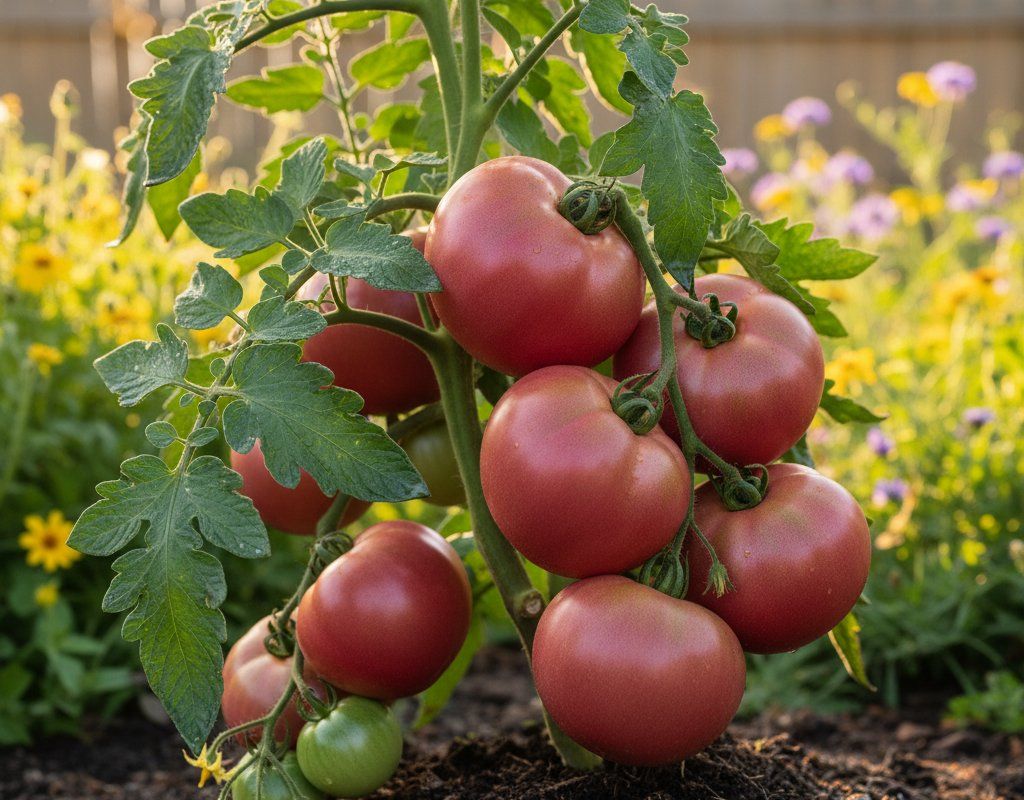
Brandywine Tomatoes in Zone 10A — Desert Southwest
Solanum lycopersicum · Your Complete 2026 Planting Guide
Check Planting Details Below
See the full planting guide for timing information.
How to Plant Brandywine Tomatoes in Zone 10A — Desert Southwest
Here are all your options for getting brandywine tomatoes in the ground, from the easiest method to more advanced approaches.
Start Seeds Indoors
RecommendedMid December through early January
around December 23
Then transplant: Early to late February
Start seeds 6-8 weeks before transplanting outdoors.
Buy Starts
Works WellEarly to late February
around February 3
Plant purchased starts after last frost (January 20).
Direct Sow Seeds
ChallengingDirect sowing is not typical for Brandywine Tomatoes.
Transplant Outdoors
Timing InfoEarly to late February
around February 3
Wait until nighttime temperatures stay above 50°F.
Plan to transplant within a few weeks of your target date.
Overview
Brandywine tomatoes deliver that old-fashioned, complex flavor that makes store-bought varieties taste like cardboard in comparison. In our Desert Southwest climate, these massive pink-red beauties reach their peak just before the extreme heat hits, giving you incredible harvests during our mild spring weather when the flavor develops perfectly in warm days and cool nights.
Growing Brandywines here means working with our 339-day growing season and two distinct planting windows. While the extreme heat and low humidity present challenges for any tomato, proper timing lets you harvest these prized heirlooms before summer survival mode kicks in. Start early, and you'll be enjoying 1-pound fruits while your neighbors are still planning their gardens.
Starting Seeds Indoors
Start your Brandywine seeds indoors from mid-December through early January, giving them about 6 weeks to develop before transplanting. In our desert climate with very early springs, this timing ensures strong transplants ready for February planting when nighttime temperatures stay above freezing.
Set up seed trays in a warm spot (70-75°F works well) with good light once seedlings emerge. Use bottom watering to keep the soil consistently moist without creating fungal problems - fill a tray with water and let the seed cells absorb moisture from below. This method works especially well in our low humidity environment.
Your seedlings will need supplemental light during our short winter days. A simple grow light setup keeps them stocky and strong, preventing the leggy growth that happens when they stretch toward weak winter sunlight through windows.
Transplanting Outdoors
Transplant your Brandywine seedlings outdoors from early to late February, after our last frost risk passes in mid-January. Even though we rarely get hard freezes, these tender plants need consistent temperatures above 50°F at night to thrive and set fruit properly.
Harden off your seedlings gradually over a week by moving them outside for increasing periods daily. Start with 2-3 hours of morning sun, building up to full days outdoors. Our intense desert sun can shock indoor-grown plants, so this gradual exposure prevents transplant setback.
Space plants 36-48 inches apart - these indeterminate vines grow large and need excellent air circulation in our climate. The wider spacing also makes watering individual plants easier, which becomes critical as temperatures climb toward summer. Plant them slightly deeper than they were in their containers, burying part of the stem to encourage strong root development.
Watering Brandywine Tomatoes in Zone 10A (Desert Southwest)
Brandywines demand consistent, deep watering throughout our growing season, and their high water needs make them challenging in our arid climate. Plan on providing 2-3 inches of water weekly through spring, increasing as temperatures rise toward summer. These heirloom varieties crack more easily than hybrids when moisture fluctuates, so consistency matters more than total volume.
Water at soil level rather than overhead to combat our low humidity and reduce disease pressure. Drip irrigation or soaker hoses work perfectly, delivering water directly to the root zone without wetting the foliage. Check soil moisture using the finger test - stick your finger 2 inches down, and water when it feels dry at that depth.
During monsoon season, be ready to adjust your watering schedule when natural rainfall arrives. Too much water after dry spells causes fruit cracking, so reduce irrigation when storms roll through. Mulch around plants with 2-3 inches of wood chips to maintain even soil moisture and keep roots cool as we approach summer heat.
Watch for signs of water stress: wilting during hot afternoons (normal), yellowing lower leaves (underwatering), or cracked fruit (inconsistent watering). In our extreme heat, these plants may need daily watering once temperatures consistently hit triple digits.
Supporting Your Brandywine Tomatoes
Install strong support systems at planting time since Brandywine vines grow 6-8 feet tall with massive fruit that can weigh over a pound each. Heavy-duty tomato cages (at least 6 feet tall) or sturdy wooden stakes with horizontal supports work best for these vigorous indeterminate plants.
The large fruit clusters put tremendous stress on branches, especially when plants are loaded with multiple pounds of tomatoes. Use soft plant ties or strips of fabric to secure main stems to supports, checking and adjusting ties as the plant grows throughout the season.
Brandywine's potato-leaf foliage provides less natural shade than regular tomato varieties, making good support structure even more important in our intense desert sun. Proper staking keeps heavy fruit off the ground and improves air circulation around the plant, reducing disease pressure in our climate.
Pruning & Maintaining Brandywine Tomatoes
Prune Brandywine plants moderately by removing suckers (shoots growing between main stems and branches) and lower leaves that touch the ground. This heirloom variety is more disease-susceptible than modern hybrids, so improved air circulation through selective pruning helps prevent problems in our climate.
Focus your pruning efforts on the lower 12 inches of the plant, removing any foliage that touches soil or shows signs of disease. Leave most upper growth intact since Brandywines need their foliage to protect fruit from sunscald in our intense desert sun. Remove suckers when they're small (2-3 inches) for easy, clean cuts.
As we approach our first frost in late December, top the plants by pinching off growing tips in early December. This redirects energy into ripening existing fruit rather than producing new flowers that won't have time to mature. Remove any fruit that won't ripen before frost to help the plant focus on finishing the remaining crop.
🧪Fertilizing Brandywine Tomatoes
Feeding Schedule
Organic Fertilizer Options
Harvest Time
Expect your first Brandywine harvest from early May through mid-June, about 90 days from transplanting. These beauties ripen to a pink-red color with slight softness when gently squeezed - the shoulders may stay slightly green, which is normal for this variety and doesn't indicate unripeness.
Harvest fruit when it shows good color but still feels firm, especially as we head toward extreme heat. Brandywines continue ripening perfectly indoors on your counter, and picking slightly early prevents sun damage and cracking during our hottest weather. Twist and pull gently, or use clean garden shears to avoid damaging the vine.
These plants produce continuously through spring and early summer, so check daily during peak harvest time. Regular picking encourages more fruit production and prevents over-ripe tomatoes from splitting on the vine during temperature swings between day and night.
As our first frost approaches in late December, harvest all remaining fruit regardless of ripeness. Green and partially ripe tomatoes will continue ripening indoors when stored at room temperature, giving you fresh Brandywines well into winter from your spring planting.
Common Problems in Zone 10A (Desert Southwest)
Cracking shows up as splits in the tomato skin, either in circles around the stem or radiating lines from top to bottom. These cracks expose the flesh and can lead to rot, especially problematic in our climate where consistent watering is already challenging. The cause is heavy watering or monsoon rains after dry spells - the fruit absorbs water faster than the skin can expand. Maintain consistent soil moisture through regular deep watering and mulching. Harvest promptly when fruit shows good color to avoid extended time on the vine during moisture fluctuations.
Low yields appear as healthy-looking plants that produce far fewer tomatoes than expected, despite good growth and flowering. In our desert climate, this often stems from insufficient pollination during temperature extremes, nitrogen-heavy fertilization that promotes leaves over fruit, or inconsistent watering stress. Ensure adequate spacing for air circulation, reduce nitrogen fertilizer in favor of phosphorus, and maintain consistent moisture. Hand-pollinate flowers during extreme heat by gently shaking plants or transferring pollen with a small brush.
Disease susceptibility manifests as various leaf spots, wilting, or fruit problems throughout the growing season. Brandywines lack the disease resistance genes found in modern hybrids, making them more vulnerable to fungal and bacterial issues in our climate. Improve air circulation through wider spacing and selective pruning of lower foliage. Water at soil level to keep leaves dry, and apply preventative organic fungicides during humid monsoon weather. Remove affected foliage immediately and rotate crops annually.
Catfacing creates deep crevices, scars, and lumpy deformities on the blossom end of fruits, making them look misshapen but still edible. Cool nighttime temperatures during flowering cause incomplete pollination, more common when you plant too early in our climate. Wait until nighttime temperatures consistently stay above 55°F before transplanting, and use row covers during any unexpected cool snaps in late winter or early spring.
Desert Southwest Specific Challenges: Our extreme heat, intense sun, and low humidity create additional stress for Brandywines beyond typical tomato problems. Sunscald becomes a major issue on exposed fruit, while rapid moisture loss through leaves increases water needs significantly. The alkaline soil common here can limit nutrient uptake, and our sparse rainfall means total dependence on irrigation for these water-hungry plants.
Best Companions for Brandywine Tomatoes
Plant these nearby for healthier Brandywine Tomatoes and better harvests.
View Full Companion Planting Chart →



Companion Planting Details
Plant basil near your Brandywines for natural pest deterrence and improved flavor - the strong scent helps repel aphids and hornworms while thriving in similar growing conditions. Carrots work well as understory plants, their deep taproots breaking up our often-compacted desert soils while not competing for the same nutrients or space. Marigolds planted around the garden perimeter help deter nematodes and other soil pests common in our warm climate.
Avoid planting brassicas like cabbage or broccoli near tomatoes, as they compete for similar nutrients and can harbor diseases that affect both plant families. Keep fennel away from tomatoes since it releases compounds that inhibit growth, and avoid corn which attracts similar pests and creates too much shade for these sun-loving plants. In our intense desert sun, your Brandywines need all available light without competition from tall neighboring plants.
🌸Best Flowers to Plant with Brandywine Tomatoes
These flowers protect your Brandywine Tomatoes from pests and attract pollinators for better harvests.
For Pest Control

Get a Reminder When It's Time to Plant
We'll email you when key planting windows open for your zone.