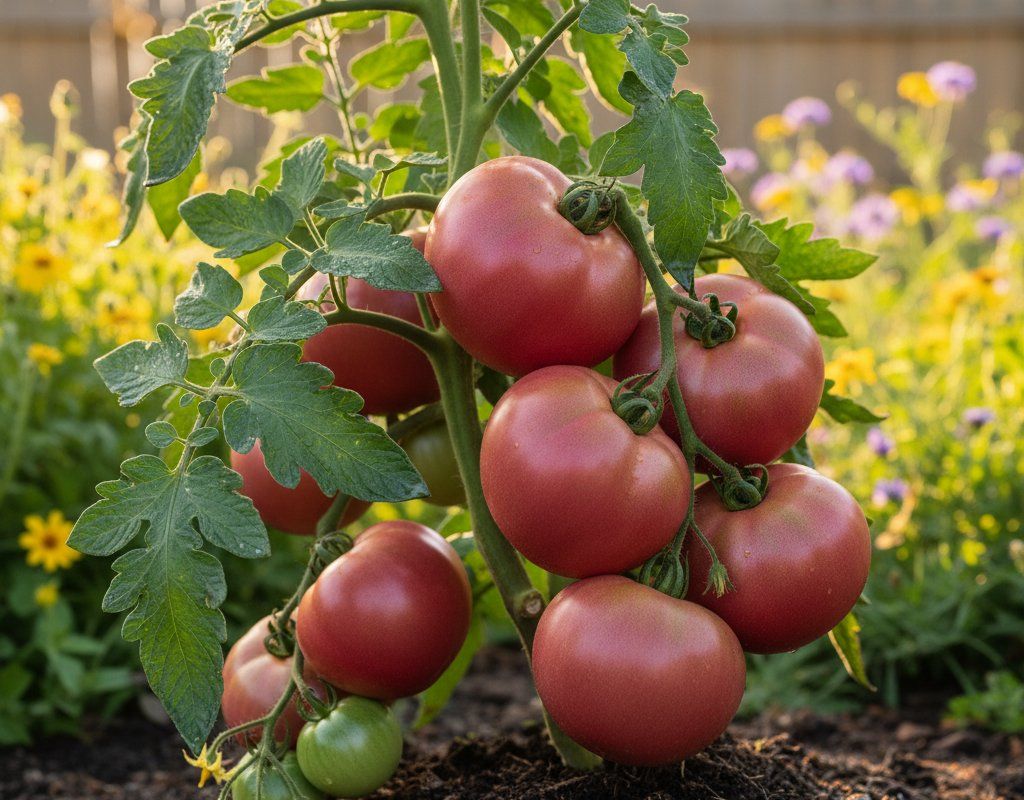
Brandywine Tomatoes in Zone 10B — Southern California
Solanum lycopersicum · Your Complete 2026 Planting Guide
Check Planting Details Below
See the full planting guide for timing information.
How to Plant Brandywine Tomatoes in Zone 10B — Southern California
Here are all your options for getting brandywine tomatoes in the ground, from the easiest method to more advanced approaches.
Start Seeds Indoors
RecommendedEarly to late December
around December 13
Then transplant: Late January through mid February
Start seeds 6-8 weeks before transplanting outdoors.
Buy Starts
Works WellLate January through mid February
around January 24
Plant purchased starts after last frost (January 10).
Direct Sow Seeds
ChallengingDirect sowing is not typical for Brandywine Tomatoes.
Transplant Outdoors
Timing InfoLate January through mid February
around January 24
Wait until nighttime temperatures stay above 50°F.
Plan to transplant within a few weeks of your target date.
Overview
Brandywine tomatoes deliver the deep, complex flavor that makes you understand why people grow heirlooms. These large, pink-red beefsteaks have that perfect balance of sweet and tangy that store-bought tomatoes can't match, and they're ideal for our Southern California gardens where the long, warm growing season lets them develop their full flavor potential. Your 355-day growing season means you can start them early and enjoy harvests well into fall.
While Brandywine varieties are known for being more finicky than hybrids, our mild winters and predictable dry summers actually work in their favor. The key is timing your planting to avoid the occasional cold snaps in January while taking advantage of our very early spring. With proper watering through our hot, dry summers, you'll be rewarded with tomatoes that remind you why gardening is worth the effort.
Starting Seeds Indoors
Start your Brandywine seeds indoors during early to late December, about 6 weeks before you plan to transplant. This timing works perfectly with Southern California's very early spring, getting your seedlings ready just as our mild winter weather begins its reliable transition to warmth. Use seed starting trays filled with quality potting mix, keeping the soil consistently moist with bottom watering to prevent fungal issues.
Place your trays in a warm spot (70-75°F works well) and provide bright light once seedlings emerge. A south-facing window often provides enough light during our bright winter days, though a grow light ensures stronger, stockier plants. Keep the soil evenly moist but not soggy – bottom watering helps maintain consistent moisture without encouraging damping-off disease.
Your seedlings should be ready for hardening off by late January, perfectly timed for our mild transition weather. Strong, 6-week-old plants handle the transplant process much better than younger seedlings, especially important since Brandywine varieties can be more sensitive than hybrids.
Transplanting Outdoors
Transplant your hardened-off Brandywine seedlings from late January through mid-February, when nighttime temperatures consistently stay above 50°F. This timing takes advantage of Southern California's mild winter-to-spring transition while avoiding the occasional cold snaps that can stress tender plants. Harden off your seedlings gradually over a week, starting with a few hours outdoors in filtered sun and building up to full day exposure.
Space your transplants 36 to 48 inches apart – Brandywine varieties grow into large, vigorous indeterminate plants that need room for air circulation. The wider spacing is especially important in our low-to-moderate humidity climate, where good airflow helps prevent disease issues that these heirloom varieties are prone to. Choose your sunniest spot, as Brandywine needs full sun to develop proper flavor.
Plant on a calm day when possible, as January and February can bring occasional Santa Ana conditions that stress newly transplanted seedlings. Water thoroughly after transplanting and consider temporary shade cloth for the first few days if temperatures spike unexpectedly during our variable late winter weather.
Watering Brandywine Tomatoes in Zone 10B (Southern California)
Brandywine tomatoes need consistent, deep watering throughout our hot, dry growing season – these aren't drought-tolerant plants. Plan on about 1.5 to 2 inches of water per week during summer, adjusting based on your specific microclimate and whether you're inland where temperatures regularly hit the mid-90s. The finger test works well: stick your finger 2 inches into the soil, and water when it feels dry at that depth.
Water at the base of the plant rather than overhead to reduce disease pressure, especially important since Brandywine varieties are more susceptible to fungal issues than modern hybrids. Our low-to-moderate humidity means overhead watering isn't as problematic as in more humid regions, but soil-level watering still works better for consistent moisture delivery. Install soaker hoses or drip irrigation if water restrictions are in effect in your area.
During our winter-wet season, adjust your watering schedule as natural rainfall provides much of what your plants need. However, don't assume winter rains are sufficient – our 10 to 20 inches of annual rainfall often comes in uneven bursts, and you may need supplemental watering during dry spells. Watch for signs of inconsistent watering: fruit cracking indicates the dry/wet cycle that Brandywine varieties are particularly prone to.
Apply a thick mulch layer around your plants to maintain even soil moisture and reduce water needs. In our climate, organic mulches like shredded bark or compost work well, breaking down slowly while conserving water and moderating soil temperature during summer heat.
Supporting Your Brandywine Tomatoes
Install sturdy cages or stakes at planting time – Brandywine's indeterminate growth habit produces large, vigorous vines loaded with heavy fruit that can easily topple inadequate support. Use 6-foot tall cages or stake-and-tie systems, as these plants often reach 6 to 8 feet in our long growing season. Heavy-duty tomato cages work better than flimsy wire ones, which tend to buckle under the weight of mature Brandywine plants.
Train your vines as they grow, gently weaving branches through cage openings or tying to stakes with soft materials like cloth strips. Check and adjust ties regularly since Brandywine grows vigorously through our extended warm season. The potato-leaf foliage typical of many Brandywine varieties provides less shade coverage than regular tomato leaves, so the fruit benefits from the plant structure that good support provides.
Strong support becomes even more critical during Santa Ana wind events, which can snap unsupported branches or topple entire plants. Your initial investment in quality support pays off throughout the growing season, especially as plants become top-heavy with large fruit during peak harvest.
Pruning & Maintaining Brandywine Tomatoes
Prune Brandywine varieties moderately, removing suckers that develop between main stems and branches while leaving plenty of foliage for fruit protection. These heirloom varieties benefit from improved air circulation since they're more disease-susceptible than hybrids, but don't over-prune – the potato-type leaves don't provide as much natural shading as regular tomato foliage. Remove suckers when they're small for easier, cleaner cuts.
Focus your pruning on the lower portions of the plant, removing any branches that touch the ground and the bottom 12 inches of foliage once plants are established. This improves air circulation and reduces soil-borne disease pressure, particularly important during our humid periods in winter. Continue light sucker removal throughout the growing season.
As your first frost approaches around late December, you have two options: either harvest all green fruit for indoor ripening, or prune aggressively to concentrate the plant's energy into ripening existing fruit. Many Southern California gardeners choose the aggressive pruning route in early December, removing growing tips and excess foliage to help the last fruit reach maturity before cold weather arrives.
🧪Fertilizing Brandywine Tomatoes
Feeding Schedule
Organic Fertilizer Options
Harvest Time
Your first Brandywine tomatoes should ripen from late April through early June, about 90 days after transplanting. These large beefsteaks develop their characteristic pink-red color with slight softness when ripe, though the shoulders often stay greenish – that's normal for Brandywine varieties, not a sign of underripeness. The fruit should yield slightly to gentle pressure and release easily from the vine when ready.
Harvest in the morning when possible, cutting the stem rather than pulling to avoid damaging the vine. Brandywine tomatoes continue producing throughout our long season, so regular picking encourages continued flowering and fruit set. During peak summer harvest, check plants every few days as fruit can go from perfect to overripe quickly in our heat.
The variety's thin skin means these tomatoes are more prone to cracking than hybrids, so don't leave ripe fruit on the vine too long. If you see small cracks starting to develop, harvest immediately – the fruit is still perfectly edible and often at peak flavor. Store ripe tomatoes at room temperature for best taste, only refrigerating if you need to slow ripening.
As your first frost approaches in late December, harvest all mature green fruit for indoor ripening. Brandywine tomatoes ripen well off the vine when stored in a warm spot, extending your harvest season even further. Wrap individual green tomatoes in newspaper and check weekly – many will ripen perfectly indoors, giving you homegrown flavor well into the new year.
Common Problems in Zone 10B (Southern California)
Fruit Cracking Concentric or radial splits appear in the tomato skin, sometimes exposing the flesh underneath. Brandywine varieties are particularly prone to this issue, which makes the fruit susceptible to rot and pest entry. This problem typically worsens during our transition from dry summer weather to winter rains, when heavy watering or sudden rainfall follows a dry period. Maintain consistent soil moisture through regular watering and thick mulching, especially important during our hot, dry summers when the temptation is to underwater then overcompensate.
Low Yields Your plants look healthy but produce disappointingly few tomatoes compared to hybrid varieties. This is partly the nature of heirloom varieties, but can be worsened by inconsistent watering, poor pollination during extreme heat, or too much nitrogen fertilizer that encourages leafy growth over fruiting. In Southern California's climate, ensure adequate water during flowering periods and consider hand-pollination during heat waves above 95°F when bee activity decreases. Balance your fertilizer program with more phosphorus and less nitrogen once flowering begins.
Disease Susceptibility Brandywine varieties lack the disease resistance bred into modern hybrids, making them more prone to fungal and bacterial issues throughout the season. Early and late blight, bacterial speck, and other diseases find easy targets in these plants, especially during our occasional humid periods in winter or when overhead watering creates prolonged leaf wetness. Improve air circulation through proper spacing and moderate pruning, water at soil level rather than overhead, and apply preventive organic fungicides during vulnerable periods like our winter-wet season.
Catfacing Deep crevices and deformities appear on the blossom end of fruit, creating lumpy, scarred tomatoes that look unmarketable but remain edible. This occurs when cool nighttime temperatures during early flowering cause incomplete pollination – a particular risk when planting too early in our variable winter weather. Wait for consistently warm nights before transplanting, and consider row covers during unexpected cold snaps. Large-fruited varieties like Brandywine are especially prone to this issue.
Southern California Specific Challenges: Our hot, dry summers combined with winter-wet patterns create unique challenges for Brandywine varieties. The extreme heat inland can stress plants and reduce fruit set, while Santa Ana winds can desiccate foliage and break branches. During fire season, ash fall can stress plants and require leaf washing. Combat these regional challenges with consistent deep watering, strong support systems, and shade cloth during extreme heat events above 100°F.
Best Companions for Brandywine Tomatoes
Plant these nearby for healthier Brandywine Tomatoes and better harvests.
View Full Companion Planting Chart →



Companion Planting Details
Plant basil alongside your Brandywine tomatoes for both practical and culinary benefits – basil helps repel aphids and whiteflies while thriving in the same full-sun, well-watered conditions. Carrots make excellent companions since their deep taproots don't compete with tomato surface roots, and they help break up clay soil common in many Southern California gardens. Parsley attracts beneficial insects that prey on tomato pests, while marigolds release compounds that discourage nematodes, particularly important in our warm soil that favors these root pests.
Avoid planting brassicas like cabbage or broccoli near your Brandywine tomatoes, as they compete for similar nutrients and can harbor diseases that affect tomatoes. Skip fennel entirely – it releases compounds that inhibit tomato growth and attracts pests that then move to your tomato plants. Corn creates too much shade for proper tomato ripening and attracts earworms that also target tomatoes, making it a poor choice for companion planting in our intense Southern California sun where every bit of light exposure matters for flavor development.
🌸Best Flowers to Plant with Brandywine Tomatoes
These flowers protect your Brandywine Tomatoes from pests and attract pollinators for better harvests.
For Pest Control

Get a Reminder When It's Time to Plant
We'll email you when key planting windows open for your zone.