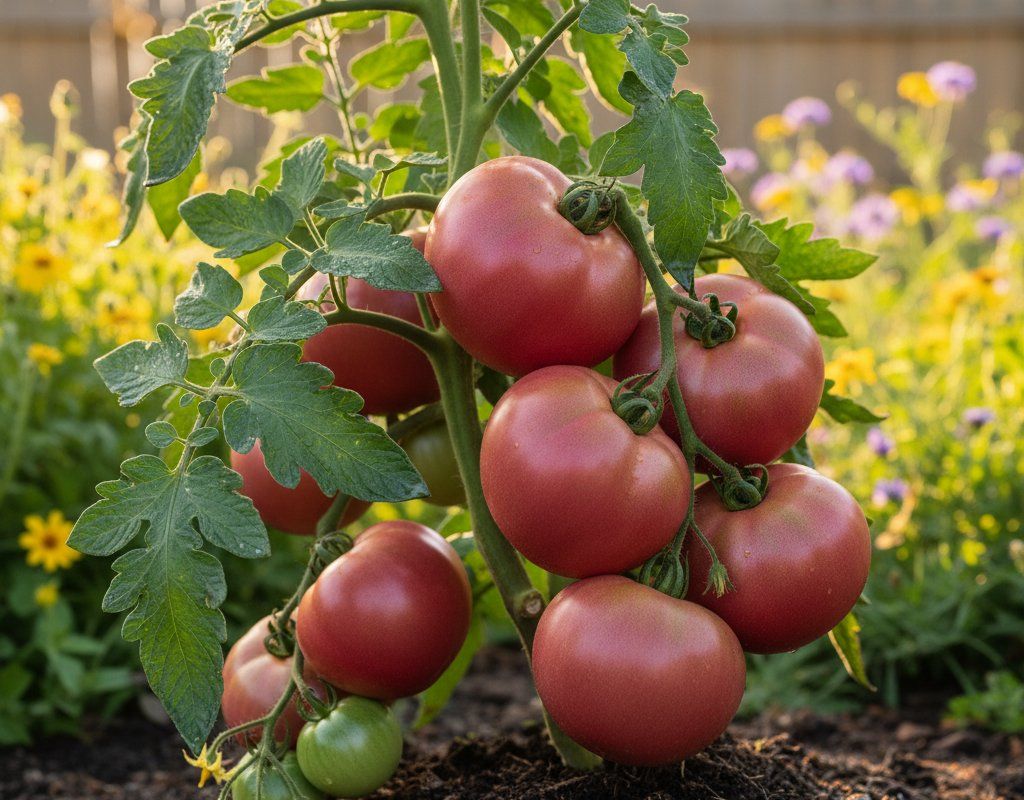
Brandywine Tomatoes in Zone 4B — Mountain West
Solanum lycopersicum · Your Complete 2026 Planting Guide
Planning Ahead — Great!
You’re ahead of the season. Here’s when to start.
Mark Your Calendar
How to Plant Brandywine Tomatoes in Zone 4B — Mountain West
Here are all your options for getting brandywine tomatoes in the ground, from the easiest method to more advanced approaches.
Start Seeds Indoors
RecommendedEarly April through early May
around April 17
Then transplant: Late May through early June
Start seeds 6-8 weeks before transplanting outdoors.
Buy Starts
Works WellLate May through early June
around May 29
Plant purchased starts after last frost (May 15).
Direct Sow Seeds
ChallengingDirect sowing is not typical for Brandywine Tomatoes.
Transplant Outdoors
Timing InfoLate May through early June
around May 29
Wait until nighttime temperatures stay above 50°F.
Plan to transplant within a few weeks of your target date.
Overview
Brandywine tomatoes are the crown jewel of heirloom varieties, and in our Mountain West climate, they develop an incredibly rich, sweet flavor that makes every homegrown bite worth the effort. The cool nights that characterize our high-altitude summers actually enhance their complex taste while the intense sun helps them ripen fully during our brief but productive growing season. These large, pink-red beauties can weigh over a pound each and offer that perfect balance of sweet and tangy that makes store-bought tomatoes taste like cardboard in comparison.
Growing Brandywines in Zone 4B does require some planning since they need 90 days to maturity and can't tolerate any frost, but our 128-day growing season gives you enough runway if you time things right. The key is starting seeds indoors well before our late spring arrives and being ready to protect them from our unpredictable weather swings. With proper timing and care, you'll be harvesting these spectacular tomatoes from late August through mid-September.
Starting Seeds Indoors
Start your Brandywine seeds indoors during early April through early May, about 6 weeks before you plan to transplant them outside. Since spring arrives late in the Mountain West, indoor starting isn't just recommended—it's essential for getting these heat-lovers to maturity before our first fall frost hits in mid-September.
Set up your seeds in seed trays filled with quality seed-starting mix, keeping them warm (70-80°F) and providing 12-14 hours of grow light daily. Bottom watering works best for tomato seedlings since it prevents damping-off disease and encourages strong root development. Place your seed trays on a heat mat if you have one, as consistent warmth helps germination in our cool spring nights.
Once your seedlings develop their first true leaves, transplant them into 4-inch pots and continue growing them under lights. Keep them consistently moist but not waterlogged, and begin fertilizing weekly with a diluted liquid fertilizer once they're established in their larger containers.
Transplanting Outdoors
Plan to transplant your Brandywine seedlings outdoors from late May through early June, after all danger of frost has passed and nighttime temperatures consistently stay above 50°F. In our Mountain climate, this timing usually coincides with when our soil has finally warmed up enough to support vigorous tomato growth.
Harden off your seedlings for a full week before transplanting by gradually exposing them to outdoor conditions. Start with just a few hours of morning sun, then gradually increase their time outside and sun exposure. This process is crucial in our high-altitude environment where the UV intensity can shock unprepared plants. Space your Brandywines 36-48 inches apart—these indeterminate varieties will grow large and need room for good air circulation.
Choose your planting spot carefully, ensuring it gets full sun (6-8 hours) and has well-draining soil. The intense Mountain sun will help these tomatoes develop their full flavor potential, but make sure they're protected from our occasional late-season hailstorms with row covers you can quickly deploy.
Watering Brandywine Tomatoes in Zone 4B (Mountain West)
Brandywines have high water needs and aren't drought tolerant, which means consistent irrigation is absolutely critical in our dry Mountain climate. With only 10-20 inches of annual rainfall, you'll be doing most of the watering work yourself. These heirloom varieties are particularly prone to cracking when they experience the dry-wet cycle, so maintaining steady moisture levels is your top priority.
Water deeply 2-3 times per week rather than light daily watering, providing about 1-1.5 inches total per week. Use the finger test—stick your finger 2 inches into the soil, and if it's dry at that depth, it's time to water. In our low-humidity environment, water evaporates quickly from both soil and plant surfaces, so you'll likely need to water more frequently than gardeners in humid climates.
Always water at the base of the plants rather than overhead, especially important in our dry air where wet foliage in the evening can lead to disease problems. Soaker hoses or drip irrigation work perfectly for this. Morning watering is ideal since it gives plants time to dry off during our typically sunny days.
Apply a 2-3 inch layer of organic mulch around your plants to help retain moisture and moderate soil temperature swings. In our intense sun and low humidity, unmulched soil can dry out within a day or two, making consistent watering nearly impossible without this protection.
Supporting Your Brandywine Tomatoes
Brandywines absolutely need strong support systems since they're vigorous indeterminate vines that can reach 6-8 feet tall and produce heavy fruit that can weigh over a pound each. Install sturdy 6-foot cages or strong stakes at planting time—trying to add support later risks damaging the root system and established vines.
Heavy-duty tomato cages work well, but make sure they're tall and wide enough to accommodate the plant's full growth. If using stakes, choose 8-foot stakes driven 2 feet into the ground, leaving 6 feet above soil level. Use soft ties like cloth strips or tomato ties to secure the main stem as it grows, adding new ties every 12-18 inches of growth.
Brandywines have potato-leaf foliage that's less dense than regular tomato leaves, which means the heavy fruit gets less natural support from surrounding branches. Train the main stems upward and support heavy fruit clusters with pantyhose strips or soft slings to prevent branch breakage, especially important when our afternoon thunderstorms roll through.
Pruning & Maintaining Brandywine Tomatoes
Prune Brandywines moderately by removing suckers (shoots growing between the main stem and branches) and lower leaves that touch the ground. These heirloom varieties are more susceptible to diseases than modern hybrids, so improving air circulation through selective pruning helps prevent problems in our sometimes humid summer evenings.
Remove suckers when they're small—2-3 inches long—by pinching them off with your fingers. Focus on the lower suckers first, and don't remove every sucker or you'll reduce your harvest. Leave 2-3 main stems per plant for good production while maintaining manageable size. Also remove the lowest set of leaves once fruit clusters begin forming to improve airflow and reduce soil splash.
As first frost approaches in mid-September, top your plants by pinching out the growing tip about 4 weeks before your expected frost date. This concentrates the plant's energy into ripening existing fruit rather than producing new flowers that won't have time to mature. Remove any obviously diseased or yellowing foliage throughout the season to keep plants healthy.
🧪Fertilizing Brandywine Tomatoes
Feeding Schedule
Organic Fertilizer Options
Harvest Time
Expect your first Brandywine harvest from late August through mid-September, roughly 90 days after transplanting. These beauties are ready when they develop their characteristic pink-red color with slight softness when gently squeezed. Don't worry if the shoulders around the stem stay green—that's normal for Brandywines and doesn't affect the flavor.
Pick tomatoes by gently twisting and pulling, or use clean pruners to cut the stem. Harvest in the morning when temperatures are cool and the fruit is fully hydrated. Brandywines will continue producing until frost, so check your plants every 2-3 days during peak season to catch fruit at perfect ripeness.
Since these tomatoes can crack easily when overripe, err on the side of harvesting them slightly early rather than too late. They'll continue ripening on your kitchen counter and actually develop better flavor than fruit left to get soft on the vine. The thick walls and meaty texture mean they store well for a week or more after picking.
When first frost threatens in mid-September, harvest all remaining fruit regardless of ripeness. Green Brandywines will ripen indoors if they've reached mature size, though they won't be quite as flavorful as vine-ripened fruit. Wrap individual green tomatoes in newspaper and store in a cool, dark place, checking weekly for ripeness.
Common Problems in Zone 4B (Mountain West)
Cracking
Splits appear in the tomato skin, either as concentric circles around the stem or radial lines extending from the stem end. The cracks can expose the flesh to rot and ruin otherwise perfect fruit. Brandywines are particularly susceptible to this problem because of their thin skin and large size.
Our Mountain climate's dry conditions followed by heavy thunderstorms create perfect cracking conditions—the fruit absorbs water faster than the skin can expand. Prevent this by maintaining consistent soil moisture through regular watering and mulching. Harvest fruit promptly when ripe rather than leaving it on the vine, and consider installing temporary covers during heavy rain periods.
Low Yields
Your Brandywine plants look healthy but produce fewer tomatoes than expected, sometimes only 5-10 fruit per plant compared to hybrid varieties that might give you 20-30. This is partly the nature of heirloom varieties, which were selected for flavor rather than production, but environmental factors can make it worse.
In our Mountain climate, cool nights during early summer can interfere with pollination, reducing fruit set. Plant at the right time to avoid the coldest nights, and consider using row covers during cool spells. Avoid over-fertilizing with nitrogen, which encourages leafy growth at the expense of fruit. Focus on phosphorus-rich fertilizers once flowering begins.
Disease Susceptibility
Brandywines lack the disease resistance genes found in modern hybrids, making them more prone to fungal and bacterial problems like early blight, septoria leaf spot, and bacterial wilt. You'll notice yellowing leaves, brown spots, or wilting despite adequate water.
Our low humidity usually helps prevent many fungal diseases, but late-summer moisture from afternoon thunderstorms can create problems. Improve air circulation by spacing plants properly and pruning lower leaves. Apply preventative organic fungicide sprays during humid periods, and remove affected foliage immediately. Always water at soil level rather than on leaves.
Catfacing
Deep crevices, scars, and deformities appear on the blossom end of tomatoes, making them look lumpy and misshapen. While the fruit is still edible, it's not attractive and may be more prone to splitting and rot.
This problem occurs when cool temperatures during flowering (below 55°F at night) cause incomplete pollination. Our Mountain climate's cool nights even in summer make this more likely, especially with early plantings. Wait until nighttime temperatures consistently stay above 55°F before transplanting, or use row covers to protect early plantings during cool spells.
Mountain West Specific Challenges
Our high-altitude environment brings unique challenges for Brandywines beyond the typical zone problems. The intense UV can stress plants and fade fruit color, while our alkaline soils may limit nutrient availability. Low humidity means faster moisture loss but also reduces disease pressure. The combination of hot days and cool nights is actually beneficial for flavor development, but those cool nights can slow growth and reduce fruit set if they're too cold. Plan for hail protection and be ready to cover plants during unexpected late or early cold snaps.
Best Companions for Brandywine Tomatoes
Plant these nearby for healthier Brandywine Tomatoes and better harvests.
View Full Companion Planting Chart →



Companion Planting Details
Plant basil alongside your Brandywines—it helps repel aphids and whiteflies while supposedly improving tomato flavor, plus you'll have fresh basil for all those tomato dishes. Carrots make excellent companions since their deep taproots don't compete with tomato roots and help break up our often-compacted Mountain soils. Parsley attracts beneficial insects that prey on tomato pests, and marigolds provide natural pest deterrence while adding color to your tomato beds.
Avoid planting brassicas like cabbage, broccoli, or kale near tomatoes since they can stunt each other's growth and compete for similar nutrients in our already-challenging alkaline soil. Keep fennel away from tomatoes as it can inhibit growth, and avoid planting corn nearby since both crops attract similar pests and corn's height can shade your sun-loving tomatoes in our already-short growing season.
🌸Best Flowers to Plant with Brandywine Tomatoes
These flowers protect your Brandywine Tomatoes from pests and attract pollinators for better harvests.
For Pest Control

Get a Reminder When It's Time to Plant
We'll email you when key planting windows open for your zone.