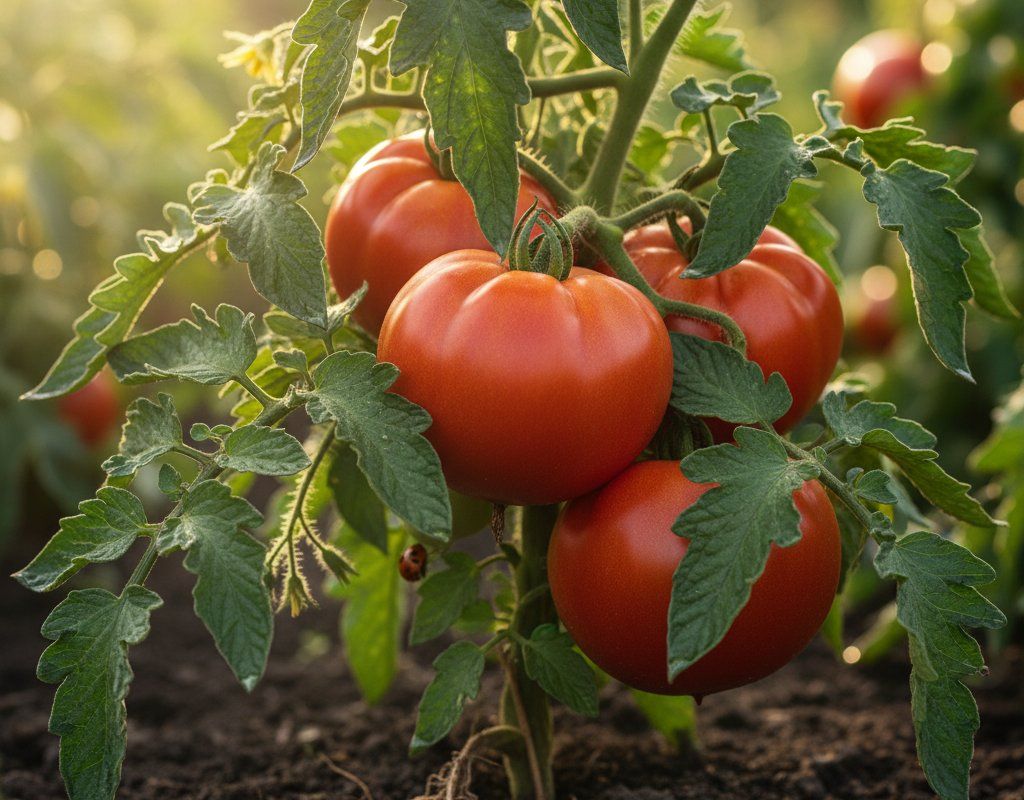
Beefsteak Tomatoes in Zone 4B — Mountain West
Solanum lycopersicum · Your Complete 2026 Planting Guide
Planning Ahead — Great!
You’re ahead of the season. Here’s when to start.
Mark Your Calendar
How to Plant Beefsteak Tomatoes in Zone 4B — Mountain West
Here are all your options for getting beefsteak tomatoes in the ground, from the easiest method to more advanced approaches.
Start Seeds Indoors
RecommendedEarly April through early May
around April 17
Then transplant: Late May through mid June
Start seeds 6-8 weeks before transplanting outdoors.
Buy Starts
Works WellLate May through mid June
around May 29
Plant purchased starts after last frost (May 15).
Direct Sow Seeds
ChallengingDirect sowing is not typical for Beefsteak Tomatoes.
Transplant Outdoors
Timing InfoLate May through mid June
around May 29
Wait until nighttime temperatures stay above 50°F.
Plan to transplant within a few weeks of your target date.
Overview
Growing Beefsteak tomatoes in Zone 4B brings the ultimate reward for Mountain gardeners — massive, juicy tomatoes that make store-bought varieties look pale and flavorless. These indeterminate giants can reach 1-2 pounds per fruit, perfect for slicing thick for sandwiches and burgers, and our intense high-altitude sun actually improves their flavor development. The cool nights that define our Mountain summers help concentrate sugars, creating that perfect balance of sweet and acidic that makes homegrown tomatoes so special.
Yes, our 128-day growing season and late spring present challenges for heat-loving tomatoes, but with proper timing and indoor starts, Beefsteak varieties can absolutely succeed here. The key is working with our Mountain climate rather than fighting it — starting seeds indoors during our unpredictable spring, then transplanting after our soils warm and night temperatures stabilize.
Starting Seeds Indoors
Start your Beefsteak tomato seeds indoors from early April through early May, about 6 weeks before you plan to transplant outdoors. This timing works perfectly with our late Mountain spring, giving seedlings time to develop strong root systems while outdoor conditions remain too cool and unpredictable for direct sowing.
Set up seed trays with quality seed-starting mix in a warm location — tomato seeds need soil temperatures around 70-75°F to germinate well. A heat mat helps tremendously in our cool spring homes. Once seedlings emerge, provide bright light from a grow light or sunny south window, keeping them 2-3 inches from fluorescent bulbs or 6 inches from LEDs.
Bottom watering works best to prevent damping-off disease and keeps seedlings from getting leggy. Place seed trays in shallow pans and add water to the bottom pan, letting the soil wick up moisture from below. This method also prevents disturbing tiny seeds and keeps foliage dry.
Transplanting Outdoors
Transplant your Beefsteak seedlings outdoors from late May through mid-June, when soil temperatures reach at least 60°F and nighttime temperatures consistently stay above 50°F. Our Mountain springs can surprise you with late cold snaps, so err on the side of caution rather than rushing plants outside too early.
Harden off seedlings gradually over one week by placing them outside for increasing periods daily, starting with 2-3 hours in filtered sun and building up to full days outdoors. This process is especially important in our intense high-altitude sun, which can shock tender indoor-grown leaves.
Space Beefsteak plants 36-48 inches apart — these indeterminate varieties will spread wide and tall, and good air circulation helps prevent disease problems. Plant them deeply, burying 2/3 of the stem to encourage strong root development. The intense UV at our altitude can stress newly transplanted seedlings, so consider providing afternoon shade for the first week using row covers or shade cloth.
Watering Beefsteak Tomatoes in Zone 4B (Mountain West)
Beefsteak tomatoes demand consistent, deep watering throughout our Mountain growing season, and this becomes absolutely critical once fruit begins to develop. These large-fruited varieties need about 1-2 inches of water weekly, but our dry climate with only 10-20 inches of annual rainfall means you'll be supplementing with irrigation all season long.
Water deeply at the base of plants rather than overhead — our low humidity means foliar diseases are less of a concern than in humid climates, but you'll conserve precious water and get better root development with ground-level watering. Check soil moisture using the finger test: stick your finger 2 inches deep near the plant base, and water when it feels dry at that depth.
The combination of our intense sun and low humidity means soil dries out faster than in other Zone 4B regions, so daily watering may be necessary during peak summer, especially once large fruits begin sizing up. Inconsistent watering leads to cracking, blossom end rot, and catfacing — all common problems that worsen when plants cycle between drought and flood conditions.
Mulch heavily around plants with 3-4 inches of straw or shredded leaves to conserve moisture and moderate soil temperature swings. Our hot days and cool nights create more stress on plants than in regions with steadier temperatures, making consistent soil moisture even more important for success.
Supporting Your Beefsteak Tomatoes
Install sturdy support systems at planting time — Beefsteak tomatoes are indeterminate varieties that grow 6-8 feet tall and produce heavy fruit that can snap branches without proper support. Use extra-heavy tomato cages (at least 6 feet tall) or drive 8-foot stakes deep into the ground, leaving 6 feet above soil level.
For staking, use soft ties like strips of fabric or tomato clips to secure the main stem every 12 inches as it grows. Avoid wire or string that can cut into stems as they thicken. The weight of mature Beefsteak tomatoes — often 1-2 pounds each — puts tremendous stress on branches, so check and retie supports regularly throughout the season.
Consider using a combination approach: stake the main stem and use additional bamboo stakes or clips to support individual heavy fruit trusses. Our afternoon thunderstorms can bring strong winds and hail, making solid support systems essential for protecting your investment in these slow-maturing plants.
Pruning & Maintaining Beefsteak Tomatoes
Remove suckers (shoots growing between the main stem and branches) weekly throughout the growing season to focus the plant's energy on developing fewer but larger fruits. For Beefsteak varieties, this is especially important since you want maximum size rather than quantity. Pinch out suckers when they're 2-4 inches long — they remove easily by hand at this size.
Strip off lower leaves gradually as plants grow, removing any foliage that touches the ground or looks yellowed and declining. This improves air circulation and prevents soil-borne diseases from splashing onto leaves. In our intense Mountain sun, plants can handle more aggressive pruning than in cloudy climates.
As our short season progresses and first frost approaches in mid-September, top the plants (remove growing tips) about 4-6 weeks beforehand to redirect energy into ripening existing fruit rather than growing more foliage. Remove any new flower clusters that appear after mid-August since they won't have time to mature anyway.
🧪Fertilizing Beefsteak Tomatoes
Feeding Schedule
Organic Fertilizer Options
Harvest Time
Your first Beefsteak tomatoes will be ready from late August through mid-September, about 85 days from transplant. The timing works perfectly with our Mountain growing season, giving you 3-4 weeks of prime harvest before first frost typically arrives in mid-September.
Look for deep, rich color and slight softness when you cup the fruit gently in your hand — ripe Beefsteaks should yield slightly to pressure but not feel mushy. The shoulders (area around the stem) should lose their green tinge completely. Don't wait for them to get soft on the vine, as they'll continue ripening after harvest and overripe tomatoes are more prone to cracking.
Harvest regularly every 2-3 days once fruits start ripening, as this encourages continued production from the plant. Twist and pull ripe fruits gently, or use clean pruners to cut the stem. Handle these large fruits carefully — their size makes them more susceptible to bruising and damage than smaller varieties.
As first frost approaches, harvest all remaining fruits regardless of ripeness. Green Beefsteak tomatoes ripen beautifully indoors when placed in a warm location out of direct sun. You can also pull entire plants and hang them upside down in a garage or basement, allowing fruits to continue ripening for several more weeks. This extends your harvest well into October despite our short outdoor growing season.
Common Problems in Zone 4B (Mountain West)
Cracking appears as splits in the tomato skin, either in circles around the stem end or as radial lines running from stem to bottom. The flesh becomes exposed, making fruit prone to rot and insect damage. This problem worsens during our Mountain weather patterns of hot, dry days followed by heavy afternoon thunderstorms or inconsistent watering schedules. Prevent cracking by maintaining consistent soil moisture through heavy mulching and regular watering. Our intense sun and low humidity make the dry-wet cycle more extreme, so daily moisture checks become essential once fruits begin sizing up.
Catfacing shows up as deep scars, crevices, and lumpy deformities on the blossom end of tomatoes, making them look puckered and misshapen. Cool nighttime temperatures during flowering — common in our Mountain climate even in summer — cause incomplete pollination and cellular damage during fruit development. Large-fruited varieties like Beefsteak are especially susceptible. While the fruit remains edible, prevent catfacing by avoiding early transplanting when nights still drop below 55°F regularly, and consider row covers during cool spells in early summer.
Blossom end rot appears as dark, sunken, leathery patches on the bottom of developing fruits, often affecting your first tomatoes of the season. This isn't a disease but a calcium deficiency caused by inconsistent watering — the plant can't take up calcium from soil during drought stress. Our dry Mountain climate with irregular moisture makes this particularly common. The most effective fix is consistent watering and heavy mulching to maintain even soil moisture. Don't over-fertilize with nitrogen, which can worsen the problem by promoting excessive leaf growth at the expense of root development.
Slow ripening frustrates Mountain gardeners when large green tomatoes refuse to turn red despite reaching full size. Cool temperatures below 60°F halt the ripening process, and our cool Mountain nights — even during summer — slow color development significantly. Beefsteak varieties are naturally slower to ripen than smaller tomatoes. Remove excess foliage that shades developing fruit, and consider red plastic mulch to reflect additional heat and light onto plants. Late in the season, harvest mature green fruits to ripen indoors rather than waiting for vine ripening that may never come.
Mountain West gardeners face additional challenges with Beefsteak tomatoes due to our intense UV, which can sunscald exposed fruits, and our potential for hail damage to large, vulnerable fruits. Our alkaline soils can also interfere with nutrient uptake, making consistent watering and soil amendments even more critical for success with these demanding plants.
Best Companions for Beefsteak Tomatoes
Plant these nearby for healthier Beefsteak Tomatoes and better harvests.
View Full Companion Planting Chart →



Companion Planting Details
Plant basil alongside your Beefsteak tomatoes — the herb reportedly improves tomato flavor while repelling aphids and hornworms with its strong scent. Carrots make excellent companions since their deep taproots don't compete with tomato roots and help break up our often-compacted Mountain soils. Parsley attracts beneficial insects that prey on tomato pests, and marigolds planted around the tomato bed help deter nematodes and other soil pests while adding bright color to your garden.
Avoid planting brassicas (cabbage, broccoli, cauliflower) near tomatoes as they can stunt tomato growth and both crops have different watering and fertilizing needs that don't mesh well. Skip fennel entirely — it releases chemicals that inhibit tomato growth. Corn also makes a poor companion since both are heavy feeders that compete for nutrients, and corn can harbor similar pest problems like hornworms in our Mountain gardens.
🌸Best Flowers to Plant with Beefsteak Tomatoes
These flowers protect your Beefsteak Tomatoes from pests and attract pollinators for better harvests.


Get a Reminder When It's Time to Plant
We'll email you when key planting windows open for your zone.