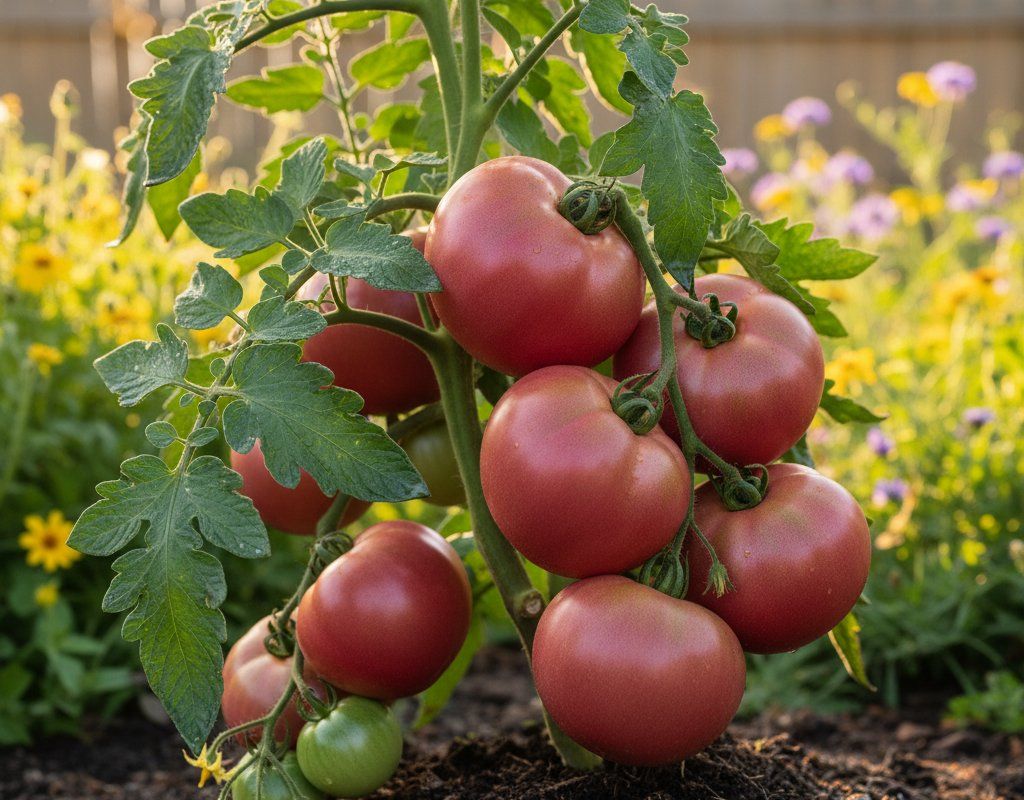
Brandywine Tomatoes in Zone 7A — Midwest
Solanum lycopersicum · Your Complete 2026 Planting Guide
Planning Ahead — Great!
You’re ahead of the season. Here’s when to start.
Mark Your Calendar
How to Plant Brandywine Tomatoes in Zone 7A — Midwest
Here are all your options for getting brandywine tomatoes in the ground, from the easiest method to more advanced approaches.
Start Seeds Indoors
RecommendedEarly to late March
around March 13
Then transplant: Late April through mid May
Start seeds 6-8 weeks before transplanting outdoors.
Buy Starts
Works WellLate April through mid May
around April 24
Plant purchased starts after last frost (April 10).
Direct Sow Seeds
ChallengingDirect sowing is not typical for Brandywine Tomatoes.
Transplant Outdoors
Timing InfoLate April through mid May
around April 24
Wait until nighttime temperatures stay above 50°F.
Plan to transplant within a few weeks of your target date.
Overview
Brandywine tomatoes bring the kind of rich, complex flavor that makes all the effort worthwhile in our Midwest gardens. These legendary pink heirloom slicers deliver that perfect balance of sweet and tangy that you simply can't buy in stores, plus they thrive in our fertile soil and benefit from our reliable summer heat. With their distinctive potato-leaf foliage and massive 1-2 pound fruits, Brandywines turn your Zone 7A garden into a conversation starter that neighbors will remember.
Yes, our variable spring weather and occasional summer heat spells require some planning, but Brandywine's 90-day maturity works perfectly with our 193-day growing season. Start them indoors while March winds are still blowing, and you'll be slicing into vine-ripened perfection by late July. The key is respecting our timeline and giving these beauties the consistent care they crave.
Starting Seeds Indoors
Start your Brandywine seeds indoors during early to late March, about 6 weeks before your last expected frost. This timing gives you flexibility to work around our unpredictable spring weather while ensuring strong transplants ready for late April through mid-May planting. Set up seed trays in a warm spot (70-75°F) with good light – a sunny south window or grow lights work well.
Plant seeds ¼ inch deep in quality seed starting mix, keeping soil consistently moist but not soggy. Bottom watering works best since it prevents damping-off disease that can plague tomato seedlings in our moderate spring humidity. Place trays on a heating mat if your house runs cool, as consistent warmth speeds germination significantly.
Once seedlings emerge and develop their first true leaves, provide 12-14 hours of light daily. Our moderate-to-late spring start means you'll likely need supplemental lighting even with a sunny window. Transplant seedlings to 4-inch pots when they have 2-3 sets of true leaves, usually 3-4 weeks after germination.
Transplanting Outdoors
Wait until late April through mid-May to transplant outdoors, when soil temperatures consistently reach 60°F and nighttime lows stay above 50°F. Don't rush this step – our variable spring can still surprise you with a late cold snap that will set back these tender plants significantly. Watch for that reliable warm stretch that signals winter's truly done with us.
Harden off your seedlings gradually over a full week, starting with 2-3 hours of filtered sunlight and gradually increasing exposure. Our spring winds can be harsh on tender plants, so choose a protected spot initially. Space Brandywines 36-48 inches apart – these indeterminate giants need room to breathe and will easily fill a 6-foot cage by season's end.
Plant on a calm, cloudy day if possible, setting transplants slightly deeper than they grew in pots to encourage strong root development. Install support cages or stakes at planting time, since you won't want to disturb those spreading roots later when plants are loaded with fruit.
Watering Brandywine Tomatoes in Zone 7A (Midwest)
Brandywines demand consistent moisture throughout the growing season, needing about 1-1.5 inches of water weekly including rainfall. Our wet-summer climate with 30-40 inches annually helps, but don't rely on nature alone – these large-fruited heirlooms are particularly prone to cracking when moisture levels fluctuate. Check soil moisture with the finger test, pushing 2 inches deep near the root zone.
During our moderate-to-hot summers with typical highs around 86°F, you'll likely need to supplement rainfall with deep, thorough watering 2-3 times per week. Water at the base rather than overhead to minimize disease issues in our moderate-to-humid conditions. Soaker hoses or drip irrigation work perfectly for maintaining that steady moisture Brandywines crave.
Watch for signs of stress during summer heat spells – wilting during afternoon heat is normal, but if plants don't perk up by evening, increase watering frequency. Underwatered plants show persistent wilting and may drop blossoms, while overwatered plants develop yellow lower leaves and poor fruit set.
Apply 3-4 inches of organic mulch around plants once soil warms up, keeping mulch 2 inches away from stems. This helps maintain even moisture levels and reduces your watering workload during those busy summer weeks when everything in the garden needs attention.
Supporting Your Brandywine Tomatoes
Install heavy-duty tomato cages or stake systems at planting time – Brandywines are vigorous indeterminate vines that can easily reach 6-8 feet tall and wide by season's end. Standard flimsy cages won't cut it with these large-fruited beauties; invest in 6-foot tall, wide cages or use sturdy 8-foot stakes with strong ties. The potato-leaf foliage provides less natural support than regular leaf varieties, making strong external support even more critical.
Tie plants loosely to supports using soft materials like fabric strips or plant ties, checking and adjusting weekly as they grow. Brandywines produce heavy fruit clusters that can snap branches without proper support, especially during our summer thunderstorms. Position ties just below fruit clusters for extra support when tomatoes start sizing up.
Train main stems upward and let productive side branches develop – these aren't compact determinate plants that stay put. Guide wandering branches back toward your support system regularly, as these vigorous growers will sprawl across your garden beds if left to their own devices.
Pruning & Maintaining Brandywine Tomatoes
Remove suckers (shoots growing between main stem and branches) regularly throughout the season, but don't overdo it with Brandywines. These heirloom varieties need more foliage than hybrids to support their large fruit production, so focus on removing only the vigorous suckers below the first flower cluster and any that crowd the plant's center.
Strip off lower leaves that touch the ground or show early disease signs, especially important in our moderate-to-humid summers where fungal issues can develop quickly. Remove about the bottom 12 inches of foliage once plants are established and flowering well. This improves air circulation without compromising the plant's ability to feed those massive fruits.
As our first frost approaches in mid-October, top plants by removing growing tips about 4 weeks beforehand. This redirects energy into ripening existing fruit rather than producing new growth that won't have time to mature. Continue harvesting green tomatoes for indoor ripening when frost threatens.
🧪Fertilizing Brandywine Tomatoes
Feeding Schedule
Organic Fertilizer Options
Harvest Time
Your first ripe Brandywines will be ready in late July through early September, about 90 days from transplant. These beauties ripen from the inside out, so look for fruits that give slightly to gentle pressure and show pink-red coloring across most of the surface. Don't worry if shoulders stay greenish – that's perfectly normal for this variety and doesn't affect flavor.
Harvest by gently twisting and lifting, or use clean pruning shears to cut the stem. Pick fruits when they show full color but still feel firm, as they'll continue softening off the vine. During peak season in August, you'll be picking 2-3 times weekly to keep up with production and prevent overripe fruits from attracting pests.
Brandywines continue producing until frost, giving you a long harvest window in our 193-day growing season. Keep picking regularly to encourage continued flowering and fruit set. The consistent moisture and heat of our Midwest summers suit this variety perfectly for sustained production.
When first frost threatens in mid-October, harvest all fruits larger than golf-ball size. Green and pink tomatoes will ripen indoors at room temperature over several weeks, extending your harvest well into fall. Store them in a single layer, checking daily and using ripe ones promptly.
Common Problems in Zone 7A (Midwest)
Cracking appears as splits in the tomato skin, either in concentric circles around the stem or as radial lines extending from the stem end. These splits expose the flesh to rot and insects, ruining otherwise perfect fruit. Our wet-summer climate with irregular rainfall patterns makes cracking especially common when heavy rains follow dry spells. Maintain consistent soil moisture through regular watering and mulching, and consider picking fruits at the first blush of color to finish ripening indoors during rainy periods.
Low yields show up as healthy-looking plants producing far fewer fruits than expected despite good growing conditions. Brandywines are naturally lower-yielding than hybrid varieties, but inadequate pollination during our variable spring weather or excessive nitrogen fertilizing can worsen the problem. Ensure adequate bee activity during flowering, avoid high-nitrogen fertilizers once flowering begins, and give plants proper spacing for good air circulation. Our fertile Midwest soil can actually work against you if it's too rich in nitrogen.
Disease susceptibility appears as various leaf spots, wilting, and fruit problems throughout the season. Heirloom varieties like Brandywine lack the disease resistance bred into modern hybrids, making them vulnerable to our region's moderate-to-humid summer conditions. Space plants widely for air circulation, avoid overhead watering, and apply preventative copper fungicide during humid periods. Remove affected foliage promptly and rotate tomato family crops to different garden areas each year.
Catfacing creates deep grooves, scars, and deformities on the blossom end, making fruits look severely misshapen and lumpy. Cool nighttime temperatures during flowering (common during our variable spring) cause incomplete pollination in large-fruited varieties like Brandywine. Wait for consistently warm nights before transplanting, use row covers if needed during cool snaps, and don't worry about appearance – catfaced fruits taste just as good when sliced up.
Our moderate-to-humid summers with wet-summer rainfall create ideal conditions for fungal diseases that particularly affect Brandywines. The combination of fertility in our clay soil and summer heat spells can also stress plants, making consistent watering and good drainage essential for success.
Best Companions for Brandywine Tomatoes
Plant these nearby for healthier Brandywine Tomatoes and better harvests.
View Full Companion Planting Chart →



Companion Planting Details
Plant basil near your Brandywines – it repels aphids and hornworms while thriving in similar conditions, plus you'll have the perfect pairing for fresh caprese. Carrots work well underneath tomato cages, making use of space while their deep roots break up our clay soil and don't compete for nutrients. Marigolds planted around the garden perimeter help deter nematodes and other soil pests common in our rich Midwest growing conditions.
Avoid planting brassicas (cabbage, broccoli, cauliflower) near tomatoes, as they compete for similar nutrients and can stunt growth in our fertile but sometimes nitrogen-heavy soil. Keep fennel away from all vegetables – it releases compounds that inhibit tomato growth. Corn should be planted elsewhere since both crops attract similar pests and corn can shade your tomatoes during our peak growing season when every bit of sunlight counts.
🌸Best Flowers to Plant with Brandywine Tomatoes
These flowers protect your Brandywine Tomatoes from pests and attract pollinators for better harvests.
For Pest Control

Get a Reminder When It's Time to Plant
We'll email you when key planting windows open for your zone.