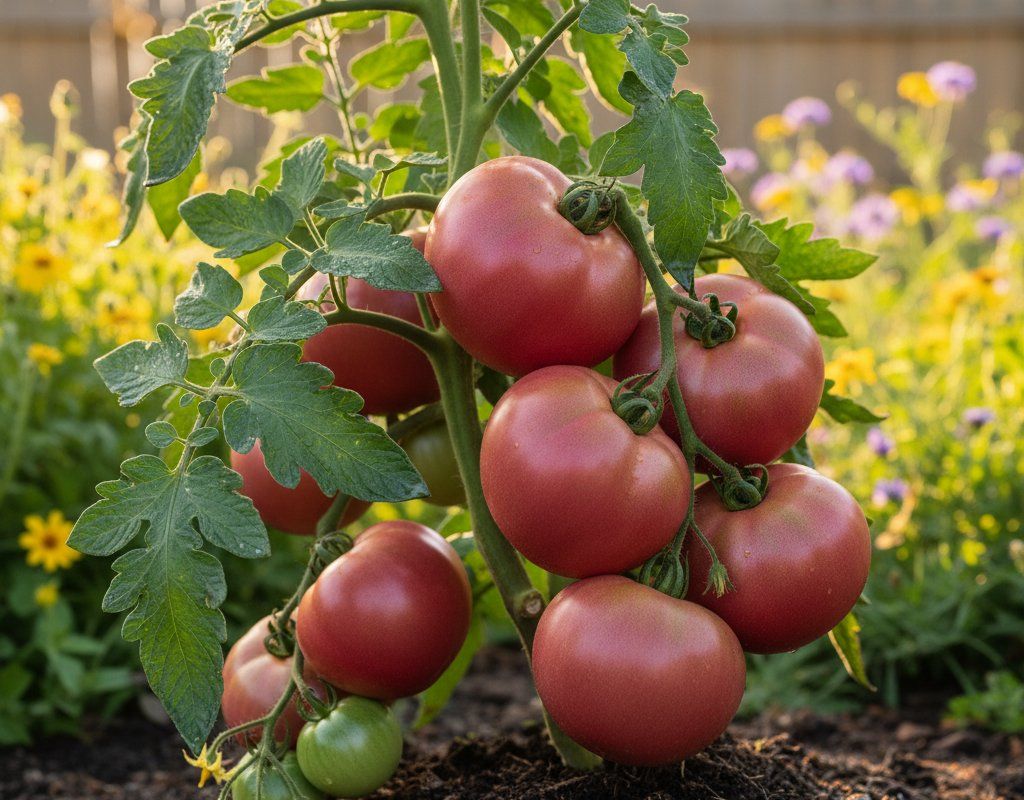
Brandywine Tomatoes in Zone 7A — Northern California
Solanum lycopersicum · Your Complete 2026 Planting Guide
Last Call for Seed Starting!
Indoor seed starting window closes in 2 days.
Start Seeds This Week
Start seeds now for transplanting later.
Or Wait for Starts
If you don’t want to start seeds, starts will be available around April 3.
How to Plant Brandywine Tomatoes in Zone 7A — Northern California
Here are all your options for getting brandywine tomatoes in the ground, from the easiest method to more advanced approaches.
Start Seeds Indoors
RecommendedMid February through early March
around February 20
Then transplant: Early to late April
Start seeds 6-8 weeks before transplanting outdoors.
Buy Starts
Works WellEarly to late April
around April 3
Plant purchased starts after last frost (March 20).
Direct Sow Seeds
ChallengingDirect sowing is not typical for Brandywine Tomatoes.
Transplant Outdoors
Timing InfoEarly to late April
around April 3
Wait until nighttime temperatures stay above 50°F.
Plan to transplant within a few weeks of your target date.
Overview
Brandywine tomatoes deliver that perfect balance of sweet and tangy that makes store-bought tomatoes taste like cardboard in comparison. In our Northern California climate, these massive pink heirlooms thrive during our warm, dry summers, producing fruit that can easily weigh over a pound each. The Mediterranean-style growing conditions here — with plenty of sunshine and minimal summer rainfall — create ideal conditions for developing the complex, rich flavors that make Brandywine a favorite among serious tomato growers.
Yes, Brandywine requires more attention than your typical hybrid, and our fire season and occasional water restrictions can add complexity to growing any high-water crop. But with our generous 235-day growing season and predictable weather patterns, you have plenty of time to nurture these plants to full production. Starting at the right time and staying consistent with care makes all the difference.
Starting Seeds Indoors
Start your Brandywine seeds indoors from mid-February through early March, giving yourself about 6 weeks before transplant time. In our region's early spring pattern, this timing ensures your seedlings are ready to go out when soil temperatures stabilize in April. Use seed starting trays filled with quality potting mix, and keep them warm — around 70-75°F works perfectly.
Place your trays under grow lights or in a sunny south-facing window, keeping the soil consistently moist but not waterlogged. Bottom watering works especially well for tomato seeds since it prevents damping-off disease while maintaining steady moisture. You should see germination within 7-10 days in our typically mild late winter conditions.
Once your seedlings develop their first true leaves, transplant them into individual 4-inch pots. This gives their root systems room to develop properly before heading outdoors, which is especially important for vigorous growers like Brandywine.
Transplanting Outdoors
Plan to transplant your Brandywine seedlings outdoors from early to late April, once nighttime temperatures consistently stay above 50°F. In Northern California, this window gives you flexibility to work around our occasional late-season temperature swings while ensuring the soil has warmed sufficiently. Our spring weather can shift quickly, so watch the forecast and be prepared to protect young plants if needed.
Harden off your seedlings gradually over a full week before transplanting — start with 2-3 hours outside in filtered light, gradually increasing exposure to full sun and outdoor conditions. This process is crucial in our region where the difference between indoor and outdoor conditions can be dramatic, especially regarding UV intensity and wind exposure.
Space your transplants 36-48 inches apart to ensure good air circulation, which becomes critical during our dry summer months when disease pressure can build. Plant them deeply, burying about two-thirds of the stem to encourage strong root development — you'll need that robust root system to support the large fruit and handle our summer heat.
Watering Brandywine Tomatoes in Zone 7A (Northern California)
Brandywine tomatoes need consistent, deep watering throughout our dry summer months, requiring about 1-2 inches per week once established. In Northern California's Mediterranean climate, this means you'll be doing most of the watering work since our summer rainfall is essentially zero. The key is maintaining steady soil moisture without creating waterlogged conditions — these plants are prone to fruit cracking when watering becomes inconsistent.
Check soil moisture using the finger test: stick your finger 2 inches deep near the base of the plant. If it's dry at that depth, it's time to water. During our typical summer heat with highs around 88°F and low humidity, you'll likely need to water every 2-3 days, possibly daily during heat waves. Water at the base of the plant rather than overhead — our low humidity means foliar watering isn't necessary and can actually promote disease issues.
Apply water slowly and deeply, allowing it to soak into the root zone rather than running off. A soaker hose or drip irrigation works perfectly for this, and it's also more water-efficient if you're dealing with local restrictions. Watch for signs of stress: wilting during the heat of the day (even with moist soil) is normal, but wilting in the morning or evening signals water problems.
Mulch around your plants with 2-3 inches of organic material like straw or shredded leaves to help maintain soil moisture and reduce watering frequency. This is especially valuable during our fire season when every bit of water conservation helps, and it keeps soil temperatures more stable during our warm days and cool nights.
Supporting Your Brandywine Tomatoes
Install sturdy tomato cages or stake systems at planting time — Brandywine's indeterminate growth habit and massive fruit size demand strong support from day one. Heavy-duty cages at least 6 feet tall work well, but many Northern California gardeners prefer the stake-and-tie method using 8-foot stakes driven 2 feet into the ground. The large fruit clusters can easily snap branches without proper support.
As your plants grow, tie the main stems to stakes using soft materials like fabric strips or tomato ties, adding new ties every 12-18 inches of growth. Check and adjust ties regularly since these plants put on substantial growth during our long, warm growing season. The indeterminate nature means they'll keep growing and producing until our first frost in early November.
Brandywine's potato-leaf foliage is distinctive but provides less natural shade than regular tomato leaves. This means fruit exposure can be higher, making consistent support even more important to prevent sun-damaged fruit from touching the ground where it can rot or attract pests.
Pruning & Maintaining Brandywine Tomatoes
Prune Brandywine tomatoes moderately throughout the growing season, focusing on removing suckers (shoots growing between main stems and branches) when they're small and tender. While you don't need to remove every sucker, keeping the plant reasonably manageable improves air circulation — important for preventing disease issues that heirloom varieties like Brandywine are more susceptible to than modern hybrids.
Remove lower branches that touch the ground or show signs of disease, and trim any foliage below the first fruit cluster once plants are established. During our dry summer months, good air circulation becomes critical for plant health, so don't let the canopy become too dense. Prune in the morning so cuts can dry quickly in our low-humidity conditions.
As fall approaches and first frost threatens in early November, you have a choice: either top the plants to concentrate energy into ripening existing fruit, or protect them for continued production. Many Northern California gardeners top their indeterminate tomatoes in early October to ensure the largest fruit have time to ripen before cool weather arrives.
🧪Fertilizing Brandywine Tomatoes
Feeding Schedule
Organic Fertilizer Options
Harvest Time
Your first Brandywine tomatoes will be ready from early July through mid-August, about 90 days from transplanting in our Northern California growing conditions. These large fruits ripen to a deep pink-red color with distinctive shoulders that often stay green — that's completely normal for this variety, not a sign of underripeness. Look for slight softness when you cup the fruit in your hand, and a sweet aroma at the stem end.
Harvest individual fruits as they ripen rather than waiting for entire clusters, since the large size means uneven ripening is common. Twist and pull gently, or use clean pruning shears to avoid damaging the vine. Morning harvest often gives the best flavor since the cool nights allow sugars to concentrate in the fruit.
Continue harvesting regularly through our extended growing season — Brandywine will keep producing until frost hits in early November. The consistent warm days and cool nights of our fall weather often produce some of the best-flavored fruit of the entire season, with sugars concentrating as day-night temperature swings increase.
When first frost threatens, harvest all fruits regardless of ripeness. Green and pink Brandywine tomatoes will continue ripening indoors if kept at room temperature in a paper bag or cardboard box. Check them daily and remove any that show soft spots to prevent spoilage from spreading to healthy fruit.
Common Problems in Zone 7A (Northern California)
Cracking Fruit splits appear as either concentric circles around the stem or radial lines extending from the stem end, often exposing the flesh to rot and insects. In Northern California's dry summer climate, cracking typically happens when you water heavily after letting plants get too dry, or when our occasional late-summer rains arrive after a long dry spell. Brandywine is particularly prone to this issue due to its thin skin and large fruit size. Maintain consistent soil moisture with regular watering and mulching, avoid letting plants dry out completely, and harvest fruits promptly when they start showing color.
Low Yields Despite healthy-looking plants, fruit production disappoints with only a few large tomatoes per plant. This is partly the nature of large-fruited heirloom varieties, but in our region it's often worsened by excessive nitrogen from rich soils or over-fertilizing. Too much nitrogen creates lush foliage at the expense of fruit, especially problematic in our long growing season where plants can get vegetatively excessive. Use balanced fertilizers, avoid high-nitrogen inputs after early growth, and ensure adequate spacing for good light penetration. Some seasons, our cool spring nights can also delay fruit set.
Disease Susceptibility Heirloom varieties like Brandywine lack the disease resistance bred into modern hybrids, making them more vulnerable to fungal and bacterial issues throughout our growing season. Early blight, late blight, and bacterial diseases can take hold, especially when our marine layer brings higher humidity to coastal areas. Improve air circulation through proper spacing and moderate pruning, apply preventative organic fungicides if needed, and remove affected foliage immediately. Drip irrigation rather than overhead watering helps reduce foliar disease pressure.
Catfacing Fruit develops deep crevices, scars, and deformities around the blossom end, creating lumpy, unmarketable-looking tomatoes that are still perfectly edible. This happens when cool nighttime temperatures during flowering (below 55°F) interfere with proper pollination — more common with early plantings in our region when nights can still be chilly. Large-fruited varieties like Brandywine are especially susceptible. Wait for consistently warm nights before transplanting, or use row covers for protection during cool spells.
Northern California Specific Challenges: Our dry summers and fire season can stress plants if watering isn't consistent, while our variable microclimates mean coastal areas may experience more disease pressure from marine layer moisture. Water restrictions during drought years require careful planning with drip irrigation and mulching to maintain the consistent moisture Brandywine demands.
Best Companions for Brandywine Tomatoes
Plant these nearby for healthier Brandywine Tomatoes and better harvests.
View Full Companion Planting Chart →



Companion Planting Details
Plant basil near your Brandywine tomatoes — it naturally repels many tomato pests and the aromatic oils may improve fruit flavor when grown together. Carrots make excellent companions since their deep taproots don't compete with tomato roots, and they help break up clay soils common in parts of Northern California. Parsley attracts beneficial insects that help with pest control, while marigolds planted around the tomato bed deter nematodes and many flying pests.
Avoid planting brassicas like cabbage, broccoli, or kale near tomatoes since they can stunt tomato growth and compete for nutrients. Keep fennel away from your tomato patch — it releases chemicals that inhibit tomato growth and can reduce yields significantly. Corn should be planted elsewhere since both crops are heavy feeders that will compete for nutrients, and corn can harbor pests that also attack tomatoes.
🌸Best Flowers to Plant with Brandywine Tomatoes
These flowers protect your Brandywine Tomatoes from pests and attract pollinators for better harvests.
For Pest Control

Get a Reminder When It's Time to Plant
We'll email you when key planting windows open for your zone.