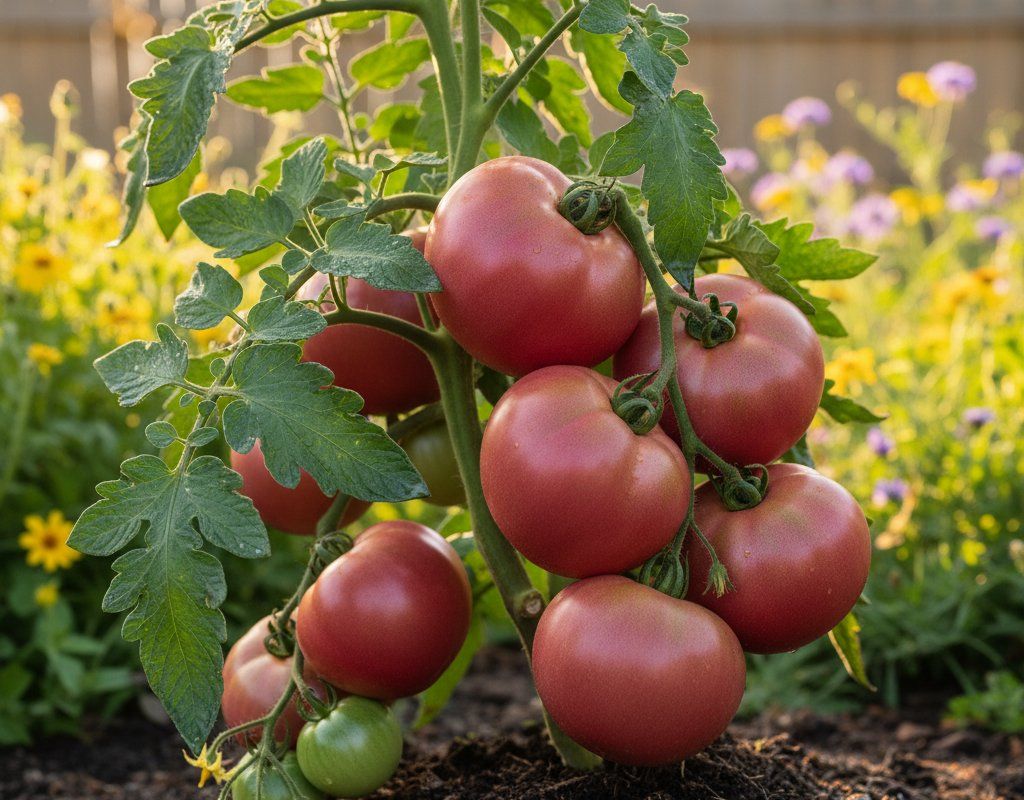
Brandywine Tomatoes in Zone 7B — Southeast
Solanum lycopersicum · Your Complete 2026 Planting Guide
Last Call for Seed Starting!
Indoor seed starting window closes in 2 days.
Start Seeds This Week
Start seeds now for transplanting later.
Or Wait for Starts
If you don’t want to start seeds, starts will be available around April 3.
How to Plant Brandywine Tomatoes in Zone 7B — Southeast
Here are all your options for getting brandywine tomatoes in the ground, from the easiest method to more advanced approaches.
Start Seeds Indoors
RecommendedMid February through early March
around February 20
Then transplant: Early to late April
Start seeds 6-8 weeks before transplanting outdoors.
Buy Starts
Works WellEarly to late April
around April 3
Plant purchased starts after last frost (March 20).
Direct Sow Seeds
ChallengingDirect sowing is not typical for Brandywine Tomatoes.
Transplant Outdoors
Timing InfoEarly to late April
around April 3
Wait until nighttime temperatures stay above 50°F.
Plan to transplant within a few weeks of your target date.
Overview
Brandywine tomatoes are the crown jewel of heirloom varieties, and our long Southeast growing season gives you the perfect opportunity to experience their legendary flavor. With 235 days between frosts, you have plenty of time for these 90-day beauties to develop their complex, wine-like taste that makes store-bought tomatoes seem like cardboard. The reliable summer rain and warm nights create ideal conditions for these indeterminate vines to produce their massive, pink-red fruits well into our extended fall season.
While Brandywines are more finicky than modern hybrids and our hot, humid summers can bring disease pressure, proper timing makes all the difference. Starting seeds indoors during our moderate spring weather and transplanting after the soil warms gives these tender plants the best shot at thriving through our summer heat and producing abundantly until that first frost in early November.
Starting Seeds Indoors
Start your Brandywine seeds indoors from mid-February through early March, about 6 weeks before you plan to transplant. Our moderate spring weather makes this timing perfect – you'll avoid the rush of starting too many crops at once while giving the plants enough time to develop strong root systems before facing outdoor conditions.
Set up seed trays with quality potting mix and place them in a warm spot (70-75°F works well). A heat mat helps ensure consistent germination. Once seedlings emerge, they'll need bright light – a south-facing window works if it gets 6-8 hours of direct sun, but grow lights give more reliable results. Bottom watering prevents damping off, which can be more problematic in our humid climate.
Keep seedlings consistently moist but not waterlogged, and start fertilizing with diluted liquid fertilizer once they develop their first true leaves. These young plants will be ready for hardening off by early April, just as our spring weather stabilizes.
Transplanting Outdoors
Transplant your Brandywine seedlings outdoors from early to late April, after soil temperatures reach 60°F and nighttime lows stay consistently above 50°F. This timing usually coincides with our last frost, but watch the forecast – late cold snaps can still surprise us in the Southeast.
Spend a full week hardening off your seedlings by gradually exposing them to outdoor conditions. Start with an hour in morning shade, then increase time and sun exposure daily. This process is especially important for tender tomatoes that will face our intense summer heat and afternoon thunderstorms.
Space plants 36-48 inches apart to ensure good air circulation – crucial for preventing fungal diseases in our humid climate. Plant them deeper than they were in their containers, burying 2/3 of the stem to encourage strong root development. The extra root mass will help them better handle our summer heat and heavy rains.
Watering Brandywine Tomatoes in Zone 7B (Southeast)
Brandywines need consistent, deep watering throughout the season, and our hot, humid summers require a careful balance. These heirloom tomatoes are particularly prone to cracking when watering fluctuates, so maintaining steady soil moisture is critical. Use the finger test – stick your finger 2 inches into the soil near the base of the plant. If it's dry at that depth, it's time to water.
During our typical summer weather, plan on providing 1-2 inches of water per week, including rainfall. Our afternoon thunderstorms often provide substantial moisture, but they can be inconsistent. When temperatures hit the typical 92°F highs, plants may need daily watering, especially if planted in clay soil that either holds too much water or becomes brick-hard when dry.
Always water at the base of the plant rather than overhead – our humid conditions make wet foliage an invitation for fungal diseases. A soaker hose or drip irrigation works perfectly. Signs of underwatering include wilting during the heat of the day and blossom end rot, while overwatering shows up as yellowing lower leaves and poor fruit development.
Apply 2-3 inches of organic mulch around plants to maintain consistent soil moisture and reduce the need for frequent watering. In our clay soil, mulch also prevents the surface from crusting over during heavy rains, helping water penetrate rather than running off.
Supporting Your Brandywine Tomatoes
Brandywine tomatoes are vigorous indeterminate vines that produce large, heavy fruits, making strong support absolutely essential. Install sturdy cages or stakes at planting time – trying to add support later risks damaging the root system. Choose cages at least 6 feet tall and made from heavy wire, or use 8-foot wooden stakes with soft ties.
These plants can easily reach 6-8 feet in our long growing season, and their potato-leaf foliage doesn't provide as much natural shade as regular tomato leaves, meaning the main stems bear more sun exposure. Secure the main stem to your support every 12-18 inches as it grows, using soft cloth strips or tomato clips rather than wire that can cut into the stem.
Train the plant by gently wrapping the main stem around stakes or threading it through cage openings. Check your supports regularly during our summer thunderstorms – heavy rains and wind can topple inadequately supported plants loaded with fruit.
Pruning & Maintaining Brandywine Tomatoes
Prune Brandywine tomatoes moderately to improve air circulation without sacrificing too much fruit production. Remove suckers (shoots growing between the main stem and branches) when they're small and tender, focusing on those below the first flower cluster. Leave some upper suckers to become productive branches – Brandywines are naturally lower-yielding than hybrids, so you want to maintain adequate fruiting stems.
Throughout the season, remove lower leaves that touch the ground or show signs of disease. Our humid conditions make this especially important for preventing fungal problems from spreading upward. Yellow or spotted leaves should come off immediately, and always prune in dry weather when possible to reduce disease spread.
As first frost approaches in early November, top the plants by pinching out the growing tips in early October. This redirects energy into ripening existing fruit rather than producing new flowers that won't have time to mature.
🧪Fertilizing Brandywine Tomatoes
Feeding Schedule
Organic Fertilizer Options
Harvest Time
Your first Brandywine tomatoes will be ready from early July through mid-August, about 90 days from transplanting. These beauties ripen to a pink-red color with distinctive ribbed shoulders that may stay slightly green – that's perfectly normal for this variety. The fruit should yield slightly to gentle pressure when ripe, similar to a ripe peach.
Harvest by cutting the stem with clean scissors or pruners rather than pulling, which can damage the vine and reduce continued production. Pick fruits as they reach peak ripeness for the best flavor, though Brandywines can ripen off the vine if picked when they show the first blush of color.
Continue harvesting regularly throughout our long summer season – these indeterminate vines will keep producing until frost. During peak season in late July and August, check plants daily since ripe fruit can crack quickly in our afternoon thunderstorms or split from rapid water uptake after dry spells.
As early November approaches and first frost threatens, harvest all fruits that show any color. Green tomatoes can ripen indoors in a paper bag with a ripe apple, while fully mature green fruits often ripen on their own when stored in a cool, dark place. This extends your harvest well past the first frost date.
Common Problems in Zone 7B (Southeast)
Cracking appears as splits in the tomato skin, either in concentric circles around the stem or radiating lines from the stem end. The exposed flesh becomes vulnerable to rot and makes the fruit unappealing. Our wet-summer climate with afternoon thunderstorms followed by hot sun creates perfect conditions for cracking, especially when dry periods are followed by heavy rain. Brandywines are particularly susceptible compared to hybrid varieties. Maintain consistent soil moisture through regular watering and mulching, harvest promptly when ripe, and consider row covers during heavy rain periods if cracking becomes severe.
Low yields show up as healthy-looking plants that produce far fewer tomatoes than expected. Heirloom varieties like Brandywine naturally produce less than modern hybrids, but poor yields can worsen due to our climate conditions. High humidity can interfere with pollination, while our clay soil may lack proper drainage or nutrients. Ensure good air circulation through proper spacing and pruning, side-dress with compost mid-season, and hand-pollinate if humidity seems to be preventing natural pollination – gently shake flower clusters in the morning.
Disease susceptibility manifests as various fungal and bacterial problems throughout the season – leaf spots, wilting, stem cankers, or fruit rot. Our hot, humid summers create ideal conditions for plant diseases, and Brandywines lack the resistance genes bred into modern hybrids. Improve air circulation with wider spacing (36-48 inches minimum), remove lower leaves touching the ground, water at soil level rather than overhead, and apply preventive copper fungicide sprays during wet periods. Rotate tomato family crops to different areas each year.
Catfacing creates deeply grooved, scarred, and misshapen fruits with lumpy, deformed blossom ends. Cool nighttime temperatures during flowering cause incomplete pollination, resulting in these characteristic malformations. Large-fruited varieties like Brandywine are especially prone to this problem. Plant after soil and air temperatures are consistently warm, use row covers during unexpected cool spells, and accept that some catfaced fruits are inevitable – they're perfectly edible despite their appearance.
Southeast Specific Challenges: Our combination of intense summer heat, high humidity, and heavy rainfall creates a perfect storm for tomato problems. The humidity encourages fungal diseases while our clay soil can lead to root problems from poor drainage during heavy rains, then stress plants during dry spells when the clay hardens.
Best Companions for Brandywine Tomatoes
Plant these nearby for healthier Brandywine Tomatoes and better harvests.
View Full Companion Planting Chart →



Companion Planting Details
Plant basil alongside your Brandywines – it helps repel aphids and thrips while potentially improving tomato flavor, plus you'll have fresh herbs for your harvest. Carrots make excellent companions since their deep taproots break up clay soil without competing for nutrients, while parsley attracts beneficial insects that help with pest control. Marigolds planted around the perimeter can deter nematodes, which can be problematic in our warm Southeast soils.
Avoid planting brassicas like cabbage or broccoli near tomatoes – they're heavy nitrogen feeders that will compete for nutrients, and both crops are susceptible to similar fungal diseases that thrive in our humid conditions. Keep fennel and corn away from tomatoes as well, since fennel can stunt tomato growth and corn attracts pests like corn earworms that also damage tomatoes.
🌸Best Flowers to Plant with Brandywine Tomatoes
These flowers protect your Brandywine Tomatoes from pests and attract pollinators for better harvests.
For Pest Control

Get a Reminder When It's Time to Plant
We'll email you when key planting windows open for your zone.