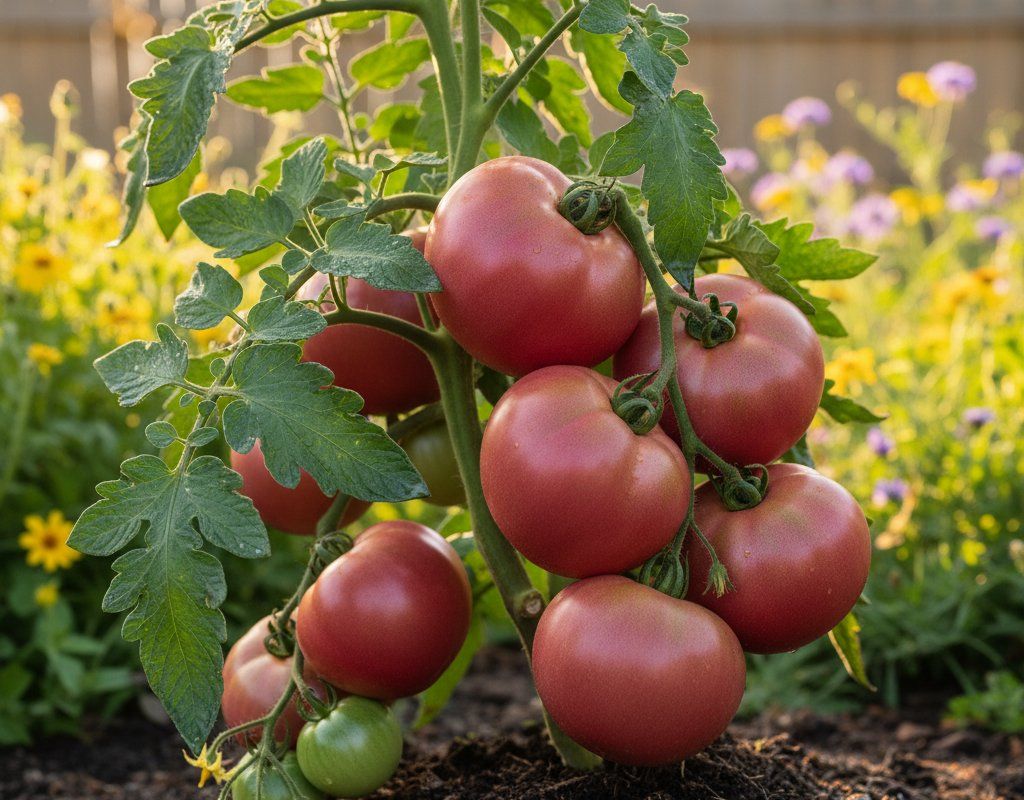
Brandywine Tomatoes in Zone 9B — Gulf Coast
Solanum lycopersicum · Your Complete 2026 Planting Guide
Time to Buy Starts!
Seed starting window passed, but starts are available now.
Buy Starts Now
Head to your local nursery, Home Depot, or farmers market for transplants.
- Look for stocky plants with dark green leaves
- Avoid leggy seedlings or plants already flowering
- Check that roots aren't circling the pot (rootbound)
How to Plant Brandywine Tomatoes in Zone 9B — Gulf Coast
Here are all your options for getting brandywine tomatoes in the ground, from the easiest method to more advanced approaches.
Start Seeds Indoors
RecommendedLate December through mid January
around January 2
Then transplant: Mid February through early March
Start seeds 6-8 weeks before transplanting outdoors.
Buy Starts
Works WellMid February through early March
around February 13
Plant purchased starts after last frost (January 30).
Direct Sow Seeds
ChallengingDirect sowing is not typical for Brandywine Tomatoes.
Transplant Outdoors
Timing InfoMid February through early March
around February 13
Wait until nighttime temperatures stay above 50°F.
Plan to transplant within a few weeks of your target date.
Overview
Brandywine tomatoes deliver the rich, complex flavor that makes you wonder why you ever bought grocery store tomatoes. These large, pink-red heirlooms produce fruit that can weigh over a pound, with that perfect balance of sweetness and acidity that defines what a tomato should taste like. Here in the Gulf Coast, our long growing season gives Brandywines the extended warm weather they need to develop their full flavor potential.
While our high humidity and disease pressure can challenge heirloom varieties like Brandywine, proper timing works in your favor. With 319 frost-free growing days, you can start early and harvest through fall, giving yourself the best chance for success with these temperamental but rewarding tomatoes.
Starting Seeds Indoors
Start your Brandywine seeds indoors from late December through mid-January, about 6 weeks before you plan to transplant. Use seed-starting mix in shallow trays or cell packs, planting seeds about ¼ inch deep. Keep them consistently warm at 70-75°F – a heating mat helps in our cooler winter months.
Bottom watering works best to prevent fungal issues that our humidity can encourage. Place trays in shallow dishes and add water to the dish rather than watering from above. Once seedlings emerge, they'll need bright light – either a sunny south window or grow lights positioned 2-3 inches above the plants.
Since we get such an early spring start here in the Gulf Coast, your timing gives you flexibility. Starting in this window means your plants will be ready to transplant when our last frost risk passes in late January to mid-February.
Transplanting Outdoors
Transplant your Brandywine seedlings outdoors from mid-February through early March, after our last frost risk has passed. Before planting, harden them off gradually over a week by placing them outside for increasing periods daily, bringing them in at night. This process helps them adjust to outdoor conditions and wind.
Space plants 36-48 inches apart – Brandywines are vigorous indeterminate growers that need room for air circulation, especially important in our humid climate. Choose your sunniest spot with good drainage, as these large plants will be growing through our wet spring season.
Watch for those surprise temperature swings we sometimes get in late February and early March. Have row covers ready if an unexpected cold front threatens, though these brief cool spells rarely last long enough to damage established transplants.
Watering Brandywine Tomatoes in Zone 9B (Gulf Coast)
Consistent moisture is absolutely critical for Brandywines, which are more prone to cracking than hybrid varieties. In our Gulf Coast climate, this means adapting your watering to our wet-dry cycles throughout the year. During spring, our afternoon storms often provide adequate moisture, but summer heat and humidity create different challenges.
Water deeply at the base of plants rather than overhead – our high humidity already creates perfect conditions for fungal diseases, and wet foliage makes things worse. Use the finger test by checking soil moisture 2 inches deep. During our hot summers with 93°F highs, you'll likely need to water every other day, providing about 1-2 inches per week total.
Our year-round rainfall averages 50-65 inches, but it comes irregularly. Heavy afternoon storms followed by dry spells can trigger fruit cracking, so mulch heavily to maintain even soil moisture. Watch for signs of stress: wilting during the hottest part of the day is normal, but persistent wilting or yellowing leaves suggests watering issues.
The key in our climate is avoiding the wet-dry extremes that cause cracking. During particularly rainy periods, ensure good drainage to prevent root rot, while dry spells require more frequent deep watering to keep these thirsty plants happy.
Supporting Your Brandywine Tomatoes
Install strong support systems at planting time – Brandywines are vigorous indeterminate vines that can reach 6-8 feet tall and produce heavy fruit clusters. Heavy-duty tomato cages or sturdy stakes with ties work best, as these plants will test any flimsy support system by midsummer.
For staking, use 6-foot stakes driven 18 inches deep, tying the main stem loosely every 12-18 inches as it grows. Cages should be at least 5 feet tall and made from heavy-gauge wire. The potato-leaf foliage of Brandywines provides less natural shade than regular tomato varieties, so the fruit is more exposed and needs strong support.
Train the main stems upward and tie gently with soft materials like cloth strips or plant ties. Check and adjust ties regularly as the stems thicken – what fits in spring can strangle the plant by summer.
Pruning & Maintaining Brandywine Tomatoes
Remove suckers (shoots growing between the main stem and branches) regularly, but don't go overboard with Brandywines. These heirloom plants benefit from moderate pruning that improves air circulation without removing too much productive growth. Our high humidity makes air circulation especially important for disease prevention.
Remove lower leaves that touch the ground and any yellowing or diseased foliage promptly. As plants mature, trim the lowest branches to keep fruit off the soil and improve airflow around the base. This is particularly important during our wet summer months when fungal diseases thrive.
Around late November, start removing new flower clusters and excess foliage to help existing fruit ripen before our first frost in mid-December. This "topping" concentrates the plant's energy into finishing the fruit already set rather than trying to develop new tomatoes that won't have time to mature.
🧪Fertilizing Brandywine Tomatoes
Feeding Schedule
Organic Fertilizer Options
Harvest Time
Expect your first Brandywine harvest from mid-May through late June, about 90 days from transplanting. These large tomatoes ripen from the inside out, so harvest when they show pink-red color with slight give when gently squeezed. The shoulders (top area around the stem) often stay green – that's normal for this variety.
Pick regularly to encourage continued production throughout our long growing season. Brandywines will keep producing until frost, giving you harvests well into fall. Twist and pull gently, or use clean pruners to avoid damaging the vine when removing these heavy fruits.
As first frost approaches in mid-December, harvest all remaining tomatoes regardless of ripeness. Green Brandywines ripen well indoors when stored in a warm spot out of direct sunlight. Wrap larger green tomatoes individually in newspaper and check weekly.
The beauty of growing Brandywines in our climate is the extended harvest season – you can enjoy fresh tomatoes from late spring through early winter with proper succession planting and frost protection.
Common Problems in Zone 9B (Gulf Coast)
Cracking Deep splits appear in the tomato skin, either in concentric circles around the stem or radiating lines from top to bottom. These cracks expose the flesh and invite rot, especially problematic in our humid climate where bacterial issues develop quickly.
Our irregular rainfall patterns – heavy afternoon storms followed by dry periods – create perfect conditions for cracking. When dry soil suddenly gets saturated, the fruit absorbs water faster than the skin can expand. Maintain consistent soil moisture through mulching and regular watering, and harvest promptly when tomatoes reach the pink stage to avoid leaving ripe fruit vulnerable to weather swings.
Low Yields Plants look healthy but produce far fewer tomatoes than expected, despite vigorous growth. This can be especially frustrating with Brandywines since they're already lower-yielding than hybrid varieties.
In our Gulf Coast humidity, poor air circulation can reduce pollination, while our wet springs can leach nitrogen from soil, causing imbalanced nutrition. Ensure proper 36-48 inch spacing, avoid excessive nitrogen fertilizer that promotes leafy growth over fruit, and consider hand-pollinating during very humid periods when natural pollination struggles. Some years simply produce better yields than others with heirloom varieties.
Disease Susceptibility Yellowing leaves, dark spots, wilting, and overall decline throughout the growing season. Brandywines lack the disease resistance of modern hybrids, making them vulnerable to our region's fungal and bacterial diseases.
Our year-round humidity and warm temperatures create ideal conditions for early blight, septoria leaf spot, and bacterial diseases. Improve air circulation through proper spacing and pruning, apply preventative organic fungicides during humid periods, and remove affected foliage immediately. Rotate planting areas each year and avoid overhead watering to reduce disease pressure.
Catfacing Tomatoes develop deep crevices, scars, and lumpy deformities around the blossom end, making them look misshapen and unsightly though still edible. This affects the largest fruits most severely.
Cool nights during flowering (below 55°F) cause incomplete pollination, more common with early plantings when late winter cold snaps occur. Wait until night temperatures consistently stay above 60°F before transplanting, or use row covers during cool spells. The fruit may be ugly, but it's perfectly safe to eat and often has excellent flavor.
Gulf Coast Specific Challenges Our combination of extreme humidity, heavy rainfall, and warm temperatures creates a perfect storm for tomato diseases. Brandywines, being heirlooms without modern disease resistance, require extra vigilance here. Focus on air circulation, preventative care, and be prepared to replace plants mid-season if disease pressure becomes overwhelming. Hurricane season can also damage these tall, heavy plants, so have a plan for protecting or quickly harvesting if storms threaten.
Best Companions for Brandywine Tomatoes
Plant these nearby for healthier Brandywine Tomatoes and better harvests.
View Full Companion Planting Chart →



Companion Planting Details
Plant basil alongside your Brandywines – it naturally repels aphids and whiteflies while thriving in our same hot, humid conditions. Carrots make excellent companions since their deep taproots don't compete with tomato roots, and parsley provides ground cover that helps retain soil moisture during our dry spells. Marigolds planted around the bed edges deter nematodes, a common Gulf Coast soil pest that attacks tomato roots.
Avoid planting brassicas like cabbage or broccoli near your Brandywines, as they're heavy nitrogen feeders that compete for nutrients and prefer cooler conditions. Skip fennel entirely – it releases compounds that inhibit tomato growth. Corn creates too much shade and attracts similar pests, while both crops benefit from the same nutrients, creating unnecessary competition during our intense growing season.
🌸Best Flowers to Plant with Brandywine Tomatoes
These flowers protect your Brandywine Tomatoes from pests and attract pollinators for better harvests.
For Pest Control

Get a Reminder When It's Time to Plant
We'll email you when key planting windows open for your zone.