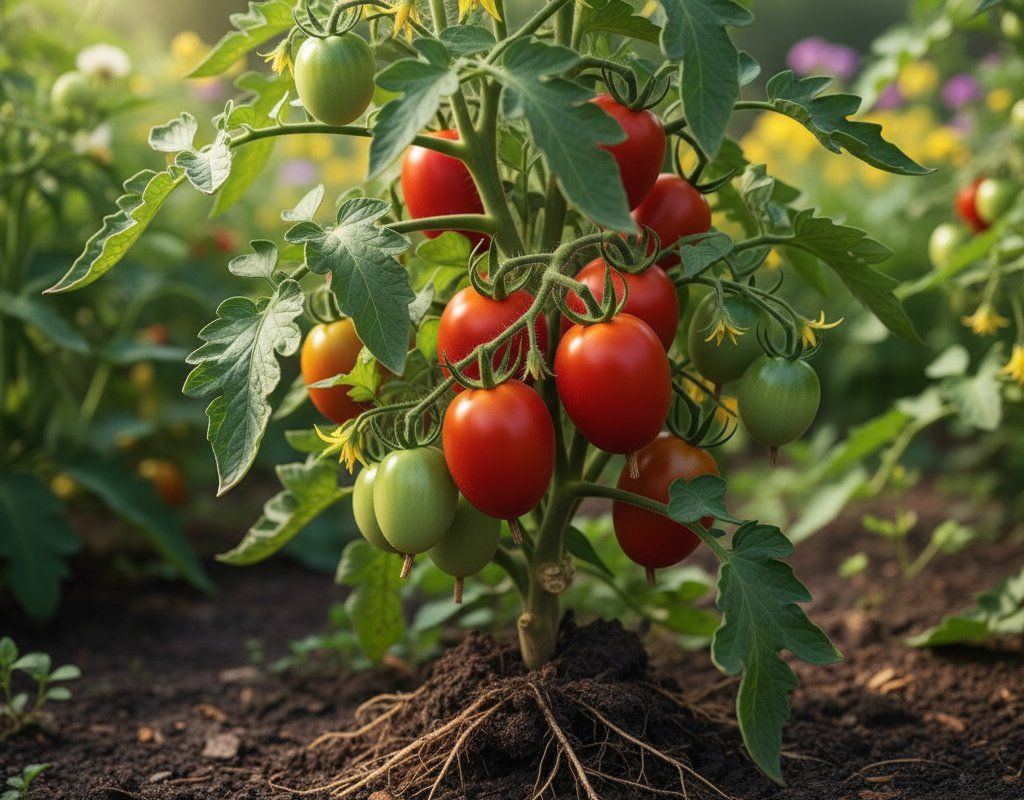
Roma Tomatoes in Zone 9B — Gulf Coast
Solanum lycopersicum · Your Complete 2026 Planting Guide
Time to Buy Starts!
Seed starting window passed, but starts are available now.
Buy Starts Now
Head to your local nursery, Home Depot, or farmers market for transplants.
- Look for stocky plants with dark green leaves
- Avoid leggy seedlings or plants already flowering
- Check that roots aren't circling the pot (rootbound)
How to Plant Roma Tomatoes in Zone 9B — Gulf Coast
Here are all your options for getting roma tomatoes in the ground, from the easiest method to more advanced approaches.
Start Seeds Indoors
RecommendedLate December through mid January
around January 2
Then transplant: Mid February through mid March
Start seeds 6-8 weeks before transplanting outdoors.
Buy Starts
Works WellMid February through mid March
around February 13
Plant purchased starts after last frost (January 30).
Direct Sow Seeds
ChallengingDirect sowing is not typical for Roma Tomatoes.
Transplant Outdoors
Timing InfoMid February through mid March
around February 13
Wait until nighttime temperatures stay above 50°F.
You have a nice window — no need to rush.
Overview
Roma tomatoes are the backbone of Gulf Coast kitchens, delivering that perfect meaty texture for sauces, pastes, and preserving that makes the most of our abundant harvest season. These determinate paste tomatoes ripen all at once, giving you plenty for canning before the summer heat becomes unbearable, and their concentrated flavor beats anything you'll find at the grocery store year-round.
Our Gulf Coast climate brings both challenges and advantages for Roma tomatoes. Yes, the high humidity and disease pressure require some attention, but our incredibly long 319-day growing season means you can start early and harvest before the most brutal summer weather hits. With proper timing and consistent watering, you'll have bushels of perfect paste tomatoes for your kitchen.
Starting Seeds Indoors
Starting Roma seeds indoors is essential here in the Gulf Coast, where our early springs give us a head start but temperature swings can still catch outdoor plantings off guard. Start your seeds in late December through mid-January, about six weeks before you plan to transplant outdoors. This timing lets you take advantage of our mild winters while ensuring strong transplants ready for our early spring planting window.
Set up seed trays in a warm spot (70-75°F works perfectly) with good grow lights or a sunny south window. Plant seeds about ¼ inch deep in quality seed starting mix. Bottom watering is key – place your seed trays in a shallow pan and add water to the pan rather than pouring from above. This prevents disturbing the seeds and reduces fungal problems that our humid conditions can encourage.
Your seeds should germinate within 7-10 days in our warm indoor conditions. Once they develop their first true leaves (not just the initial seedling leaves), you can begin weekly feeding with diluted liquid fertilizer to build strong transplants ready for our February planting window.
Transplanting Outdoors
Transplant your Roma seedlings outdoors from mid-February through mid-March, once nighttime temperatures consistently stay above 50°F and the risk of hard frost has passed. This timing works perfectly with our Gulf Coast climate pattern of early, mild springs that let us get a jump on the growing season.
Hardening off is crucial – spend a full week gradually exposing your seedlings to outdoor conditions. Start with 2-3 hours of morning sun, then gradually increase exposure time and intensity. Our Gulf Coast sun can be surprisingly strong even in late winter, and sudden exposure will shock indoor-grown plants.
Space your transplants 24-36 inches apart to ensure good air circulation – this spacing becomes even more important here where high humidity creates perfect conditions for fungal diseases. Plant them slightly deeper than they were in their containers, burying part of the stem to encourage strong root development. If late cold snaps threaten (which can happen even into early March), have row covers or old sheets ready to protect your new transplants.
Watering Roma Tomatoes in Zone 9B (Gulf Coast)
Watering Roma tomatoes correctly in our Gulf Coast climate requires balancing our abundant rainfall with the plants' need for consistent moisture. Even though we typically receive 50-65 inches of rain annually, it doesn't always come when your tomatoes need it most. Consistent watering is absolutely critical for paste tomatoes like Romas, as their elongated fruit shape makes them especially prone to blossom end rot when moisture fluctuates.
During our wet spring months (February through May), monitor soil moisture carefully using the finger test – stick your finger 2 inches into the soil near the base of the plant. If it's dry at that depth, it's time to water deeply. In general, tomatoes need about 1-2 inches of water per week, but adjust based on our frequent afternoon storms and heavy rainfall periods.
Water at the base, never overhead – our very high humidity means wet leaves stay wet longer, creating perfect conditions for fungal diseases like early blight. Use soaker hoses or drip irrigation when possible, or simply water slowly at soil level with a hose or watering can. Morning watering is best, giving plants time to dry before our humid evenings.
As summer heat builds and rainfall becomes more sporadic, you may need to supplement 2-3 times per week with deep watering sessions. Signs of underwatering include wilting during the hottest part of day and blossom end rot on developing fruit. Overwatering shows up as yellowing lower leaves and increased disease problems. Mulch heavily with 3-4 inches of organic material to help maintain even soil moisture and reduce the need for frequent watering.
Supporting Your Roma Tomatoes
Roma tomatoes are determinate varieties, meaning they grow to a set height (usually 3-4 feet) and produce most of their fruit at once. This makes them easier to support than indeterminate varieties, and shorter cages work perfectly fine. Install support systems at planting time to avoid disturbing roots later – trust me, trying to wrestle a cage around an established tomato plant never goes well.
Sturdy tomato cages or simple stake-and-tie systems both work well for Romas. If using cages, choose ones at least 4 feet tall and made from heavy-gauge wire – the fruit load on a healthy Roma plant can be surprisingly heavy. For staking, use 6-foot wooden or metal stakes driven 18 inches into the ground, then tie the main stem loosely with soft cloth strips or tomato ties every 12 inches as the plant grows.
Since Romas produce their fruit over a relatively short period, the plant puts significant energy into fruit development rather than continued vertical growth. This concentrated fruit production means good support becomes even more important to prevent branches from breaking under the weight of multiple heavy tomatoes ripening simultaneously.
🧪Fertilizing Roma Tomatoes
Feeding Schedule
Organic Fertilizer Options
Harvest Time
Your first Roma tomatoes will be ready from late April through mid-June, about 75 days from transplanting. In our Gulf Coast climate, this timing is perfect – you'll get your main harvest before the most intense summer heat and humidity hit. Romas are ready when they develop deep red color throughout the entire fruit and feel firm but give slightly to gentle pressure, similar to a ripe peach.
Unlike slicing tomatoes, Romas should be harvested when fully ripe on the vine for best flavor and texture. The fruit should detach easily from the stem with a gentle twist – if you have to pull hard, give it another few days. Since these are determinate plants, most of your fruit will ripen within a 2-3 week window, giving you plenty for sauce-making and preserving projects.
Harvest in the morning when possible, after dew has dried but before the heat of the day. Handle carefully as ripe Romas can be surprisingly delicate despite their firm appearance. If you're overwhelmed by the harvest (a good problem to have!), slightly underripe fruits will continue ripening on the counter for several days.
As our first frost approaches in mid-December, harvest any remaining green fruits. Romas will ripen indoors if stored in a warm spot, though the flavor won't quite match vine-ripened fruit. Wrap individual green tomatoes in newspaper and store in a cool, dark place – they'll ripen gradually over several weeks, extending your harvest well into winter.
Common Problems in Zone 9B (Gulf Coast)
You'll recognize this as a sunken, dark brown or black leathery patch on the bottom (blossom end) of your Roma fruits. It typically affects the first fruits of the season and can be especially frustrating since the top half of the tomato looks perfectly fine. This isn't a disease but rather a calcium deficiency caused by inconsistent watering – something our Gulf Coast weather pattern of heavy rains followed by dry spells can easily trigger. The single most effective fix is consistent watering. Mulch heavily to maintain even soil moisture, avoid over-fertilizing with nitrogen (which interferes with calcium uptake), and remove affected fruits so the plant can focus energy on healthy ones.
Look for brown spots with distinctive concentric rings (like a target or bullseye) starting on the lower leaves and spreading upward. Leaves will yellow and drop, weakening the plant significantly. This fungal disease thrives in our warm, humid Gulf Coast conditions and spreads when soil splashes onto lower leaves during heavy rain or overhead watering. Remove and destroy affected leaves immediately – don't compost them. Mulch around plants to prevent soil splash, water only at the base of plants, and improve air circulation through proper spacing. Copper-based fungicides can slow the spread but won't cure infected leaves.
This soil-borne fungal disease shows up as wilting on one side of the plant first, then spreading across the entire plant. You'll see yellowing leaves starting on one side, and if you cut the stem open, brown streaks are visible inside. Our warm Gulf Coast soil temperatures favor this fungus, which can persist in soil for years once established. There's no cure once a plant is infected – remove and destroy the entire plant immediately. Prevent future problems by planting resistant varieties (look for 'F' on seed packets), rotating crops on a 4-year cycle, and maintaining soil pH above 6.5.
Gulf Coast Specific Challenges: Our hot, humid climate with year-round moisture creates ideal conditions for fungal diseases that plague tomatoes. The combination of afternoon storms, high humidity, and warm nights means disease pressure stays high throughout the growing season. Focus on spacing plants well for air circulation, watering at soil level rather than overhead, and staying vigilant about removing diseased plant material quickly.
Best Companions for Roma Tomatoes
Plant these nearby for healthier Roma Tomatoes and better harvests.
View Full Companion Planting Chart →



Companion Planting Details
Basil makes an excellent companion for Roma tomatoes, not just in the kitchen but in the garden too – it helps repel aphids and other pests while thriving in similar growing conditions. Plant carrots nearby to maximize garden space since their shallow roots won't compete with tomato roots, and they'll be ready to harvest before your tomatoes need the full space. Marigolds planted around the edges of your tomato bed help deter nematodes and other soil pests that can be problematic in our Gulf Coast gardens, plus their bright flowers attract beneficial insects that help with pest control.
Avoid planting brassicas like cabbage or broccoli near your Romas – they're heavy nitrogen feeders that will compete directly with your tomatoes, and they prefer cooler conditions that don't align well with tomato growing season. Skip corn as a companion since it attracts corn earworms that readily move to tomatoes, and avoid fennel entirely as it can inhibit tomato growth through chemical interactions in the soil.
🌸Best Flowers to Plant with Roma Tomatoes
These flowers protect your Roma Tomatoes from pests and attract pollinators for better harvests.
For Pest Control



For Pollinators

Get a Reminder When It's Time to Plant
We'll email you when key planting windows open for your zone.