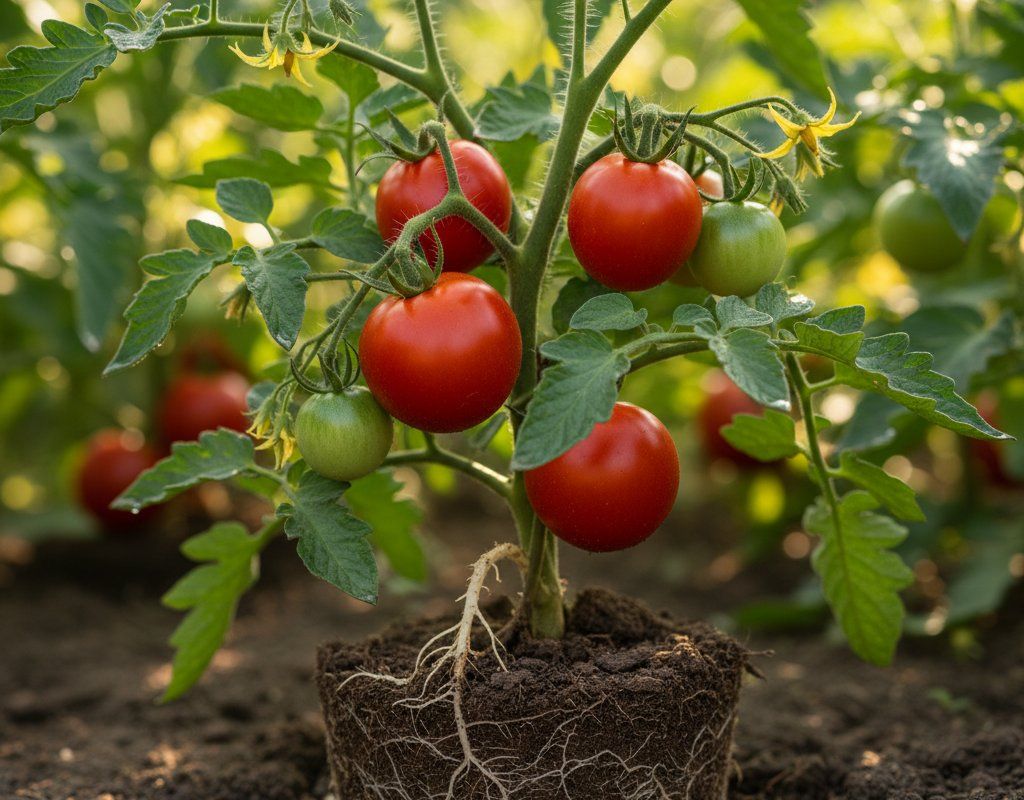
Early Girl Tomato in Zone 7A — Northern California
Solanum lycopersicum 'Early Girl' · Your Complete 2026 Planting Guide
Last Call for Seed Starting!
Indoor seed starting window closes in 2 days.
Start Seeds This Week
Start seeds now for transplanting later.
Or Wait for Starts
If you don’t want to start seeds, starts will be available around April 3.
How to Plant Early Girl Tomato in Zone 7A — Northern California
Here are all your options for getting early girl tomato in the ground, from the easiest method to more advanced approaches.
Start Seeds Indoors
RecommendedMid February through early March
around February 20
Then transplant: Early April through mid May
Start seeds 6-8 weeks before transplanting outdoors.
Buy Starts
Works WellEarly April through mid May
around April 3
Plant purchased starts after last frost (March 20).
Direct Sow Seeds
ChallengingDirect sowing is not typical for Early Girl Tomato.
Transplant Outdoors
Timing InfoEarly April through mid May
around April 3
Wait until nighttime temperatures stay above 50°F.
You have a nice window — no need to rush.
Overview
Early Girl Tomato is a fantastic choice for Northern California gardens. Its early maturity means you'll be enjoying delicious, medium-sized red tomatoes from your garden sooner than almost any other variety. This is especially satisfying in our Mediterranean climate, where those first homegrown tomatoes are a true taste of summer after our mild, wet winters.
We NorCal gardeners know we face challenges like drought, potential fire season impacts, and occasional water restrictions. But with careful planning and attention to watering, Early Girl's relatively short time to maturity makes it a reliable producer within our 235-day growing season.
Starting Seeds Indoors
Starting Early Girl Tomato seeds indoors is the way to go in our Zone 7A gardens. Aim to sow your seeds mid-February through early March. This gives you about 6 weeks to get them strong and ready for transplanting after the last frost.
You'll need seed trays or small pots, a good seed-starting mix, and a warm, bright location. A heat mat underneath the trays helps speed up germination. Once seedlings emerge, provide plenty of light – a grow light works well, especially given our early spring can be a bit cloudy. Don't forget to water from the bottom by placing the tray in a shallow container of water until the soil surface is moist.
Transplanting Outdoors
Transplant your Early Girl Tomato seedlings outdoors early April through mid May, once the danger of frost has passed. Before planting, be sure to harden them off. This means gradually exposing them to outdoor conditions for about a week.
Choose a sunny spot with well-drained soil, and space your plants about 24-36 inches apart. Keep an eye on the weather forecast during this time; even in April, we can get a late cold snap. Be ready to cover your young plants if temperatures dip unexpectedly.
Watering Early Girl Tomato in Zone 7A (Northern California)
Early Girl Tomatoes need consistent moisture, especially during our dry summers. While they are more forgiving than some heirlooms, remember that "high watering needs" is the rule.
In Northern California, this means a good deep watering a couple of times a week once established, increasing to every other day during the hottest parts of summer. Stick your finger about 2 inches into the soil – if it feels dry, it's time to water. Aim for about 1-2 inches of water per week, depending on rainfall. Water at the base of the plant to avoid wetting the leaves and creating conditions for fungal diseases.
Signs of underwatering include wilting leaves and slow growth. Overwatering can lead to yellowing leaves and root rot. Mulching around your tomato plants with straw or wood chips helps retain moisture and keeps the soil cooler, which is especially beneficial in our hot summers.
Supporting Your Early Girl Tomato
Early Girl Tomatoes are indeterminate, meaning they'll keep growing and producing fruit throughout the season. This is why they need support.
A standard 5-foot tomato cage or sturdy stakes work well. Install the support at planting time to avoid damaging the roots later. As the plant grows, gently guide the stems through the cage or tie them to the stake with soft twine.
Pruning & Maintaining Early Girl Tomato
Pruning helps Early Girl focus its energy on producing those early fruits we love.
Throughout the season, remove the suckers that grow in the "V" between the main stem and the branches. These suckers will eventually produce their own stems and fruit, but removing them early on encourages faster ripening of the existing tomatoes. Also, remove any yellowing or dead leaves near the bottom of the plant. Near the end of the season, around early November as the first frost approaches, you can top the plant to encourage the remaining green tomatoes to ripen.
🧪Fertilizing Early Girl Tomato
Feeding Schedule
Organic Fertilizer Options
Harvest Time
You can expect your first harvest of Early Girl Tomatoes late May through late July, about 50 days after transplanting.
The tomatoes are ready to pick when they're a deep red color and slightly soft to the touch. Gently twist the fruit from the vine, being careful not to damage the plant. To encourage continued production, harvest regularly as the tomatoes ripen. As the weather cools in late fall and the first frost approaches (early November), harvest any remaining green tomatoes and bring them indoors to ripen. They'll ripen best in a single layer, away from direct sunlight.
Common Problems in Zone 7A (Northern California)
Here are some common problems you might encounter with Early Girl Tomatoes in Northern California:
Blossom End Rot
- What it looks like: A dark, sunken spot on the bottom of the tomato.
- What causes it: Inconsistent watering, leading to calcium deficiency. Common with our dry summers and potential water restrictions.
- How to fix/prevent it: Water deeply and consistently, especially during fruit development. Mulch to retain moisture. Avoid over-fertilizing with nitrogen. Remove affected fruit.
Early Blight
- What it looks like: Brown spots with concentric rings on the lower leaves, eventually spreading upward.
- What causes it: A fungal disease favored by warm, humid conditions. Even with our low humidity, morning fog can create favorable conditions.
- How to fix/prevent it: Remove and destroy infected leaves. Water at the base of the plant. Improve air circulation by pruning. Copper fungicide can help slow the spread.
Hornworms
- What it looks like: Large sections of leaves missing, and large green caterpillars with white stripes.
- What causes it: Voracious caterpillars that can quickly defoliate your plants.
- How to fix/prevent it: Handpick them (they're easy to spot once you know what to look for). Bt (Bacillus thuringiensis) spray is effective and organic.
Cracking
- What it looks like: Splits in the tomato skin, either around the stem or radiating from it.
- What causes it: Inconsistent watering, leading to rapid water uptake after a dry spell.
- How to fix/prevent it: Water consistently, especially after periods of drought. Mulch to maintain even soil moisture. Harvest promptly when ripe.
Northern California Specific Challenges: Our moderate-to-hot summers, combined with low humidity and dry-summer rainfall patterns, mean consistent watering is key to preventing blossom end rot and cracking. Be vigilant about watering during heat waves and extended dry periods, especially if water restrictions are in place.
Best Companions for Early Girl Tomato
Plant these nearby for healthier Early Girl Tomato and better harvests.
View Full Companion Planting Chart →




Companion Planting Details
Companion planting can help your Early Girl Tomatoes thrive in Northern California.
Good companions include basil, which is said to repel pests and improve tomato flavor. Carrots help loosen the soil and don't compete for nutrients. Parsley attracts beneficial insects. French marigolds deter nematodes and other soil pests.
Avoid planting brassicas (like broccoli and cabbage) near tomatoes, as they can stunt tomato growth. Fennel inhibits the growth of many plants. Corn can attract tomato pests like the tomato hornworm.
🌸Best Flowers to Plant with Early Girl Tomato
These flowers protect your Early Girl Tomato from pests and attract pollinators for better harvests.
For Pest Control





Get a Reminder When It's Time to Plant
We'll email you when key planting windows open for your zone.