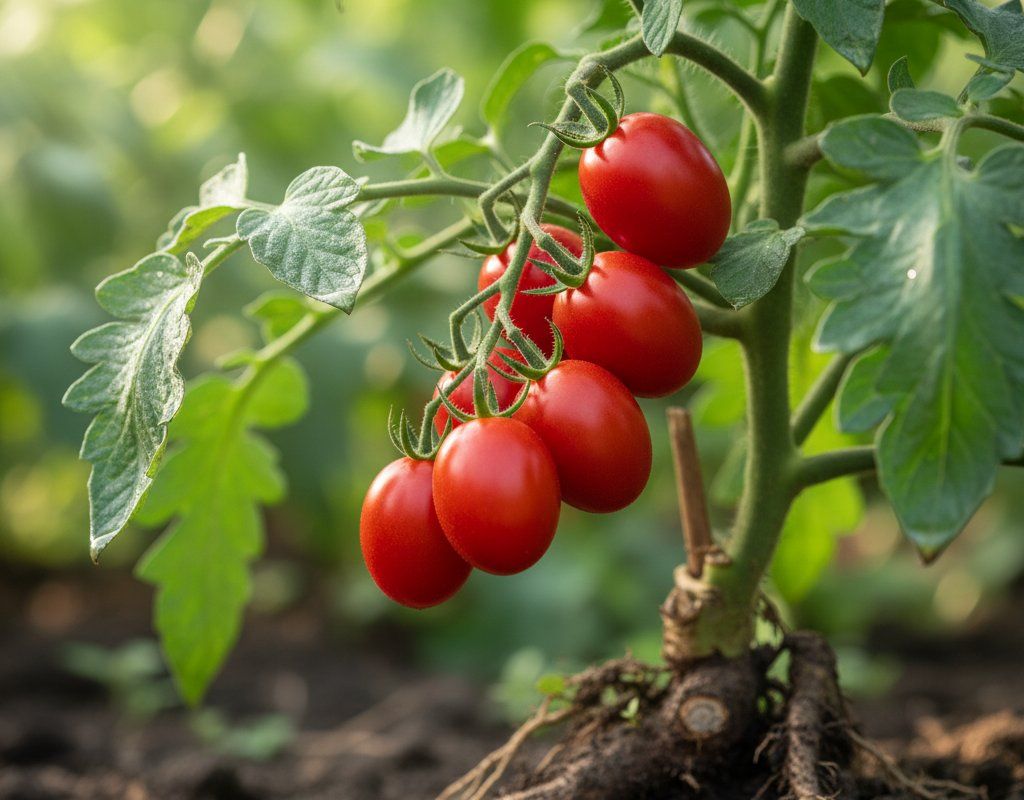
Grape Tomatoes in Zone 5B — Mountain West
Solanum lycopersicum var. cerasiforme · Your Complete 2026 Planting Guide
Planning Ahead — Great!
You’re ahead of the season. Here’s when to start.
Mark Your Calendar
How to Plant Grape Tomatoes in Zone 5B — Mountain West
Here are all your options for getting grape tomatoes in the ground, from the easiest method to more advanced approaches.
Start Seeds Indoors
RecommendedLate March through late April
around April 7
Then transplant: Mid May through mid June
Start seeds 6-8 weeks before transplanting outdoors.
Buy Starts
Works WellMid May through mid June
around May 19
Plant purchased starts after last frost (May 5).
Direct Sow Seeds
ChallengingDirect sowing is not typical for Grape Tomatoes.
Transplant Outdoors
Timing InfoMid May through mid June
around May 19
Wait until nighttime temperatures stay above 50°F.
You have a nice window — no need to rush.
Overview
Grape tomatoes are perfectly suited for our Mountain West gardens, offering sweet, complex flavor that really shines in our intense sunlight and cool nights. Unlike their delicate cherry cousins, grape tomatoes have thicker skin that handles our low humidity better and resists cracking during those sudden afternoon thunderstorms. You'll get prolific clusters of oblong fruits that are ideal for snacking, roasting, or preserving — and they actually develop better flavor here than in humid regions thanks to our concentrated growing conditions.
Yes, our short 149-day growing season and late spring frosts make tomato growing challenging, but grape tomatoes are surprisingly manageable once you nail the timing. Starting them indoors gives you complete control over those critical early weeks, and their 60-day maturity means you'll have plenty of harvest time before our early October frost arrives.
Starting Seeds Indoors
Start your grape tomato seeds indoors during late March through late April, about 6 weeks before you plan to transplant them outside. Our late Mountain springs make indoor starting essential — you simply can't direct sow tomatoes up here and expect success.
Set up seed trays with quality seed starting mix in a warm spot (70-75°F works well). Most Mountain gardeners use heat mats since our houses can still be cool during spring. Bottom watering works best for tomato seedlings — fill a tray underneath and let the soil absorb moisture from below. This prevents damping-off disease and keeps the stem bases dry.
Once seeds germinate, move them to your brightest south-facing window or under grow lights. The intense UV at our altitude actually helps create stocky, strong seedlings, but watch for any stretching that indicates they need more light. You'll have healthy transplants ready right when our soil warms up in mid-May.
Transplanting Outdoors
Plan to transplant your grape tomatoes outside during mid-May through mid-June, once soil temperatures consistently hit 60°F and nighttime lows stay above 40°F. Our Mountain springs can be tricky with sudden cold snaps, so don't rush this timing even if days feel warm.
Harden off your seedlings gradually over a full week, starting with just 2-3 hours of filtered outdoor time and building up to full sun exposure. This step is crucial in our intense UV environment — even indoor-started plants need time to build up their sun tolerance.
Space plants 24-36 inches apart to ensure good air circulation, which helps prevent disease in our occasional humid spells. The wider spacing also gives you room to maneuver around those sturdy tomato cages or stakes you'll need for these vigorous indeterminate varieties. Plant them deep, burying 2/3 of the stem to encourage strong root development.
Watering Grape Tomatoes in Zone 5B (Mountain West)
Grape tomatoes need consistent, deep watering despite our typically dry Mountain conditions. Plan on providing about 1-2 inches of water per week, either through irrigation or our sporadic summer thunderstorms. The key here is consistency — our low humidity and intense sun can dry out soil quickly, but then a sudden downpour can oversaturate everything.
Use the finger test: stick your finger 2 inches into the soil near the base of the plant. If it's dry at that depth, it's time to water deeply. Water at the base of the plants rather than overhead — our low humidity means foliar watering evaporates too quickly to be effective, and wet leaves can encourage disease during our brief humid periods.
Watch for signs of stress in our intense Mountain sun. Underwatered plants will show wilted leaves even in the morning, while overwatered plants develop yellowing lower leaves and stunted growth. Grape tomatoes are less prone to cracking than cherry types thanks to their thicker skin, but inconsistent watering can still cause splits when heavy rain follows a dry spell.
Apply a 2-3 inch layer of straw or shredded bark mulch around plants to maintain even soil moisture and reduce evaporation. This is especially important here where summer days can hit 85°F with bone-dry air, then drop to the 40s overnight.
Supporting Your Grape Tomatoes
Install sturdy tomato cages or stakes at planting time — grape tomatoes are vigorous indeterminate varieties that will easily reach 6-8 feet in our intense Mountain sun. Standard 5-foot tomato cages work well for most home gardens, though you might need to add extra stakes in areas prone to our sudden windstorms.
The key is getting support in place early, before plants start sprawling. Trying to cage or stake a mature plant without damaging stems is nearly impossible. Choose galvanized or plastic-coated cages that can handle our temperature swings and occasional hail.
As plants grow, gently guide the main stems through the cage openings or tie them to stakes with soft cloth strips. Grape tomatoes produce heavy clusters of fruit that can snap unsupported branches, especially when those clusters get heavy with our intense sun ripening multiple fruits at once.
Pruning & Maintaining Grape Tomatoes
Grape tomatoes need lighter pruning than their larger cousins but still benefit from removing suckers — those shoots that grow between the main stem and branches. Focus on removing suckers below the first flower cluster and any that develop in the center of the plant where they'll block air circulation.
Remove lower leaves that touch the ground to prevent soil-borne diseases from splashing up during watering or rain. This is especially important in our alkaline soil conditions where certain fungal problems can persist. As the season progresses, trim leaves that yellow or show signs of disease.
About 4 weeks before your expected first frost (early October), pinch out the growing tips to encourage the plant to ripen existing fruit rather than setting new flowers. This "topping" technique helps you get the most harvest before our growing season ends abruptly.
🧪Fertilizing Grape Tomatoes
Feeding Schedule
Organic Fertilizer Options
Harvest Time
Expect your first ripe grape tomatoes from mid-July through early September, depending on when you transplanted and which variety you chose. These oblong fruits are ready when they're fully colored (usually deep red), firm but with slight give when gently squeezed, and easily separate from the stem.
Harvest regularly — every 2-3 days during peak season — to keep plants producing. Unlike cherry tomatoes that can shatter when overripe, grape tomatoes hold better on the vine, but picking promptly encourages continued flowering and fruiting throughout our short season.
The thick skin of grape tomatoes is both blessing and challenge for Mountain gardeners. They resist cracking during sudden rainstorms better than other small tomatoes, but they're also slower to show color changes. Don't wait for them to soften too much — they'll continue ripening after picking if needed.
As first frost approaches in early October, harvest all remaining fruit regardless of ripeness. Green and partially ripe grape tomatoes will continue to ripen indoors if stored in a paper bag with a ripe apple. You can extend your fresh tomato season well into October this way, making the most of your short but productive Mountain growing season.
Common Problems in Zone 5B (Mountain West)
Cracking You'll recognize fruit cracking as splits in the tomato skin — either concentric circles around the stem or radial lines from stem to bottom. While grape tomatoes resist cracking better than cherry types, they're still vulnerable during our intense afternoon thunderstorms after dry spells. Our typical pattern of dry days followed by sudden heavy rain creates perfect cracking conditions. Maintain consistent soil moisture through regular watering and mulching, and harvest promptly when fruits are ripe.
Blossom End Rot This shows up as sunken, dark brown or black leathery patches on the bottom of fruits, often affecting your first tomatoes of the season. Despite our alkaline Mountain soils having plenty of calcium, this problem stems from inconsistent watering that prevents calcium uptake. Our intense sun and low humidity can quickly dry soil between waterings, then sudden irrigation or thunderstorms flood the roots. The solution is consistent moisture — water deeply and regularly, mulch heavily, and avoid over-fertilizing with nitrogen.
Early Blight Watch for brown spots with distinctive target or bullseye patterns starting on lower leaves and working upward, causing yellowing and leaf drop. This fungal disease spreads via soil splash and thrives during our brief humid periods after rain. Remove affected leaves immediately (don't compost them), mulch around plants to prevent soil splash, and water at the base rather than overhead. Our generally low humidity actually helps control this disease compared to more humid regions.
Mountain West Specific Challenges Our moderate summer heat and low humidity create generally favorable conditions for grape tomatoes, but watch for sunscald on fruits during intense afternoon UV exposure. The dramatic temperature swings between our hot days and cold nights can stress plants, while sudden hailstorms can damage both foliage and fruit. Consider shade cloth during the hottest part of summer and be prepared to cover plants if severe weather threatens.
Best Companions for Grape Tomatoes
Plant these nearby for healthier Grape Tomatoes and better harvests.
View Full Companion Planting Chart →



Companion Planting Details
Plant basil alongside your grape tomatoes — it naturally repels aphids and thrips while thriving in the same warm, sunny conditions our Mountain climate provides during summer. Carrots work well as ground-level companions since their taproots don't compete with tomato roots, and they help break up our often-compacted clay soils. Parsley provides beneficial insect habitat and tolerates the cooler nights that can stress some warm-season companions.
Marigolds are particularly valuable here, deterring nematodes and attracting beneficial insects while handling our intense UV better than most annual flowers. Avoid planting brassicas like cabbage or broccoli nearby — they compete for nutrients and can attract pests that also target tomatoes. Skip fennel entirely, as it releases compounds that inhibit tomato growth, and corn creates too much shade for proper tomato development in our already-challenging short season.
🌸Best Flowers to Plant with Grape Tomatoes
These flowers protect your Grape Tomatoes from pests and attract pollinators for better harvests.
For Pest Control

Get a Reminder When It's Time to Plant
We'll email you when key planting windows open for your zone.