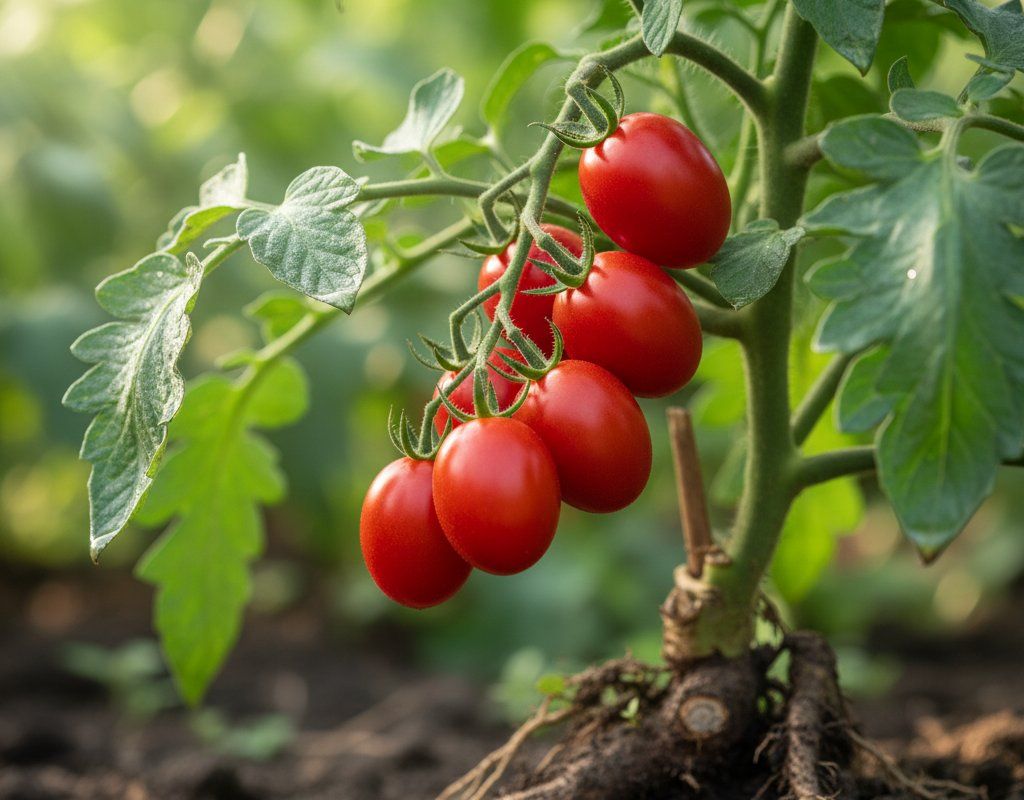
Grape Tomatoes in Zone 5B — Northeast
Solanum lycopersicum var. cerasiforme · Your Complete 2026 Planting Guide
Planning Ahead — Great!
You’re ahead of the season. Here’s when to start.
Mark Your Calendar
How to Plant Grape Tomatoes in Zone 5B — Northeast
Here are all your options for getting grape tomatoes in the ground, from the easiest method to more advanced approaches.
Start Seeds Indoors
RecommendedLate March through mid April
around March 28
Then transplant: Early May through early June
Start seeds 6-8 weeks before transplanting outdoors.
Buy Starts
Works WellEarly May through early June
around May 9
Plant purchased starts after last frost (April 25).
Direct Sow Seeds
ChallengingDirect sowing is not typical for Grape Tomatoes.
Transplant Outdoors
Timing InfoEarly May through early June
around May 9
Wait until nighttime temperatures stay above 50°F.
You have a nice window — no need to rush.
Overview
Grape tomatoes are perfect for our Northeast gardens, delivering that sweet-tart flavor we crave with less cracking than cherry varieties thanks to their thicker skin. These prolific indeterminate vines thrive in our moderate summers and cool nights, which actually intensify their flavor while reducing pest pressure. You'll get clusters of oblong, bite-sized fruits that are ideal for snacking, salads, and roasting – plus they store better than most small tomatoes.
Our short 168-day growing season and late spring frosts mean grape tomatoes need an indoor start, but don't let that discourage you. With proper timing, these 60-day varieties will produce from early summer right up to our first fall frost in early October, giving you months of fresh harvests.
Starting Seeds Indoors
Start your grape tomato seeds indoors during late March through mid-April, about 6 weeks before you plan to transplant. Our Northeast springs arrive late, so indoor starting isn't just recommended – it's essential for getting a good harvest before fall frost hits.
Set up seed trays with quality potting mix in a warm spot (65-75°F works well). Bottom watering keeps seedlings healthy and prevents damping-off disease that thrives in our humid spring air. Once seeds germinate, move them under grow lights or to your sunniest south-facing window.
Plan on 6-8 weeks of indoor growing time. Your seedlings should have their second set of true leaves and sturdy stems before transplanting. The extra indoor time pays off with earlier harvests when our growing season counts every day.
Transplanting Outdoors
Wait until early May through early June to transplant outdoors, after soil has warmed and nighttime temperatures consistently stay above 50°F. Our rocky New England soil needs time to warm up, and grape tomatoes won't tolerate even a light frost.
Harden off your seedlings for a full week before transplanting. Start with just an hour outdoors in filtered sunlight, gradually increasing exposure to our variable spring weather. This is crucial in the Northeast where temperature swings can shock tender plants.
Space plants 24-36 inches apart to ensure good air circulation in our moderate-to-humid summers. Dig generous holes in that rocky soil, adding compost to improve drainage. Plant deep, burying 2/3 of the stem to encourage strong root development that'll support heavy fruit production.
Watering Grape Tomatoes in Zone 5B (Northeast)
Grape tomatoes need consistent, deep watering throughout our growing season – about 1-2 inches per week including rainfall. Our Northeast climate gives us decent natural rainfall (40-50 inches annually), but summer dry spells still happen and these plants can't tolerate drought stress.
Use the finger test: stick your finger 2 inches into the soil near the base of the plant. If it's dry, water deeply at the base rather than overhead. Our moderate-to-humid summers create perfect conditions for fungal diseases when water sits on leaves, so always water the soil, not the foliage.
Watch for signs of water stress: wilting during the heat of the day (even with adequate soil moisture is normal), but persistent wilting or yellowing lower leaves means you need to increase watering frequency. Overwatering shows up as yellowing leaves and poor fruit set – surprisingly common in our clay-heavy soils that don't drain well.
Apply 2-3 inches of organic mulch around plants to maintain even soil moisture and reduce watering frequency. This is especially important in our rocky soils that tend to dry out quickly between rains.
Supporting Your Grape Tomatoes
Install sturdy tomato cages or stakes at planting time since grape tomatoes are vigorous indeterminate growers that can reach 6-8 feet tall. Standard 5-foot tomato cages work well for most varieties, though you might need to add a stake for extra support as plants get heavy with fruit.
Train the main stems through cage openings as they grow, or tie them loosely to stakes with soft materials like old t-shirt strips. These plants produce heavy clusters of fruit that can snap branches if not properly supported.
Don't wait to install support – it's much harder to work around established roots and stems later in the season. Your future self will thank you when these prolific plants are loaded with fruit clusters in midsummer.
Pruning & Maintaining Grape Tomatoes
Grape tomatoes need minimal pruning compared to large slicing tomatoes, but removing suckers (shoots growing between the main stem and branches) helps focus energy on fruit production. Pinch out suckers when they're small and soft – no tools needed.
Remove the lowest branches once plants are established to improve air circulation and prevent soil-borne diseases from splashing up. This is especially important in our humid Northeast summers where fungal problems can take hold quickly.
As first frost approaches in early October, pinch off flower clusters that won't have time to mature. This redirects the plant's energy into ripening existing fruit. About 4-6 weeks before expected frost, top the plants by pinching the growing tips to stop upward growth.
🧪Fertilizing Grape Tomatoes
Feeding Schedule
Organic Fertilizer Options
Harvest Time
Expect your first ripe grape tomatoes in early July through late August, depending on when you transplanted and which variety you chose. These 60-day varieties start producing about two months after transplant, then continue until frost kills the plants.
Harvest when fruits are fully colored (usually deep red) and have a slight give when gently squeezed. Unlike cherry tomatoes, grape tomatoes have an oblong shape and thicker skin that resists cracking. They'll have a nice snap when you bite into them at peak ripeness.
Pick frequently to encourage continued production – daily during peak season in our brief but productive summers. Grape tomatoes will ripen off the vine if needed, so as first frost threatens in early October, harvest all mature green fruits and bring them indoors to finish ripening.
These plants produce clusters of fruit that ripen at different times, so you'll be harvesting from each cluster over several days. Cut or gently twist fruits from the vine to avoid damaging the stem and reducing future production.
Common Problems in Zone 5B (Northeast)
Cracking You'll see splits in the tomato skin, either in circles around the stem area or radiating lines from the stem down the sides. The good news is grape tomatoes crack less than cherry types due to their thicker skin, but it can still happen during our variable summer rainfall patterns.
Heavy rain or watering after a dry spell causes fruit to absorb water faster than the skin can expand. Maintain consistent soil moisture with regular watering and 2-3 inches of mulch. Our even Northeast rainfall helps, but supplement during dry spells to avoid the feast-or-famine cycle that leads to cracking.
Blossom End Rot This shows up as dark brown or black leathery patches on the bottom of fruits – often the first fruits of the season are affected. It's not a disease but a calcium deficiency triggered by inconsistent watering, which disrupts nutrient uptake.
The single most effective fix is consistent watering. Our rocky soils can be challenging for maintaining even moisture, so mulch heavily and check soil moisture regularly. Avoid over-fertilizing with nitrogen, which can interfere with calcium uptake. Remove affected fruits to redirect plant energy.
Early Blight Brown spots with concentric rings (target pattern) appear first on lower leaves, then spread upward. Leaves yellow and drop, reducing plant vigor and fruit production. This fungal disease loves our moderate-to-humid summer conditions.
Remove affected leaves immediately and don't compost them. Mulch to prevent soil splash onto lower leaves, and always water at the base rather than overhead. Improve air circulation through proper spacing (24-36 inches) and pruning lower branches. Copper fungicide can slow the spread if caught early.
Northeast Specific Challenges Our moderate summers with moderate-to-humid conditions create perfect breeding grounds for fungal diseases, but the cooler nights help reduce overall pest pressure. The key is managing moisture – we get enough rainfall that overwatering is often more of a problem than drought, especially in our clay-heavy soils that don't drain well.
Best Companions for Grape Tomatoes
Plant these nearby for healthier Grape Tomatoes and better harvests.
View Full Companion Planting Chart →



Companion Planting Details
Plant basil near your grape tomatoes – it reportedly improves flavor and helps repel aphids and hornworms. Carrots make excellent companions since their deep taproots don't compete with tomato roots, and they help break up our compacted Northeast soils. Parsley planted nearby attracts beneficial insects that prey on tomato pests, while marigolds can help deter nematodes (though less of a problem in our cooler climate).
Avoid planting brassicas like cabbage or broccoli near tomatoes – they're heavy feeders that compete for nutrients, and both crops are susceptible to similar fungal diseases in our humid conditions. Skip fennel entirely as it can stunt tomato growth, and don't plant corn nearby since both crops attract the same hornworms, creating a pest buffet in your garden.
🌸Best Flowers to Plant with Grape Tomatoes
These flowers protect your Grape Tomatoes from pests and attract pollinators for better harvests.
For Pest Control

Get a Reminder When It's Time to Plant
We'll email you when key planting windows open for your zone.