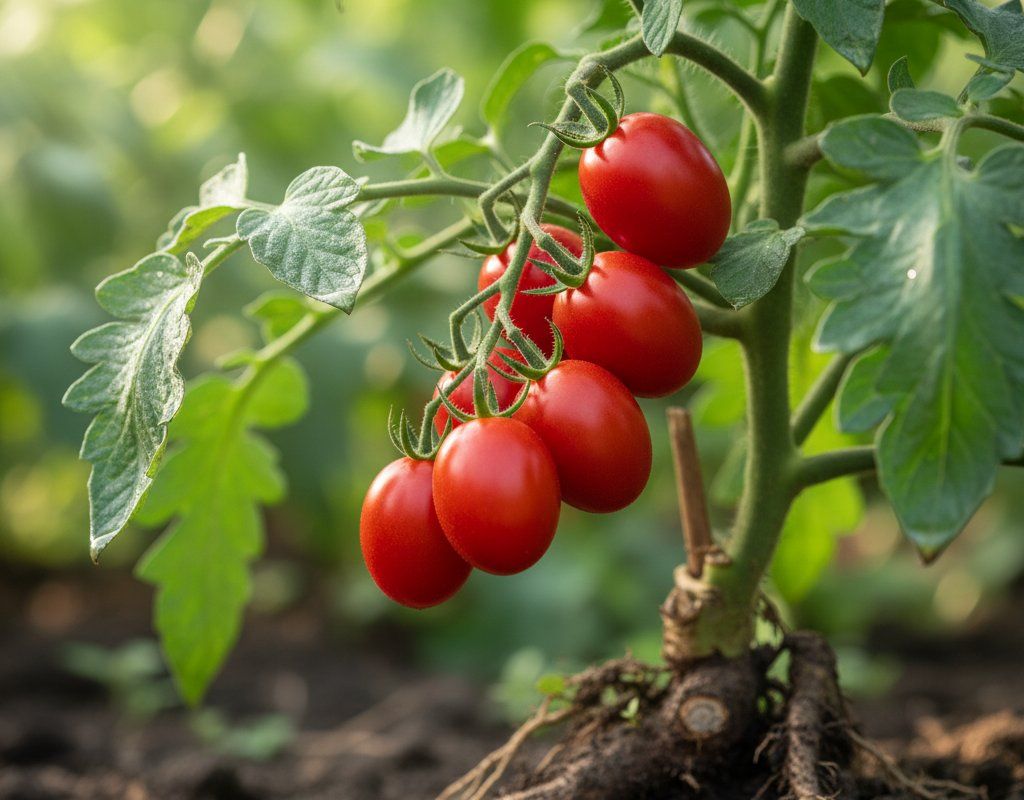
Grape Tomatoes in Zone 7A — Midwest
Solanum lycopersicum var. cerasiforme · Your Complete 2026 Planting Guide
Planning Ahead — Great!
You’re ahead of the season. Here’s when to start.
Mark Your Calendar
How to Plant Grape Tomatoes in Zone 7A — Midwest
Here are all your options for getting grape tomatoes in the ground, from the easiest method to more advanced approaches.
Start Seeds Indoors
RecommendedEarly to late March
around March 13
Then transplant: Late April through late May
Start seeds 6-8 weeks before transplanting outdoors.
Buy Starts
Works WellLate April through late May
around April 24
Plant purchased starts after last frost (April 10).
Direct Sow Seeds
ChallengingDirect sowing is not typical for Grape Tomatoes.
Transplant Outdoors
Timing InfoLate April through late May
around April 24
Wait until nighttime temperatures stay above 50°F.
You have a nice window — no need to rush.
Overview
Grape tomatoes are perfect for Midwest gardeners who want the sweet flavor of cherry tomatoes with less of the cracking headaches. These oblong beauties have thicker skins that hold up better to our variable spring rains and summer downpours, while still delivering that burst of concentrated tomato flavor. They're incredibly versatile—perfect for snacking, tossing in salads, or roasting for pasta dishes—and they produce abundantly once our fertile soil warms up.
While our Zone 7A climate can throw curveballs with late spring frosts and sudden summer heat spells, grape tomatoes are forgiving once you get the timing right. With our 193-day growing season, you'll have plenty of time to enjoy multiple harvests from summer into fall. The key is starting them indoors during our unpredictable spring weather, then transplanting after the soil has truly warmed.
Starting Seeds Indoors
Start your grape tomato seeds indoors during early to late March, about 6 weeks before you plan to transplant them outside. This timing works perfectly with our moderate-to-late spring character—you'll have strong seedlings ready when conditions finally stabilize outdoors. Set up seed trays with a quality seed-starting mix and place them somewhere warm, like on top of the refrigerator or using a heat mat.
Once seeds germinate (usually within 7-10 days), move them under grow lights or to your brightest south-facing window. Keep the soil consistently moist but not waterlogged—bottom watering works well here. Fill a tray with water and let the seed cells soak it up from below, which prevents damping-off disease.
As your seedlings develop their first true leaves, you can transplant them into larger 4-inch pots. This gives them room to develop strong root systems while you wait for our Midwest spring to settle down. Keep them indoors until nighttime temperatures consistently stay above 55°F and all danger of frost has passed.
Transplanting Outdoors
Plan to transplant your grape tomato seedlings outdoors from late April through late May, depending on how our spring weather cooperates. Wait until soil temperature reaches at least 60°F and nighttime lows stay consistently above 55°F. Even though we're past the average last frost date, Midwest weather can still surprise you with a late cold snap.
Start hardening off your seedlings about a week before transplant day. Gradually expose them to outdoor conditions—begin with just an hour or two of morning sun, then increase the time daily. This helps them adjust to wind, temperature fluctuations, and direct sunlight without shock.
Space your transplants 24-36 inches apart to allow for good air circulation, which is especially important given our moderate-to-humid summer conditions. Dig holes slightly deeper than the root ball and plant them up to their first set of true leaves—tomatoes will develop roots along the buried stem. Water them in well and consider row covers if temperatures threaten to dip unexpectedly.
Watering Grape Tomatoes in Zone 7A (Midwest)
Grape tomatoes need consistent, deep watering throughout our growing season, especially during summer heat spells when temperatures climb into the upper 80s and beyond. While we typically receive 30-40 inches of annual rainfall, summer distribution can be uneven—you might get soaking thunderstorms followed by dry stretches that stress your plants.
Aim for about 1-2 inches of water per week, including rainfall. Check soil moisture by sticking your finger 2 inches deep near the plant base—if it's dry at that depth, it's time to water. During our moderate-to-humid summers, water at the base of plants rather than overhead to reduce fungal disease risks. Early morning watering allows plants to dry before evening.
Watch for signs of water stress: wilting during the heat of the day (even with adequate soil moisture) is normal, but if plants stay wilted into the evening, they need more water. Yellowing lower leaves often indicate inconsistent watering, while cracked fruit happens when heavy rain follows a dry period. Fortunately, grape tomatoes have thicker skins than cherry varieties, making them more resistant to cracking.
Mulch around your plants with 2-3 inches of straw or shredded leaves to maintain even soil moisture and reduce the need for frequent watering. This is especially valuable in our clay soil, which can swing between waterlogged and brick-hard depending on rainfall patterns.
Supporting Your Grape Tomatoes
Install sturdy tomato cages or stakes at planting time, since grape tomatoes are vigorous indeterminate growers that will easily reach 6-8 feet tall by season's end. Standard tomato cages work well for most home gardens, but choose the tallest ones you can find—those short decorative cages will be overwhelmed by midsummer.
For staking, use 6-foot stakes driven at least 18 inches deep, tying the main stem loosely with soft materials like strips of old t-shirts. Avoid wire ties that can cut into stems as they grow. Train the main stem up the stake and gently guide side branches through cage openings as they develop.
Check your supports regularly throughout the summer, especially after severe weather that our region is known for. Heavy fruit clusters combined with strong Midwest thunderstorms can topple even well-supported plants. Adjust ties and add additional support stakes if needed as the season progresses.
Pruning & Maintaining Grape Tomatoes
Grape tomatoes produce prolifically with minimal pruning, but removing suckers (shoots growing between the main stem and branches) helps direct energy toward fruit production. Focus on removing suckers below the first flower cluster and any that develop between major branches. You don't need to be as aggressive as with larger tomato varieties.
Remove lower leaves that touch the ground or show signs of disease—this is especially important in our moderate-to-humid climate where fungal issues can develop quickly. As the season progresses, prune any branches that are shading fruit clusters or impeding air circulation through the plant.
About 6-8 weeks before your expected first frost (around mid-October here), you can top the plants by pinching out the growing tip. This encourages the plant to put energy into ripening existing fruit rather than producing new flowers that won't have time to mature. Remove any new flower clusters that appear after this point.
🧪Fertilizing Grape Tomatoes
Feeding Schedule
Organic Fertilizer Options
Harvest Time
You'll typically see your first ripe grape tomatoes from late June through mid-August, depending on when you transplanted and which varieties you chose. Look for fruits that have developed their full color—usually deep red—and have a slight give when gently squeezed. The oblong shape should be well-filled out, and the skin will have a glossy appearance.
Harvest regularly, ideally every 2-3 days during peak season, to encourage continued production. Unlike larger tomatoes, grape tomatoes often come off easily with a gentle twist when they're fully ripe. If they resist, use clean garden shears to cut the stem just above the fruit.
The beauty of grape tomatoes is their continuous production—properly maintained plants will keep producing new clusters until frost. During our summer heat spells, check plants daily as fruits can ripen quickly in hot weather. Regular harvesting prevents overripe fruits from attracting pests or developing rot.
As first frost approaches in mid-October, harvest any green fruits that are showing color—they'll ripen perfectly indoors on a counter or windowsill. You can also harvest entire clusters of green tomatoes and hang them in a cool, dry place where they'll gradually ripen over several weeks, extending your harvest well into fall.
Common Problems in Zone 7A (Midwest)
Cracking appears as splits in the fruit skin, either as circles around the stem end or lines radiating outward from the stem. While grape tomatoes are more resistant than cherry types due to their thicker skin, they can still crack during heavy rainfall after dry periods—common in our wet-summer climate. Maintain consistent soil moisture through mulching and regular watering schedules. Harvest fruits promptly when they show full color, and consider planting crack-resistant varieties if this becomes a recurring issue.
Blossom End Rot shows up as dark, sunken patches on the bottom of fruits, often affecting the season's first tomatoes. This isn't a disease but a calcium uptake problem caused by inconsistent watering—exactly what happens when our spring rains give way to summer dry spells. The single most effective fix is maintaining even soil moisture through mulching and consistent watering. Don't over-fertilize with nitrogen, which can interfere with calcium absorption. Remove affected fruits to redirect the plant's energy.
Early Blight creates brown spots with distinctive concentric rings (bullseye pattern) on lower leaves first, then spreads upward. This fungal disease thrives in our moderate-to-humid summer conditions, especially when soil splashes onto leaves during thunderstorms. Remove affected leaves immediately (don't compost them), mulch to prevent soil splash, and water at the base rather than overhead. Improve air circulation through proper spacing and light pruning. Copper-based fungicides can slow the spread if applied early.
Midwest Specific Challenges: Our combination of moderate-to-hot summers with moderate-to-humid conditions and wet-summer rainfall pattern creates perfect conditions for fungal diseases, making consistent watering and good air circulation especially critical for grape tomato success.
Best Companions for Grape Tomatoes
Plant these nearby for healthier Grape Tomatoes and better harvests.
View Full Companion Planting Chart →



Companion Planting Details
Plant basil near your grape tomatoes—it naturally repels aphids and hornworms while enhancing the tomatoes' flavor. Carrots make excellent companions since their deep taproots don't compete with tomato roots, and they help break up our heavy clay soil. Parsley attracts beneficial insects that prey on tomato pests, while marigolds release compounds that deter nematodes and other soil-dwelling pests.
Avoid planting brassicas (cabbage, broccoli) or fennel near grape tomatoes, as these can stunt tomato growth through allelopathic compounds or nutrient competition. Corn is also a poor companion since both crops are heavy feeders that will compete for nutrients in the same soil layer, and corn can harbor pests like corn earworm that also attack tomatoes.
🌸Best Flowers to Plant with Grape Tomatoes
These flowers protect your Grape Tomatoes from pests and attract pollinators for better harvests.
For Pest Control

Get a Reminder When It's Time to Plant
We'll email you when key planting windows open for your zone.