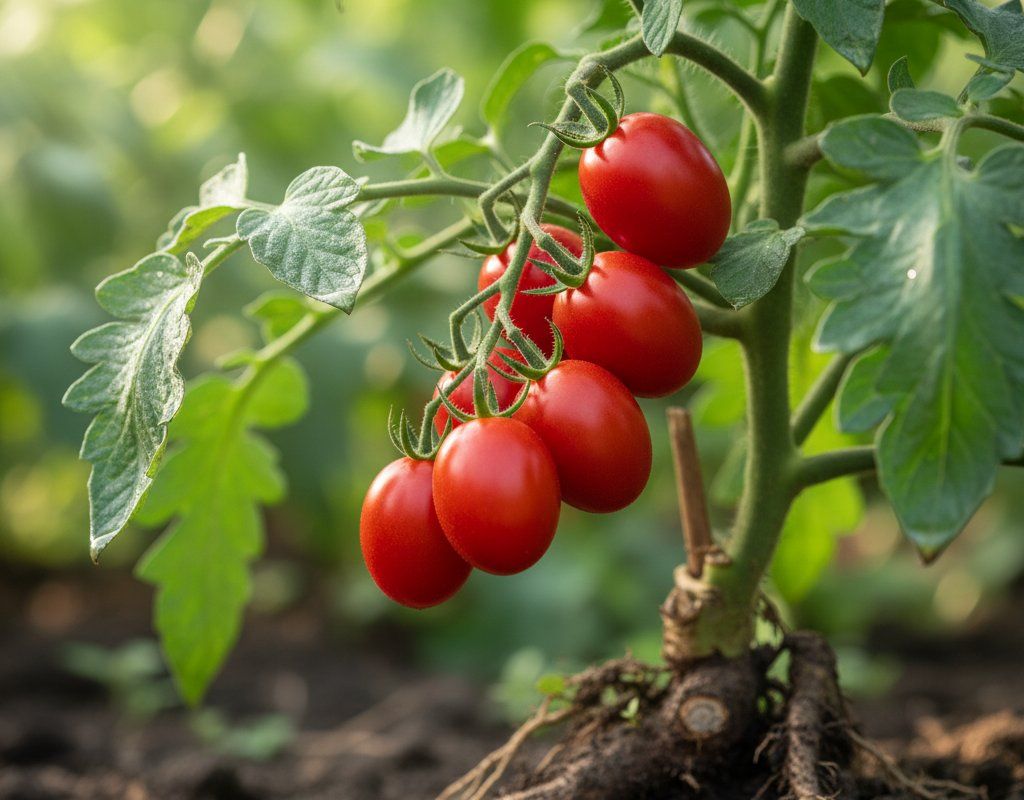
Grape Tomatoes in Zone 7B — Desert Southwest
Solanum lycopersicum var. cerasiforme · Your Complete 2026 Planting Guide
Missed Seed Starting? No Problem!
Wait for starts to become available.
What to Do
Starts will be available at nurseries in 25 days (around March 29).
How to Plant Grape Tomatoes in Zone 7B — Desert Southwest
Here are all your options for getting grape tomatoes in the ground, from the easiest method to more advanced approaches.
Start Seeds Indoors
RecommendedEarly February through early March
around February 15
Then transplant: Late March through late April
Start seeds 6-8 weeks before transplanting outdoors.
Buy Starts
Works WellLate March through late April
around March 29
Plant purchased starts after last frost (March 15).
Direct Sow Seeds
ChallengingDirect sowing is not typical for Grape Tomatoes.
Transplant Outdoors
Timing InfoLate March through late April
around March 29
Wait until nighttime temperatures stay above 50°F.
You have a nice window — no need to rush.
Overview
Grape tomatoes bring the perfect balance of sweetness and acidity to our Desert Southwest gardens, producing clusters of oblong, bite-sized fruits that hold up beautifully in our extreme heat. Unlike their delicate cherry cousins, grape tomatoes have thicker skins that resist cracking during monsoon downpours and maintain their shape through our temperature swings. They're incredibly versatile – perfect for fresh snacking, roasting until caramelized, or adding to salads without the mess of larger varieties.
While our region's extreme heat and low humidity can challenge tomato growing, grape tomatoes actually thrive when you time them right. With our 245-day growing season, you can start seeds indoors during our mild winter months and have plants established before the brutal summer heat arrives. The key is working with our very-early spring character rather than fighting against our climate.
Starting Seeds Indoors
Start your grape tomato seeds indoors from early February through early March, giving them about 6 weeks to develop before transplanting outdoors. In our Desert Southwest climate, this indoor start timing takes advantage of our mild winters while ensuring plants are strong enough to handle late spring heat.
Set up seed trays with quality seed-starting mix in a warm location – grape tomatoes germinate best with soil temperatures around 70-75°F. A heat mat helps maintain consistent warmth during cooler winter nights. Once seedlings emerge, provide bright light with grow lights or a south-facing window. Bottom watering works best to prevent damping off disease and keeps moisture levels consistent.
Your seedlings will be ready for transplanting when they're 4-6 inches tall with their first set of true leaves fully developed. This usually coincides perfectly with our last frost period in mid-March, giving you flexibility in transplant timing based on weather conditions.
Transplanting Outdoors
Transplant your grape tomato seedlings outdoors from late March through late April, after our last frost risk has passed. This timing allows plants to establish before summer's extreme heat while taking advantage of our pleasant spring temperatures for strong root development.
Harden off seedlings gradually over one week by exposing them to outdoor conditions for increasing periods daily. Start with 2-3 hours in filtered sun and work up to full outdoor exposure. This process is especially important in our region where the difference between indoor and outdoor conditions can be dramatic, even in spring.
Space plants 24-36 inches apart to ensure good air circulation – crucial in our arid climate where plants need every advantage against heat stress. Choose a location with full sun but consider areas that get some afternoon protection from buildings or larger plants, as summer approaches quickly in the Desert Southwest.
Watering Grape Tomatoes in Zone 7B (Desert Southwest)
Grape tomatoes need consistent, deep watering throughout our growing season, requiring about 1-2 inches per week including rainfall. In our arid Desert Southwest climate with only 8-15 inches of annual precipitation, you'll be providing most of this water yourself. The thicker skin of grape tomatoes makes them less prone to cracking than cherry types, but consistent moisture remains essential for healthy fruit development.
Water deeply at the base of plants rather than overhead – our low humidity means water evaporates quickly from leaves, and wet foliage can lead to disease problems. Use the finger test by inserting your finger 2 inches into the soil; if it's dry at that depth, it's time to water. During our extreme summer heat with temperatures reaching 105°F, you may need to water daily to maintain consistent soil moisture.
Watch for signs of water stress: wilting during the heat of the day (normal), but also wilting in morning or evening (needs water), or blossom end rot on developing fruits (indicates inconsistent watering). Conversely, overwatering shows up as yellowing leaves and soggy soil that doesn't dry between waterings.
Apply a 2-3 inch layer of mulch around plants to conserve moisture and keep soil temperatures more stable. In our region, inorganic mulches like gravel or decomposed granite work well, as organic mulches can blow away in desert winds and may attract rodents during our dry periods.
Supporting Your Grape Tomatoes
Install sturdy tomato cages or stakes at planting time, as grape tomatoes are vigorous indeterminate growers that will quickly outgrow standard supports. Heavy-duty cages at least 5-6 feet tall work best, or use wooden stakes with soft ties to train the main stems upward without restricting growth.
Standard tomato cages from garden centers often prove too small and flimsy for indeterminate varieties like grape tomatoes. Consider making your own with concrete reinforcing wire formed into cylinders – they provide excellent support and allow easy access for harvesting the abundant clusters of fruit.
Train the main stems through cage openings or tie them loosely to stakes as they grow. In our windy desert conditions, secure supports firmly in the ground to prevent toppling when plants are fully loaded with fruit and face monsoon winds.
Pruning & Maintaining Grape Tomatoes
Grape tomatoes produce prolifically with minimal pruning compared to large-fruited varieties. Focus on removing suckers – the shoots that emerge between the main stem and branches – but don't stress about getting every one. Light sucker removal helps direct energy into fruit production without overwhelming the plant.
Remove lower leaves that touch the ground to prevent soil splash and disease, especially important during monsoon season when soil-borne pathogens spread more easily. As plants mature, prune any yellowing or damaged foliage to improve air circulation around the base.
In late September or early October, consider topping plants by pinching out growing tips to encourage remaining fruits to ripen before our first frost around mid-November. This technique helps concentrate the plant's energy into maturing existing fruit rather than producing new flowers that won't have time to develop.
🧪Fertilizing Grape Tomatoes
Feeding Schedule
Organic Fertilizer Options
Harvest Time
Expect your first grape tomatoes from late May through mid-July, about 60 days from transplanting. The fruits develop in clusters and ripen gradually, giving you a continuous harvest rather than a single large crop. This extended harvest period works perfectly with our long growing season.
Harvest when fruits are fully colored and firm with just slight give when gently squeezed. Grape tomatoes have an distinctive oblong shape and should easily separate from the stem with a gentle twist. Their thicker skin compared to cherry tomatoes means they hold well on the vine and travel better for kitchen use.
Pick regularly to encourage continued production – daily harvesting during peak season keeps plants producing new flower clusters. The plants will continue bearing fruit until our first frost, typically around mid-November, giving you months of fresh tomatoes.
As frost approaches, harvest all green fruits that have reached at least half their mature size. These will ripen indoors on a countertop or in paper bags, extending your harvest well into winter. The thick skin of grape tomatoes makes them excellent candidates for indoor ripening compared to thin-skinned cherry varieties.
Common Problems in Zone 7B (Desert Southwest)
Cracking Concentric circles or radiating lines split the tomato skin, exposing the flesh underneath. While grape tomatoes resist cracking better than other types due to their thicker skin, splits can still occur during heavy monsoon rains or after drought stress followed by deep watering. Maintain consistent soil moisture with mulch and regular watering schedules. Harvest promptly when fruits reach full color rather than leaving them on the vine.
Blossom End Rot Dark, sunken leathery patches appear on the bottom of developing fruits, often affecting the season's first tomatoes. This isn't a disease but a calcium deficiency caused by inconsistent watering – common in our Desert Southwest climate where irrigation management is challenging. Water consistently and deeply, maintaining even soil moisture with mulch. Don't over-fertilize with nitrogen, which interferes with calcium uptake.
Early Blight Brown spots with distinctive bullseye or target patterns appear on lower leaves first, then spread upward causing leaves to yellow and drop. This fungal disease thrives during monsoon humidity when soil splashes onto plant leaves. Remove affected foliage immediately, mulch to prevent soil splash, and water at the base rather than overhead. Space plants properly for air circulation, which is especially important in our humid monsoon period.
Desert Southwest Specific Challenges: Our extreme heat and low humidity stress tomato plants, while alkaline soils can limit nutrient uptake. The contrast between our dry spring and humid monsoon season creates perfect conditions for rapid disease spread when moisture returns. Caliche layers can restrict root development and drainage, making consistent watering even more challenging in our water-scarce environment.
Best Companions for Grape Tomatoes
Plant these nearby for healthier Grape Tomatoes and better harvests.
View Full Companion Planting Chart →



Companion Planting Details
Basil makes an excellent companion for grape tomatoes in the Desert Southwest, helping repel aphids and other pests while thriving in similar growing conditions. Plant parsley nearby for its pest-deterrent properties and ability to attract beneficial insects that help control tomato hornworms. Carrots work well planted around tomato bases, as their deep taproots help break up our often-compacted desert soils without competing for surface nutrients.
Avoid planting brassicas like cabbage or broccoli near tomatoes, as they compete for similar nutrients and can harbor pests that transfer to tomato plants. Skip fennel completely – it inhibits tomato growth through chemical compounds in its roots. Corn may seem logical, but it attracts the same hornworm pests as tomatoes, creating a concentrated problem area in your garden during our intense growing season when pest pressure is already high.
🌸Best Flowers to Plant with Grape Tomatoes
These flowers protect your Grape Tomatoes from pests and attract pollinators for better harvests.
For Pest Control

Get a Reminder When It's Time to Plant
We'll email you when key planting windows open for your zone.