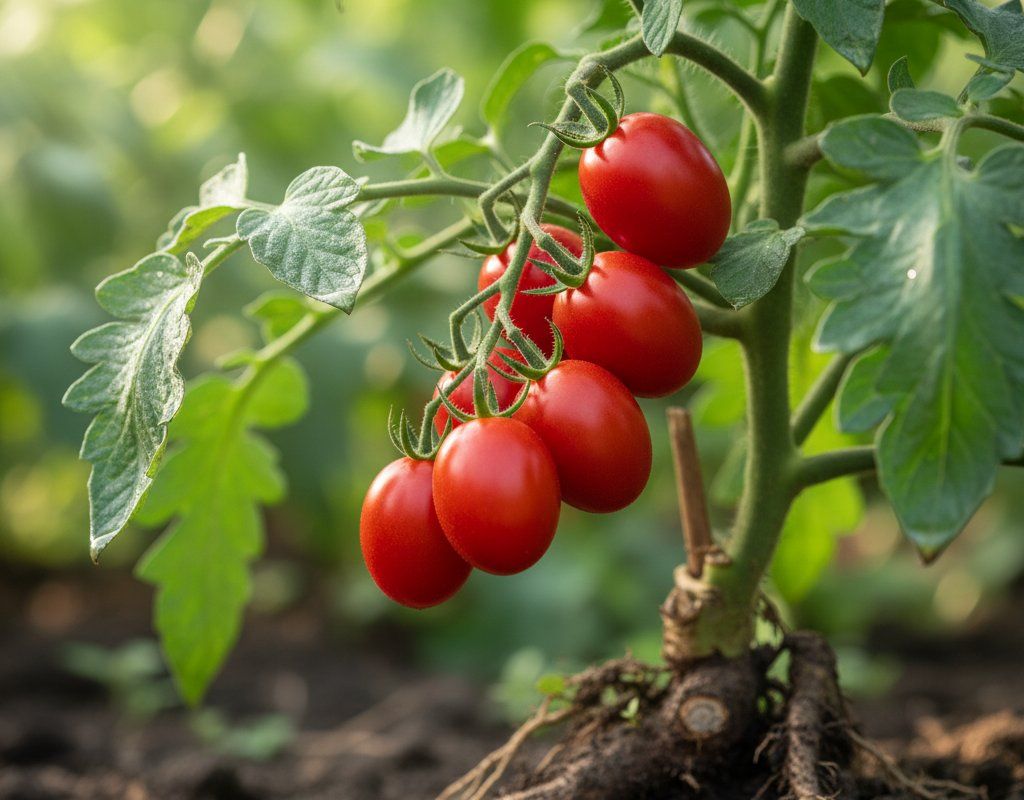
Grape Tomatoes in Zone 9B — Gulf Coast
Solanum lycopersicum var. cerasiforme · Your Complete 2026 Planting Guide
Time to Buy Starts!
Seed starting window passed, but starts are available now.
Buy Starts Now
Head to your local nursery, Home Depot, or farmers market for transplants.
- Look for stocky plants with dark green leaves
- Avoid leggy seedlings or plants already flowering
- Check that roots aren't circling the pot (rootbound)
How to Plant Grape Tomatoes in Zone 9B — Gulf Coast
Here are all your options for getting grape tomatoes in the ground, from the easiest method to more advanced approaches.
Start Seeds Indoors
RecommendedLate December through mid January
around January 2
Then transplant: Mid February through mid March
Start seeds 6-8 weeks before transplanting outdoors.
Buy Starts
Works WellMid February through mid March
around February 13
Plant purchased starts after last frost (January 30).
Direct Sow Seeds
ChallengingDirect sowing is not typical for Grape Tomatoes.
Transplant Outdoors
Timing InfoMid February through mid March
around February 13
Wait until nighttime temperatures stay above 50°F.
You have a nice window — no need to rush.
Overview
Grape tomatoes are the sweet spot between cherry and slicing tomatoes, offering that perfect pop of concentrated flavor in an oblong package that's built for our Gulf Coast heat. With their thicker skins, they resist cracking better than cherry varieties during our intense afternoon storms, and their prolific production means you'll have bowls of these gems for salads, snacking, and roasting all season long. The indeterminate vines thrive in our humid conditions once established, giving you months of continuous harvest.
While our high humidity and disease pressure can challenge tomato growers, grape tomatoes are surprisingly resilient when you get the timing right. Our 319-day growing season means you can start early and harvest well into fall, often producing fruit right up until that first frost in mid-December. The key is working with our climate patterns rather than against them.
Starting Seeds Indoors
Start your grape tomato seeds indoors during late December through mid-January, about 6 weeks before you plan to transplant. This timing takes advantage of our early spring, giving your seedlings time to develop strong root systems before facing the Gulf Coast humidity. Use seed starting trays filled with quality seed starting mix, and keep them in a warm spot around 70-75°F for the fastest germination.
Bottom watering works best for tomato seedlings since it prevents the damping-off issues that our humid conditions can encourage. Set your seed trays in a shallow pan of water and let the soil absorb moisture from below. Once your seedlings develop their first true leaves, provide them with bright light from a south-facing window or grow lights for 12-14 hours daily.
Keep the soil consistently moist but not soggy, and start feeding with diluted liquid fertilizer once they're 3-4 inches tall. By mid-February, your seedlings should be sturdy enough to begin the hardening-off process.
Transplanting Outdoors
Plan to transplant your grape tomato seedlings outdoors from mid-February through mid-March, after the soil has warmed and any threat of our occasional late January frost has passed. Start hardening them off a full week before transplanting by gradually exposing them to outdoor conditions - begin with an hour of morning sun and work up to full days outside. Our Gulf Coast weather can shift quickly in late winter, so watch for those temperature swings that can stress tender seedlings.
Space your plants 24-36 inches apart to ensure good air circulation, which is crucial for preventing the fungal diseases that thrive in our humid conditions. Choose a sunny spot with well-draining soil, since our frequent afternoon storms can lead to waterlogged conditions. If your soil tends to stay wet, consider raised beds or mounded planting areas.
Plant on a calm, overcast day if possible, or wait until late afternoon to avoid transplant shock. Water them in well and consider using tomato cages or stakes at planting time - it's much easier than trying to install support later when the plants are established.
Watering Grape Tomatoes in Zone 9B (Gulf Coast)
Grape tomatoes need consistent moisture throughout our long growing season, typically requiring about 1-2 inches of water per week including rainfall. During our typical hot summers with highs around 93°F, they'll need more frequent watering, especially during dry spells between our afternoon storms. Check soil moisture by inserting your finger 2 inches deep - if it feels dry, it's time to water deeply.
Water at the base of the plants rather than overhead to reduce disease pressure in our very high humidity. Overhead watering combined with our muggy conditions creates the perfect environment for early blight and other fungal problems. A soaker hose or drip irrigation works beautifully for consistent, ground-level watering.
With our wet-year-round climate averaging 50-65 inches annually, you might think watering won't be an issue, but our summer heat can quickly dry out containers and raised beds between storms. Watch for signs of stress: wilting during the hottest part of the day (even with adequate moisture), yellowing lower leaves, or blossom end rot on developing fruit.
Apply a 2-3 inch layer of organic mulch around your plants to maintain even soil moisture and prevent the dry-wet cycles that cause fruit cracking. Pine straw works particularly well in our climate, breaking down slowly and helping maintain consistent soil conditions through our long growing season.
Supporting Your Grape Tomatoes
Install sturdy tomato cages or stakes at planting time since grape tomatoes are vigorous indeterminate growers that will easily reach 6-8 feet tall in our long season. Standard 5-foot tomato cages work well, though you might need to add extra support as the plants grow heavy with fruit. Drive stakes at least 12 inches into the ground to withstand our occasional strong storms during hurricane season.
As the plants grow, gently tie the main stems to your supports using soft materials like cloth strips or tomato ties. Avoid wire or string that can cut into the stems as they thicken. Train the main branches outward around the cage rather than straight up to maximize air circulation - crucial for preventing disease in our humid climate.
Check your supports regularly during hurricane season, reinforcing or adjusting as needed. The combination of heavy fruit production and strong winds can topple even well-supported plants, so consider additional stakes or guy wires for extra protection during storm threats.
Pruning & Maintaining Grape Tomatoes
Grape tomatoes don't require aggressive pruning like large slicing varieties, but removing suckers and lower branches helps maintain good air circulation in our humid conditions. Focus on removing the suckers that grow between the main stem and branches, especially the lower ones that can touch the ground and invite disease. Pinch these off when they're small and tender rather than cutting mature growth.
Remove the lowest set of branches once the plants are established and producing fruit higher up the vine. This prevents soil splash during our frequent afternoon storms and reduces early blight pressure. Also trim any yellowing or diseased leaves promptly, disposing of them in the trash rather than your compost pile.
As your first frost approaches in mid-December, you can top the plants by cutting the growing tips to redirect energy into ripening existing fruit. This strategy helps you maximize your harvest before cold weather ends the season, making the most of every tomato on the vine.
🧪Fertilizing Grape Tomatoes
Feeding Schedule
Organic Fertilizer Options
Harvest Time
Expect your first grape tomatoes from mid-April through early June, about 60 days after transplanting. Look for fruits that have fully colored up - usually deep red, though some varieties may be orange, yellow, or purple. Unlike cherry tomatoes, grape tomatoes have a distinctive oblong shape and slightly thicker skin that gives them a firmer texture when ripe.
Harvest by gently twisting and pulling individual fruits or cutting entire clusters with clean scissors. The thicker skin means they'll keep longer than cherry types, often staying fresh for a week on the counter. Pick regularly to encourage continued production - these plants will keep producing prolifically through our long season if you keep harvesting.
During peak production in late spring and summer, you might be picking every 2-3 days. As temperatures cool in fall, production slows but continues right up until frost. When nighttime temperatures start dropping into the 40s in late November or early December, harvest any remaining green fruit to ripen indoors.
Green grape tomatoes ripen well on a sunny windowsill or in a paper bag with a banana. This strategy lets you extend your harvest even after that first frost hits in mid-December, giving you fresh tomatoes well into winter from your Gulf Coast garden.
Common Problems in Zone 9B (Gulf Coast)
Cracking Splits appear in the tomato skin, either as circles around the stem end or lines radiating outward from the stem. While grape tomatoes resist cracking better than cherry types, they can still split during heavy rain following dry periods. Our afternoon storms can trigger this when soil moisture fluctuates dramatically. Maintain consistent soil moisture with regular watering and a thick mulch layer. Harvest ripe fruit promptly rather than leaving it on the vine during stormy weather.
Blossom End Rot Dark, sunken patches develop on the bottom (blossom end) of the fruit, starting as small spots and expanding into leathery brown or black areas. This isn't a disease but a calcium deficiency caused by inconsistent watering - common in our climate where intense heat can stress plants between afternoon storms. The single best fix is maintaining consistent soil moisture through regular watering and mulching. Remove affected fruit immediately and focus on steady irrigation rather than calcium sprays, which rarely help.
Early Blight Brown spots with distinctive concentric rings (bullseye pattern) appear on lower leaves first, then spread upward as leaves yellow and drop. This fungal disease thrives in our warm, humid conditions and spreads when soil splashes onto leaves during rain. Remove affected leaves immediately and dispose of them in the trash. Mulch heavily to prevent soil splash, water at the base of plants rather than overhead, and ensure good air circulation through proper spacing and pruning.
Gulf Coast Specific Challenges: Our combination of hot heat, very high humidity, and wet-year-round rainfall creates ideal conditions for fungal diseases while stressing plants with extreme temperature swings. The key to success is managing moisture consistently, providing excellent drainage during our heavy storms, and maintaining air circulation to combat the constant humidity that can overwhelm even resistant varieties.
Best Companions for Grape Tomatoes
Plant these nearby for healthier Grape Tomatoes and better harvests.
View Full Companion Planting Chart →



Companion Planting Details
Plant basil alongside your grape tomatoes - it naturally repels aphids and hornworms while thriving in the same hot, humid conditions. Carrots make excellent companions since their deep taproots don't compete with tomato roots, and they help break up heavy clay soils common in our region. Marigolds planted around the bed edges deter nematodes and other soil pests while adding color that attracts beneficial insects to help with pollination and pest control.
Avoid planting brassicas like cabbage or broccoli near tomatoes, as they're heavy nitrogen feeders that compete for nutrients and prefer our cooler fall and winter growing windows anyway. Keep fennel and corn away from your tomato patch - fennel can inhibit tomato growth, while corn attracts the same hornworms that devastate tomato plants and provides them with alternative host plants right when your tomatoes are most vulnerable.
🌸Best Flowers to Plant with Grape Tomatoes
These flowers protect your Grape Tomatoes from pests and attract pollinators for better harvests.
For Pest Control

Get a Reminder When It's Time to Plant
We'll email you when key planting windows open for your zone.