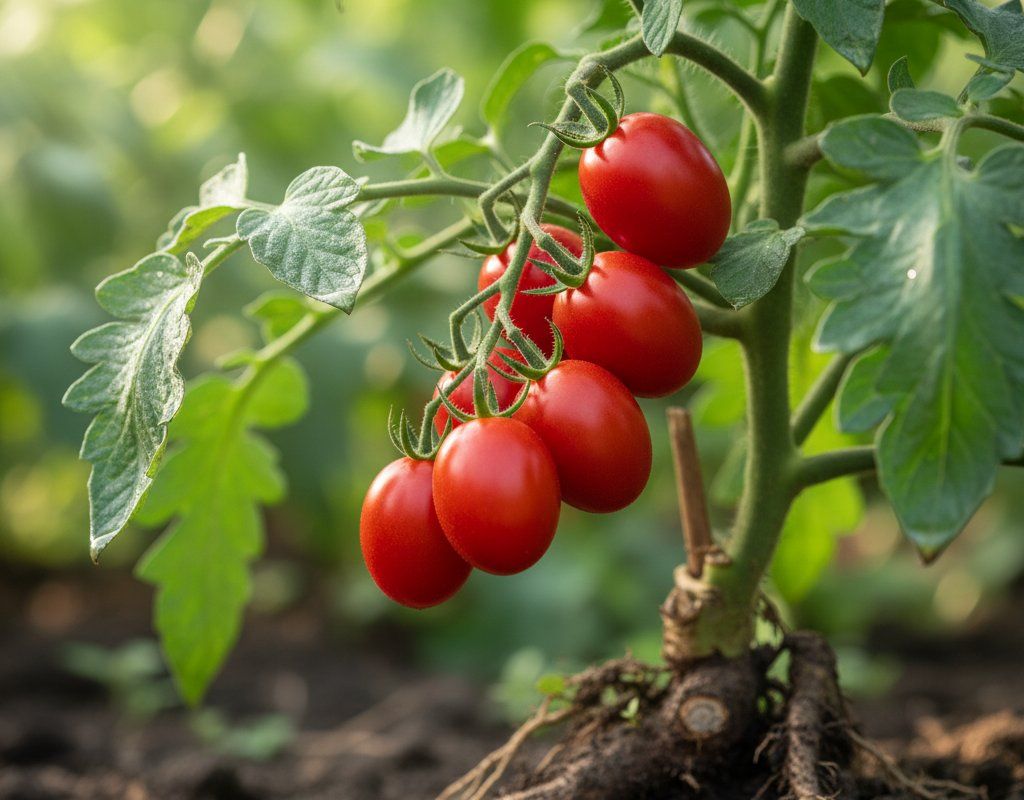
Grape Tomatoes in Zone 9B — Southern California
Solanum lycopersicum var. cerasiforme · Your Complete 2026 Planting Guide
Time to Buy Starts!
Seed starting window passed, but starts are available now.
Buy Starts Now
Head to your local nursery, Home Depot, or farmers market for transplants.
- Look for stocky plants with dark green leaves
- Avoid leggy seedlings or plants already flowering
- Check that roots aren't circling the pot (rootbound)
How to Plant Grape Tomatoes in Zone 9B — Southern California
Here are all your options for getting grape tomatoes in the ground, from the easiest method to more advanced approaches.
Start Seeds Indoors
RecommendedLate December through mid January
around December 28
Then transplant: Early February through early March
Start seeds 6-8 weeks before transplanting outdoors.
Buy Starts
Works WellEarly February through early March
around February 8
Plant purchased starts after last frost (January 25).
Direct Sow Seeds
ChallengingDirect sowing is not typical for Grape Tomatoes.
Transplant Outdoors
Timing InfoEarly February through early March
around February 8
Wait until nighttime temperatures stay above 50°F.
You have a nice window — no need to rush.
Overview
Grape tomatoes thrive in Southern California's year-round growing climate, delivering sweet, bite-sized fruit with thicker skin that stands up beautifully to our hot summers and occasional Santa Ana winds. Unlike delicate cherry varieties, grape tomatoes resist cracking and hold their shape through temperature swings, making them perfect for our semi-arid conditions where consistent watering can be challenging.
While our intense inland heat and occasional water restrictions present challenges, grape tomatoes are surprisingly manageable when you time them right. With our 334-day growing season and mild winters, you can start these indeterminate beauties early and harvest continuously from spring through fall, well before our late December frost arrives.
Starting Seeds Indoors
Start your grape tomato seeds indoors during late December through mid-January, about 6 weeks before you'll transplant them outside. Our very early spring character means you can get these heat-lovers established while it's still cool, giving them time to develop strong root systems before summer heat arrives.
Set up seed trays with quality potting mix and place them in a warm spot (70-75°F works well). A heat mat helps with germination in our cooler winter months. Once seeds sprout, move them to your brightest window or under grow lights for 12-14 hours daily.
Use bottom watering by placing seed trays in shallow pans of water, letting the soil absorb moisture from below. This prevents damping-off and keeps seedlings healthier than overhead watering. Your seedlings will be ready to transplant when they're 4-6 inches tall with their first true leaves fully developed.
Transplanting Outdoors
Transplant your grape tomato seedlings outdoors from early February through early March, after any chance of frost has passed in your area. Even though we rarely see hard freezes, those occasional cold snaps in late January can damage tender transplants, so timing matters.
Harden off your seedlings gradually over one week by placing them outside for increasing periods daily, starting with 2-3 hours in filtered sun and building up to full days. This prevents transplant shock when they encounter our dry air and temperature swings between day and night.
Space plants 24-36 inches apart in full sun locations that receive 6-8 hours of direct sunlight daily. The wider spacing helps with air circulation during our low-humidity summers and gives these vigorous indeterminate plants room to spread without competing for water and nutrients.
Watering Grape Tomatoes in Zone 9B (Southern California)
Grape tomatoes need consistent, deep watering throughout our hot, dry summers, requiring about 1-2 inches per week during peak growing season. Despite their thicker skin making them less prone to cracking than cherry types, inconsistent watering still causes problems like blossom end rot and stress that reduces fruit production.
Water deeply at the base of plants rather than overhead, which works well in our low-to-moderate humidity climate and prevents fungal issues. Use the finger test by pushing 2 inches into the soil near the plant - if it feels dry at that depth, it's time to water. During our typical 92°F summer days, you'll likely need to water every 2-3 days.
Apply a 2-3 inch layer of organic mulch around plants to retain moisture and reduce evaporation - crucial during our winter-wet, summer-dry cycle. Since we only receive 10-20 inches of annual rainfall, mostly in winter, you'll be the primary water source from spring through fall. Watch for wilting in late afternoon as a sign of water stress, and yellowing lower leaves which often indicate inconsistent moisture.
Signs of overwatering include yellowing leaves, soft stems, and fungal growth, while underwatering shows as wilted plants that don't recover in the evening, fruit cracking when you do water, and premature fruit drop. During water restrictions, focus on deep, less frequent watering rather than daily light sprinkling.
Supporting Your Grape Tomatoes
Install sturdy tomato cages or stakes at planting time since grape tomatoes are vigorous indeterminate varieties that can reach 6-8 feet tall in our long growing season. Standard 5-foot tomato cages work well, though you may need to add height with bamboo stakes as plants grow through summer and fall.
Choose support systems that can handle Santa Ana winds - weighted cages or stakes driven 12-18 inches deep prevent toppling during our notorious wind events. Wire cages with 6-inch openings make harvesting easier than smaller mesh, and sturdy metal construction lasts better in our intense sun than plastic versions.
Train main stems loosely to supports using soft ties or strips of fabric, checking and adjusting monthly as plants grow. The goal is guidance, not restriction, since these productive plants need room to branch and spread for maximum fruit production throughout our extended season.
Pruning & Maintaining Grape Tomatoes
Grape tomatoes produce prolifically with minimal pruning compared to large tomato varieties, but removing suckers and lower leaves improves air circulation and fruit quality in our climate. Focus on removing suckers (shoots growing between main stem and branches) when they're 2-4 inches long - easily snapped off with your fingers.
Remove lower leaves that touch the ground or show yellowing to prevent soil-borne diseases from splashing up during watering. This is especially important in our low-humidity environment where good air circulation helps prevent the few fungal issues that do occur. Prune lightly throughout the growing season rather than doing major cuts.
As first frost approaches in late December, you can top plants by pinching growing tips to redirect energy into ripening existing fruit rather than growing new foliage. Since our growing season extends well into fall, this end-of-season pruning maximizes your final harvest before cold weather arrives.
🧪Fertilizing Grape Tomatoes
Feeding Schedule
Organic Fertilizer Options
Harvest Time
Your first grape tomatoes will be ready from early April through late May, about 60 days after transplanting. Look for fully colored fruit with the characteristic oblong shape - they should be firm with just slight give when gently squeezed, and the thick skin should have developed its full red, yellow, or purple color depending on variety.
Harvest by gently twisting and pulling fruit from the cluster, or use clean scissors to cut the stem just above the fruit. The thick skin makes grape tomatoes less likely to bruise than cherry types, but handle them gently to avoid damaging the productive stems. Pick regularly - every 2-3 days during peak season - to encourage continued flowering and fruit set.
These productive plants will continue bearing fruit through our hot summers and well into fall, often until the first frost in late December. During extreme heat waves, harvest slightly early as fruit can become overripe quickly when temperatures soar above 100°F inland.
If frost threatens before all fruit is ripe, harvest mature green tomatoes and ripen them indoors in a paper bag with a banana. The thick skin of grape tomatoes makes them excellent for this method, often ripening to full flavor within a week at room temperature.
Common Problems in Zone 9B (Southern California)
Cracking Concentric circles around the stem or radial lines from top to bottom appear on fruit, sometimes exposing the flesh underneath. While grape tomatoes have thicker skin than cherry types, they can still split when heavy watering follows a dry period - common during our winter-wet, summer-dry cycle. Prevent cracking by maintaining consistent soil moisture with mulch and regular watering schedules. Harvest fruit promptly when ripe, especially before anticipated rain or after you've increased watering frequency.
Blossom End Rot Dark brown or black leathery patches appear on the bottom (blossom end) of fruit, often affecting the first tomatoes of the season. This isn't a disease but a calcium deficiency caused by inconsistent watering - particularly problematic in our semi-arid climate where soil moisture fluctuates dramatically. Water consistently and deeply, maintaining even soil moisture with thick mulch. Don't over-fertilize with nitrogen, which interferes with calcium uptake. Remove affected fruit to redirect plant energy.
Early Blight Brown spots with distinctive target or bullseye patterns appear on lower leaves first, gradually spreading upward until leaves yellow and drop. This fungal disease thrives in warm conditions and spreads through soil splash - manageable in our low-to-moderate humidity but still problematic during irrigation. Remove affected leaves immediately (don't compost), mulch to prevent soil splash, and water at the base rather than overhead. Improve air circulation through proper spacing and light pruning.
Southern California Specific Challenges Our hot, dry summers combined with occasional water restrictions make consistent moisture the biggest challenge for grape tomatoes. The low-to-moderate humidity helps prevent many fungal diseases but intensifies water stress. Santa Ana winds can damage plants and increase water needs, while our winter-wet pattern followed by months of no rain requires careful irrigation management to prevent the wet-dry cycles that cause most tomato problems.
Best Companions for Grape Tomatoes
Plant these nearby for healthier Grape Tomatoes and better harvests.
View Full Companion Planting Chart →



Companion Planting Details
Plant basil near your grape tomatoes - it reportedly improves flavor while repelling aphids and hornworms with its strong scent. Carrots make excellent companions since their deep taproots don't compete with tomatoes' shallow feeding roots, and they help break up soil for better water penetration. Parsley attracts beneficial insects like parasitic wasps that control tomato pests, while marigolds release compounds that deter nematodes and other soil pests common in our year-round growing climate.
Avoid planting brassicas like cabbage, broccoli, or kale nearby since they're heavy nitrogen feeders that compete with tomatoes for nutrients. Fennel inhibits tomato growth through allelopathic compounds, and corn attracts the same pests (particularly hornworms) while creating unwanted shade for your sun-loving tomatoes. In our water-conscious region, group plants with similar watering needs together to maximize irrigation efficiency.
🌸Best Flowers to Plant with Grape Tomatoes
These flowers protect your Grape Tomatoes from pests and attract pollinators for better harvests.
For Pest Control

Get a Reminder When It's Time to Plant
We'll email you when key planting windows open for your zone.