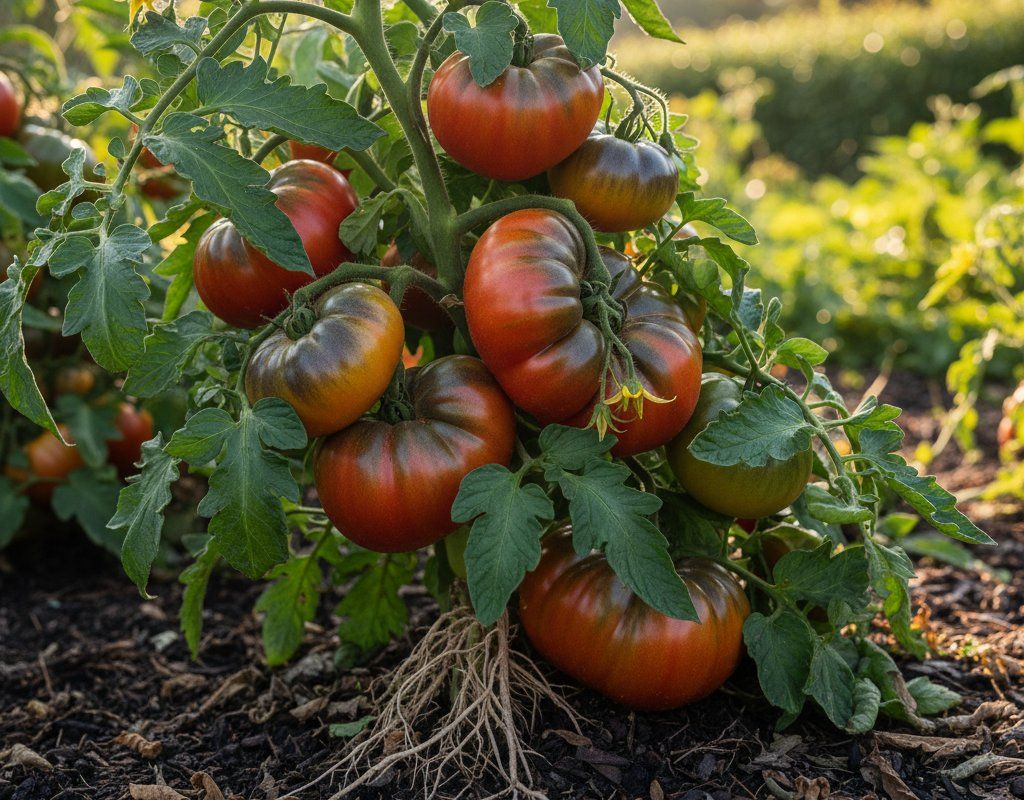
Heirloom Tomatoes in Zone 10A — Desert Southwest
Solanum lycopersicum · Your Complete 2026 Planting Guide
Check Planting Details Below
See the full planting guide for timing information.
How to Plant Heirloom Tomatoes in Zone 10A — Desert Southwest
Here are all your options for getting heirloom tomatoes in the ground, from the easiest method to more advanced approaches.
Start Seeds Indoors
RecommendedMid December through early January
around December 23
Then transplant: Early February through early March
Start seeds 6-8 weeks before transplanting outdoors.
Buy Starts
Works WellEarly February through early March
around February 3
Plant purchased starts after last frost (January 20).
Direct Sow Seeds
ChallengingDirect sowing is not typical for Heirloom Tomatoes.
Transplant Outdoors
Timing InfoEarly February through early March
around February 3
Wait until nighttime temperatures stay above 50°F.
You have a nice window — no need to rush.
Overview
Growing heirloom tomatoes in Zone 10A Desert Southwest gives you access to extraordinary flavors and varieties you'll never find in stores – from sweet Cherokee Purples to tangy Green Zebras. Our 339-day growing season means you can enjoy fresh tomatoes from late April through early December, making the investment in quality plants worthwhile. These open-pollinated varieties have been passed down through generations for good reason: their complex, rich flavors make every hybrid taste like cardboard.
Yes, our extreme heat and arid climate present challenges, but timing is everything in desert gardening. By starting seeds in mid-winter and transplanting in early spring, you'll have vigorous plants producing before the brutal summer heat arrives. The key is working with our two growing seasons rather than fighting against them.
Starting Seeds Indoors
Start your heirloom tomato seeds indoors during mid-December through early January – about 6 weeks before you plan to transplant outdoors. Our very early spring character means you need plants ready to go outside by early February when nighttime lows stay consistently above 50°F.
Set up seed trays with quality seed-starting mix in a warm spot (65-75°F works well). Bottom watering keeps the soil evenly moist without disturbing tiny seeds or encouraging damping-off disease. A heat mat speeds germination, but isn't essential if you have a consistently warm location.
Once seedlings emerge, they need bright light – either a sunny south window or grow lights positioned 2-3 inches above the plants. Keep the soil consistently moist but not soggy, and begin weekly dilute fertilizer once true leaves appear.
Transplanting Outdoors
Transplant your heirloom tomatoes outdoors from early February through early March, timing it for after our last frost period in mid-January. Start hardening off plants one week before transplanting – gradually increasing their outdoor exposure from a few hours to full days.
Space plants 36-48 inches apart to ensure good air circulation in our arid climate. Heirlooms need this extra room since most varieties are indeterminate and will spread considerably. The wide spacing also helps prevent disease issues that plague heirloom varieties more than hybrids.
Watch for late cold snaps during this transplant window. Even though we rarely see hard freezes after mid-January, temperatures can still dip into the upper 30s. Have row cover ready to protect young plants if needed.
Watering Heirloom Tomatoes in Zone 10A (Desert Southwest)
Consistent moisture is absolutely critical for heirloom tomatoes in our arid Desert Southwest climate. These varieties crack more easily than hybrids, and our extreme temperature swings between day and night make consistent watering even more important. Aim for 1-2 inches of water per week, delivered slowly and deeply.
Use the finger test: stick your finger 2 inches into the soil near the plant base. If it feels dry at that depth, it's time to water. During our extreme summer heat (often 105°F+), you may need to water every day or even twice daily for container plants. Always water at soil level rather than overhead – our low humidity means wet foliage stays wet longer, inviting disease.
Watch for signs of stress: wilting during midday heat is normal, but wilting in morning or evening means you need more water. Cracking fruit and blossom end rot indicate inconsistent watering. Yellowing lower leaves often signal overwatering in our clay soils that don't drain well.
Apply 2-3 inches of organic mulch around plants to maintain soil moisture and moderate temperature swings. Avoid mulch against the stem to prevent pest issues, and refresh it monthly as our intense sun breaks it down quickly.
Supporting Your Heirloom Tomatoes
Install sturdy tomato cages or stakes at planting time since most heirloom varieties are indeterminate and grow 6-8 feet tall in our long growing season. Heavy, irregularly shaped heirloom fruits put more stress on branches than uniform hybrids, so your support system needs to handle serious weight.
Heavy-duty tomato cages (at least 5 feet tall) work best for most gardeners, but tall stakes with soft ties give you more control over plant shape. For really vigorous varieties, consider the Florida weave system using stakes and string to support entire rows.
Train main stems upward weekly, gently tying or weaving new growth through cage openings. Start this early while stems are flexible – waiting too long means dealing with thick, brittle stems that snap easily.
Pruning & Maintaining Heirloom Tomatoes
Remove suckers (shoots growing between main stem and branches) regularly to improve air circulation and focus plant energy on fruit production. This is especially important for disease-prone heirloom varieties in our climate where morning dew can linger on dense foliage.
Prune lower branches that touch the ground to prevent soil-borne diseases from splashing up during watering. Remove any yellowing or spotted leaves immediately – don't wait for them to get worse. Good air circulation helps combat the humidity that builds around plants during our monsoon season.
As first frost approaches in late December, stop pruning and let the plant focus energy on ripening existing fruit rather than producing new growth. You can also top the plant (remove the growing tip) in early December to encourage final fruit to ripen before cold weather.
🧪Fertilizing Heirloom Tomatoes
Feeding Schedule
Organic Fertilizer Options
Harvest Time
Expect your first ripe heirloom tomatoes from late April through mid-June, about 80 days after transplanting. Unlike store tomatoes, heirlooms show ripeness through subtle color changes specific to each variety – some stay green-shouldered even when ripe, others develop complex color patterns.
Look for slight softness when gently squeezed and easy separation from the vine with a gentle twist. Don't wait for full softness or tomatoes may crack or attract pests. Harvest in morning when fruits are cool and firm, using clean pruning shears if stems resist gentle pulling.
Keep harvesting regularly to encourage continued production through our long fall season. Plants often produce well into November or even early December until first frost arrives. Remove any green tomatoes before frost and let them ripen indoors on a windowsill.
Store ripe tomatoes at room temperature for best flavor – refrigeration kills the complex taste that makes heirlooms special. Use within a few days of ripening since heirlooms don't have the thick skins and long shelf life of commercial varieties.
Common Problems in Zone 10A (Desert Southwest)
Cracking Concentric circles or radial splits in the tomato skin that expose the flesh underneath. You'll see this most often after heavy monsoon rains or inconsistent watering schedules. Our extreme day-night temperature swings make the problem worse as fruits expand and contract. Maintain consistent soil moisture through regular watering and thick mulch. Harvest fruits as soon as they start showing color – they'll ripen indoors without the stress.
Disease Susceptibility Yellowing leaves, brown spots, wilting despite adequate water, or white powdery coating on foliage. Heirloom varieties lack the disease resistance bred into modern hybrids, making them vulnerable to fungal and bacterial problems that thrive during our humid monsoon period. Improve air circulation with wider spacing and regular pruning. Apply preventive organic fungicide every two weeks during monsoon season. Remove affected leaves immediately and dispose in trash, not compost.
Lower Yields Fewer tomatoes per plant compared to hybrid varieties, with more energy going into flavor development than quantity. This is normal for heirlooms – you trade some production for superior taste and interesting varieties. Choose productive heirloom types like Cherokee Purple or Brandywine for better yields. Consistent watering and feeding help maximize what production you get.
Irregular Shapes Bumpy, ridged, or oddly formed fruits that look nothing like grocery store tomatoes. Poor pollination during cool weather or extreme heat can worsen the problem, but many heirlooms naturally produce unusual shapes. Embrace the character – these "ugly" tomatoes often have the most complex flavors. Save the prettiest for fresh eating and use irregular ones for cooking.
Desert Southwest Specific Challenges: Our extreme heat and intense UV radiation cause sunscald on exposed fruits, while our alkaline soil can lock up nutrients. Use shade cloth during summer months and amend soil with compost to improve nutrient availability. The combination of extreme heat and low humidity stresses plants beyond what most growing guides address.
Best Companions for Heirloom Tomatoes
Plant these nearby for healthier Heirloom Tomatoes and better harvests.
View Full Companion Planting Chart →



Companion Planting Details
Plant basil near your heirloom tomatoes – it naturally repels aphids and whiteflies while improving tomato flavor. Carrots and parsley make excellent ground-level companions since they don't compete for space and their deep taproots help break up our often-compacted desert soils. Marigolds planted throughout the tomato patch deter nematodes and add color while attracting beneficial insects.
Avoid planting brassicas (cabbage, broccoli, kale) near tomatoes since they're heavy feeders that compete for nutrients, and their different watering needs conflict with tomatoes' high moisture requirements. Keep fennel and corn away too – fennel inhibits tomato growth, while corn attracts similar pests and creates unwanted shade in our already-challenging light conditions.
🌸Best Flowers to Plant with Heirloom Tomatoes
These flowers protect your Heirloom Tomatoes from pests and attract pollinators for better harvests.
For Pest Control

Get a Reminder When It's Time to Plant
We'll email you when key planting windows open for your zone.