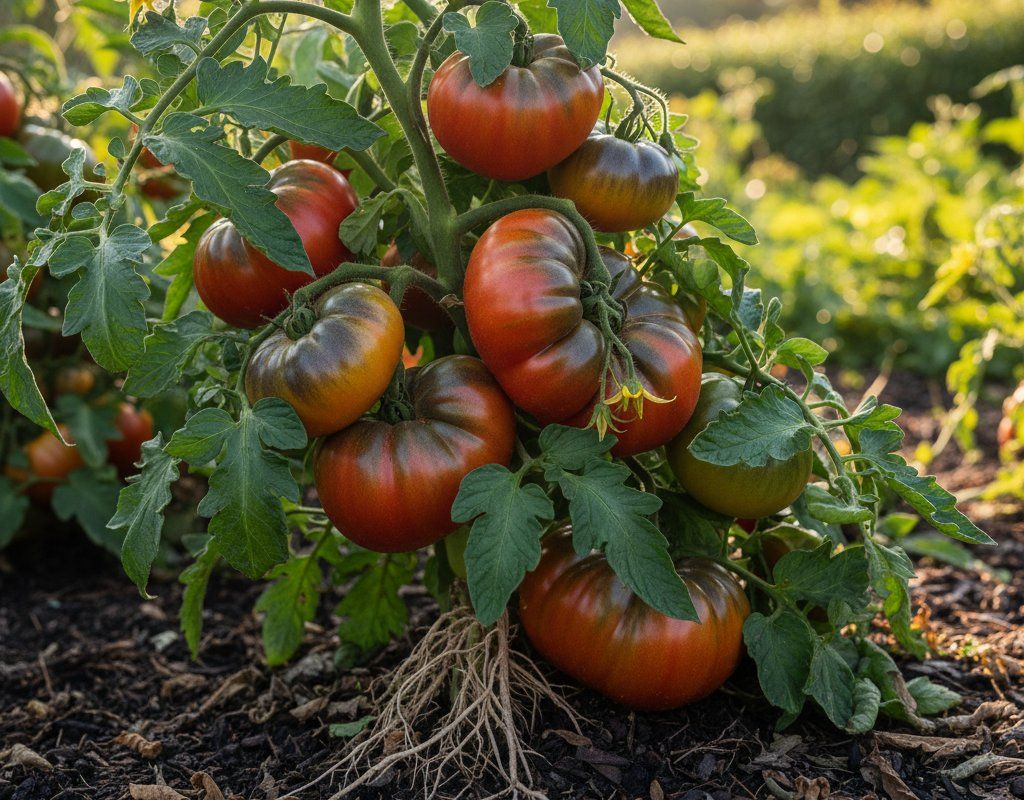
Heirloom Tomatoes in Zone 10B — Southern California
Solanum lycopersicum · Your Complete 2026 Planting Guide
Check Planting Details Below
See the full planting guide for timing information.
How to Plant Heirloom Tomatoes in Zone 10B — Southern California
Here are all your options for getting heirloom tomatoes in the ground, from the easiest method to more advanced approaches.
Start Seeds Indoors
RecommendedEarly to late December
around December 13
Then transplant: Late January through late February
Start seeds 6-8 weeks before transplanting outdoors.
Buy Starts
Works WellLate January through late February
around January 24
Plant purchased starts after last frost (January 10).
Direct Sow Seeds
ChallengingDirect sowing is not typical for Heirloom Tomatoes.
Transplant Outdoors
Timing InfoLate January through late February
around January 24
Wait until nighttime temperatures stay above 50°F.
You have a nice window — no need to rush.
Overview
Heirloom tomatoes are pure magic in Southern California's year-round growing climate. These varieties offer flavors and textures you'll never find at the store — from the sweet complexity of Cherokee Purples to the meaty richness of Brandywines. Our mild winters and long warm season let you enjoy fresh heirloom tomatoes from spring through early winter, giving you months to savor varieties that have been passed down through generations.
While our hot inland summers and occasional water restrictions can challenge these thirsty plants, smart timing takes advantage of our 355-day growing season. Starting seeds in winter and transplanting before the heat kicks in gives your heirlooms the best chance to establish strong root systems. With consistent watering and proper support, you'll harvest incredible tomatoes that make every effort worthwhile.
Starting Seeds Indoors
Start your heirloom tomato seeds indoors during early to late December, about six weeks before your planned transplant date. Southern California's very early spring character means you can get transplants in the ground while nights are still cool and soil moisture is good from winter rains.
Set up seed trays in a warm spot that stays around 70-75°F — a sunny windowsill or heat mat works perfectly. Use quality seed starting mix and keep it consistently moist using bottom watering, which prevents seeds from washing away and encourages strong root development. Your seeds should germinate within 7-10 days in our mild winter temperatures.
Once seedlings develop their first true leaves, provide bright light for 14-16 hours daily. A south-facing window often provides enough light during our sunny winter days, but a grow light ensures stocky, healthy transplants ready for our early spring planting window.
Transplanting Outdoors
Plan to transplant your heirloom tomatoes outdoors from late January through late February, when nighttime temperatures consistently stay above 50°F. This timing takes advantage of our mild winter-to-spring transition and gets plants established before summer heat arrives.
Harden off your seedlings gradually over a week, starting with a few hours of morning sun and working up to full outdoor exposure. Our mild days but occasionally cool nights during this period make gradual acclimatization important for transplant success.
Space plants 36-48 inches apart to ensure good air circulation — this wide spacing is especially important for heirlooms since they're more susceptible to fungal diseases than hybrids. The generous spacing also accommodates their vigorous indeterminate growth habit and makes summer maintenance much easier when temperatures climb.
Watering Heirloom Tomatoes in Zone 10B (Southern California)
Heirloom tomatoes need consistent, deep watering throughout our growing season, requiring about 1-2 inches per week. During winter and spring, natural rainfall often provides adequate moisture, but you'll need to supplement as our dry season begins in late spring and continues through fall.
Check soil moisture using the finger test — stick your finger 2 inches deep near the base of the plant. If it's dry at that depth, it's time to water deeply. Water at soil level rather than overhead to keep foliage dry in our low-to-moderate humidity climate, which helps prevent fungal diseases that heirlooms are prone to developing.
Summer heat inland requires daily attention to watering needs, especially during heat waves when temperatures spike above 95°F. Inconsistent watering is your biggest enemy with heirlooms — they crack more easily than hybrid varieties when soil goes from dry to wet quickly. Install a 2-3 inch layer of mulch around plants to maintain even soil moisture and reduce water loss during our hot, dry summers.
During water restriction periods common in Southern California, focus your limited water on established fruit-bearing plants rather than trying to start new crops. Drip irrigation or soaker hoses deliver water efficiently to root zones without waste, making the most of your allocation while keeping these water-hungry plants productive.
Supporting Your Heirloom Tomatoes
Install strong support systems at planting time since most heirloom varieties are indeterminate and will grow 6-8 feet tall throughout our long growing season. Heavy-duty tomato cages or sturdy wooden stakes work best — heirlooms produce large, irregularly shaped fruit that can snap branches without proper support.
Choose 6-foot tall cages or stakes driven 18 inches deep for stability against Santa Ana winds that can topple unsupported plants. As plants grow, gently tie main stems to supports using soft materials like cloth strips or tomato ties, checking and adjusting ties monthly as stems thicken.
Train plants by weaving growing tips through cage openings or tying to stakes every 12-18 inches of growth. This ongoing maintenance prevents heavy fruit clusters from pulling branches down and ensures good air circulation through the plant canopy during our warm growing season.
Pruning & Maintaining Heirloom Tomatoes
Remove suckers — the shoots that emerge between main stems and branches — throughout the growing season to maintain plant vigor and improve air circulation. This moderate pruning is especially important for heirlooms since they're more susceptible to diseases than hybrid varieties, and good airflow helps prevent fungal issues in our climate.
Prune lower leaves that touch the ground and any yellowing or diseased foliage promptly. During mid-summer, remove some interior branches to open up the plant canopy, allowing better light penetration and air movement during hot weather. This also makes harvesting easier as fruits develop.
As first frost approaches in late December, top the plants by pinching growing tips to encourage remaining fruits to ripen. You can also prune heavily to redirect energy into ripening existing tomatoes rather than producing new flowers that won't have time to develop before winter weather arrives.
🧪Fertilizing Heirloom Tomatoes
Feeding Schedule
Organic Fertilizer Options
Harvest Time
Expect your first harvest from mid-April through early June, about 80 days after transplanting in our favorable growing climate. Unlike hybrids, heirloom varieties ripen at different rates and show varying color patterns — some maintain green shoulders even when fully ripe, while others develop deep, rich colors throughout.
Look for slight softness when you cup the fruit gently and easy detachment from the vine with light upward pressure. The stem end often develops a sweet aroma when fruits are ready, and the skin should have a slight give without being mushy. Color varies dramatically by variety, so learn your specific heirloom's ripe appearance.
Harvest regularly every 2-3 days during peak season to encourage continued production throughout our extended growing period. Cut fruits with clean shears rather than pulling to avoid damaging the vine and future fruit clusters. Handle carefully since heirloom skins are often thinner and more delicate than hybrid varieties.
As late December approaches and first frost threatens, harvest all remaining green tomatoes and ripen them indoors on windowsills or in paper bags. Our mild winters often allow continued outdoor harvesting well into December, giving you fresh tomatoes months longer than most regions enjoy.
Common Problems in Zone 10B (Southern California)
Cracking Fruit develops splits in the skin, either as concentric circles around the stem or radial lines extending down from the top. These cracks can expose flesh to rot and make tomatoes unmarketable, though they're still edible if used quickly.
This happens when heavy watering or rain follows a dry period, causing fruit to absorb water faster than the skin can expand. Our winter-wet, summer-dry climate creates perfect conditions for this problem if you don't maintain consistent soil moisture. Some heirloom varieties are naturally more crack-prone than others.
Prevent cracking by maintaining consistent soil moisture through regular deep watering and a thick mulch layer. During our dry season, check soil daily and water before it becomes completely dry. Harvest promptly when fruits ripen, and choose crack-resistant heirloom varieties if this is a persistent problem in your garden.
Disease Susceptibility Plants develop various fungal and bacterial diseases including early blight, late blight, and bacterial wilt. You'll see yellowing leaves, brown spots, wilting, or stem lesions that can eventually kill the plant or severely reduce production.
Heirloom varieties lack the disease resistance genes bred into modern hybrids, making them more vulnerable to pathogens that thrive in our warm, humid microclimates around irrigation systems. Poor air circulation and overhead watering in our low-to-moderate humidity climate can encourage disease development.
Improve air circulation through wider spacing and regular pruning of lower branches. Water at soil level rather than overhead, and apply preventative organic fungicides early in the season. Remove affected foliage immediately and dispose of it away from the garden. Rotate tomato crops to different garden areas each year.
Lower Yields Heirloom plants often produce fewer total fruits than hybrid varieties, with harvest concentrated in shorter periods rather than steady production throughout the season.
This is characteristic of open-pollinated varieties that haven't been bred for maximum production like modern hybrids. Environmental stress from heat, inconsistent watering, or poor soil conditions can further reduce yields in heirloom varieties.
Accept that heirlooms trade quantity for quality — the exceptional flavor makes up for smaller harvests. Ensure optimal growing conditions with rich soil, consistent moisture, and protection from extreme heat during summer. Plant a few more heirloom plants than you would hybrids to compensate for lower individual plant yields.
Irregular Shapes Fruits develop unusual bumps, ridges, deep ribbing, or uneven shapes that look nothing like store-bought tomatoes. While edible, they can be difficult to slice evenly and may not fit standard preservation methods.
This is a natural characteristic of many heirloom varieties, part of their genetic heritage and charm. Cool temperatures during fruit set or poor pollination can also cause irregular development, which can happen during late fall in our climate.
Embrace the character — irregular heirlooms often have the most complex, delicious flavors. If uniform appearance matters for specific uses, choose paste-type heirlooms or grow a few hybrid varieties alongside your heirlooms for slicing and preservation needs.
Southern California Specific Challenges: Our hot inland summers stress heirloom tomatoes more than heat-tolerant hybrids, while water restrictions can make maintaining the consistent moisture these plants need challenging. Santa Ana winds can damage unsupported plants, and our extended fire season sometimes forces early harvest to protect plants from smoke damage or evacuation requirements.
Best Companions for Heirloom Tomatoes
Plant these nearby for healthier Heirloom Tomatoes and better harvests.
View Full Companion Planting Chart →



Companion Planting Details
Plant basil alongside your heirloom tomatoes — it naturally repels aphids and whiteflies while thriving in similar water and sun conditions throughout our long growing season. Carrots make excellent companions since their deep roots don't compete with tomato surface feeders, and they help break up soil for better water penetration during our dry months. Parsley attracts beneficial insects that prey on tomato pests, while marigolds planted around the edges deter nematodes and other soil-dwelling pests common in our year-round growing climate.
Avoid planting brassicas like cabbage or broccoli near tomatoes since they compete heavily for nutrients and can attract pests that also target tomatoes. Keep fennel away from your tomato patch as it releases compounds that can stunt tomato growth. Corn creates too much shade for these sun-loving plants and attracts earworms that also damage tomato fruits in our warm climate.
🌸Best Flowers to Plant with Heirloom Tomatoes
These flowers protect your Heirloom Tomatoes from pests and attract pollinators for better harvests.
For Pest Control

Get a Reminder When It's Time to Plant
We'll email you when key planting windows open for your zone.