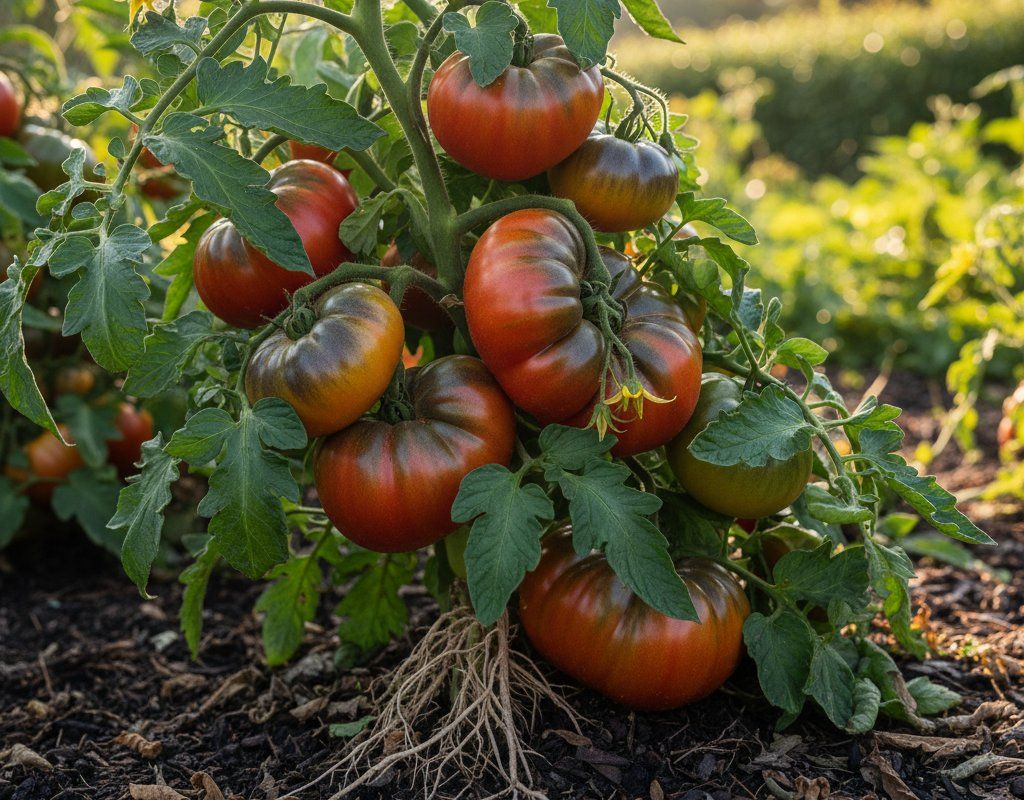
Heirloom Tomatoes in Zone 4B — Mountain West
Solanum lycopersicum · Your Complete 2026 Planting Guide
Planning Ahead — Great!
You’re ahead of the season. Here’s when to start.
Mark Your Calendar
How to Plant Heirloom Tomatoes in Zone 4B — Mountain West
Here are all your options for getting heirloom tomatoes in the ground, from the easiest method to more advanced approaches.
Start Seeds Indoors
RecommendedEarly April through early May
around April 17
Then transplant: Late May through mid June
Start seeds 6-8 weeks before transplanting outdoors.
Buy Starts
Works WellLate May through mid June
around May 29
Plant purchased starts after last frost (May 15).
Direct Sow Seeds
ChallengingDirect sowing is not typical for Heirloom Tomatoes.
Transplant Outdoors
Timing InfoLate May through mid June
around May 29
Wait until nighttime temperatures stay above 50°F.
Plan to transplant within a few weeks of your target date.
Overview
Heirloom tomatoes bring unmatched flavor and satisfaction to Mountain West gardens, offering taste complexity that puts grocery store varieties to shame. These open-pollinated treasures thrive in our intense high-altitude sunlight, and our cool nights actually concentrate their flavors beautifully. The dry air reduces many common disease problems, while our alkaline soil provides excellent drainage that tomatoes love.
Yes, our short 128-day growing season and late spring make timing critical, but with indoor starts and proper planning, you'll harvest incredible tomatoes from mid-August through first frost. The key is working with our Mountain climate - starting seeds early enough to beat our mid-September frost, but not so early that seedlings outgrow their space during our famously unpredictable spring weather.
Starting Seeds Indoors
Start your heirloom tomato seeds indoors during early April through early May, about 6 weeks before you plan to transplant outside. Our late Mountain springs make indoor starting essential - there's simply no way to direct sow tomatoes and get a harvest before frost hits.
Set up seed trays in a warm spot (70-75°F soil temperature works best) with good light once they germinate. A south-facing window works, but grow lights give more consistent results during our variable spring weather. Bottom watering prevents damping-off disease and keeps soil moisture even, which is crucial for strong seedling development.
Plan your timing around our transplant window of late May through mid-June. Six weeks before late May means starting seeds in early to mid-April, giving you flexibility to work around any late spring storms or temperature swings that might delay outdoor planting.
Transplanting Outdoors
Transplant your heirloom tomato seedlings outdoors from late May through mid-June, after nighttime temperatures consistently stay above 50°F. Our Mountain springs can fool you with warm days, but those cold nights will stunt or kill tender tomato plants faster than you'd think.
Harden off seedlings gradually over a week, starting with just an hour or two outdoors in filtered sunlight and building up to full days. This process is especially important at our altitude where UV intensity can shock unprepared plants. Space plants 36-48 inches apart - heirloom tomatoes are vigorous growers, and good air circulation helps prevent the disease issues these varieties are prone to.
Watch for late spring hail and be ready to protect newly transplanted tomatoes with buckets, row covers, or even cardboard boxes. A single hailstorm can destroy weeks of careful indoor growing, so keep protection materials handy through June.
Watering Heirloom Tomatoes in Zone 4B (Mountain West)
Heirloom tomatoes need consistent, deep watering throughout our dry Mountain summers - typically 1-2 inches per week including any rainfall we might get. Our 10-20 inches of annual precipitation means you'll be providing most of their water needs through irrigation, especially during peak growing season in July and August.
Water deeply at soil level rather than overhead to reduce disease pressure and make every drop count in our low humidity. The finger test works perfectly here - stick your finger 2 inches into the soil near the plant base. If it's dry at that depth, it's time to water deeply. Our intense sun and dry air mean soil dries out faster than you might expect, even with moderate 85°F temperatures.
Inconsistent watering causes fruit cracking, a major problem with heirloom varieties. They're much more prone to splitting than hybrid tomatoes when they get heavy rain or irrigation after a dry spell. Mulch around plants with grass clippings or straw to maintain even soil moisture and reduce water evaporation in our arid climate.
Check soil moisture every 2-3 days during peak summer, more frequently during hot spells or windy weather that increases evaporation. Wilted leaves in morning or evening signal serious water stress - during our intense midday sun, some temporary wilting is normal even in well-watered plants.
Supporting Your Heirloom Tomatoes
Install sturdy cages or stakes at planting time since most heirloom tomatoes are indeterminate varieties that grow 6-8 feet tall or more. Heavy-duty tomato cages work well, but many gardeners prefer 6-foot stakes with soft ties since heirloom fruit can be surprisingly heavy and irregularly shaped, putting extra stress on support structures.
Strong support becomes even more critical in our Mountain winds, which can snap branches or topple entire plants loaded with fruit. Drive stakes at least 18 inches into the ground and use multiple tie points as plants grow. Our intense UV can weaken plastic ties quickly, so check and replace them regularly throughout the season.
Train main stems up your supports and tie them loosely every 12-18 inches of growth. Use soft materials like cloth strips or velcro ties that won't cut into stems as they thicken. The goal is keeping heavy fruit clusters off the ground while allowing stems to flex naturally in our frequent afternoon breezes.
Pruning & Maintaining Heirloom Tomatoes
Remove suckers (shoots growing between main stem and branches) regularly to focus plant energy on fruit production rather than excessive foliage. This is especially important with vigorous heirloom varieties that can become overgrown quickly in our intense sunlight. Pinch out suckers when they're small and soft - they snap off easily without tools.
Strip off lower leaves that touch the ground or show any disease signs, maintaining good air circulation around the plant base. Our dry air helps prevent many fungal problems, but removing diseased foliage promptly keeps issues from spreading. Work in the garden when plants are dry to avoid accidentally spreading disease on your hands or tools.
As first frost approaches in mid-September, top plants by pinching growing tips to direct energy into ripening existing fruit rather than setting new flowers. You can also reduce watering slightly in late August to encourage ripening, though don't let plants become severely stressed during our final intense heat spells.
🧪Fertilizing Heirloom Tomatoes
Feeding Schedule
Organic Fertilizer Options
Harvest Time
Expect your first ripe heirloom tomatoes from mid-August through mid-September, about 80 days after transplanting. Unlike uniform hybrid varieties, heirloom tomatoes ripen in their own unique patterns - some stay green-shouldered, others develop complex color patterns that signal peak flavor rather than just red color.
Harvest when tomatoes give slightly to gentle pressure and detach easily from the vine with a slight twist. Many heirlooms will have soft spots or irregular colors when perfectly ripe - this is normal and often indicates the best flavor. Pick regularly to encourage continued production through our relatively short harvest window.
As mid-September frost approaches, harvest all large green tomatoes for indoor ripening. Wrap individual fruits in newspaper and store in a cool, dark place where they'll ripen over several weeks. This extends your harvest well into October, making the most of every tomato from your short-season garden.
Pull entire plants before hard frost and hang them upside down in a garage or basement. Green tomatoes will continue ripening on the vine for weeks, giving you fresh heirloom tomatoes into November despite our early frost dates.
Common Problems in Zone 4B (Mountain West)
Fruit Cracking Concentric circles or radial splits in the tomato skin that expose the flesh underneath. You'll see this most often after heavy watering following a dry period, or after one of our occasional summer thunderstorms. The fruit absorbs water faster than the skin can stretch, causing splits that invite rot and insects. Maintain consistent soil moisture through regular deep watering and mulching. Our dry climate makes this easier to control than in humid regions - just stay consistent with your irrigation schedule and harvest ripe fruit promptly.
Disease Susceptibility Yellowing leaves, brown spots, wilting, or fuzzy growth on foliage and stems. Heirloom varieties lack the disease resistance bred into modern hybrids, making them more vulnerable to fungal and bacterial problems. However, our low humidity provides a natural advantage against many common tomato diseases. Space plants wider than recommended (48 inches instead of 36), prune for good air circulation, and remove affected leaves immediately. Water at soil level, not on foliage, to keep leaves dry in our arid climate.
Lower Yields Fewer tomatoes per plant compared to hybrid varieties, though each fruit often has superior flavor. This is simply the trade-off with heirloom genetics - they weren't bred for maximum production like modern varieties. Our short 128-day season compounds this issue since plants have less time to produce. Maximize yields by starting seeds early, providing excellent growing conditions, and choosing varieties specifically selected for shorter seasons. Focus on flavor over quantity - a few perfect heirloom tomatoes beat a basket of bland hybrids.
Irregular Shapes Bumpy, ridged, or oddly-shaped fruit that looks nothing like store-bought tomatoes. This is actually a feature, not a bug - most heirloom varieties were selected for flavor, not appearance. Cool nighttime temperatures during fruit set can increase irregular shapes, which happens regularly in our Mountain climate. Embrace the character - these "ugly" tomatoes often have the most complex flavors. If appearance matters for specific uses, choose naturally uniform varieties like Brandywine or Stupice.
Mountain West Specific Challenges Our intense UV can cause sunscald on exposed fruit, so maintain adequate foliage cover or use shade cloth during extreme heat. Hail poses a serious threat to soft heirloom tomatoes - keep protection materials ready during storm season. The combination of alkaline soil and high altitude can affect nutrient uptake, so regular feeding with acidifying fertilizers helps maintain plant health throughout our demanding growing conditions.
Best Companions for Heirloom Tomatoes
Plant these nearby for healthier Heirloom Tomatoes and better harvests.
View Full Companion Planting Chart →



Companion Planting Details
Plant basil near your heirloom tomatoes - it naturally repels many insects that bother tomatoes and actually seems to improve fruit flavor. Carrots work well as ground-level companions since their taproots don't compete with tomato roots, and they help break up our often-compacted Mountain soils. Marigolds planted around the bed edges deter nematodes and many flying pests while adding color to your garden.
Avoid planting brassicas (cabbage family) or fennel near tomatoes as they can stunt growth or attract different pest problems. Corn creates too much shade and competition for nutrients in our already-challenging short season, plus it can harbor similar pests. Keep companions to lower-growing plants that won't compete with your tomatoes for our precious intense sunlight.
🌸Best Flowers to Plant with Heirloom Tomatoes
These flowers protect your Heirloom Tomatoes from pests and attract pollinators for better harvests.
For Pest Control

Get a Reminder When It's Time to Plant
We'll email you when key planting windows open for your zone.