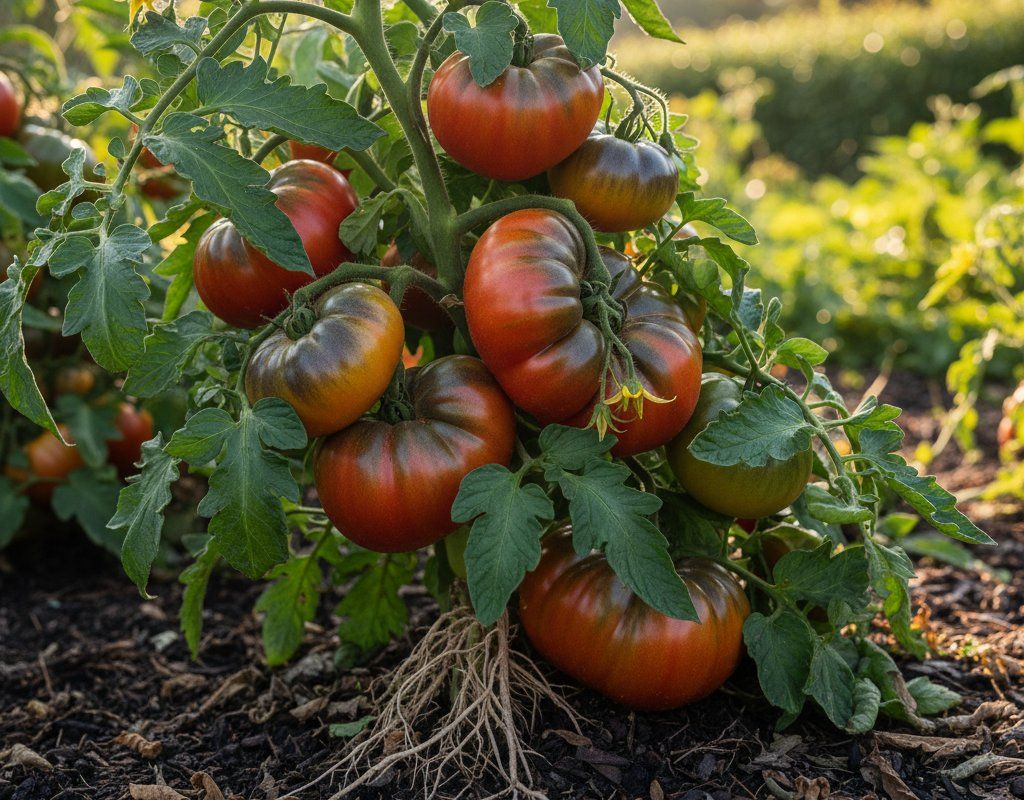
Heirloom Tomatoes in Zone 4B — Northeast
Solanum lycopersicum · Your Complete 2026 Planting Guide
Planning Ahead — Great!
You’re ahead of the season. Here’s when to start.
Mark Your Calendar
How to Plant Heirloom Tomatoes in Zone 4B — Northeast
Here are all your options for getting heirloom tomatoes in the ground, from the easiest method to more advanced approaches.
Start Seeds Indoors
RecommendedEarly to late April
around April 12
Then transplant: Late May through late June
Start seeds 6-8 weeks before transplanting outdoors.
Buy Starts
Works WellLate May through late June
around May 24
Plant purchased starts after last frost (May 10).
Direct Sow Seeds
ChallengingDirect sowing is not typical for Heirloom Tomatoes.
Transplant Outdoors
Timing InfoLate May through late June
around May 24
Wait until nighttime temperatures stay above 50°F.
You have a nice window — no need to rush.
Overview
Growing heirloom tomatoes in our Zone 4B Northeast gardens is one of the most rewarding challenges you can take on. These varieties offer flavors that put any grocery store tomato to shame — from the sweet complexity of a Brandywine to the perfect acidity of a Cherokee Purple. Our cool nights actually enhance flavor development, creating that perfect balance of sugars and acids that makes heirloom tomatoes worth every bit of extra effort.
Yes, our short 138-day growing season and late spring makes heirloom tomatoes more challenging than in warmer zones, but the timing is absolutely manageable with indoor starting. You'll need to be strategic about variety selection and start seeds indoors, but that just means you'll appreciate each ripe tomato that much more when harvest time arrives in late summer.
Starting Seeds Indoors
Start your heirloom tomato seeds indoors during early to late April, about six weeks before your planned transplant date. This timing works perfectly with our late Northeast spring — you'll have strong seedlings ready just as soil temperatures finally warm up in late May. Set up seed trays in a warm spot (70-75°F) and provide good light once seedlings emerge, either from a south-facing window or grow lights.
Bottom watering works best for tomato seedlings — place your seed trays in a larger tray of water and let the soil absorb moisture from below. This prevents damping-off disease and keeps the soil evenly moist without waterlogging. Keep seedlings warm and gradually introduce them to cooler temperatures as transplant time approaches.
Since our spring weather can be unpredictable, having that full six-week indoor growing period gives your plants the head start they need to make the most of our relatively short summer growing season.
Transplanting Outdoors
Transplant your heirloom tomatoes outdoors from late May through late June, once nighttime temperatures consistently stay above 50°F and soil has warmed to at least 60°F. In our region, this timing usually coincides with when the threat of late frost has passed, though you should always check the extended forecast before planting. Space plants 36-48 inches apart — heirloom varieties tend to be vigorous indeterminate growers that need room for good air circulation.
Harden off your seedlings for a full week before transplanting by gradually exposing them to outdoor conditions. Start with just an hour or two of filtered sunlight and work up to full days outside. Our cool Northeast nights can shock tender seedlings, so this gradual transition is especially important here.
Choose a calm, overcast day for transplanting if possible. Plant deeply, burying about two-thirds of the stem to encourage strong root development. This extra root system will serve you well during our sometimes unpredictable summer weather patterns.
Watering Heirloom Tomatoes in Zone 4B (Northeast)
Heirloom tomatoes need consistent, deep watering throughout our Northeast growing season — about 1-2 inches per week including rainfall. Our region's moderate summer heat and humidity actually work in your favor here, as you won't face the extreme water demands that gardeners in hotter climates deal with. However, consistency is absolutely crucial because heirlooms are much more prone to cracking than hybrid varieties.
Use the finger test to check soil moisture: stick your finger 2 inches into the soil near the plant base. If it's dry at that depth, it's time to water. Water deeply at the base of plants rather than overhead — our moderate-to-humid conditions can promote fungal diseases if foliage stays wet too long. A soaker hose or drip irrigation works perfectly for tomatoes.
Watch for signs of stress: wilting during the heat of the day (even with adequate soil moisture) is normal, but wilting in morning or evening indicates underwatering. Overwatering shows up as yellowing lower leaves and poor fruit development. Our even 40-50 inches of annual rainfall means you'll supplement rather than provide all moisture, but don't rely on sporadic summer storms for consistent watering.
Apply a 2-3 inch layer of organic mulch around plants to maintain even soil moisture. This is especially helpful in our rocky New England soil, which can drain quickly and create the wet-dry cycles that cause fruit cracking.
Supporting Your Heirloom Tomatoes
Install sturdy cages or stakes at planting time — heirloom tomatoes are typically indeterminate varieties that will grow 6-8 feet tall in our region. The irregular, often large fruits that make heirlooms so special also make them heavy, requiring stronger support than you might expect. Use 6-foot tall cages made from concrete reinforcing wire, or drive 8-foot stakes 2 feet into the ground for tying support.
As plants grow, gently train the main stems through cage openings or tie them loosely to stakes with soft materials like cloth strips. Check ties regularly and loosen them as stems thicken. The goal is to keep heavy fruit clusters off the ground where they'll rot, and to maintain good air circulation through the plant.
Don't wait to add support — once plants are established and growing vigorously in our short but productive summer, they'll quickly outgrow any support system you try to retrofit around them.
Pruning & Maintaining Heirloom Tomatoes
Remove suckers (shoots that grow in the crotch between main stem and branches) when they're small and easy to pinch off with your fingers. This focuses the plant's energy into fewer, more productive branches and improves air circulation — important for heirlooms since they're more disease-susceptible than hybrids. Don't remove every sucker; leave 2-3 main stems for good production.
Strip off lower leaves that touch the ground as the season progresses, and remove any diseased or yellowing foliage immediately. Good air circulation is especially important in our moderate-to-humid summer conditions. By mid-summer, remove leaves below the first fruit cluster to reduce disease pressure.
As first frost approaches in late September, pinch growing tips to redirect energy into ripening existing fruit rather than producing new flowers. This "topping" gives you the best chance of harvesting mature tomatoes before frost ends the season.
🧪Fertilizing Heirloom Tomatoes
Feeding Schedule
Organic Fertilizer Options
Harvest Time
Expect your first ripe heirloom tomatoes from mid-August through late September, depending on variety and when you transplanted. With 80 days to maturity, varieties planted in late May will start producing in mid-August, while later transplants will push harvest closer to our first frost date. This timing makes variety selection crucial — choose early-maturing heirlooms to maximize your harvest window.
Harvest when tomatoes have developed their full color and give slightly to gentle pressure. Unlike store-bought tomatoes, many heirloom varieties maintain some green shoulders even when fully ripe. The fruit should detach easily from the vine with a gentle twist. Don't wait for tomatoes to get soft on the vine — harvest at peak ripeness for best flavor and to encourage continued production.
Check plants every 2-3 days during peak season, as ripe tomatoes can quickly become overripe in our August heat. If you can't use them immediately, store ripe tomatoes at room temperature for best flavor. Pick green tomatoes before first frost and ripen them indoors on a sunny windowsill — they won't have quite the same flavor as vine-ripened, but they're still far superior to store-bought.
Near season's end, harvest all green tomatoes larger than golf ball size and bring them inside to ripen. Wrap individual green tomatoes in newspaper and store in a cool, dark place for gradual ripening into fall.
Common Problems in Zone 4B (Northeast)
Cracking What it looks like: Splits in the tomato skin, either as concentric circles around the stem or radial lines radiating outward from the top. These cracks can expose the flesh and lead to rot. What causes it: Our region's variable summer rainfall creates the perfect conditions for cracking. Heavy rain or watering after a dry period causes fruit to absorb water faster than the skin can expand. Some heirloom varieties are particularly prone to this. How to fix it: Maintain consistent soil moisture with regular watering and mulching. During rainy spells, consider covering plants with a temporary shelter. Harvest tomatoes promptly when ripe, and choose crack-resistant varieties if this becomes a persistent problem.
Disease Susceptibility What it looks like: Brown or black spots on leaves, yellowing foliage, wilting despite adequate moisture, or dark lesions on stems and fruit. Multiple disease issues may appear throughout the season. What causes it: Heirloom varieties lack the disease resistance bred into modern hybrids, making them vulnerable to our region's humid summer conditions that favor fungal and bacterial diseases. How to fix it: Space plants wider (48 inches), prune for air circulation, and water at soil level rather than overhead. Apply preventative organic fungicide early in the season. Remove diseased foliage immediately and rotate crop locations annually.
Lower Yields What it looks like: Fewer tomatoes per plant compared to hybrid varieties, with some plants producing only 10-15 fruits versus 30-40 for hybrids. What causes it: Heirlooms prioritize flavor over production, and our shorter growing season limits the number of fruit cycles possible. Cool spring temperatures can also affect early fruit set. How to fix it: Accept that quality trumps quantity with heirlooms. Choose early-maturing varieties and provide optimal growing conditions. Consider growing a mix of heirloom and hybrid varieties to balance flavor and production goals.
Irregular Shapes What it looks like: Tomatoes with unusual shapes, deep ridges, bumps, or catfacing (deep creases and scars). Fruit may be lopsided or have an uneven surface. What causes it: This is often a characteristic feature of heirloom varieties, though poor pollination during our cool spring nights can worsen the effect. How to fix it: Embrace the character — irregularly shaped heirlooms often have exceptional flavor. If appearance matters for preserving or market sales, choose more uniform heirloom varieties or stick with hybrids for those purposes.
Northeast Specific Challenges Our moderate summer heat and humid conditions create ideal conditions for fungal diseases, while our short growing season demands early varieties and season extension techniques. The combination of rocky New England soil and variable rainfall patterns makes consistent moisture management particularly challenging for crack-prone heirloom varieties.
Best Companions for Heirloom Tomatoes
Plant these nearby for healthier Heirloom Tomatoes and better harvests.
View Full Companion Planting Chart →



Companion Planting Details
Plant basil alongside your heirloom tomatoes — it naturally repels aphids and hornworms while thriving in similar growing conditions. The aromatic oils may also enhance tomato flavor, and you'll have both ingredients ready for peak-of-summer caprese salads. Carrots make excellent companions too, as their deep taproots break up our often rocky soil without competing for surface nutrients that tomatoes need.
Marigolds planted around the tomato bed help deter nematodes and other soil pests, while parsley attracts beneficial insects that prey on tomato hornworms. Avoid planting brassicas like cabbage or broccoli nearby, as they can stunt tomato growth and compete for similar nutrients. Keep fennel and corn away from tomatoes as well — fennel inhibits tomato growth, and corn attracts the same hornworms that devastate tomato plants.
🌸Best Flowers to Plant with Heirloom Tomatoes
These flowers protect your Heirloom Tomatoes from pests and attract pollinators for better harvests.
For Pest Control

Get a Reminder When It's Time to Plant
We'll email you when key planting windows open for your zone.