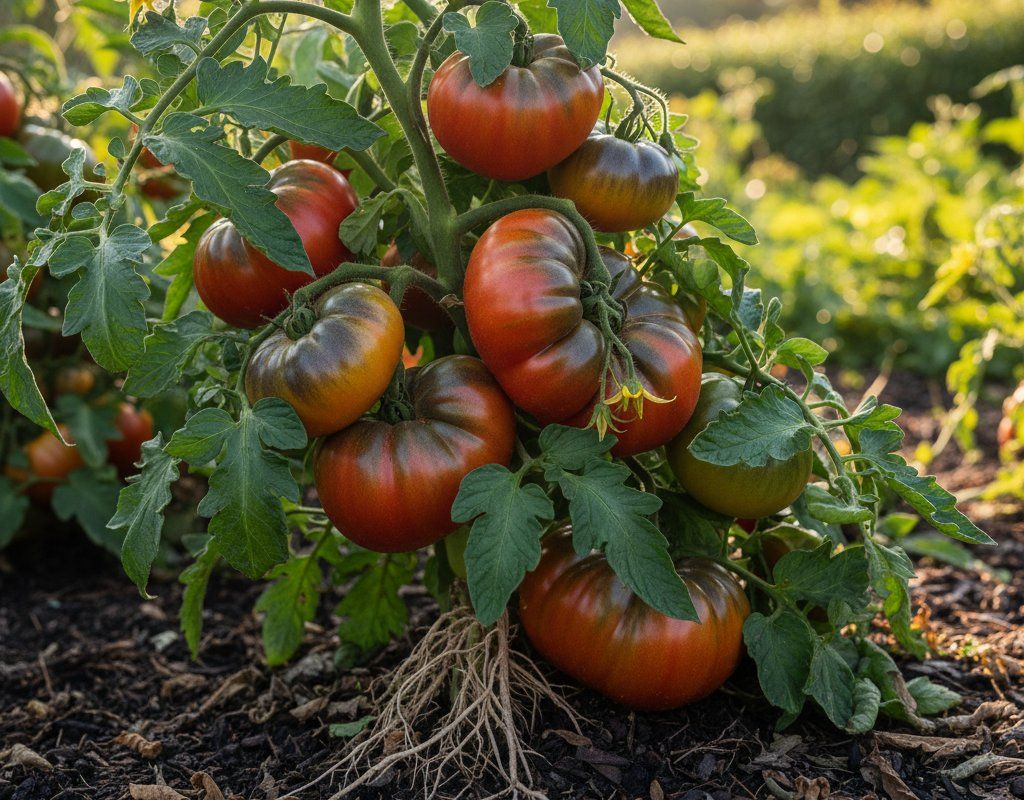
Heirloom Tomatoes in Zone 5B — Mountain West
Solanum lycopersicum · Your Complete 2026 Planting Guide
Planning Ahead — Great!
You’re ahead of the season. Here’s when to start.
Mark Your Calendar
How to Plant Heirloom Tomatoes in Zone 5B — Mountain West
Here are all your options for getting heirloom tomatoes in the ground, from the easiest method to more advanced approaches.
Start Seeds Indoors
RecommendedLate March through late April
around April 7
Then transplant: Mid May through mid June
Start seeds 6-8 weeks before transplanting outdoors.
Buy Starts
Works WellMid May through mid June
around May 19
Plant purchased starts after last frost (May 5).
Direct Sow Seeds
ChallengingDirect sowing is not typical for Heirloom Tomatoes.
Transplant Outdoors
Timing InfoMid May through mid June
around May 19
Wait until nighttime temperatures stay above 50°F.
You have a nice window — no need to rush.
Overview
Growing heirloom tomatoes in our Mountain West climate delivers flavors that put grocery store varieties to shame. These open-pollinated treasures thrive in our intense sunlight and benefit from our cool nights, which concentrate sugars and develop complex flavors you simply can't get at lower elevations. The moderate summer heat at altitude means less stress on plants, while our low humidity keeps many fungal diseases at bay.
Your biggest challenge here is working within our 149-day growing season and protecting tender plants from late spring cold snaps. But with proper timing and indoor seed starting, you'll have plenty of time to grow magnificent heirlooms that ripen beautifully in our August and September sunshine. The key is getting started indoors well before our soil warms up.
Starting Seeds Indoors
Start your heirloom tomato seeds indoors from late March through late April, about 6 weeks before you plan to transplant outdoors. Since our spring comes late and soil stays cold well into May, indoor starting is absolutely essential for success with these 80-day varieties.
Set up seed trays with quality potting mix and keep them warm (70-75°F) for germination. A heat mat helps significantly in our cool spring homes. Once seedlings emerge, provide strong light from grow lights or a sunny south-facing window. Bottom watering works best to prevent damping off – set trays in water and let the soil absorb moisture from below.
As seedlings develop their second set of true leaves, transplant them into individual pots. Keep them warm and well-lit indoors while outdoor temperatures swing wildly through our typical Mountain spring weather patterns.
Transplanting Outdoors
Transplant your heirloom tomatoes outdoors from mid-May through mid-June, once nighttime temperatures consistently stay above 50°F and soil has warmed to at least 60°F. This timing protects your plants from our unpredictable late spring frosts that can strike into early May.
Spend a full week hardening off your seedlings by gradually exposing them to outdoor conditions. Start with an hour of morning sun, then increase exposure daily. This process is crucial in our intense high-altitude UV environment – sudden exposure will shock or burn tender indoor-grown plants.
Space plants 36-48 inches apart to ensure good air circulation in our dry climate. The wide spacing also accommodates the vigorous growth of indeterminate heirlooms and makes harvest easier when these plants reach full size.
Watering Heirloom Tomatoes in Zone 5B (Mountain West)
Heirloom tomatoes need consistent moisture throughout the growing season, which requires careful attention in our dry Mountain climate. With only 10-20 inches of annual rainfall, you'll be providing most of their water needs through irrigation. These varieties are particularly prone to fruit cracking when moisture levels fluctuate dramatically.
Water deeply 2-3 times per week rather than daily light watering, providing about 1-2 inches total per week. Check soil moisture with your finger – if it's dry 2 inches down, it's time to water. Our low humidity means soil dries out faster than in more humid climates, but the moderate summer temperatures mean plants aren't as stressed as they would be in hotter regions.
Water at the base of plants rather than overhead to prevent disease issues and conserve water in our dry air. Drip irrigation or soaker hoses work exceptionally well here. Watch for signs of underwatering (wilting during hot afternoons, small fruit) or overwatering (yellowing lower leaves, soggy soil).
Apply 2-3 inches of organic mulch around plants to maintain consistent soil moisture and reduce evaporation. This is especially important in our low-humidity environment where bare soil loses moisture rapidly.
Supporting Your Heirloom Tomatoes
Install sturdy cages or stakes at planting time since most heirloom varieties are vigorous indeterminates that will grow 6-8 feet tall in our intense Mountain sunlight. The irregular, often heavy fruit of heirlooms requires stronger support than you might expect – flimsy tomato cages will collapse under the weight.
Choose 6-foot tall cages made from heavy-gauge wire or use wooden stakes with tomato clips. Metal stakes can get extremely hot in our intense UV, so wooden stakes are often better for plant health. Install supports before plants get large to avoid disturbing established root systems.
Train main stems to grow up through cage centers or tie them to stakes every 12-18 inches as they grow. The strong winds common at higher elevations make secure attachment especially important for preventing damage to heavy-laden branches.
Pruning & Maintaining Heirloom Tomatoes
Remove suckers (shoots growing between main stems and branches) regularly throughout the growing season to focus plant energy on fruit production. Heirlooms benefit from moderate pruning since they're generally more disease-susceptible than hybrids, and good air circulation is crucial in preventing problems.
Start pruning lower leaves once fruit clusters begin forming higher up on the plant. Remove any foliage touching the ground and thin interior branches to improve airflow. This is particularly important in our low-humidity environment where diseases can still develop despite dry conditions.
As first frost approaches in early October, top plants by removing growing tips to redirect energy into ripening existing fruit rather than developing new growth. Remove any obviously diseased foliage throughout the season to prevent spread of problems.
🧪Fertilizing Heirloom Tomatoes
Feeding Schedule
Organic Fertilizer Options
Harvest Time
Expect your first ripe heirloom tomatoes from early August through late September, depending on variety and when you transplanted. The 80-day maturity period starts counting from transplant, not from seed starting, so plan accordingly for your specific planting timing.
Harvest when tomatoes show full color development for their variety (which varies widely among heirlooms) and give slightly to gentle pressure. Unlike hybrids, many heirlooms maintain green shoulders even when fully ripe – this is normal, not a sign of under-ripeness. A ripe tomato will detach easily from the vine with gentle twisting.
Pick tomatoes regularly to encourage continued production throughout our relatively short growing season. Check plants every 2-3 days during peak season in late August and early September when multiple fruits ripen quickly in our intense sun and cool nights.
As first frost threatens in early October, harvest all mature green tomatoes for indoor ripening. Wrap individual green tomatoes in newspaper and store in a cool, dark place where they'll continue ripening over several weeks, extending your harvest well into fall.
Common Problems in Zone 5B (Mountain West)
Fruit Cracking Large splits appear in tomato skins, either as concentric circles around the stem or radiating lines from top to bottom. These cracks expose the flesh and invite rot, ruining otherwise perfect fruit.
This happens when heavy watering or sudden moisture follows a dry period – the fruit absorbs water faster than the skin can expand. Our dry climate with irregular watering makes this especially common. Maintain consistent soil moisture through regular deep watering and mulching. Some heirloom varieties are more crack-prone than others.
Disease Susceptibility Heirlooms show more fungal and bacterial diseases than hybrid varieties, including early blight, septoria leaf spot, and bacterial speck. You'll see yellowing leaves, dark spots, or wilting despite adequate water.
Unlike modern hybrids, heirlooms lack bred-in disease resistance genes. Even in our low-humidity climate, diseases can develop. Improve air circulation through wider spacing and regular pruning. Apply preventative copper fungicide early in the season and remove affected foliage immediately. Choose disease-resistant heirloom varieties when available.
Lower Yields Heirloom plants often produce fewer tomatoes than hybrid varieties, especially per plant. This can be frustrating when you're working with our short 149-day growing season.
Heirlooms prioritize flavor over production efficiency. Accept that you're trading quantity for superior taste and unique characteristics. Maximize yields by providing consistent care, proper support, and regular harvesting to encourage continued production.
Irregular Fruit Shapes Tomatoes develop with unusual bumps, ridges, shoulders, or completely misshapen forms. While this affects appearance, these "ugly" tomatoes often have exceptional flavor.
This is characteristic of many heirloom varieties and also results from poor pollination during our cool nights or temperature swings during fruit set. Cold nights below 55°F during flowering can cause irregular development. Embrace the character – irregular shapes are part of heirloom charm and don't affect eating quality.
Mountain West Specific Challenges Our intense UV can stress plants and fade fruit color if they're not properly supported with adequate foliage cover. The short season means any setbacks from hail, unexpected cold snaps, or watering issues significantly impact total harvest. Plan for season extension with row covers and be prepared to harvest green tomatoes before our early October frost.
Best Companions for Heirloom Tomatoes
Plant these nearby for healthier Heirloom Tomatoes and better harvests.
View Full Companion Planting Chart →



Companion Planting Details
Plant basil nearby to improve tomato flavor and repel pests, while carrots help break up soil around tomato roots without competing for nutrients. Parsley attracts beneficial insects that prey on tomato hornworms, and marigolds deter nematodes while adding color to your garden beds.
Avoid planting brassicas like cabbage or broccoli near tomatoes as they can stunt tomato growth, and keep fennel away since it inhibits tomato development. Corn competes heavily for nutrients and creates too much shade for optimal tomato production in our intense Mountain sunlight. In our dry climate, companion plants should complement rather than compete for precious water resources.
🌸Best Flowers to Plant with Heirloom Tomatoes
These flowers protect your Heirloom Tomatoes from pests and attract pollinators for better harvests.
For Pest Control

Get a Reminder When It's Time to Plant
We'll email you when key planting windows open for your zone.